Montgomery-Åsberg Depression Rating Scale (MADRS)
The Montgomery-Åsberg Depression Rating Scale (MADRS) is a clinician-administer...

Last Updated: Oct 6, 2026

The download is a two-page reflection form the client fills in, with 12 open prompts across six sections.
Those sections cover an IFS summary in the client’s own words, a self-assessment, the parts they recognize, and one named challenge.
It works best as psychoeducation and homework early in Internal Family Systems work, not as a clinician-scored assessment.
The file has no parts map diagram, no separate manager, firefighter, or exile forms, and no unburdening script.
Practice management software like Pabau files the completed form on the client record, so the worksheet and your notes stay together.
A two-page client reflection form with six prompt sections, running from a plain-language IFS summary to applying the model to one named challenge. Every prompt leaves blank space for the client to answer in their own words.
Download templateThe Internal Family Systems worksheet on this page is a two-page reflection form your client fills in themselves. It carries a short IFS orientation paragraph, then 12 open prompts spread across six sections. Under every prompt there is blank space and nothing else.
It is not a clinician assessment battery. There is no diagram to draw, no separate forms for managers, firefighters, and exiles, and no unburdening script. What the form does well is get a client writing about their inner world in plain language, long before you go near a burden.
The download is free and takes no sign-up. Below, each section gets a breakdown, along with which parts belong in session and which go home with the client.
An internal family systems worksheet is a structured form that turns the IFS model into questions a client can answer on paper. IFS is a psychotherapy model developed by Dr. Richard Schwartz. It treats the mind as a system of sub-personalities, or parts, each with its own feelings and role.
The point of writing any of it down is a shared language. Instead of hearing that a client gets anxious before meetings, you can ask which part feels that way and what its job is. The form gives that answer somewhere to live between sessions.
Written for therapists, counselors, and mental health professionals, this particular form leans toward psychoeducation and homework. It gives the client a first pass at naming their own parts in their own handwriting.
IFS itself has a growing published research base in trauma, depression, and anxiety. It was added to SAMHSA’s National Registry of Evidence-based Programs and Practices in 2015. That registry closed in 2018, and SAMHSA now runs an Evidence-Based Practices Resource Center in its place.
The file runs to two pages. A short header collects the client’s name, age, date of session, and practitioner. A paragraph then summarizes IFS and names the three part types, so nobody starts cold.
| Section | What the client writes | Best used for |
|---|---|---|
| What is IFS? | A summary of IFS in their own words, plus what parts and the Self mean to them | Orientation in the first session or two |
| Self-assessment | Their main concerns, then two goals for growth and exploration | Setting a direction you can review later |
| Exploring your inner world | A list of the parts they recognize, with the feelings or roles attached to each | A first pass at naming parts |
| Managing inner conflict | Two parts that clash, and a short written dialogue between them | Surfacing a polarization |
| Cultivating self-compassion | The inner critic’s usual messages, and a compassionate reply to them | Softening a harsh manager part |
| Addressing specific issues | One named challenge, and how IFS principles might apply to it | Turning insight into something reviewable |
Two prompts open the form. The client writes a concise summary of IFS principles as they understand them. Then they describe what inner parts and the Self mean to them. Treat it as a comprehension check as much as a reflection, because a shaky answer here tells you what to explain again.
The client lists their primary concerns or challenges, then sets two goals for personal growth and exploration. Keep those goals small enough that you can both revisit them in a month. Two vague goals are worth less than one you can actually check.
Here the client lists the internal parts they recognize in themselves. They then describe the thoughts, emotions, or roles attached to each one. This is the closest the form comes to parts identification, and it is a list rather than a map. If you want a map, draw it together on paper.
The client names two parts that often come into conflict, then writes a short dialogue between them. Written dialogue tends to surface a polarization faster than talking around it does. It also gives you a transcript you can read back in session.
The client identifies their inner critic and the messages it repeats, then writes a message of self-compassion back to it. Expect some resistance. A critic that has been on duty for 20 years does not step aside for one paragraph.
The last section asks the client to pick one challenge, such as stress, anxiety, or a relationship. They then describe how they could apply IFS principles to it. This is the section that turns insight into something you can review at the next appointment.
The worksheet’s opening paragraph names these three types and expects the client to read it before answering. A short recap in session helps, because the labels only earn their keep once a client can spot them in their own week.
The file does not score or measure any of that. It gives the client language and asks them to try it on.
The form fits a client who is new to IFS and reasonably stable. It suits people who think better with a pen than in conversation. It also works as a shared handout in a group or a training session.
It is a poor fit in three situations. Skip it with a client in acute crisis, and with a client who dissociates when asked to look inward. Skip it too when you need a scored outcome measure for a report.
The form gives more back if you split it rather than handing over both pages at once. The sequence below shows which sections belong in session and which go home with the client.
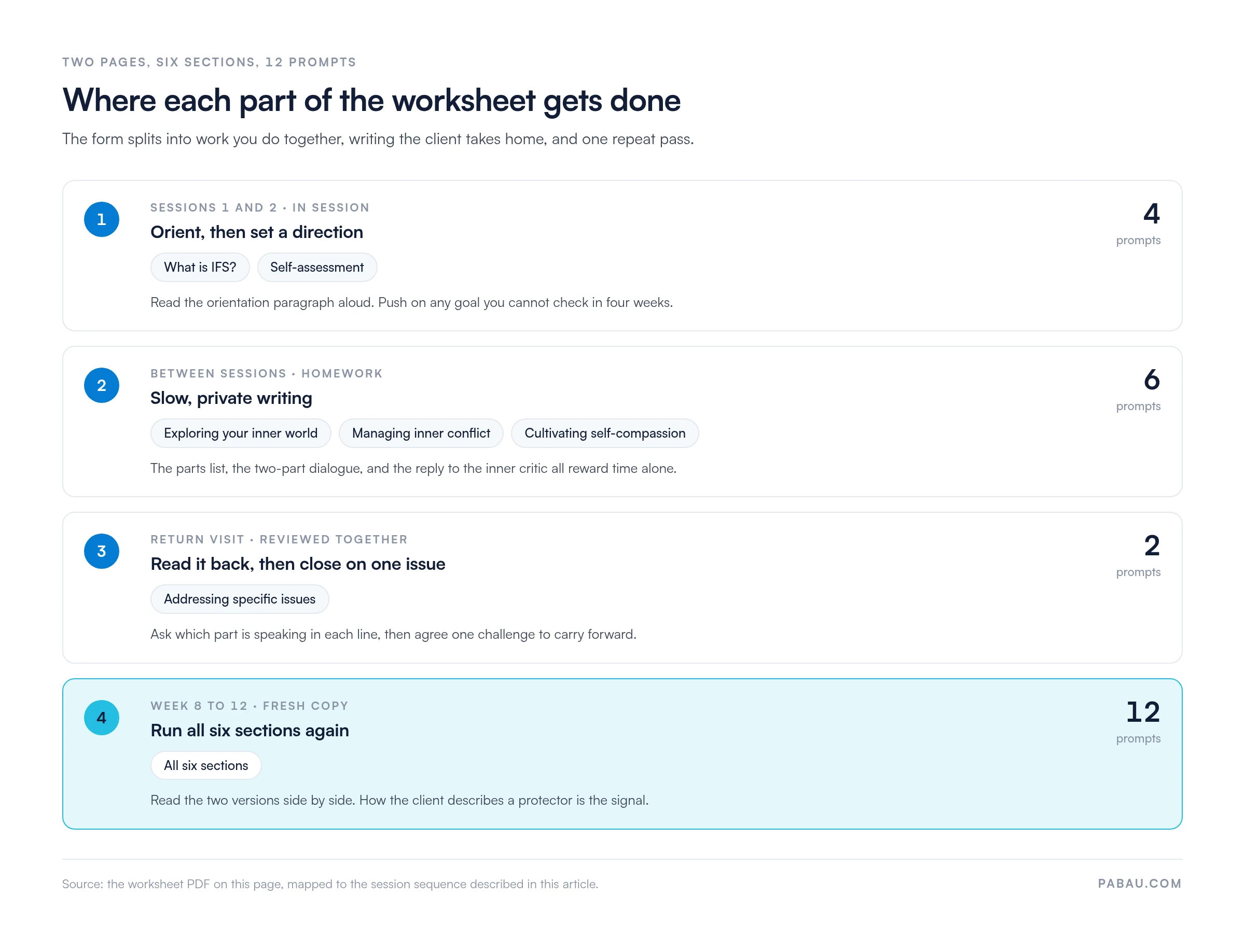
If a client hands the form back nearly blank, that is information rather than a failure. Ask which prompt they stalled on, and you often meet the protector that stalled them.
The natural slot is early. Use it in the first two or three sessions, while you are still establishing the model and the language. It also works as a re-orientation form when a client returns after a break.
Revisit it around the eight to 12 week mark. Ask the client to complete the same six sections again on a fresh copy, then read the two versions side by side. Changes in how they describe a protector are usually more telling than any score would be.
What the form will not do is pace your treatment. Some clients sit with the inner conflict section for weeks. Others fill the whole thing in one evening and want more.
The limits are worth stating plainly. IFS worksheets get bundled and swapped online, and the labels drift as they travel. This file is one general reflection form, and it does not contain:
Those pieces belong in your session plan, your notes, and your own training. Treat this worksheet as the way in to parts work rather than the whole of it.
The form asks about concerns, conflicts, and an inner critic. It never asks a client to approach an exile, and it should not be used to. Unburdening is relational work that needs a therapist in the room and a protector’s permission first.
Watch what comes back. If a client’s writing opens onto trauma, stop the worksheet and stabilize. Grounding, orientation to the room, and a return to Self-access all come before any more reflection.
Where an exile holds significant trauma, this page is a starting point and nothing more. Pair the work with a trauma-focused approach such as EMDR, cognitive processing therapy, or trauma-sensitive CBT. Clients with that history often need months of relationship-building before a burden can move at all.
Once a client writes on it, the worksheet is clinical material. It carries protected health information, known as PHI, and belongs in the client record rather than a folder on your desk.
Three habits keep the documentation clean.
A loose paper copy is the version that goes missing. Scanning or filling it in digitally keeps the form attached to the appointment it belongs to.
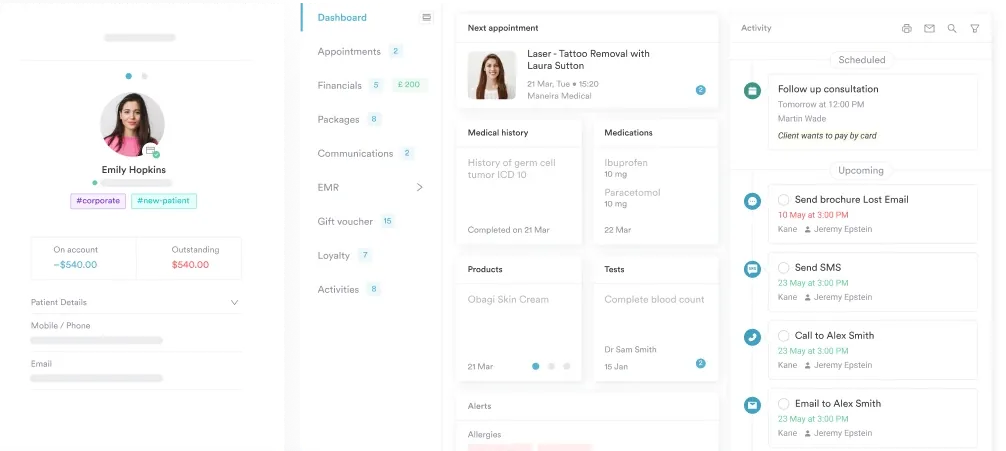
Most therapy practices run this form on paper. It gets printed, handed over, filled in at home, brought back, and then either scanned in months later or lost. The writing is the valuable part, and the paper is the weak link.
Practice management software like Pabau removes that step. Store the worksheet once as a digital form, then assign it to a client with two clicks. They complete it on their phone before the appointment, and their answers save straight to their record.
From there it stays connected. Your progress note sits alongside the worksheet in the client record. The dialogue they wrote in week two is one click away in week 10. Nobody hunts through a filing cabinet mid-session.
For therapy and psychology practices, that means less admin after hours. It also shows how a client’s language about their parts shifts over time.
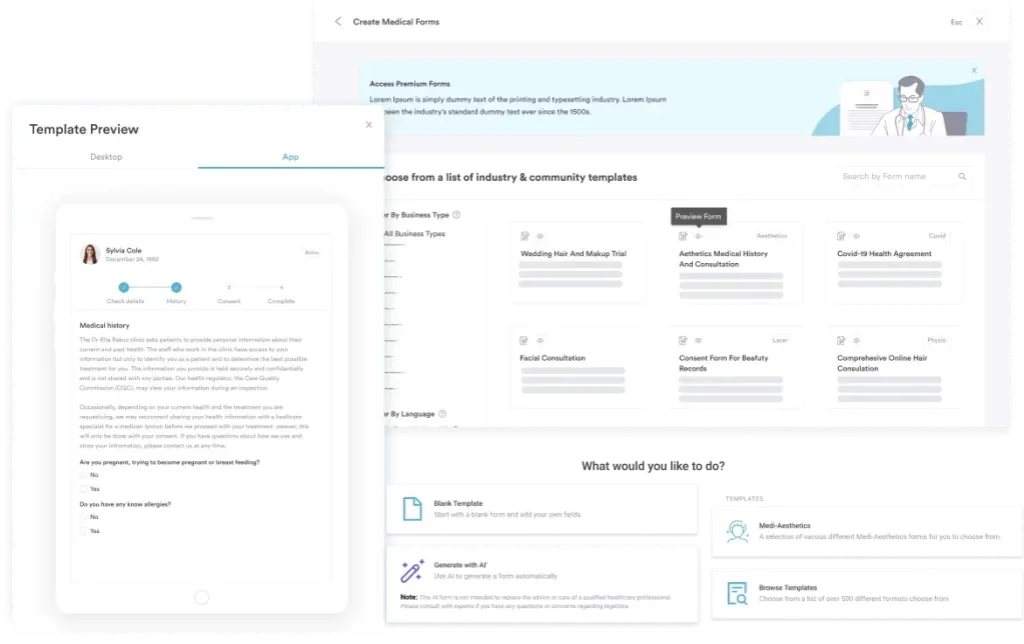

Assign the worksheet as a digital form, and the client’s answers land on their record before the session starts. Your progress note and their writing sit in the same file.

Use this worksheet for what it is. Two pages, 12 prompts, and a client writing about their inner world in language they chose themselves. That is a strong opening move in IFS work and a poor substitute for the protocol that follows it.
So download it, use it early, and read what comes back closely. The parts map, the protector interviews, and any unburdening still belong to you and the room. Keep the file where the rest of the client’s chart lives, and the writing keeps earning its place months later.
Want the worksheet assigned, returned, and filed without a scanner in the loop? Book a demo to see how Pabau handles forms for a therapy caseload.

Need a lighter check-in between parts work sessions? Mental health check-in worksheet gives clients a shorter reflection form to complete between appointments.
Want to work on how clients voice a part? I feel statements worksheet helps clients name a feeling without collapsing into it.
Worried about your own capacity for parts work? Therapist burnout: signs, causes, and prevention covers how to protect the attention this work demands.
Setting expectations before you hand out homework? Group therapy informed consent shows how to agree boundaries and expectations up front.
Need a plan if a client destabilizes? Crisis intervention strategies for clinicians sets out grounding steps for a session that goes sideways.
It is a two-page form with a short IFS orientation paragraph and six prompt sections. Those are what is IFS, self-assessment, exploring your inner world, managing inner conflict, cultivating self-compassion, and addressing specific issues. Each section carries two open prompts, with blank space for the client to write in.
No. The form asks the client to list the parts they recognize and to write a dialogue between two that conflict. It does not include a relationship diagram, separate manager, firefighter, or exile forms, a scored self-energy check-in, or a guided unburdening script. Those stay in your session plan.
Yes, and that is one of its better uses. The prompts ask for reflection rather than trauma processing, so they are reasonable homework for a stable client. Brief the client before they take it away, and agree that a distressing prompt waits for the session rather than being pushed through alone.
Any licensed therapist familiar with the model can use a reflection form like this one. Deeper parts work is different, and formal training is strongly recommended before you attempt it. The IFS Institute runs a Level 1 program of roughly 80 to 90 contact hours, delivered over about 12 to 16 days across several months.
IFS has a growing published research base in trauma, depression, and anxiety. It was added to SAMHSA’s National Registry of Evidence-based Programs and Practices in 2015, rated effective for improving general functioning and well-being. That registry closed in 2018. A worksheet on its own is a tool, not the evidence.