CCSD code F5010: Parotid duct transposition billing guide
CCSD code F5010 covers parotid duct transposition, one side or both CCSD code F5...

Last Updated: Oct 9, 2026
H2021 is the HCPCS Level II code for community-based wrap-around services, per 15 minutes.
Miss one timestamp and the whole line can come back denied. H2021 is also a Medicaid code, so the rules that matter to your billing team are written by your state, not by CMS. Start with what the code covers, then the rules your state layers on top.
Let Pabau's smart automation suggest the right codes, reduce claim denials, and keep your practice compliant—effortlessly.
Automate repetitive tasks and focus on what matters most—your patients.
Reduce coding errors and ensure compliance with the latest regulations.
Clean claims, fewer denials, and faster reimbursements.
Powerful insights and reporting to help your practice thrive.
HIPAA compliant SOC 2 certified GDPR-compliant Trusted by 4,000+ clinics worldwide

HCPCS code H2021 covers community-based wrap-around services, billed in 15-minute units under state Medicaid programs.
Traditional Medicare does not cover H2021, so coverage, rates and unit caps come from your state Medicaid plan.
Every unit needs a start time and a stop time in the note, plus a current individualized service plan.
Most states let Medicaid-enrolled agencies bill H2021, while independent practitioners usually cannot.
Modifiers HN, HO, HQ and HB flag the staff credential, the setting or the population, and many states tie rates to them.
H2021 is a Level II HCPCS code, and one unit equals 15 minutes of direct service. The Centers for Medicare and Medicaid Services (CMS) maintains the HCPCS code set, and H2021 sits in the H2000 series. That series holds behavioral and mental health services that CPT codes do not describe well.
The official descriptor is one line: Community-based wrap-around services, per 15 minutes. Below are the remaining code details.
Wrap-around is a care coordination model, not a single appointment. A team forms around one individual, then works across several parts of their life at once: mental health, housing, education, employment and family life. Formal clinical services sit alongside informal supports, which is the part that makes the model hard to bill.
In practice, the billable work usually falls into five buckets.
The caseload is mostly adults with serious mental illness who are at risk of hospitalization. It also includes children involved with child welfare or juvenile justice, and individuals with a co-occurring substance use disorder.
The work itself happens in homes, schools and community settings rather than one office. That makes the clock the only record tying the service to the claim.
In most state Medicaid plans the biller is an enrolled agency, not an individual clinician. That is the biggest structural difference between H2021 and a CPT therapy code, where the clinician bills under their own NPI. Eligible provider types still vary, so check your state provider manual first.
Enrollment is the real gate here. The agency has to be enrolled with the state Medicaid program, and every rendering staff member needs to be on file.
That is the same route as credentialing with any payer. A claim from an ineligible provider type gets rejected up front, not after review.
H2021 is a Medicaid code. It does not appear on the Medicare Physician Fee Schedule, and traditional Medicare does not pay it. Commercial plans rarely recognize H-series codes at all, so in practice the payer here is the state program.
That puts coverage, rates, unit caps and authorization rules in state hands. An agency billing in three states is really managing three rule books, and a managed care contract can add a fourth layer on top.
Where a managed care organization holds the contract, read the contract before the state manual. It can require authorization even where the state plan does not, and the prior authorization process is where that paperwork lands.
An H2021 claim is built in five stages, and each stage has a failure that turns up in denial reports. The sequence follows normal medical billing order, with two extra checks that only apply to time-unit codes.
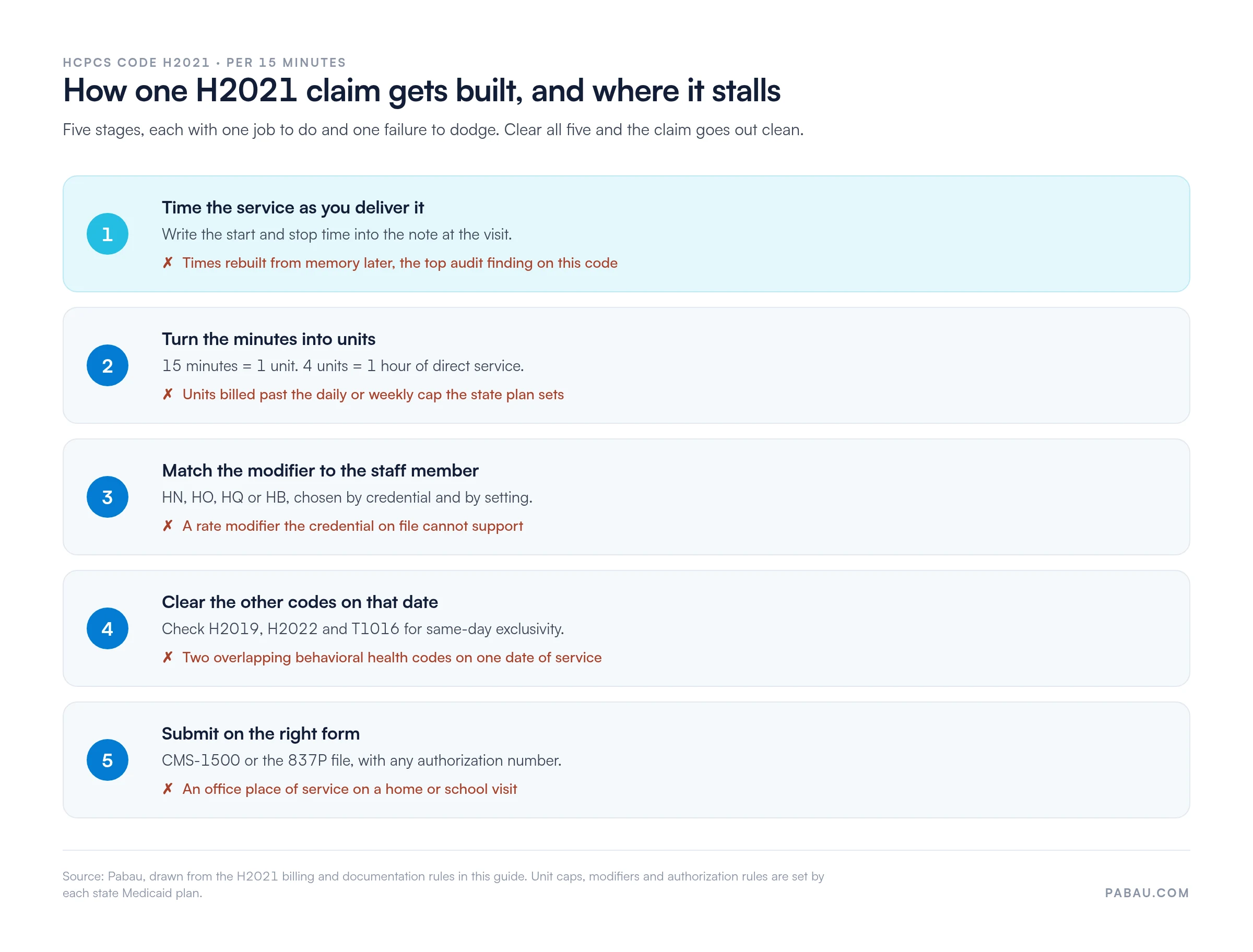
Count direct service time only, then divide it into 15-minute blocks. Say a session runs 50 minutes. That is three units, with five minutes left over that most plans will not let you round up.
Some states publish their own rounding rule, so read the manual before you assume the standard convention applies. Daily and weekly unit caps sit on top of the math, and exceeding one is a routine denial.
H2021 goes out on the CMS-1500 for professional services, or as an 837P file if you submit electronically. Most agencies route the 837P through a clearinghouse, which checks the file for format errors before the payer sees it.
Practice management software like Pabau sends electronic claims through its Claim.MD integration, so the file leaves the same system that holds the note.
Before the claim leaves, look at what else was billed for that person on that date. Many state plans treat H2021 as mutually exclusive with certain other behavioral health codes, so two overlapping lines on one date will bounce.
Place of service matters just as much. Wrap-around work happens in homes and schools, and an office code on a home visit is an easy denial to avoid.
Track time during the session, not afterwards. Reconstructed time records are the most common documentation finding in Medicaid audits of H2021 claims. Set your note template so start and stop times are required fields, and a note cannot be signed without them.
Modifiers on an H2021 line describe who delivered the service, where it happened, or which population it served. In many states they also set the rate.
Which ones apply is a state plan question, so treat the table below as a starting point rather than a rule.
Two habits keep modifier denials down. Check the credential on file before you append HN or HO, and re-read the state modifier table whenever the fee schedule changes.
On a time-unit code the note is the claim. One missing start time can void the line it supports, which is why record reviews recover so much money on behavioral health claims.
Six pieces of documentation carry most of the weight:
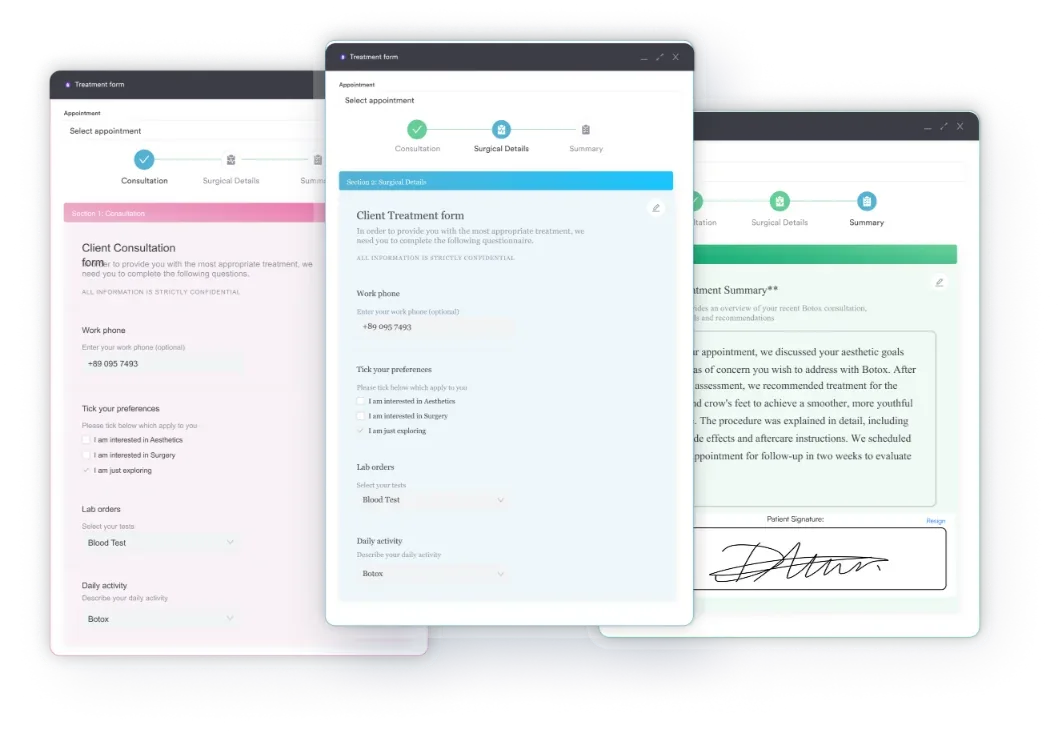
Structured fields do more here than a free-text box. Digital intake forms can lock a note until the start and stop times are filled in. That stops the problem at the visit, not at the appeal.
A fixed note format such as a PIRP note keeps the intervention, the response and the plan in set fields. Structure like that makes a single unit easier to defend.
Keeping the file review-ready is the same discipline as any other billing compliance program. Audit a sample of H2021 notes once a quarter, rather than the week a records request arrives.
Run these five checks on every H2021 line before it leaves the building. Each one takes a minute, and together they catch most of what comes back.
Scrubbing the file before submission catches the mechanical errors, and claim scrubbing flags a missing authorization number faster than a person reading a batch.
What it cannot catch is a timestamp nobody wrote down. That one is a workflow problem, and it gets fixed at the point of care.
When a line does come back, code the reason before you rework it. A unit-cap denial and a credential-mismatch denial need different fixes. Knowing which one you get most often is the shortest route to fewer denials next quarter.
There is no national rate for H2021. Each state Medicaid program sets its own, and the spread between states is wide. Some pay per 15-minute unit. Others fold the service into a per-diem or bundled payment, which changes what an hour of wrap-around work is worth.
To find your number, open your state Medicaid agency’s current fee schedule and search the code. CMS owns the code set, but it does not publish H2021 rates. Managed care rates are separate again, and they follow the contract rather than the state fee-for-service schedule.
Check your state Medicaid fee schedule once a quarter. H2021 rates move with state budget cycles, and billing on an outdated one can mean months of underbilling before anyone notices. Join your state Medicaid provider bulletin list so rate notices arrive by email.
No single CPT code describes wrap-around services, so there is no clean crosswalk. What you get instead is a group of neighboring codes that each cover part of the model.
The table shows how they relate, and payer rules decide which one belongs on the claim:
When a neighboring code looks plausible, check the descriptor before you bill it. AAPC’s HCPCS lookup is a quick way to read the wording, and the state plan tells you which one it pays.
Most of the H2000 series comes in pairs: one code per 15 minutes, one per diem. H2021 is the per-15-minute half of the wrap-around pair, and H2022 is the other half. Reading the series as pairs makes code selection much faster.
A daily rate points elsewhere in the series. H2018 and H0037 are both per-diem behavioral health codes, and each carries its own service definition and documentation set.
Wrap-around services are delivered by different staff members across homes, schools and community settings. The timing sits with whoever was in the room, the care plan lives in one system, and the claim gets built in another. That distance is where units go missing.
Pabau closes that distance by keeping the record and the claim in one system. Automated workflows can require a start time and a stop time before a note is signed. Every unit then traces back to a timestamp entered at the visit.
The HCPCS code is captured with the documentation, so the code and the record behind it stay together. From there, Pabau’s claims management software builds and sends the file. Billing reports show what has been billed, paid and denied, so a manager can see which payer is creating the rework.
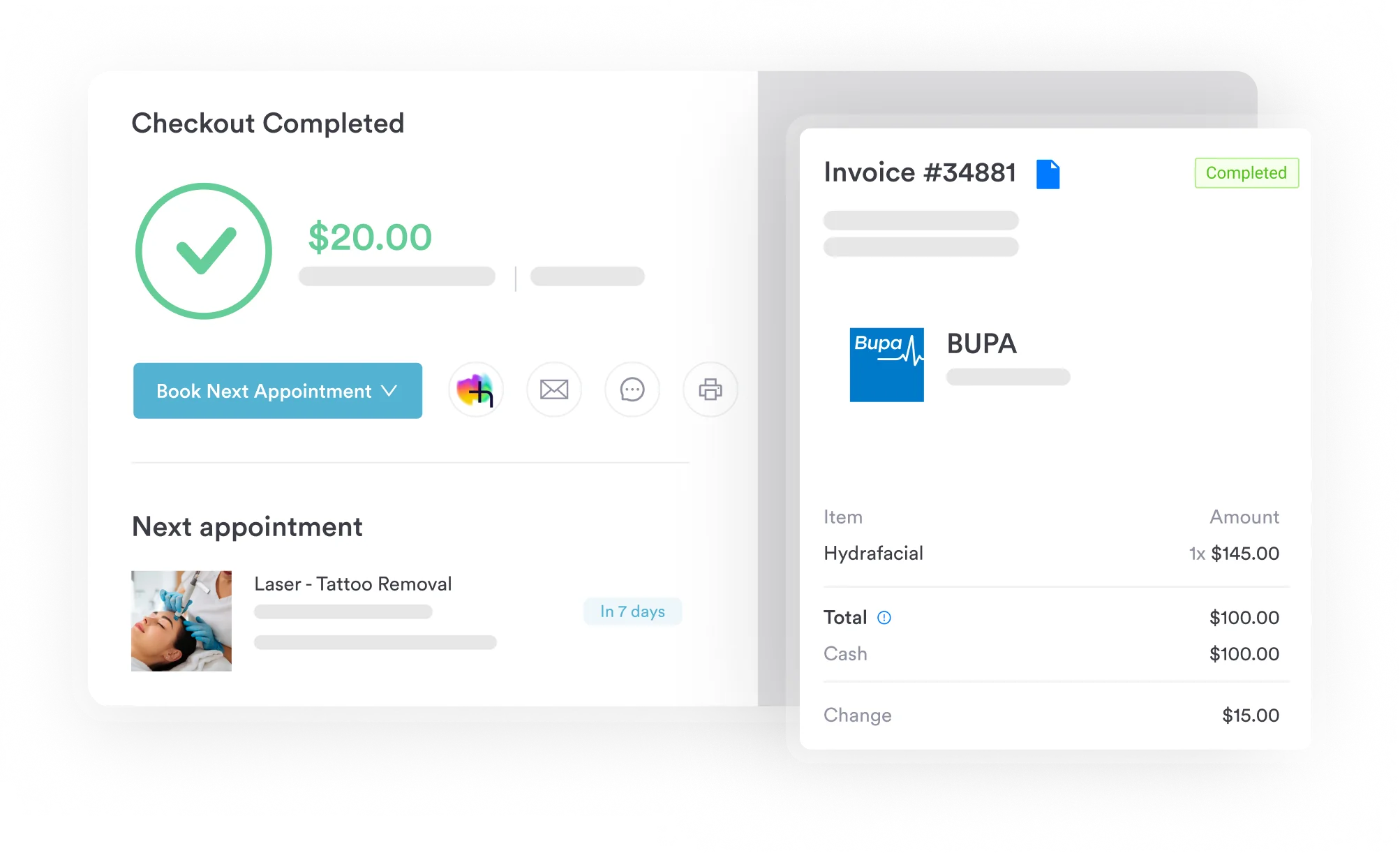
Behavioral health agencies run Pabau as a mental health EMR, and prescribing teams use it as psychiatry practice software. The calendar, the note and the claim sit in one record, and every subscription includes every feature.

Pabau keeps start and stop times, the HCPCS code and the claim in one record. Behavioral health teams can bill time-unit services without rebuilding the paperwork afterwards.

H2021 is not a hard code to understand. It is a hard code to prove. The descriptor runs to one line, and all the risk sits in the timestamps behind it.
So put the effort where the exposure is. Fix the timing habit first, because a note written at the visit survives a records request and a note written on Friday afternoon does not. Then write your state’s rules down once, instead of rediscovering them each time a claim bounces.
The trade-off worth remembering is that H2021 pays for coordination, which is the part of the work nobody feels like documenting. Book a demo to see how Pabau ties each 15-minute unit to the note that proves it.

Need a note format that survives a records request? Progress note template gives you a structured layout you can adapt for wrap-around sessions.
Billing short-term residential behavioral health? HCPCS code H0018 covers the per-diem rules and the documentation a payer expects.
Serving children in foster care placements? HCPCS code H0042 explains the non-therapeutic foster care code and how states pay it.
Need a structured diagnostic interview? SCID assessment includes a free SCID-5 template and a clinician guide to scoring it.
Tracking impulsivity in a treatment plan? UPPS impulsive behavior scale breaks down the subscales, the scoring and how to read a result.
Yes. The CMS-1500 and the 837P both require at least one ICD-10 diagnosis, and it has to support medical necessity for community-based wrap-around services. The diagnosis on the claim should match the one in the care plan. A mismatch between the two is a common reason a reviewer asks for records.
Usually not. State plans pay for the service, not for each person delivering it. Two lines covering the same minutes tend to be denied as duplicates. Where a state does allow team delivery, it normally wants one line and one rendering provider. Check the plan before you split a session.
That depends on how your state defines direct service. Some plans count collateral contact and team meetings toward H2021 units, while others pay only for time spent with the individual. Read the definition in your provider manual, then build your note template to match it.
Some state plans allow it and others do not, so confirm this one in writing. Where telehealth is covered, the place of service code and any telehealth modifier have to match the state rule. The note still needs start and stop times for every unit you bill.