Piercing consent form
A piercing consent form is a signed record that a client understood a piercing&#...

7
Last Updated: Oct 2, 2026

The UPPS-P measures five separate impulsivity pathways: Negative Urgency, Positive Urgency, (Lack of) Premeditation, (Lack of) Perseverance, and Sensation Seeking.
Three versions exist: the 59-item full form, the 20-item short form, and the UPPS-R-C for children aged 7 to 13.
Scoring means reverse-scoring the flagged items, summing each subscale, then converting raw totals to z-scores or percentiles against the matching norms.
One elevated subscale rarely settles a diagnosis, because Negative Urgency alone shows up in borderline, binge eating, and anxiety presentations.
Practice management software like Pabau can serve the scale digitally, score it on submission, and file results in the client record.
The full 59-item questionnaire with the 1 to 4 response scale, the reverse-scored items flagged, and a subscale key for scoring. Interpretation anchors for all five dimensions are included.
Download templateImpulsivity turns up across ADHD, substance use, mood, eating, and personality presentations. It arrives by a different route each time, and one global impulsivity score cannot tell those routes apart.
The UPPS impulsive behavior scale splits it into five measurable dimensions, so an elevated total becomes an answerable question. A practice running ADHD assessments can separate a planning problem from an emotion-driven one, then aim treatment at the right target.
The UPPS impulsive behavior scale is a validated self-report measure of impulsivity, developed by Whiteside and Lynam in 2001. Cyders and colleagues later expanded it into the UPPS-P by adding the Positive Urgency dimension. Where older scales treated impulsivity as one trait, this one scores five.
Each dimension is a separate pathway to impulsive action. Some clients act rashly when upset, others when excited. Some fail to plan ahead, some lose follow-through partway, and some chase novelty for its own sake.
The full version carries 59 items rated on a 4-point scale, from 1 (agree strongly) to 4 (disagree strongly). Some items are reverse-scored, which is where most hand-scoring errors happen. Administration takes 10 to 15 minutes, so it fits inside a standard appointment.
Each subscale measures a distinct facet of impulsivity:
Each subscale’s raw total runs from its item count up to four times that count. Perseverance therefore runs 10 to 40, and Positive Urgency runs 14 to 56. Higher means more impulsivity on that dimension.
The five are largely independent. A client can sit high on Sensation Seeking and low on Negative Urgency, which is exactly the pattern a single impulsivity score hides.
Three versions cover different populations and time budgets:
The questionnaires and scoring keys are published in the PhenX Toolkit and in the peer-reviewed literature, rather than on one official portal. Norms differ by version and by population, so an adolescent score read against adult norms will mislead you.
For younger clients the child form rarely stands alone. Clinicians usually pair it with a broader developmental assessment, and with age-specific screeners such as screeners such as M-CHAT-R when the referral question involves early development.
Administration: hand out the questionnaire on paper or serve it as a digital form. Digital forms remove the transcription step, and scoring can run the moment a client submits.
Tell clients to answer quickly rather than deliberate over each item. Make clear that you are recording how they see themselves, not grading them.
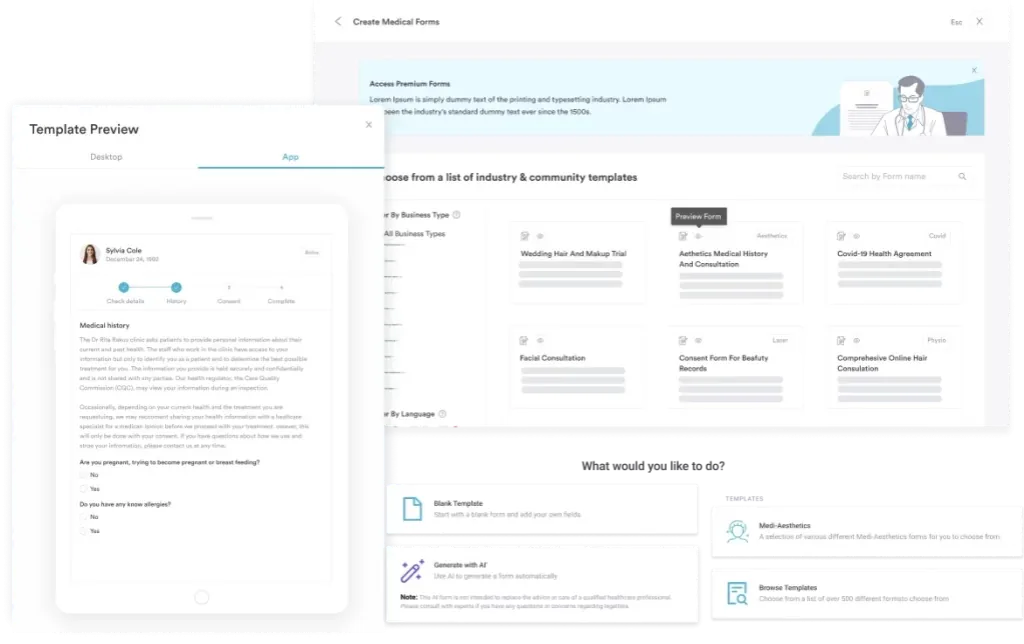
Scoring steps:
Automated scoring is where the digital route pays off. Configure the reverse-scored items and the subscale groupings once, and every submission comes back scored, with no arithmetic left to check.
The UPPS-P holds up well across populations. Subscale Cronbach’s alpha values typically fall between 0.80 and 0.92 in adult and adolescent samples. Test-retest reliability over four weeks generally sits above r = 0.70.
Construct validity comes from correlations with other impulsivity measures, behavioral lab tasks such as delay discounting, and psychiatric diagnoses. The five-factor structure replicates across languages and cultures. For the validation studies themselves, search PubMed or the measurement pages at impulsivity.org. A private practice reviewing outcomes needs the same measure captured at intake and at review.
Elevated UPPS-P subscales point in different diagnostic directions. When you write up formulation and treatment response, tie the elevation to the presenting diagnosis and its ICD-10 code.
Read that mapping down the columns and something useful shows up. Negative Urgency is implicated in three of the five presentations, which makes it the weakest single discriminator on the scale.
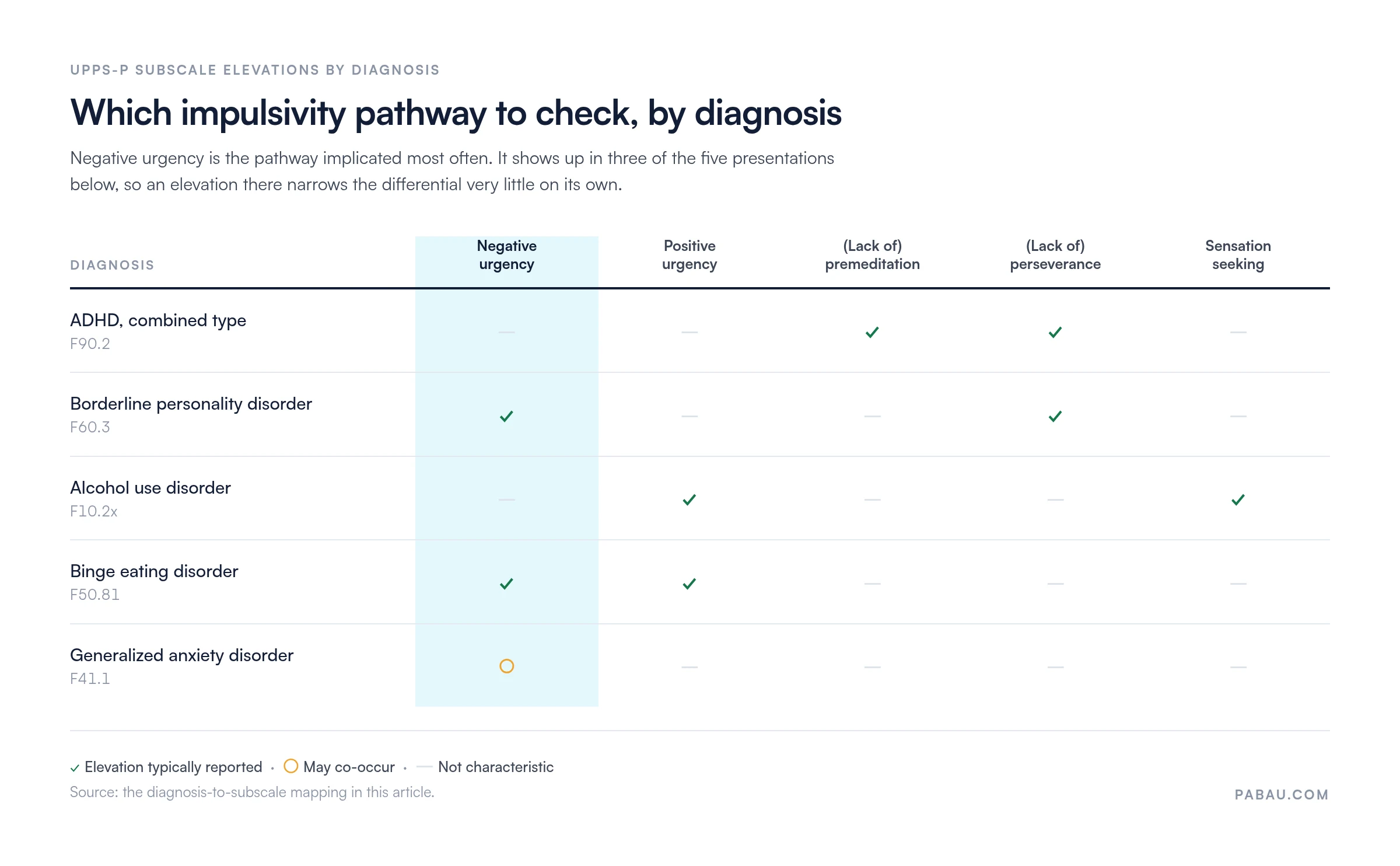
Premeditation and Perseverance do the opposite job. They separate ADHD from the urgency-driven presentations, which is worth recording explicitly in the note. A later reviewer uses that line to judge whether the treatment plan followed the assessment.
A psychiatry practice running repeat assessments needs the same subscale labels every time, because free-text notes drift. HIPAA-compliant storage then keeps the whole series retrievable across episodes of care.
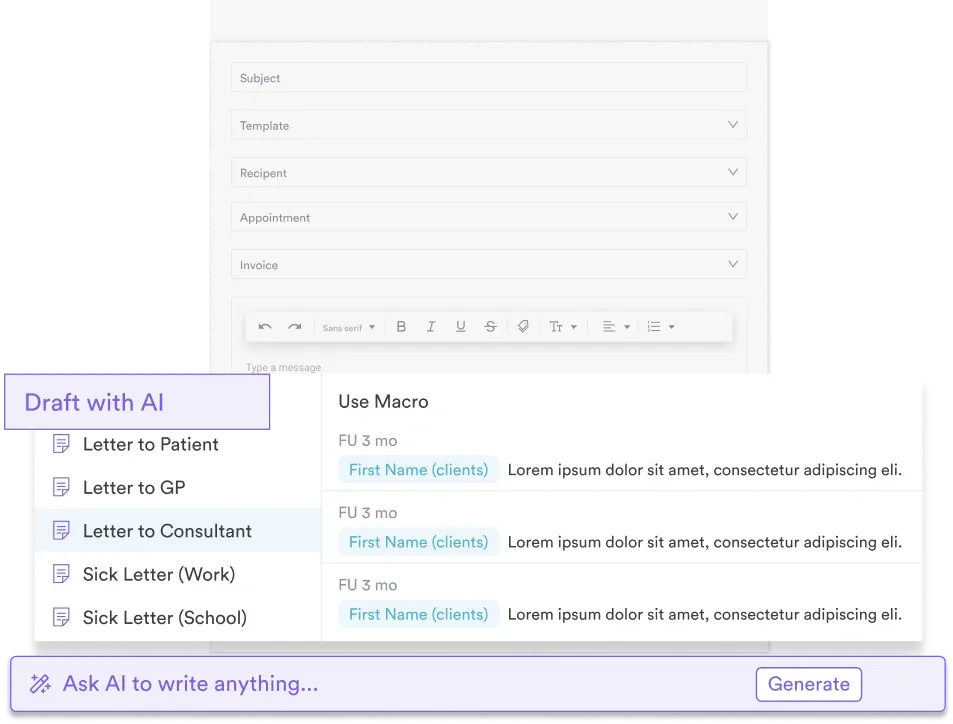
On paper, the UPPS-P costs a practice twice. Someone hands out 59 items, then someone keys the responses in and checks five subscale totals by hand. Errors hide in the reverse-scored items, and the score often lands days after the session it was meant to inform.
Practice management software like Pabau closes that loop. Clients complete the scale on a tablet in your waiting area, or through the client portal before they arrive. Completion rates tend to beat paper, and subscale totals calculate the moment a client submits.
Results then sit in the client record next to notes, appointments, and other outcome measures. You can compare Negative Urgency at intake against Negative Urgency at session twelve, and pull a report on the subscales you set as targets.
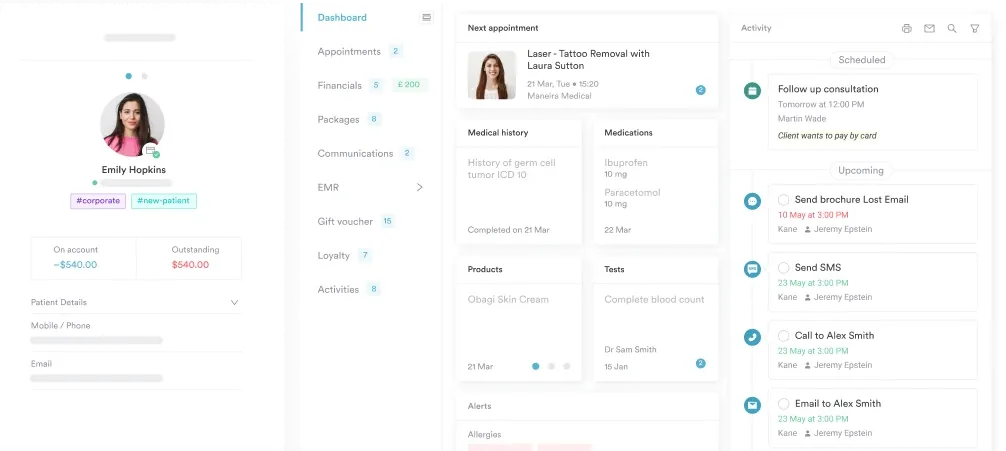

Pabau serves the 59-item scale as a digital form, scores every subscale on submission, and files the result in the client record. Your team stops re-keying responses and checking arithmetic by hand.

The UPPS-P earns its 15 minutes through the shape of the profile rather than the size of the total. Two clients with identical overall impulsivity can need opposite treatments, and only the subscale breakdown shows it.
So decide what each elevation would change before you administer it. If a high Sensation Seeking score would not alter your plan, the short form is enough. If you intend to target one pathway and track it, use the full form and keep the same version at every follow-up.
The trade-off worth remembering is norms. A raw score is uninterpretable without the matching normative table, so an adolescent read against adult norms misleads you. Book a demo to see how Pabau scores the UPPS-P on submission and keeps every subscale in the client record.

Tracking anger patterns instead? anger triggers diary worksheet helps clients track warning signs, emotional responses, and coping strategies across sessions.
Need the observational half of the picture? Mental status exam template covers what self-report on its own cannot reach.
Documenting the session that follows? PIRP note gives you a structure that ties the problem to the intervention and the response.
Need a plain-language anxiety handout? anxiety fact sheet covers anxiety types, symptoms, causes, evidence-based treatment options, and guidance on when to refer.
Want a simpler way to log behavior? behavior tracking sheets cover frequency recording, duration tracking, interval recording, and ABC data collection for daily monitoring.
It measures five separate dimensions of impulsivity. Negative Urgency is acting rashly when upset, and Positive Urgency is acting rashly when excited. (Lack of) Premeditation is failing to plan, (Lack of) Perseverance is losing follow-through, and Sensation Seeking is the pull toward novelty. The scale screens and profiles. Diagnosis needs the rest of your assessment.
The full 59-item version takes 10 to 15 minutes. The short form, UPPS-P-S, has 20 items and takes 3 to 5 minutes. Either fits inside a standard appointment, and the short form can be repeated across sessions.
Yes. The UPPS-R-C was developed and validated for ages 7 to 13, with age-appropriate wording. Clinical studies have since used it with adolescents aged 12 to 18. Score it against the child norms, never the adult ones.
No. Negative Urgency alone shows up in borderline, binge eating, and anxiety presentations, so it flags distress rather than a diagnosis. Read the profile across all five subscales, then weigh it against the rest of your assessment.
Impulsivity is relevant to ADHD (F90.x), borderline personality disorder (F60.3), substance use disorders (F10.2x to F19.2x), eating disorders (F50.x), and mood disorders (F30 to F39). Record which subscales are elevated and link them to the primary diagnosis code.
Yes. Practice management and assessment platforms can serve it as a form, score it on submission, and file the result in the client record. That removes the transcription step and the hand arithmetic.
Convert each raw subscale total to a z-score or percentile using norms for the client’s age and sex. A total more than one standard deviation above the mean counts as elevated. Use those elevations to set treatment targets and to measure change later.