CCSD Code D1010: Radical mastoidectomy including meatoplasty
CCSD Code D1010: Definition and clinical scope CCSD Code D1010 is the UK private...

Last Updated: Nov 25, 2026
T7620 is the CCSD code for free functioning muscle transfer (as sole procedure) (including closure of secondary defect). The surgeon moves a muscle with its own artery, vein and nerve, then reconnects them by microsurgery to restore movement.
The code sits in chapter 15 of the CCSD Schedule, under 15.4.1 Flaps. Closing the donor site is part of T7620, so it isn't billed separately. Common reasons for the surgery include brachial plexus injury, major muscle trauma and tumor removal.
Let Pabau's smart automation suggest the right codes, reduce claim denials, and keep your practice compliant—effortlessly.
Automate repetitive tasks and focus on what matters most—your patients.
Reduce coding errors and ensure compliance with the latest regulations.
Clean claims, fewer denials, and faster reimbursements.
Powerful insights and reporting to help your practice thrive.
HIPAA compliant SOC 2 certified GDPR-compliant Trusted by 4,000+ clinics worldwide

CCSD code T7620 is the UK private billing code for free functioning muscle transfer (as sole procedure) (including closure of secondary defect).
It sits in chapter 15 of the CCSD Schedule, under 15.4.1 Flaps, and covers reconstructive microsurgery.
Closing the donor site is part of T7620, so it isn’t billed as a separate line.
Pre-authorization is common for surgical procedures, so confirm the patient’s insurer rules before the operation.
A clean claim carries the authorization reference and an operative note that states the clinical indication.
CCSD code T7620 is the UK private billing code for free functioning muscle transfer (as sole procedure) (including closure of secondary defect). That wording comes from the official CCSD Schedule, maintained by the CCSD Group of Bupa, Vitality, AXA Health and Aviva. T7620 sits in chapter 15 (Skin and subcutaneous tissue), under Flaps (15.4.1).
The operation is reconstructive microsurgery. The surgeon moves a muscle together with its own artery, vein and nerve, then reconnects them at the recipient site. Once the nerve regrows, the muscle contracts again and restores lost movement.
Common reasons for the surgery include brachial plexus injury, ischemic contracture, major muscle trauma and tumor removal. Each of those is a documented clinical problem, which is what an insurer needs to see on the claim.
Each bracket in the T7620 descriptor changes the claim, so read it clause by clause before you code the operation. The panel below breaks it down.
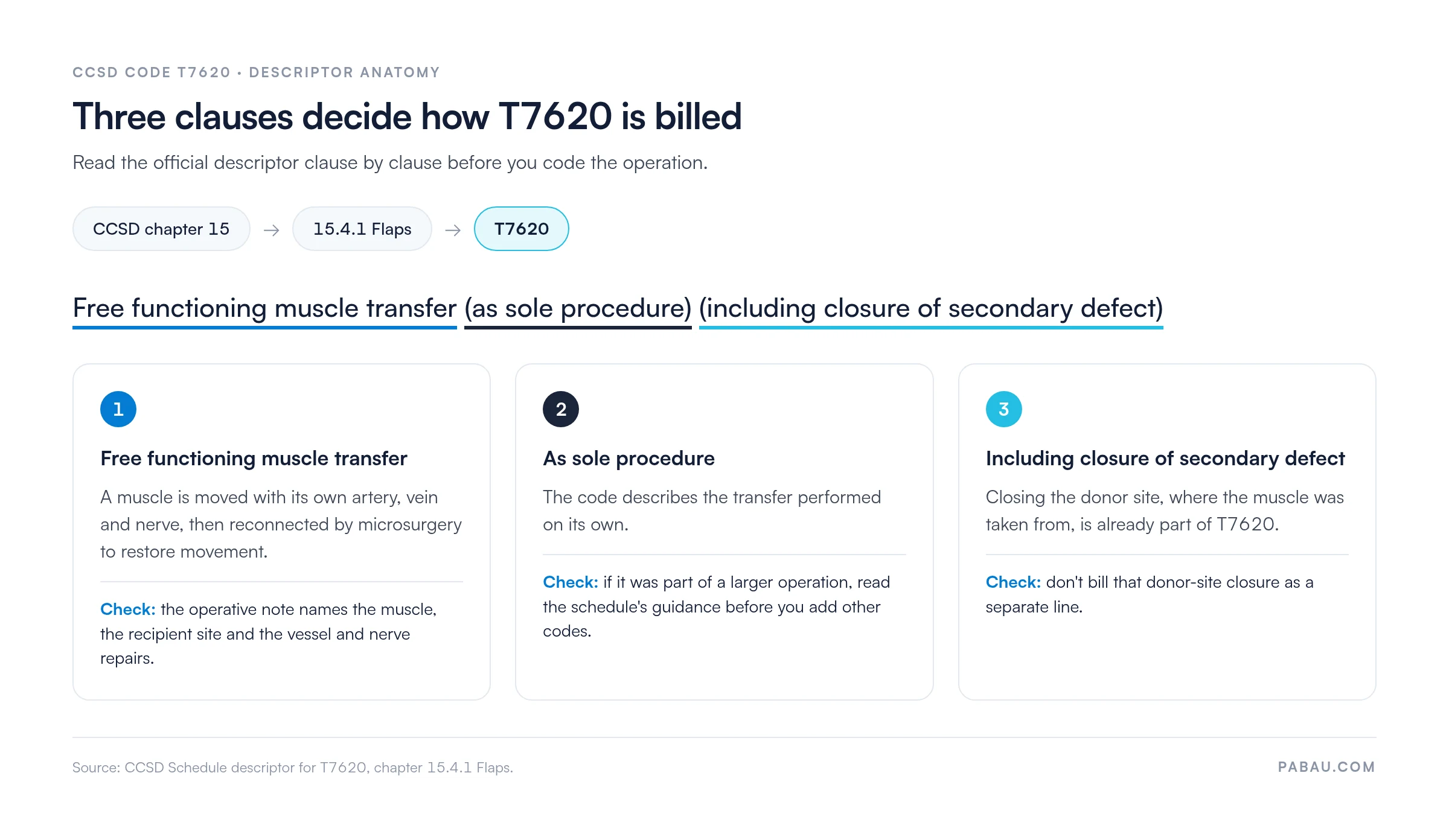
The CCSD Schedule groups codes into chapters by body system, then into numbered sections. Knowing the level matters, because insurers often set policy rules and multiple-procedure reductions above the single code.
If you bill several CCSD procedures, start with Bupa’s CCSD codes. Each insurer can still apply its own policy conditions to the same code. Our CCSD code library covers the rest of the schedule.
Other codes in 15.4.1 Flaps describe different flap procedures. Picking the wrong one is an easy way to get a claim rejected, because insurers match the descriptor against the operative note.
Don’t rely on code numbers or summaries to tell them apart. Read the descriptors side by side in the CCSD Schedule or the Bupa code search portal. Then choose the one that matches the operation as performed.
Hand reconstruction can need a different approach altogether. A second-stage flexor reconstruction of the hand, for example, has its own code, T6832.
Before billing T7620, open the official descriptors for the other codes in 15.4.1 Flaps. Then write the deciding detail into your operative note, such as a functioning muscle moved with its nerve. That one line answers most coding queries before they arrive.
Insurers pay for documented procedures, so the patient record has to back up both the operation and the reason for it. Have these in the record before you submit.
Pre-authorization is common for surgical procedures, so confirm the requirement with the patient’s insurer before you operate. The rules depend on the insurer, the policy and the clinical details.
A claim sent without a required authorization is usually declined on administrative grounds. Record the reference number in the patient file and add it to the claim.
Healthcode is the main electronic billing route for UK private claims. To use it, you need an active Healthcode account and recognition from the patient’s insurer.
Keep your practice details current in Healthcode too. Out-of-date details can stall a claim at the administrative check, before anyone assesses it clinically.
Most rejections trace back to a handful of causes. Catching them before you submit takes far less time than an appeal.
When a claim is denied, ask the insurer for the specific reason in writing. Generic notices rarely say enough to fix and resubmit. You can query a specific invoice through Healthcode’s messaging.
Review your CCSD claim rejections every quarter, grouped by code rather than by insurer. If T7620 keeps coming back for the same reason, you know which note template or check to fix.
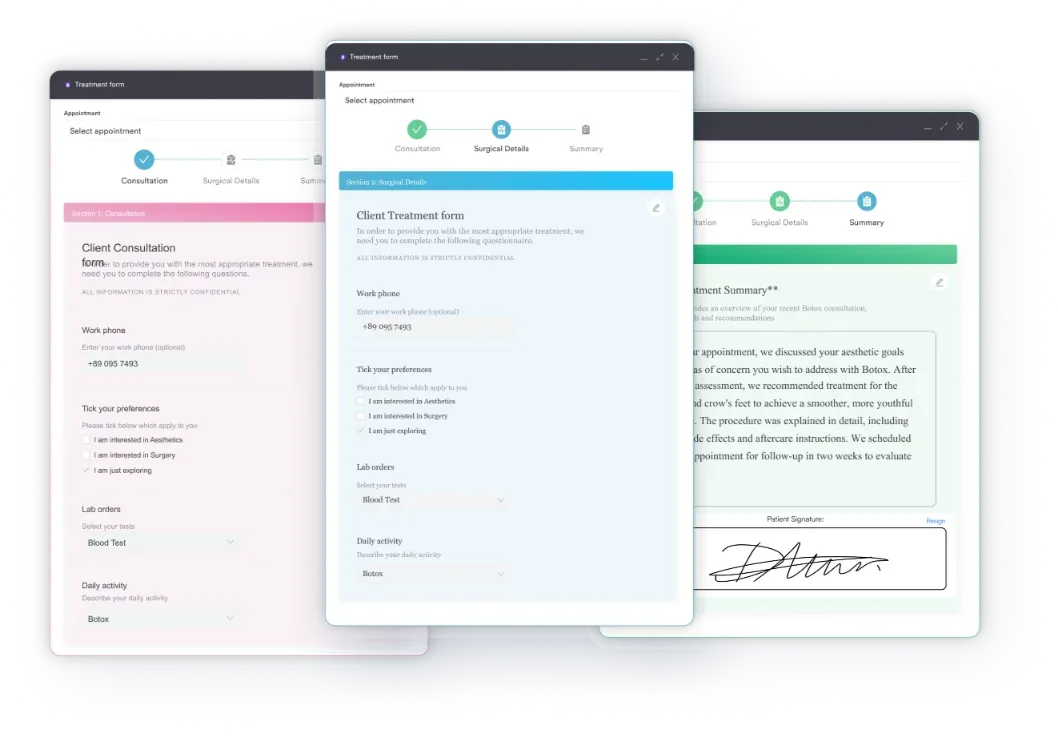
In many surgical practices, the operative note, the consent form and the Healthcode invoice live in three places. Pulling them together for an insurer query costs time, and a missing piece can sink the claim.
Pabau’s surgical practice claims software keeps them on one patient record. It sends Healthcode claims for UK practices, so the invoice draws on the same record as your notes and consent.
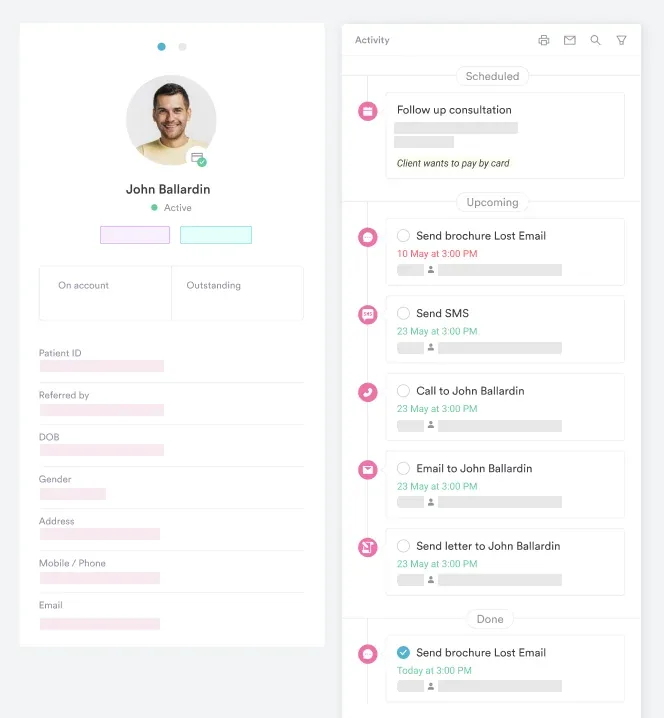
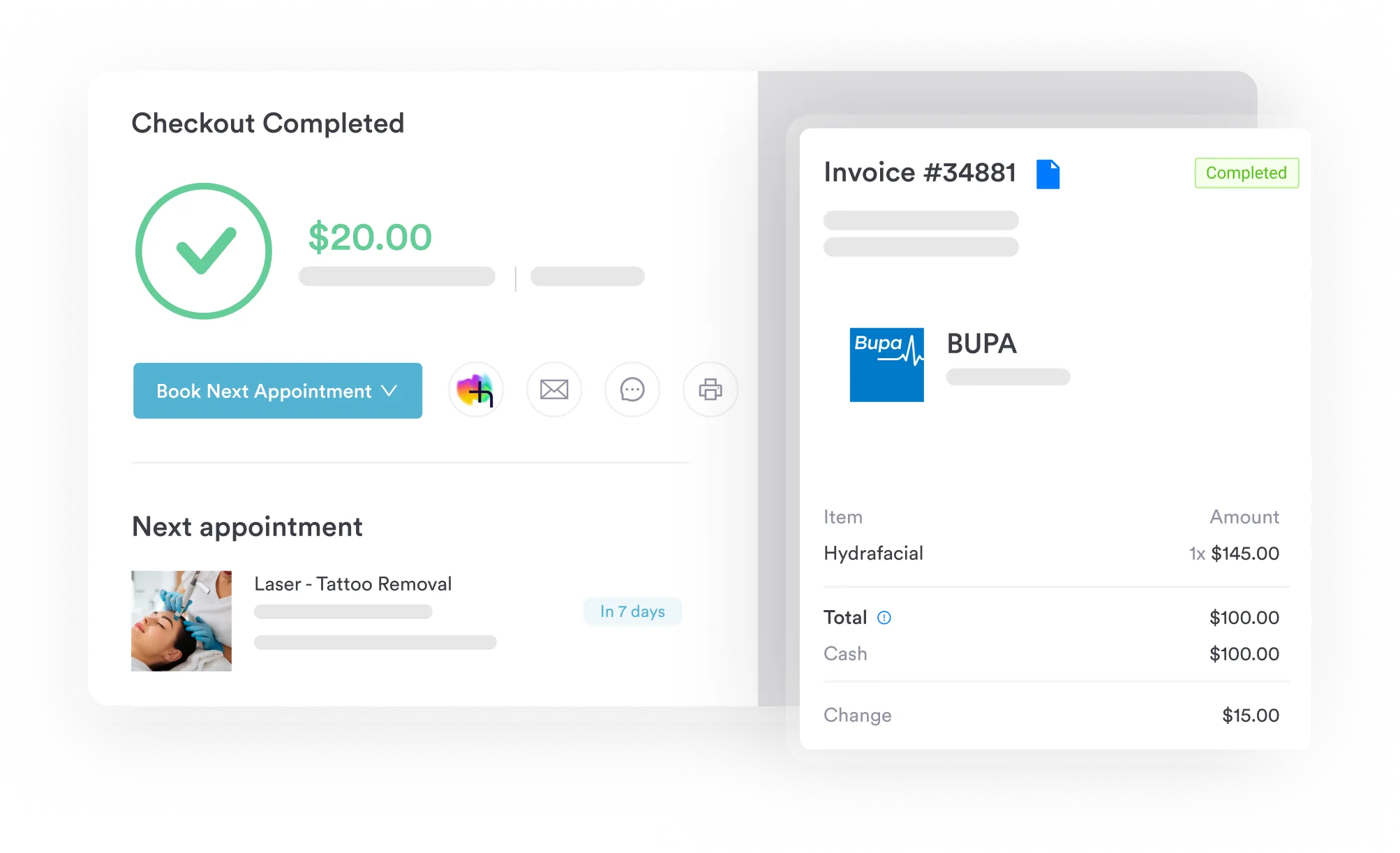
The result is fewer documentation queries for UK private surgical practices, and less time chasing claims.

Pabau keeps operative notes, consent and Healthcode claims on one patient record for UK private surgical practices.

T7620 is a narrow code for a demanding operation. Most of the work of billing it well happens before surgery, when you confirm authorization and decide what the operative note must show.
If you change one habit, write the clinical indication and the donor-site closure into the note every time. That single step heads off the two queries insurers raise most on this code.
Book a demo to see how Pabau keeps notes, consent and Healthcode claims together for surgical practices.

Need the wider Bupa code set? Bupa CCSD billing codes guide lists the procedure codes Bupa accepts through Healthcode.
Coding other reconstructive hand surgery? CCSD code T6820 covers secondary repair or reconstruction of an extensor of the hand or forearm.
Working through a rejected claim? Denial codes in medical billing explains common denial reasons and how to respond.
Want fewer claim errors across your practice? Pabau claims management software brings notes, consent and claim tracking into one workflow.
No. CCSD codes are used for UK private healthcare claims. NHS hospitals record procedures with OPCS-4 codes instead, so T7620 appears only on private invoices.
A pedicled flap stays attached to its original blood supply and is rotated into place. A free flap is detached completely and its vessels are reconnected by microsurgery. A free functioning transfer also reconnects the nerve, so the muscle can contract.
Common reasons include brachial plexus injury, ischemic contracture, major muscle trauma and muscle loss after tumor removal. In each case, the aim is to restore movement the patient has lost.
The CCSD Schedule on the CCSD website holds the official wording, and you need to log in to search it. Insurer tools such as the Bupa code search portal also show the codes they accept.
No. The T7620 descriptor includes closure of the secondary defect, so the donor-site closure is part of the code. Billing it on its own line risks an unbundling rejection.