Getting along with siblings worksheet
A getting along with siblings worksheet is a printable that helps children and t...

2
Last Updated: Oct 23, 2026

Procrastination worksheets help clinicians spot avoidance patterns and run CBT or ACT interventions for delay behaviors.
The cycle runs on anxiety, avoidance, and short-term relief, and each worksheet targets one link in that chain.
Trigger identification, cycle mapping, behavioral activation, and action planning cover the four jobs a worksheet pack needs to do.
Match the worksheet to the client’s dominant driver, because sending the whole pack home in week one rarely works.
Digital forms and a client portal let you assign worksheets as homework and track completion in the client record.
A printable pack of CBT and ACT worksheets covering trigger identification, procrastination cycle mapping, behavioral activation scheduling, and action planning. Every sheet is ready to assign as between-session homework and debrief in your next appointment.
Download templateProcrastination worksheets are structured tools that turn a client’s delay pattern into something you can assess and treat. They come from cognitive behavioral therapy (CBT) and acceptance and commitment therapy (ACT). Each one gives you a written record of the trigger, the thought, and the avoidance that follows. Practice management software for therapists keeps scheduling, notes and billing against one client record.
Clients tend to describe the same loop. Anxiety about a task leads to avoidance, avoidance brings quick relief, and the deadline keeps closing in until the anxiety returns worse than before.
This guide covers what each worksheet type does, which client driver it suits, and how to run the assign-and-debrief loop in your practice. The free pack above is ready to hand to clients today.
Procrastination worksheets are clinical tools that help therapists and coaches assess delay behaviors and guide clients toward action. Unlike generic productivity advice, they work on the emotional and cognitive drivers underneath the delay.
Each sheet targets one part of the problem. Some identify what triggers the delay, some map how the cycle sustains itself, and others schedule activity or break a goal into steps. Clients complete them between sessions and bring the responses back for discussion.
What happens after that depends on your setup. With mental health practice software such as Pabau, you can send the sheet to the client’s portal. You can also see who completed it and file the responses against your clinical notes.
The procrastination cycle is a self-sustaining loop that runs on emotion regulation through avoidance. Reading a client’s version of it tells you which worksheet to reach for first.
The sequence usually runs like this:
Clinicians who work in crisis intervention recognize the shape of this straight away. The client is avoiding a feeling, and the delayed task is only where that avoidance shows up. Australia’s Centre for Clinical Interventions builds its free procrastination workbook on the same formulation.
Worksheets add structure and emotional awareness at each step of the sequence. A cycle mapping sheet asks the client to write down the trigger, the anxiety spike, the avoidance, and the relief that follows it.
Once the loop is on paper, it loses its automatic quality. The client can see the decision point, which makes an alternative response possible. Scheduling one small step or sitting with the discomfort both become options rather than ideas.
Five drivers account for most adult procrastination in clinical work. Most clients show one dominant driver plus a weaker second one, and the dominant driver decides where you start.
Use the client’s own words to sort them. The chart below maps what you hear in session to the sheet worth assigning first.
| Dominant driver | What you hear in session | Assign first |
|---|---|---|
| Perfectionism | “I can’t start until I can do it properly” | Thought record |
| Overwhelm | “There’s too much, I don’t know where to begin” | Task breakdown and action plan |
| Anxiety or low mood | “I just couldn’t make myself do it” | Behavioral activation schedule |
| Fear of evaluation | “They’ll see it isn’t good enough” | Thought record, then a behavioral experiment |
| Unclear steps | “I’m not sure what happens first” | Cycle map, then action plan |
A trigger worksheet narrows this down before you commit to an approach. Sending it as one of your digital forms means the answers arrive typed, dated, and already attached to the client record.
Three CBT sheets do most of the work on delay behaviors. Each one produces a different kind of clinical information, so the order you assign them in matters.
This sheet asks clients to list the tasks they are putting off and rate their anxiety before each attempt. They then name the thought that stops them, such as “I’m not good enough to do this”, and the emotion attached to it.
The output is a map of that client’s personal triggers. Once you can see whether perfectionism, fear, uncertainty, or overwhelm dominates, the rest of the sequence picks itself.
Clients draw their own loop: task trigger, anxious thought, avoidance, short-term relief, then shame or guilt. Writing it down turns the pattern into something you can both point at in session.
From there you can locate the step where an intervention has the best chance. Task scheduling, committed action, and planned exposure to discomfort all attack a different link in the chain. Assign this sheet early and revisit it throughout treatment.
A thought record captures the automatic thoughts that fuel avoidance, such as “if it isn’t perfect, everyone will judge me”. Clients weigh the evidence for and against the thought, name the distortion, and write a more realistic alternative.
That restructuring is what loosens perfectionism-driven delay. When the same belief keeps showing up across records, a core beliefs inventory is the natural next step.
Cognitive sheets work on the thoughts and feelings behind the delay. Behavioral sheets build the structure for doing the task anyway. Recording that work properly in your SOAP notes gives you accountability and a treatment record you can review later.
A behavioral activation worksheet breaks inactivity by booking specific tasks at specific times. Rather than waiting for motivation, which avoidance suppresses, the client commits to the slot regardless of mood.
A typical entry reads “Tuesday 2 PM, 30 minutes on the report outline”. The tracking column beside it records whether the slot happened. Those ticks rebuild the experience of following through, which is what starves the avoidance loop.
A large, undefined goal like “finish my thesis” is procrastination fuel, because the size of it triggers avoidance on sight. An action plan template cuts the goal into discrete, time-boxed sub-tasks.
“Outline chapter two, Friday, one hour” is a task a client can picture starting. Each completed step rebuilds confidence and gives you evidence to bring to the next session.
Choosing the sheet is the easy part. The loop around it decides whether anything changes between one session and the next.
Use the cycle map and the trigger sheet during intake or in the session straight after it. Ask what task they are avoiding, and what thoughts and feelings come up when they think about starting.
Then send both home as homework to deepen the client’s awareness. When they come back completed, the opening question is simple: where does your loop get most stuck?
Use the chart above to pick the next sheet. Perfectionism takes a thought record, overwhelm takes task breakdown, and low mood or avoidance anxiety takes behavioral activation scheduling.
Clients tend to complete homework faster when the assignment arrives with a reason attached. Send it through the client portal with a line on why this sheet matters to their treatment. That lands better than handing over a PDF at the door.
Completed worksheets are clinical gold. A thought record that keeps returning to “I must be perfect” hands you the exact cognitive target for the session.
An action plan with three sub-tasks done and one skipped shows you where activation energy still runs out. Spend 10 to 15 minutes on the responses, name the progress, and agree the next assignment together.
Keep the behavioral activation sheet running week after week. As completions stack up, the client sees a pattern of follow-through and relearns that they can commit to something and execute it.
Automated reminders keep that going outside the room. A prompt on the morning of a scheduled task nudges the new non-avoidant pattern without you chasing anyone.
Where CBT works on changing the thought, ACT helps clients act on their values while the discomfort is still there. Its procrastination sheets cover values clarification, defusion exercises, and committed action planning.
A personal values worksheet answers the question the client keeps dodging: what is this task actually in service of? Committed action then asks for one small step that fits those values today.
Mindfulness work teaches clients to notice the urge to avoid without obeying it. They learn to register “I feel like leaving my desk” and stay put. A dialectical thinking worksheet helps them hold the discomfort and the commitment at once.
Many clinicians run the two models in sequence. Name the thought loop with CBT first, then practice observing it while the schedule goes ahead anyway.
In most practices the worksheet is printed and handed over at the end of the session. It goes into a bag, the client forgets about it, and the next appointment opens with a question about whether they got round to it.
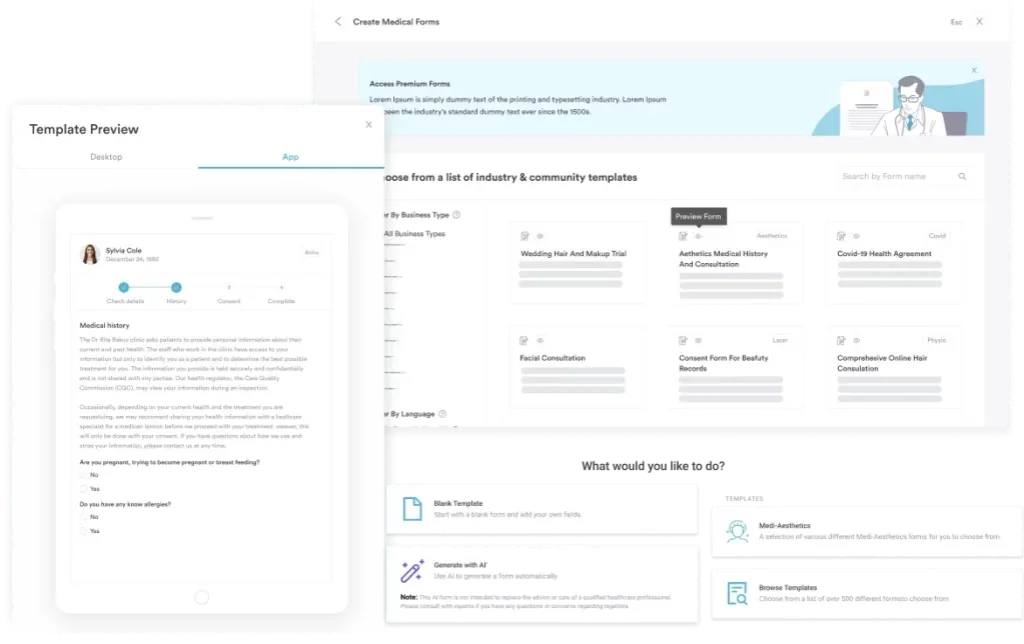
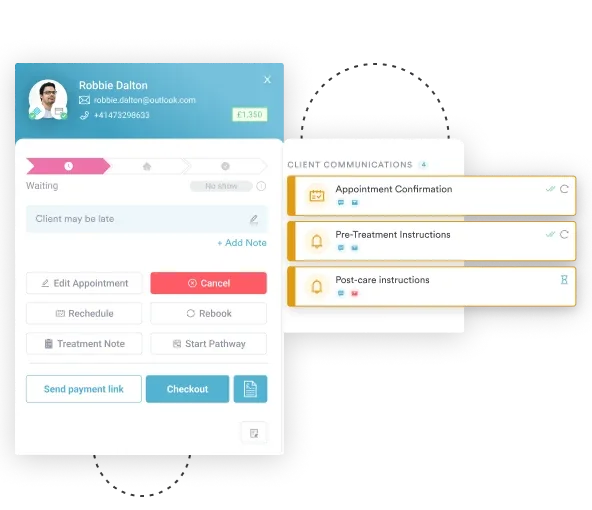
Psychology practice software like Pabau moves that loop into the client record instead. You build the sheet once as a digital form and send it to the portal with a note about why it matters. Completions show on your dashboard before the client walks in.
The result is a worksheet you can treat as clinical data rather than a handout. Here is what that looks like in practice:
Every Pabau subscription includes all of this, so worksheet delivery is not something you add on later. It matters most at scale. A caseload of 30 clients on weekly homework is unmanageable on paper, and manageable when the tracking runs itself.

Pabau’s digital forms, client portal, and automated reminders deliver procrastination worksheets, track who completed them, and file the responses against the client record. Your debrief starts with the data already in front of you.

The worksheet does not do the work. What shifts a client’s behavior is the loop of assigning one sheet, reading what comes back, and choosing the next one from what you learned.
So target a single driver first rather than sending the whole pack home in week one. One completed thought record tells you more than five untouched worksheets, and it gives the client a win they can feel.
If the part that breaks down is chasing homework, that is an admin problem worth fixing. Book a demo to see how Pabau delivers worksheets, tracks completion, and files responses against the client record.

Need to test a perfectionistic prediction? The behavioral experiment worksheet gives clients a structured way to find out what actually happens when the work is imperfect.
Want the CBT model on one page? The CBT cheat sheet sets out the distortions and techniques you reach for during a worksheet debrief.
Working with adult ADHD? The ADHD planner handles the task sequencing that executive function difficulties make so much harder.
Need the goal defined before the plan? The goal setting worksheets turn a vague intention into something specific enough to schedule.
Is the client still ambivalent? The change plan worksheet builds commitment before you assign any behavioral homework.
They help clinicians and clients see what drives a delay, including the trigger, the automatic thought, and the anxiety underneath it. They then guide behavioral alternatives such as task breakdown and timed scheduling. Each sheet works as an assessment tool and an intervention at once.
CBT worksheets target the thoughts and beliefs that fuel avoidance. Thought records expose perfectionism and catastrophizing. Cycle maps show how short-term relief rewards the delay. Trigger sheets name the specific anxiety involved. Once the pattern is visible, you can challenge the thought and practice an alternative.
Effectiveness depends on how the worksheet is used, not on what it cost. A free, evidence-based sheet works well inside a full treatment plan. Outcomes improve when a clinician assigns homework, debriefs the responses, and adjusts the next assignment. Handing out sheets without follow-up achieves much less.
Start with a thought record, because perfectionistic delay is held in place by beliefs about flawless work. Follow it with a behavioral experiment, so the client can test what happens when the work is merely good enough. A values worksheet then asks whether perfectionism serves anything they care about.
They assign a sheet as between-session homework, usually in the session where procrastination becomes a treatment target. The client completes it privately, often with a reminder from the practice portal, and returns it before the next appointment. The clinician reads the responses to refine the target and track progress.
The cycle runs from task trigger, to anxiety spike, to avoidance, to immediate relief, to guilt, and back again. It breaks wherever the client interrupts one link. Tolerating the anxiety, scheduling action despite the discomfort, and challenging the belief underneath all work. Worksheets make each step visible so the client can choose.
Yes. Working through them in a group normalizes the experience and surfaces the triggers members share. Trigger identification, cycle mapping, and action planning all suit a group format, because peer feedback speeds up insight and commitment.