Patient follow up letter template
A patient follow up letter template lets your practice confirm a patient’s...

2
Last Updated: Oct 21, 2026

Dialectical thinking means holding two opposing truths at once and finding a balanced synthesis. It is a core DBT skill.
The central dialectic in DBT is acceptance and change. You validate where the client is while still working toward progress.
The free worksheet moves through five steps: the trigger, the two opposing thoughts, the synthesis, and a plan for the week.
Practice management software like Pabau keeps completed worksheets in the client record, so dialectical work carries across sessions.
A ready-to-use worksheet with space for the trigger, both opposing thoughts, a synthesis statement, and integration prompts for the week ahead. It works in individual sessions, group DBT, and with both adolescents and adults.
Download templateDialectical thinking is one of the most useful skills a client can take out of mental health therapy. A dialectical thinking worksheet gives you a structured way to teach it, turning an abstract idea into an exercise you can work through together.
This guide covers what the skill is, how to run the worksheet in session, and why it helps clients stuck in black-and-white thinking. The free PDF above is ready to print or share, so you can use it in your next appointment.
Dialectical thinking is the ability to hold two seemingly opposing truths at the same time and accept that both can be valid. It is the counterweight to all-or-nothing thinking, which treats every idea as either completely right or completely wrong.
In practice, that means recognizing a client can be doing their best AND still need to do better. Or that they feel furious AND want to repair the relationship. The worksheet is where that shift from polarized to balanced gets rehearsed.
Dr. Marsha Linehan developed Dialectical Behavior Therapy (DBT) at the University of Washington. She grounded it in dialectics, the philosophical integration of opposites. The core dialectic is acceptance and change, and it runs underneath all four skill modules.
That balance protects both sides of the room. Without it, therapy slides into validation traps, where problems are accepted but no skills get built. It can also slide the other way, into pushing for progress without acknowledging how hard the present feels.
The four modules are mindfulness, distress tolerance, emotion regulation, and interpersonal effectiveness. Each one leans on dialectical thinking. A client who practices it is building the cognitive flexibility that every module asks for, which is why the exercise pays off early in treatment.
Concrete examples help clients grasp the pattern before they fill anything in. Read two or three aloud and most people find their own version quickly. Here are four scenarios where a polarized statement turns into a balanced one:
Examples like these show clients that the exercise never asks them to deny an emotion. It asks them to widen the frame until the picture is complete. Pairing the worksheet with a DBT diary card makes the practice easier to track between sessions.
The worksheet guides clients through five short steps. Introduce it mid-session, complete it together the first time, then assign it as homework once the client has the hang of it.
Many therapists record the completed sheet in the client’s chart using digital intake forms. That builds a searchable history of dialectical work, so you can see how the client’s synthesis statements change over a course of treatment.
Working the exercise weekly produces changes you can see in session notes. It helps clients regulate emotion, repair relationships, and stay engaged in treatment. It also eases the pressure that contributes to therapist burnout, because sessions stop circling the same argument.
The template is built to flex across settings. Use it in individual psychotherapy, in group therapy, or as standalone homework for clients building the skill between appointments.
Who benefits: adults and adolescents from age 12 working on emotion regulation, interpersonal effectiveness, or cognitive flexibility. Clients with borderline personality disorder, depression, anxiety, PTSD, or ongoing conflict all tend to respond well.
The audience is broad on your side of the room too. Therapists, counselors, and clinical psychologists use it across private practice, community mental health, and integrated care. Speech-language pathologists, occupational therapists, and coaches working on emotional regulation use the same framework.
How to introduce it: download the PDF and print it or save it digitally. Reach for it the moment a client gets stuck in a polarized statement. Walk the five steps together, then assign a follow-up reflection for the week.
The skill works directly against several cognitive distortions that keep emotional dysregulation running. Naming that link helps you place the exercise inside a wider cognitive-behavioral plan, alongside tools like a negative self-talk worksheet.
Transform enough of these statements and the habit sticks. Clients start catching the absolute version themselves, usually before it has hardened into a mood. A counseling theories chart is a useful reference if you are teaching the framework to supervisees.
Recording a client’s responses turns one exercise into a treatment trail. It supports clinical continuity, and it gives you something concrete to show in supervision or an audit. Following safer clinical notes practice keeps that record useful and HIPAA-secure.
Store completed sheets against the client’s file, link them to the matching session note, and review them at intervals. The same principle applies to intake documents such as a psychiatric evaluation template, which sets the baseline the dialectical work builds on.
In most practices, a completed worksheet ends up in a paper file or a scanned PDF on a shared drive. Nobody looks at it again. When the client repeats the same polarized thought six weeks later, there is nothing to compare it against.
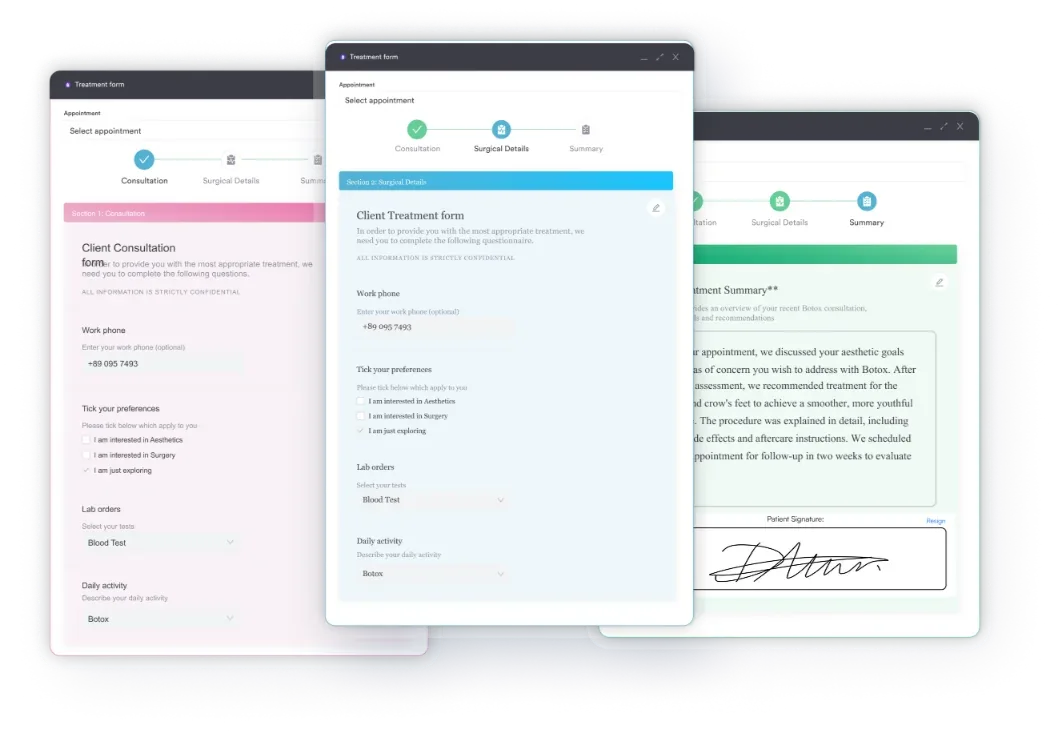
Practice management software like Pabau handles that differently. You rebuild the worksheet once as a digital form and send it to the client portal. The answers save straight to the client record. Progress becomes something you can read back.
Pabau Scribe, our AI scribe, writes up the session note from the conversation itself. That means the clinical documentation is finished before the client leaves, so your evening is not spent catching up on charting.
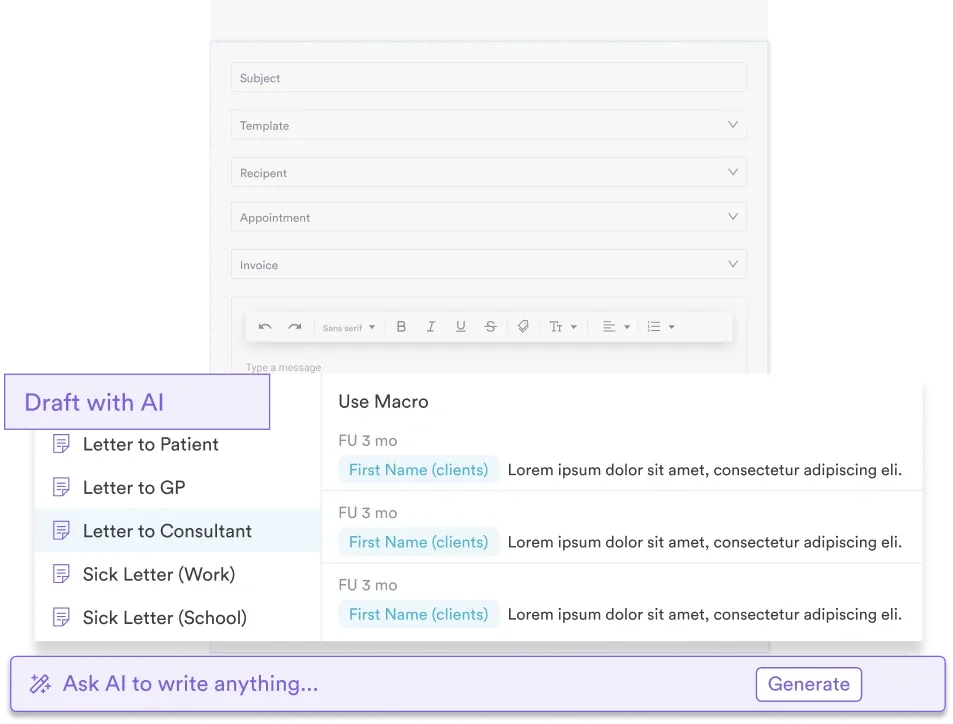

Pabau turns your worksheets into digital forms, saves client answers straight to the chart, and drafts the session note for you. Your DBT work stays documented without extra admin after hours.

The value of this exercise is not in the sheet itself. It is in how often a client reaches for the pattern once they know it exists. Print a stack, keep them in the room, and use one the next time a session hits an absolute statement.
Expect the first attempt to feel clumsy. Clients often resist the synthesis step, because it asks them to hold a thought they have spent years arguing against. That resistance is the work, not a sign the exercise is failing.
Download the template, run it in your next session, and keep the completed sheets somewhere you will actually revisit them. Book a demo to see how Pabau documents therapy sessions and client progress without adding to your evening admin.

Need a values exercise to pair with this one? Life values inventory helps clients name what they are working toward before weighing competing truths.
Working with a client whose anger runs the session? Clinical anger scale gives you a quick measure to track alongside dialectical practice.
Looking for the next skills handout? Self-control worksheet builds on the same distress tolerance a synthesis statement asks for.
Treating a client with panic symptoms? Panic disorder treatment sets out the evidence-based options and where skills training fits among them.
Need a follow-up for shame-based thinking? Self-esteem worksheet for adults works well once a client can hold two truths at once.
Dialectical thinking is the ability to hold two opposing truths at the same time. In DBT the core dialectic is acceptance and change: validating where the client is, while still working toward progress. That balance prevents both over-validation and change-focused burnout.
Use the five-step process on the worksheet. Identify the trigger, name the polarized thought, name the opposing truth, write a balanced synthesis statement, then agree how the client will use it. Repeat it weekly to build the habit.
One example is “I am doing my best AND I can still improve.” Another is “I feel angry AND I want to repair this relationship.” Each statement honors two valid truths instead of choosing between them.
Yes. Adolescents from age 12 respond well, especially those dealing with emotional dysregulation, peer conflict, or identity confusion. Clinicians usually simplify the language and use scenarios from school, friendships, and family to make the idea land.
Weekly is enough to build the habit. Start with one in session, then move to homework once the client understands the steps. Many therapists also ask clients to fill one in whenever they notice polarized thinking between appointments.
They are related but distinct. A CBT thought record challenges an automatic thought and gathers evidence against it. This exercise accepts the thought as valid while holding an opposing truth beside it, which comes from DBT philosophy. The two complement each other.