Therapeutic interventions list
A therapeutic interventions list is a structured reference of evidence-based tre...

Last Updated: Oct 13, 2026

A negative self-talk worksheet is a structured CBT tool that helps clients record negative thoughts, rate emotional intensity, gather evidence for and against the thought, and develop a balanced alternative perspective.
The worksheet targets automatic negative thoughts (ANTs) – involuntary thought patterns linked to low self-esteem, anxiety, and depression – making it essential for modern therapy practice.
Therapists use this worksheet to guide clients through cognitive restructuring in real time, turning abstract negative thinking into a tangible, step-by-step process.
Pabau allows therapists to attach completed worksheets to client records, share them via patient portal, and track progress over multiple sessions – integrating the worksheet into the full clinical workflow.
A ready-to-use clinical worksheet that guides clients through identifying negative thought patterns, rating emotional responses, evaluating evidence for and against the thought, and developing a more balanced alternative perspective.
Download templateNegative self-talk – the internal dialogue that undermines confidence and amplifies emotional distress – is one of the most treatable clinical concerns in therapy practice. A structured mental health practice management system makes it easy to deploy, track, and refine this evidence-based intervention across your caseload. This guide walks therapists and mental health professionals through the negative self-talk worksheet, explains the CBT mechanisms behind it, and shows how to integrate it into session workflow.
Negative self-talk is a stream of involuntary, self-directed critical thoughts that clients experience as real, powerful, and often unquestionable. Unlike passing worries, negative self-talk runs continuously – a background commentary that shapes mood, confidence, and behavioral choices throughout the day.
The clinical significance is clear: research confirms that negative self-talk correlates strongly with depression, anxiety, and low self-esteem. When a client believes “I’m not good enough,” “I always fail,” or “Nobody likes me,” that internal narrative drives avoidance, social withdrawal, and reduced help-seeking – exactly the behaviors that maintain clinical symptoms and slow recovery.
Cognitive-behavioral therapy (CBT) targets negative self-talk directly. By making the internal dialogue visible (through a worksheet), testing its accuracy (via evidence gathering), and generating alternatives (cognitive restructuring), therapists help clients interrupt the cycle and build more balanced, adaptive thinking patterns. That is why the negative self-talk worksheet is a cornerstone of modern therapy.
Recognising negative self-talk patterns helps therapists identify the specific distorted thinking affecting each client. The examples below map onto cognitive distortions – systematic errors in reasoning that maintain psychological distress.
The negative self-talk worksheet follows a five-step structure aligned with CBT methodology. Each section builds on the previous one, moving from awareness to action.
The power of the worksheet lies in its structure. By breaking the thought-emotion cycle into discrete, manageable steps, the client moves from “I feel bad, so my thoughts must be true” to “I can test my thoughts and find a different way to think about this.”
Automatic negative thoughts (ANTs) are the involuntary thought patterns central to CBT theory. Unlike deliberate reasoning, ANTs arise spontaneously – often without conscious awareness – in response to situations.
The ANT concept comes from Aaron Beck’s cognitive model, which shows that thoughts, emotions, and behaviors form a feedback loop. A triggering event activates an automatic thought (usually learned from past experience or repeated self-criticism), which generates an emotional response, which then reinforces the original thought. The negative self-talk worksheet breaks this loop by inserting evidence-testing between the thought and the emotional acceptance. A cognitive triangle worksheet maps those three points visually, which makes the loop easier to explain during a session.
Helping a client recognise their ANTs, name them, and challenge them is the core therapeutic work. The worksheet is the tool that makes this work systematic and measurable.
Cognitive restructuring is the foundational CBT technique embedded in the worksheet. It consists of identifying a distorted thought, evaluating its accuracy, and replacing it with a more balanced alternative.
The evidence-gathering step is critical. Instead of simply telling a client “your thought is wrong,” cognitive restructuring asks “What is the actual evidence?” This Socratic approach respects the client’s intelligence and builds conviction through discovery rather than debate. Clients often surprise themselves by uncovering how much evidence contradicts their negative belief.
The ultimate goal is not to replace all negative thoughts with forced positivity, but to develop realistic, balanced self-talk that acknowledges challenges while maintaining hope and self-compassion.
Repeated use of the negative self-talk worksheet strengthens metacognitive awareness – the ability to observe and question one’s own thoughts. After several completed worksheets, many clients begin to automatically catch distorted thinking in the moment and spontaneously apply the evidence-evaluation technique without the paper. Some therapists pair the worksheet with a goal attainment scale so that improvement in self-talk is scored against agreed targets rather than estimated.
This is where patient engagement in therapy deepens. Clients feel heard, understood, and empowered because they are learning a skill they can use forever, not dependent on the therapist’s constant input.
The same reframing technique carries over to everyday speech outside the session. A reactive language audit pairs a helpless phrase such as “I can’t” with a proactive rewrite like “I choose”.
The negative self-talk worksheet works best when introduced early in treatment and used consistently. Here is how to deploy it clinically:
Attach completed worksheets to the client’s client record in your practice management system. This creates a visible history of the client’s thought patterns and progress, making it easy to spot trends and celebrate growth over time.
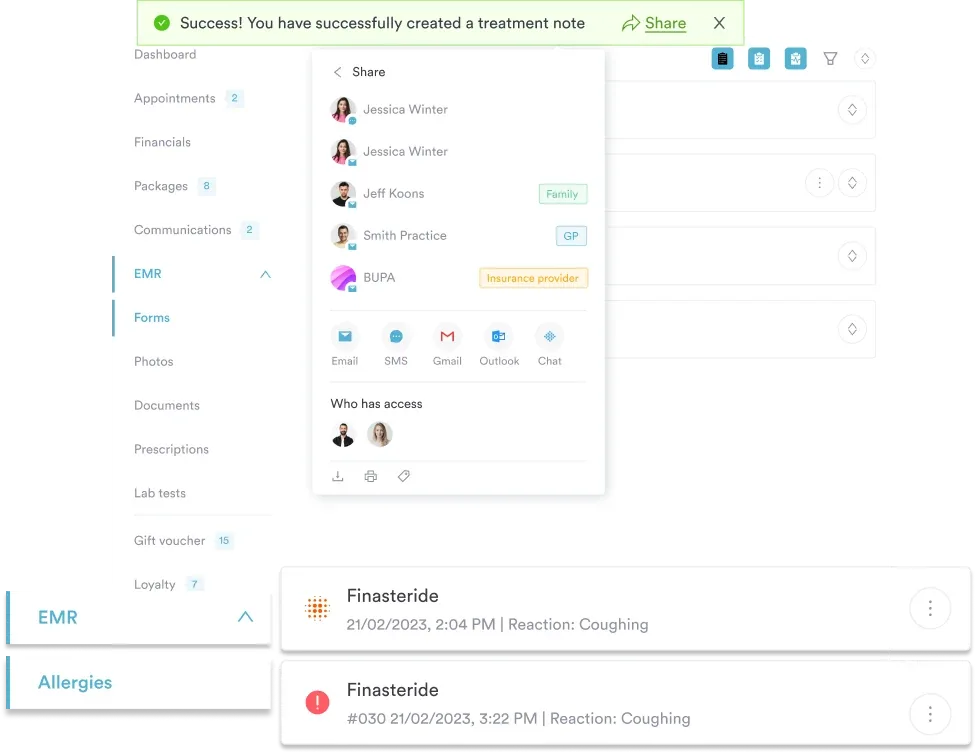
Most therapy practices have a gap: the worksheet exists on paper, gets filed (or lost), and never connects to the broader clinical workflow. Pabau bridges this gap.
Once you download the negative self-talk worksheet, you can add it to your Pabau template library. Therapists can then generate a blank copy for each client directly from the appointment notes or client record. Completed worksheets can be uploaded and attached to session notes, creating a continuous record of the client’s cognitive work.
The client portal in Pabau allows you to share the blank worksheet securely with clients before a session, or share completed worksheets (with the client’s consent) as part of aftercare. This transforms the worksheet from a one-off tool into part of a unified therapeutic workflow that keeps clients engaged between sessions.
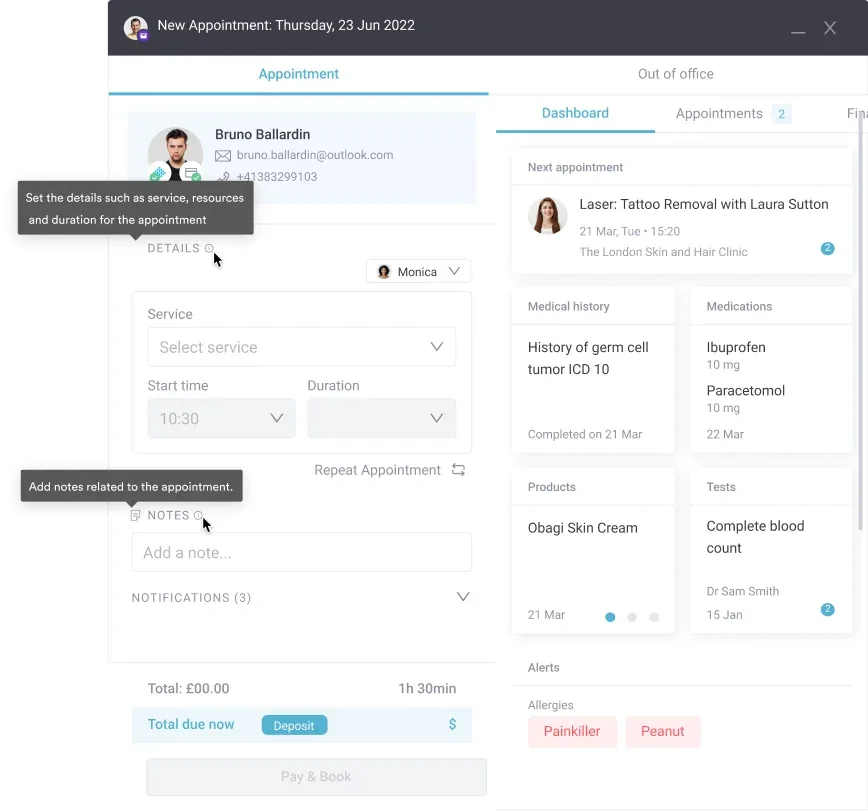
Additionally, Pabau’s AI-powered clinical documentation can help therapists summarise session progress and automatically flag patterns in the worksheets completed across the caseload – surfacing insights about which cognitive distortions are most common or which clients are making the fastest progress.
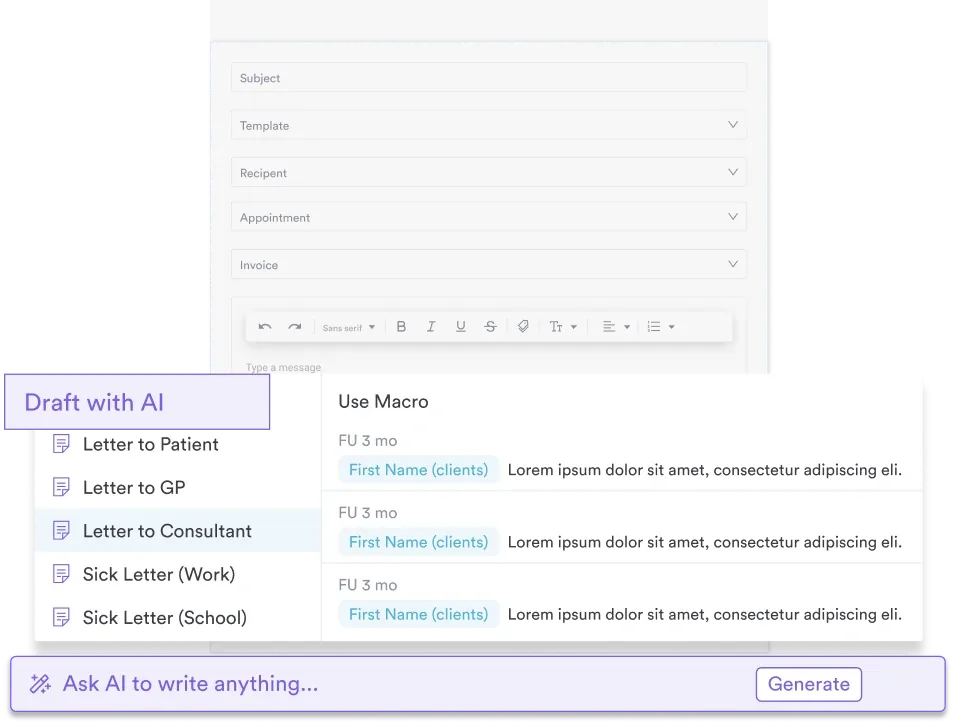

Manage worksheets, client records, and session notes in one secure platform. Schedule a demo to see how Pabau handles the clinical and administrative side of therapy.

The negative self-talk worksheet is one of the most practical, evidence-based tools in a therapist’s toolkit. By guiding clients through identifying automatic thoughts, gathering evidence, and developing balanced alternatives, this simple template delivers the core mechanism of cognitive-behavioral therapy in a tangible, repeatable format.
Download the free PDF and integrate it into your practice. Whether you’re using pen and paper or managing worksheets digitally through therapy practice management software, consistent use of the negative self-talk worksheet will deepen your clients’ insight, accelerate their progress, and give them a skill they carry for life. Pair it with therapy consent workflows and digital intake forms to create a fully integrated clinical workflow that supports both you and your clients.

Need a complete psychiatric evaluation framework? Psychiatric Evaluation Template This guide walks through every component of a comprehensive psychiatric evaluation, from patient intake onward.
Worried about your own burnout risk? Therapist Burnout Prevention Guide It covers the signs, causes, and practical ways to prevent and recover from burnout.
Want to deepen your group therapy consent process? Group therapy informed consent covers confidentiality limits, group rules, and the boundaries clients need to understand.
Negative self-talk is involuntary, critical internal dialogue that clients experience as real and unquestionable. It directly reinforces depression, anxiety, and low self-esteem by shaping mood, confidence, and behavior. When a client believes “I always fail” or “Nobody likes me,” that narrative drives avoidance and withdrawal, perpetuating the very problems therapy aims to resolve.
CBT challenges negative thoughts through cognitive restructuring: identify the automatic thought, gather evidence for and against it, and develop a balanced alternative that incorporates all available evidence. The negative self-talk worksheet makes this process visible and systematic, replacing the vague “think positive” advice with a structured, testable method.
ANTs are involuntary thought patterns that arise spontaneously in response to situations, usually learned from past experience or repeated self-criticism. They feel like facts and occur without conscious effort. The power of the negative self-talk worksheet is that it helps clients recognise ANTs are just thoughts – not truths – and therefore modifiable through practice.
Introduce the worksheet in early sessions after establishing rapport. Model one example together, then assign homework asking clients to complete worksheets on real negative thoughts between sessions. Review completed worksheets in follow-up sessions, focusing especially on the evidence-gathering step where the real therapeutic work happens.
Common patterns include all-or-nothing thinking (“one mistake means I’m a failure”), catastrophising (“my boss was quiet, so I’m getting fired”), overgeneralisation (“rejected once, so always alone”), mind-reading (“everyone thinks I’m awkward”), and should statements (“I should be perfect”). Recognising these distortions helps therapists target the specific thought pattern affecting each client.
Rather than forcing positivity, CBT reframes toward realism and balance. Using the evidence-evaluation step in the worksheet, clients discover facts that contradict the negative thought, then generate a balanced alternative that acknowledges challenges while maintaining hope. This is more powerful than affirmations alone because the client discovers the reframe themselves.
Yes. The negative self-talk worksheet available above is free and printable. You can download the PDF, print as many copies as needed for your clients, and use it immediately in sessions. Many therapists also integrate the digital version into secure client portals for homework delivery and progress tracking.
The primary distortions underlying negative self-talk are all-or-nothing thinking, catastrophising, overgeneralisation, mind-reading, should statements, minimisation of positive evidence, and emotional reasoning (treating feelings as facts). The negative self-talk worksheet helps clients identify which distortion pattern they fall into most frequently.