Low body fat percentage diet plan
A low body fat percentage diet plan is a structured nutritional framework design...

1
Last Updated: Sep 28, 2026
The Hell’s Itch pain scale is a numeric rating system that quantifies the severity of hell’s itch-an intense, unrelenting itch that typically appears 12-72 hours after a severe sunburn, especially across the upper back and shoulders. Unlike standard sunburn discomfort, Hell’s Itch is reported by patients to rival or exceed the pain of broken bones, severe dental work, or acute neuropathic episodes, making standard pain measurement tools essential for clinicians assessing patient suffering and response to treatment.
Most Hell’s Itch sufferers describe the sensation as a deep, throbbing itch that cannot be relieved by scratching-in fact, scratching often intensifies it. Understanding where Hell’s Itch falls on a formal pain scale helps clinicians validate patient experience, justify intervention escalation, and track treatment efficacy over the typical 24-48 hour duration of the condition.
This guide covers the Hell’s Itch pain scale, the neuroscience that explains why itch can be as debilitating as pain, downloadable severity-tracking templates, and evidence-based relief strategies. Whether you run a dermatology clinic, urgent care, or primary care practice treating summer sunburn cases, a structured pain scale ensures consistent documentation and guides your clinical response.

Hell’s Itch is a distinct sunburn-related pruritus (deep itch) that occurs 12-72 hours post-sunburn and typically resolves within 24-48 hours; it is NOT ordinary sunburn discomfort and warrants clinical assessment.
On a 1-10 numeric pain scale (NRS), Hell’s Itch commonly rates 8-10, comparable to broken bones, cracked teeth, or shingles pain according to patient-reported benchmarks.
The underlying mechanism is nerve sensitisation and histamine release triggered by UVB damage; itch and pain travel overlapping but distinct neural pathways, which explains why standard analgesics alone may not relieve it.
Clinicians can use a downloadable Hell’s Itch pain scale template to track severity, response to topical anaesthetics or antihistamines, and escalation triggers warranting dermatology referral or prescription-strength relief.
A ready-to-use severity tracking template covering pain intensity rating, itch quality descriptors, location mapping, escalation red flags, and review checkpoints. Designed for clinics managing acute sunburn cases and assessing patient suffering objectively over time.
Download templateA Hell’s Itch pain scale is a structured clinical tool that quantifies the severity and impact of hell’s itch using a numeric rating system, typically 1-10 (the Numeric Rating Scale, or NRS). The scale captures pain intensity, itch quality (burning, throbbing, stabbing), location on the body, duration, and response to initial treatment-allowing clinicians to document baseline severity, track changes over hours, and justify escalation to prescription antihistamines or topical anaesthetics.
Unlike generic “how much does it hurt?” pain scales, a Hell’s Itch-specific template acknowledges that itch and pain are distinct sensations processed by the nervous system, yet often overlap in severity and disabling impact. A patient with a score of 9/10 on a standard pain scale may be minimised if clinicians do not understand that hell’s itch itch is neurologically painful-it does not respond to distraction or position change, and scratching provides only momentary relief before intensifying the underlying sensation.
The downloadable template guides clinicians through structured documentation in five steps:
This structure ensures your clinical notes are complete, comparable across patients and time points, and defensible if a patient escalates or requires referral to dermatology.
Clinics in warm, sunny regions see seasonal surges in Hell’s Itch cases. Dermatology practices encounter it year-round but especially in summer. Primary care clinics, urgent care centres, and occupational health services treating outdoor workers benefit from a standardised template.
Nursing teams managing post-procedure sunburn (e.g. after peels, laser, or outdoor counselling) use the scale to triage severity and recommend home care or referral. Telemedicine providers assessing sunburn severity via video also use the NRS component to qualify patients for next-day follow-up or prescription relief.
Objective documentation: A numeric score removes ambiguity. “Severe itch” means different things to different clinicians; “8/10 on the Hell’s Itch pain scale with throbbing quality and impact on sleep” is specific and auditable.
Defensible escalation: If a patient requires prescription antihistamines or corticosteroids, the baseline score and escalation triggers documented in the template justify the intervention in your clinical record.
Treatment tracking: By reassessing the patient at 4 and 8 hours post-intervention, you can measure efficacy objectively and adjust therapy if the score is not declining appropriately. This is valuable for research and quality improvement in summer sunburn management.
Compliance and medico-legal clarity: A completed template demonstrates that you assessed the patient’s suffering, offered evidence-based relief, and monitored response-essential documentation if the patient later disputes care or develops complications.
Use the template’s ‘Quality’ section to educate patients on the distinction between burning (heat sensation) and itch (neural misfiring). Many patients believe scratching will help, not realizing it worsens the underlying nerve sensitisation. Documenting this in the template creates an opportunity to counsel patients on cold compresses and topical anaesthetics as alternatives to scratching.
Community reports on r/HellsItch and dermatology forums consistently place Hell’s Itch severity at 8-10 on a 1-10 numeric pain scale, with many sufferers comparing it to broken bones, severe dental pain, or shingles. Clinical literature on pruritus confirms that itch-related suffering can equal or exceed nociceptive pain in disabling impact, yet many analgesics (acetaminophen, ibuprofen) provide only partial relief.
The reason: itch travels distinct neural pathways from pain, though both can activate the somatosensory cortex. Standard NSAIDs dampen inflammation but do not block the itching sensation itself, which is why antihistamines (blocking histamine release from mast cells) or topical anaesthetics (numbing the affected skin) are the mainstay treatments for Hell’s Itch specifically.
Clinically and neurologically, itch is distinct from pain but they overlap significantly. Pain is a somatosensory alarm that triggers withdrawal and protection. Itch, or pruritus, is also a protective sensation but one that triggers a different motor response: scratching.
Both travel via C-fibre nerves and activate the thalamus and sensory cortex, but they recruit different spinal interneurons and motor pathways. This is why a person in severe pain may lie still, while a person with severe itch is compelled to scratch-two incompatible motor commands firing from the same sensory input.
In Hell’s Itch, the intense itch IS experienced as painful because the underlying nerve sensitisation (from UVB-induced inflammation and histamine release) is severe enough to cross the itch-pain boundary. Patients describe it as “white-hot” or “burning itch”-language that blurs the two sensations. This is why standard pain rating scales underestimate hell’s itch severity; a patient rating it 9/10 is describing itch-that-feels-like-pain, not traditional nociceptive pain.
Hell’s Itch typically begins 12-72 hours after sunburn exposure and lasts 24-48 hours from onset. Most patients recover completely within 48 hours with minimal intervention; however, a minority report it persisting up to 72 hours or requiring prescription antihistamines to achieve sleep.
The timeline aligns with histamine release kinetics: peak histamine discharge occurs 24-36 hours post-injury, matching peak itch intensity. Once the inflammatory cascade subsides-roughly 48 hours-itch relief is rapid and often complete.
Effective approaches: Cold compresses (not ice), topical anaesthetics (benzocaine 10%), non-sedating antihistamines (cetirizine, loratadine), and-for severe cases-prescription antihistamines (doxepin 5-10 mg at night) or mild topical corticosteroids (hydrocortisone 1%). Oral analgesics (ibuprofen, acetaminophen) provide partial systemic relief by reducing inflammation.
Ineffective or harmful: Scratching (worsens sensitisation), heat (intensifies itch), hot showers (same problem), and alcohol-based aftercare products (drying, irritating). Aloe vera alone is insufficient; combining aloe with a topical anaesthetic is more effective.
A benzocaine-based study (ResearchGate, peer-reviewed) showed 10% benzocaine cream reduced itch-related pain significantly within 15 minutes, with effect lasting 3-4 hours. For this reason, clinical documentation of which relief methods the patient has already tried informs your next recommendation and prevents redundant interventions.
Red-flag symptoms warranting urgent assessment or referral include: pustules, weeping, or signs of secondary infection (increasing warmth, swelling, purulent drainage); fever or systemic symptoms (chills, malaise); inability to sleep despite home remedies; or pain intensity that climbs above 9/10 or is accompanied by blistering beyond the initial sunburn.
If Hell’s Itch persists beyond 72 hours or worsens after 48 hours despite topical anaesthetics, referral to a dermatologist for evaluation of infection or alternative diagnosis (e.g. contact dermatitis, heat rash) is appropriate. Your structured patient record template makes this referral decision defensible and easily communicated to specialists.
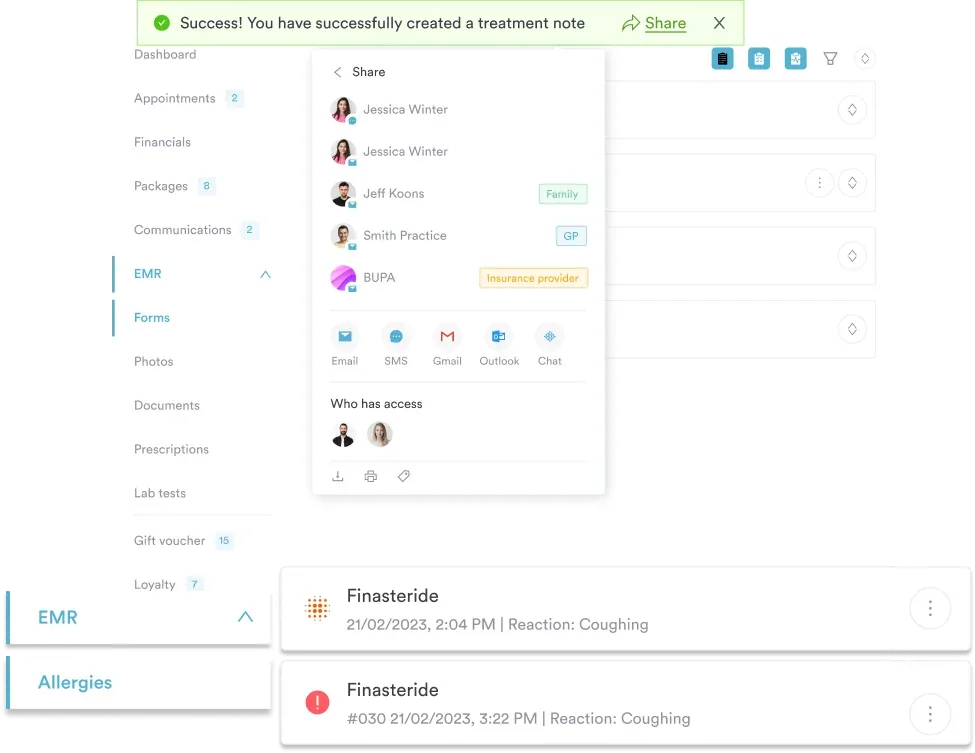
For telemedicine or primary care settings, a Hell’s Itch pain scale score of 8+, combined with functional impact (sleep loss, work disruption), justifies consideration of doxepin or a dermatology consultation rather than reassurance alone.

Use Pabau’s structured clinical templates and patient records to document severity, track treatment response, and coordinate referrals seamlessly.

Exact epidemiological data on Hell’s Itch prevalence is sparse; most estimates come from dermatology case reports and community surveys. Reddit and dermatology forums suggest 10-15% of people who experience severe sunburn (blistering, systemic symptoms) develop hell’s itch, while milder sunburns rarely trigger it. This suggests a dose-response relationship: greater UVB damage increases the risk of severe itch-pain response.
Why some people are more susceptible remains unclear. Theories include individual variation in mast-cell responsiveness, skin microbiome differences, or genetic factors in inflammatory mediator release. Fair-skinned, light-haired individuals appear overrepresented in case reports, consistent with higher baseline sun sensitivity.
When taking a sunburn history, ask directly: ‘Did you experience an intense, deep itch that felt like burning?’ Many patients do not volunteer this because they assume it is normal. Proactive questioning reveals that Hell’s Itch is more common in your patient population than initial impression suggests, justifying routine use of the pain scale template for moderate-to-severe sunburn cases.
Hell’s Itch arises from a cascade triggered by UVB skin damage. Sunburn destroys epidermal cells and damages nerve endings, triggering mast cells to release histamine and other inflammatory mediators (cytokines, prostaglandins). This chemical flood sensitises C-fibres (itch-carrying nerves) and activates pain-sensing nociceptors simultaneously.
The timing (24-72 hours post-exposure) reflects the kinetics of inflammatory cytokine production: initial UVB damage triggers immediate mild itch, but peak histamine and cytokine release-responsible for the intensely bothersome phase-occurs 24-36 hours later. This delay is why someone who sunburns in the afternoon may feel fine that evening but wake the next morning with severe Hell’s Itch.
The upper back and shoulders are hot spots partly because those areas receive high, direct UV exposure and are anatomically predisposed to deep, poorly-innervated sunburn (unlike the face or forearms, which receive frequent sun and may have some protective melanin). The deeper the burn into the dermis, the more nerve sensitisation and the worse the itch.
Hell’s Itch is a distinct, severely disabling form of pruritus triggered by deep sunburn and peaking 24-36 hours post-exposure. Using a structured Hell’s Itch pain scale template enables clinicians to quantify severity objectively, track treatment response, and justify escalation to prescription antihistamines or dermatology referral when needed.
The downloadable template provided here covers pain intensity (1-10 NRS), itch quality, location, functional impact, and escalation triggers-everything a busy clinic needs to document Hell’s Itch cases comprehensively and defensibly.
Book a demo to see how Pabau’s structured clinical templates integrate into patient records for seamless care coordination and compliance.

Want to track patient sunburn severity systematically? Patient care management frameworks help clinics standardise assessment and follow-up for summer sunburn surges.
Need a template for dermatology consults and intake? Digital forms for clinics automate sunburn history, severity, and relief attempts directly into the patient record.
Looking to improve compliance documentation? Data protection best practices for healthcare ensure your pain scale assessments and patient records are secure and audit-ready.
Hell’s Itch typically rates 8-10 on a numeric pain scale (NRS), with most patients comparing it to broken bones, cracked teeth, or severe dental pain. Some describe it as exceeding labour pain or shingles pain. The key difference: hell’s itch is an itch-sensation that IS experienced as painful due to underlying nerve sensitisation.
Hell’s Itch typically lasts 24-48 hours from onset, with most patients reporting symptom resolution by 48 hours. However, onset can occur 12-72 hours post-sunburn, and in rare cases itch persists or requires medication to manage sleep disruption. Duration correlates with sunburn depth and individual inflammatory response.
Itch and pain are distinct sensations processed by different neural pathways and motor responses-pain triggers withdrawal, itch triggers scratching. However, they share overlapping neural circuitry (C-fibres, thalamus, sensory cortex) and can occur simultaneously. In Hell’s Itch, the severity of nerve sensitisation is high enough that the sensation crosses the itch-pain boundary, and patients experience itch as painful.
Hell’s Itch is caused by UVB-induced skin damage triggering mast-cell histamine release and nerve sensitisation. Peak histamine discharge occurs 24-36 hours post-exposure, coinciding with peak itch intensity. The condition is most severe in deep sunburns affecting the dermis and is most common on the upper back and shoulders.
Topical anaesthetics (benzocaine 10%) and cold compresses provide rapid but temporary relief (15-60 minutes). For sustained relief, non-sedating antihistamines (cetirizine, loratadine) or topical corticosteroids (hydrocortisone 1%) are effective. Severe cases warrant prescription antihistamines (doxepin 5-10 mg at night). Scratching worsens the itch and should be actively discouraged.
Exact prevalence is unknown, but community data and dermatology cases suggest 10-15% of people who experience severe, blistering sunburn develop Hell’s Itch. Milder sunburns rarely trigger it. Fair-skinned individuals appear overrepresented, and the condition is more common in warm, sunny regions with seasonal UV exposure patterns.