Journal prompts for mental health
Journal prompts for mental health are guided questions that help people process ...

2
Last Updated: Oct 13, 2026

The cognitive triangle worksheet is a CBT tool that maps how a client’s thoughts, feelings, and behaviors reinforce each other.
Therapists use it to surface automatic thoughts and show clients how changing one part of the pattern shifts the other two.
It works for anxiety, depression, and other conditions, with simplified versions for children and teens.
Practice management software like Pabau lets you attach completed worksheets to client records and track progress alongside session notes.
A ready-to-use worksheet with labeled fields for the situation, thoughts, behaviors, and emotions involved, plus two reflection questions that help clients connect the pattern and think through what they’d do differently next time.
Download templateA client says the week was fine, then mentions they’ve canceled two plans and barely left the house. Ask what was going through their mind right before, and the real story usually surfaces: a thought triggered a feeling, and that feeling drove the behavior they just called fine.
The cognitive triangle worksheet turns that chain into something a client can see on paper, the thought, the feeling it produced, and the behavior that followed, so they can spot exactly where to interrupt it.
That single sheet does more work than its size suggests. It teaches the CBT model, gives the client ownership of it from the first session.
A cognitive triangle worksheet is a visual therapeutic tool rooted in Aaron Beck’s cognitive model of depression and anxiety. The “triangle” in the name refers to the three-way relationship it maps: thoughts (automatic, often unconscious ideas), feelings (emotional responses), and behaviors (the actions that follow), each one able to shift the other two.
Change the thought, and the feeling and behavior often move with it; change the behavior, and the thought can follow.
The worksheet itself uses a straightforward layout rather than a literal triangle diagram: labeled boxes for the situation, thoughts, behaviors, and emotions, followed by two reflection questions. You and the client fill in each box directly, there’s nothing to draw.
For example, a thought (“I’ll fail this presentation”) produces anxiety, which triggers avoidance (skipping preparation), which then reinforces the original anxious thought. The worksheet makes that cycle visible so clients can see exactly where to step in, whether that’s challenging the thought, sitting with the feeling, or changing the behavior.
The tool is evidence-based and taught widely in therapist training. It works because it’s both educational, it teaches the cognitive model, and practical, clients leave with a completed, personalized example. In session, it bridges assessment and intervention, and gives clients ownership of the work from the very first meeting.
Use the worksheet in session.
The cognitive triangle worksheet works best when it’s introduced early, right after a client describes a recent difficult moment or a pattern they keep noticing. Five steps take you through it:
Timing matters. Complete the worksheet within the first three sessions while motivation is high, then reference it as new situations come up. Some clients ask to keep their copy; others want to fill out a new one every month to track progress, and that repetition is valuable since each new example reinforces the model.
The cognitive triangle worksheet fits most therapy modalities and client populations:
The worksheet is language-agnostic and flexible. It works one-on-one, in couples or family therapy (mapping shared thought-feeling-behavior cycles), and in group settings, which makes it useful in an initial session where you want a client to understand your therapeutic framework right away.
Telehealth tools make it easy to review this resource with clients face to face online.
Psychoeducation and engagement. Clients understand how their mind works almost immediately. It isn’t an abstract lecture. They see their own pattern on paper, which builds buy-in for cognitive work and cuts the defensiveness that often comes with being told to think differently.
Structured documentation. Completed worksheets become part of the clinical record and show measurable shifts across sessions: earlier ones might reveal global, rigid thoughts, later ones more nuanced, flexible cognitions. That progression documents therapeutic progress for compliance reviews and supervision.
Intervention clarity. The worksheet doesn’t prescribe treatment. It reveals where intervention will land best. Some clients shift easily through thought-challenging; others need behavioral activation first, and the worksheet helps you and the client agree on the starting point.
Homework leverage. Clients take the worksheet home and fill out new examples between sessions. This bridges the 50-minute session and the rest of the week, and homework compliance and insight both improve when clients feel ownership of the tool.
Multi-setting adaptability. The worksheet works in individual, couple, family, and group therapy. It holds up across clinical presentations (anxiety, depression, trauma, relationship conflict) and age ranges, from adolescence through older adulthood.
Introduce the worksheet within the first session so clients feel the model’s relevance right away, waiting until session three or four risks losing clients before they understand your approach. Draw the triangle together on a whiteboard or notepad before you fill in the printed worksheet, the shared creation lands better than handing over a pre-filled template.
Each part of the cognitive triangle plays a specific role in maintaining psychological distress. Knowing the distinctions helps you guide clients through the worksheet with precision.
These are automatic ideas, the commentary running through a client’s mind before they consciously notice it. Aaron Beck called these “automatic thoughts” because they arise unbidden, often in milliseconds, and they feel true even when they’re distorted.
Examples: “I’m a failure,” “Nobody likes me,” “I’ll lose control,” “Something bad will happen.” On the worksheet, thoughts go in their own field. The goal is to help the client recognize them as thoughts, not facts, rather than eliminate them entirely.
These are the emotional responses to thoughts, the felt sensations: anxiety, sadness, shame, anger, guilt. Clients often arrive saying “I feel anxious” without recognizing the thought that triggered it. The worksheet makes that link explicit. Clients see that emotions aren’t random or permanent; they’re responses to ideas, which means they can shift once the thoughts shift.
These are what clients do in response to the thought-feeling combination: avoidance, reassurance-seeking, overworking, substance use, or simply not acting.
The worksheet reveals a key insight: behaviors often feel necessary in the moment, since avoiding something prevents anxiety, but they reinforce the original thought and block any chance to disprove it. Breaking the behavioral link is often the most efficient place to intervene.
In practice, all three feed each other. Changing the thought can shift the feeling and behavior; changing the behavior (behavioral activation, exposure) can challenge the thought and ease the feeling. Seeing these connections on paper also helps therapists pace their caseload, since not every session needs to attack all three fronts at once.
Situation: A client has a major presentation at a team meeting. Thought: “I’ll mess this up and they’ll think I’m incompetent.” Emotion: Anxiety (8/10), dread. Behavior: Over-prepares compulsively, arrives early to check the room multiple times, then speaks too quickly and avoids eye contact during the presentation.
The loop: The rushing and avoidance increase anxiety and signal to others that something’s wrong, which confirms the original thought. The completed worksheet shows the client that their preparation is fueling anxiety rather than managing it, so next time they prepare well, then trust it, and practice eye contact despite the urge to avoid.
Situation: A client hasn’t left the house in a week. Thought: “There’s no point in trying, nothing will get better.” Emotion: Hopelessness, fatigue, emptiness. Behavior: Stays in bed, skips showering, declines social invitations, watches TV passively.
The loop: The inactivity confirms the thought, nothing I do matters, and deepens the depression. The worksheet points the therapist toward behavioral activation as the intervention: small, scheduled activities that break the inactivity loop and can shift both mood and thought.
Clients completing these examples often have a moment of recognition: their protective behavior (avoidance, inactivity) is the problem, and recognizing that usually motivates the behavioral change that follows.
The cognitive triangle worksheet works for children aged 7 and up, and it’s highly effective with teenagers, but a few adaptations matter:
For teenagers, the worksheet also gets at identity and peer pressure: the thought “I’ll be judged if I don’t go to the party” produces social anxiety, triggers avoidance, deepens isolation, and hardens the belief “I don’t belong,” which drives more avoidance.
Teens can usually see how the cycle locks them out of social development, and that recognition often motivates them to break it.
School counselors and educational psychologists find this especially useful for tracking a student across school years. For younger or less verbal clients, pairing it with something like a color-your-feelings worksheet can make the Emotions field easier to complete before moving into the full triangle.
A handful of predictable mistakes account for most of the friction with this worksheet.
A short checklist before you hand the worksheet over catches most of this in advance:
Worksheets also work well as a progress marker. Have clients complete a new one monthly: earlier sheets tend to show global, rigid cognitions (“I’m a failure at everything”), later ones show conditional, specific thoughts (“I struggled with this presentation, but I handled the Q&A well”).
That progression is useful evidence of change, especially for clients who feel like they’re not improving.
Using a standardized structure. Attach completed worksheets to session notes so they’re there for continuity of care, supervision, and client review.

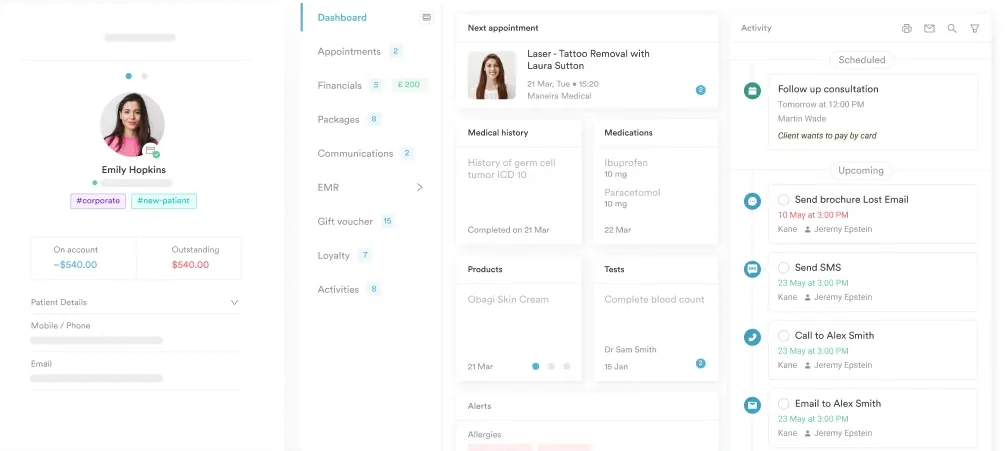
Pabau lets you attach completed cognitive triangle worksheets directly to client records, track progress across months, and manage all session notes in one secure place. See how therapists use Pabau to blend clinical tools with practice management.

Most free worksheet resources end at the PDF download. In real practice, completed worksheets need to become part of the clinical record, and that’s where Pabau helps: therapists can attach a completed cognitive triangle worksheet to the client’s file, timestamp it, and pull it up months later to compare progress or refresh the model during a new crisis.
The workflow is straightforward. After a session, upload the completed worksheet, photographed on a phone or scanned, using the document upload feature in the client record. Tag it with the session date and the therapeutic focus, for example “initial anxiety assessment, cognitive model introduction.”
When the client returns with a similar pattern, pull up the old worksheet and ask: remember how we mapped this last time? Let’s see what’s changed.
For CQC-registered practices in England, or HIS-registered practices in Scotland, timestamped worksheets sitting in the client record support audit readiness. They show you’re systematizing assessment and tracking outcomes rather than running sessions ad hoc.
Even without a formal inspection on the calendar, having the worksheet sit alongside intake forms, clinical notes, and treatment plans in one file makes documentation more consistent and speeds up onboarding for new clients.
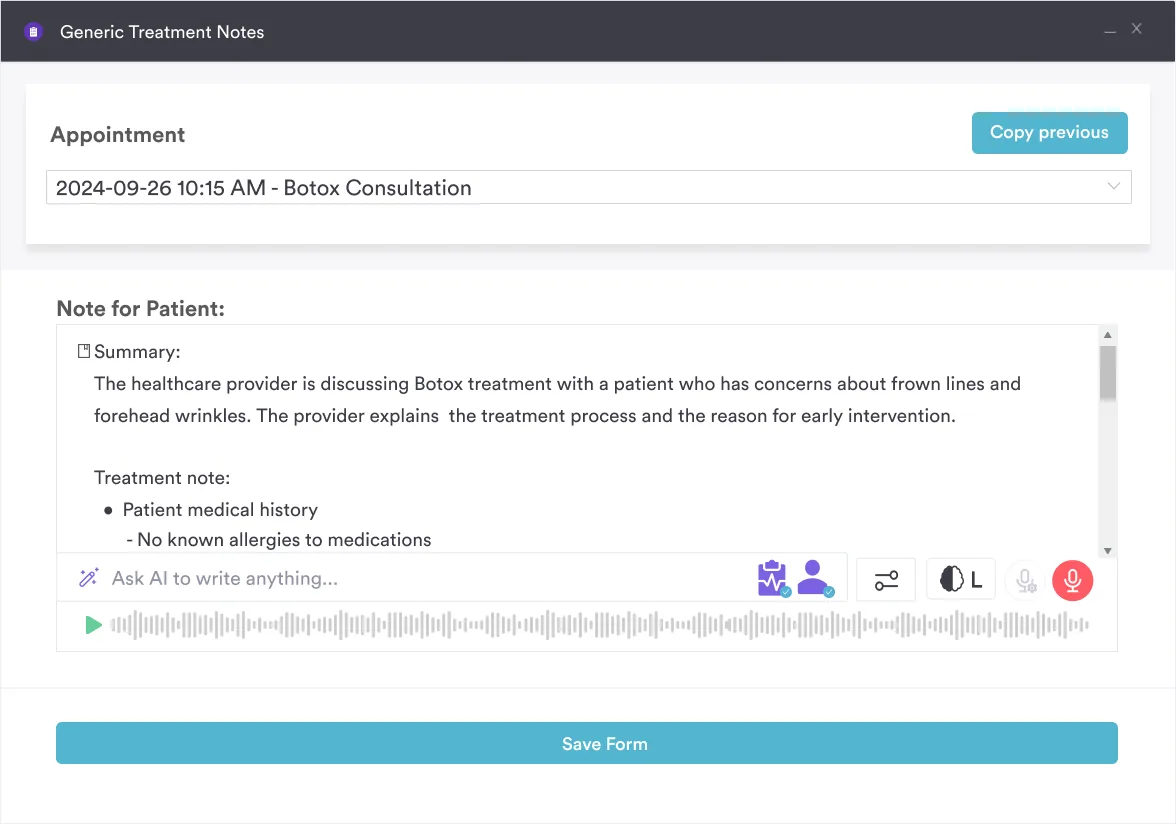
If your practice uses Echo AI, our AI scribe, for session documentation, a worksheet you’ve attached sits alongside the AI-generated notes in the same record, so anyone reviewing the file later sees the pattern and the note together instead of hunting across separate places.
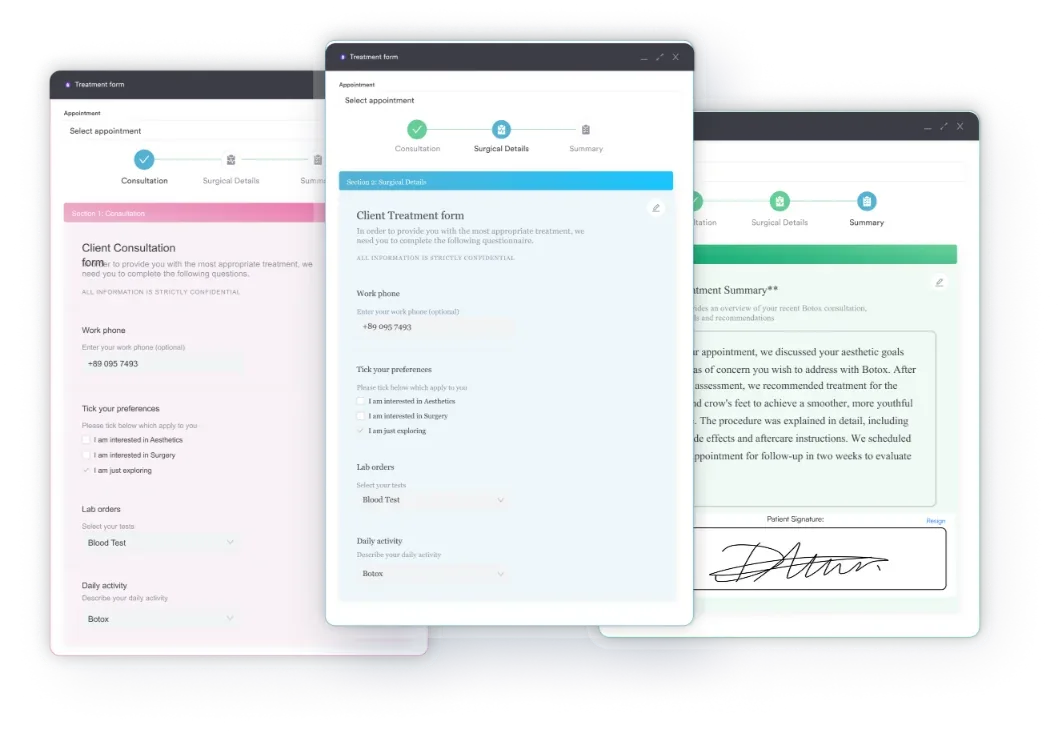
The cognitive triangle worksheet earns its place in a CBT toolkit because it does two things at once: it teaches the model, and it hands the client a page that proves they understand it.
A client who fills it out for a real, specific situation almost always recognizes the pattern immediately, and that recognition is usually where the actual therapeutic work starts.
Completed worksheets are only useful if you can find them again later. Practice management software like Pabau keeps every worksheet attached to the client’s file alongside session notes and intake forms, so a sheet from three months ago is one click away instead of buried in a drawer.
If your practice hasn’t yet settled on how it documents sessions and tracks client progress digitally, therapy practice management software is a natural next system to put in place.

Need a worksheet for the behavioral half of CBT? Behavioral activation worksheet helps depressed clients schedule small activities that interrupt the inactivity loop this triangle reveals.
Running therapy sessions in a group setting? Group therapy informed consent covers what to include, from confidentiality limits to group rules and boundaries.
Want a validated baseline before you start? The DASS-21 gives you a standardized depression-anxiety-stress screening result to compare against as the triangle work progresses.
Most clients complete a first pass in ten to fifteen minutes once they’ve picked a specific situation. Treat it as a guided conversation rather than a form to rush through, since the value comes from the discussion, not the finished page.
Yes, once they’ve done one with you first. Clients who try it solo before that sometimes mislabel a thought as a feeling, so a quick review together at the next session catches any confusion early.
No. Any therapist familiar with the basic thought-feeling-behavior model can run a client through it. Formal CBT training helps with complex or treatment-resistant cases, but the worksheet itself doesn’t require it.
The cognitive triad maps automatic thoughts about self, world, and future. The cognitive triangle is broader: it tracks how thoughts, feelings, and behaviors all influence each other. They’re related concepts, not interchangeable ones.
Thought records, behavioral activation schedules, and exposure hierarchies all build on what the triangle establishes. The triangle introduces the model; those worksheets go deeper on one specific intervention.