Mental health self-care checklist
A mental health self-care checklist is a structured daily tool for tracking the ...

6
Last Updated: Oct 20, 2026

A grounding worksheet gives clients sensory, physical, and cognitive techniques that pull them back to the present when distress takes over.
The 5-4-3-2-1 sensory countdown needs no props and usually settles acute anxiety within two to five minutes.
Cold exposure and paced breathing suit acute panic, while gentle body scans work better for dissociation and numbness.
Grounding sits inside DBT, CBT, somatic, and trauma-focused frameworks, so technique choice should follow the client’s presentation rather than habit.
Practice management software like Pabau lets therapists share the worksheet, store responses, and link them to the client record.
A ready-to-use clinical worksheet covering the 5-4-3-2-1 sensory countdown, physical and mental grounding strategies, and trauma-informed guidance. It ends with a fillable toolkit clients complete during or between sessions.
Download templateA grounding worksheet is a clinical tool that helps clients manage overwhelming feelings by reconnecting them to the present. It gives them something concrete to do when anxiety, dissociative symptoms, or trauma-related distress takes hold.
This page walks through the four families of grounding technique, which presentation each one suits, and how to build a client’s personal plan. The free template covers all of it.
A grounding worksheet is a structured document that teaches clients grounding techniques and gives them somewhere to record what works. Grounding anchors the nervous system in sensory awareness and present-moment focus. That interrupts anxiety spirals, flashbacks, and dissociative episodes before they escalate. A private practice seeing clients weekly needs the last note available before the next appointment starts.
Many clinicians hand it over early. The client needs something usable straight away, before any deeper processing work begins.
The worksheet does two jobs at once. It normalizes coping strategies, and it shows clients their own progress as they learn which techniques suit them. For you.
Grounding appears across several modalities, including Cognitive Behavioral Therapy (CBT), Dialectical Behavior Therapy (DBT), somatic experiencing, and EMDR preparation. It also features as a stabilization skill in SAMHSA’s trauma-informed care guidance.
Bring the worksheet out when your client shows signs of anxiety, dissociation, or overwhelm. Treat it like any other coping skills worksheet. Demonstrate one technique together first, then let the client pick the one they want to practice.
Repetition strengthens the grounding reflex. Clients who practice during calm moments learn the techniques faster and can reach for them under pressure.
The 5-4-3-2-1 sensory countdown is the most portable technique in the set. It needs no props, works anywhere, and usually settles a client within two to five minutes.
Warn clients that they may feel numb or stuck when anxiety is high. That is normal dissociation, so tell them to keep moving slowly down the list. Sensory awareness often returns after three or four steps.
Practices using software for managing patients retrieve past forms in seconds during consultations.
Physical grounding engages the body directly to interrupt panic and dissociation. It suits clients with trauma histories or persistent hyperarousal.
Mental grounding works through thought and attention, so it helps clients who dissociate or ruminate. It also works when the body feels numb.
These techniques sit comfortably inside psychology practice workflows and pair well with CBT interventions. A CBT cheat sheet makes a useful companion when the client is also challenging distorted thoughts.
Soothing grounding calms emotional arousal through self-compassion and sensory comfort. It lowers intensity rather than interrupting acute panic, so it works well at the end of a hard session.
Trauma survivors often dissociate. They feel numb, disconnected from the body, or as though they are watching themselves during a triggering moment.
The window of tolerance describes the zone where the nervous system copes well. Trauma pushes clients into hyperarousal, or into freeze and shutdown. Grounding brings them back inside the window.
Start gently, with a body scan or light self-touch rather than ice or cold water, which can re-traumatize. A trauma questionnaire completed earlier tells you which sensory details to steer around.
For trauma-informed delivery, emphasize choice and consent. Ask which technique feels safest instead of assigning one. Some therapists set that expectation in the counseling contract, so clients know from the start that they can decline anything.
The last section of the worksheet is a fillable toolkit. Clients name their top three to five techniques and the triggers they will use them for. The result is a one-page crisis plan in their own words.
This toolkit is a living document. Ask clients to update it monthly as they discover what genuinely helps. Store it beside the client’s suicide safety plan if they have one, so both sit in the same record.
Different presentations call for different grounding profiles. For acute anxiety and panic, sensory and physical techniques work fastest, because the goal is to interrupt sympathetic activation early. For dissociation and numbness, gentle body scans ground more reliably than intense stimuli.
For trauma-related distress, whether the client chose the technique matters more than which technique it is.
Use the table as a decision aid mid-session, when there is little time to weigh options. Then let the client confirm the choice themselves, and note what they picked so the next session starts from the same place.
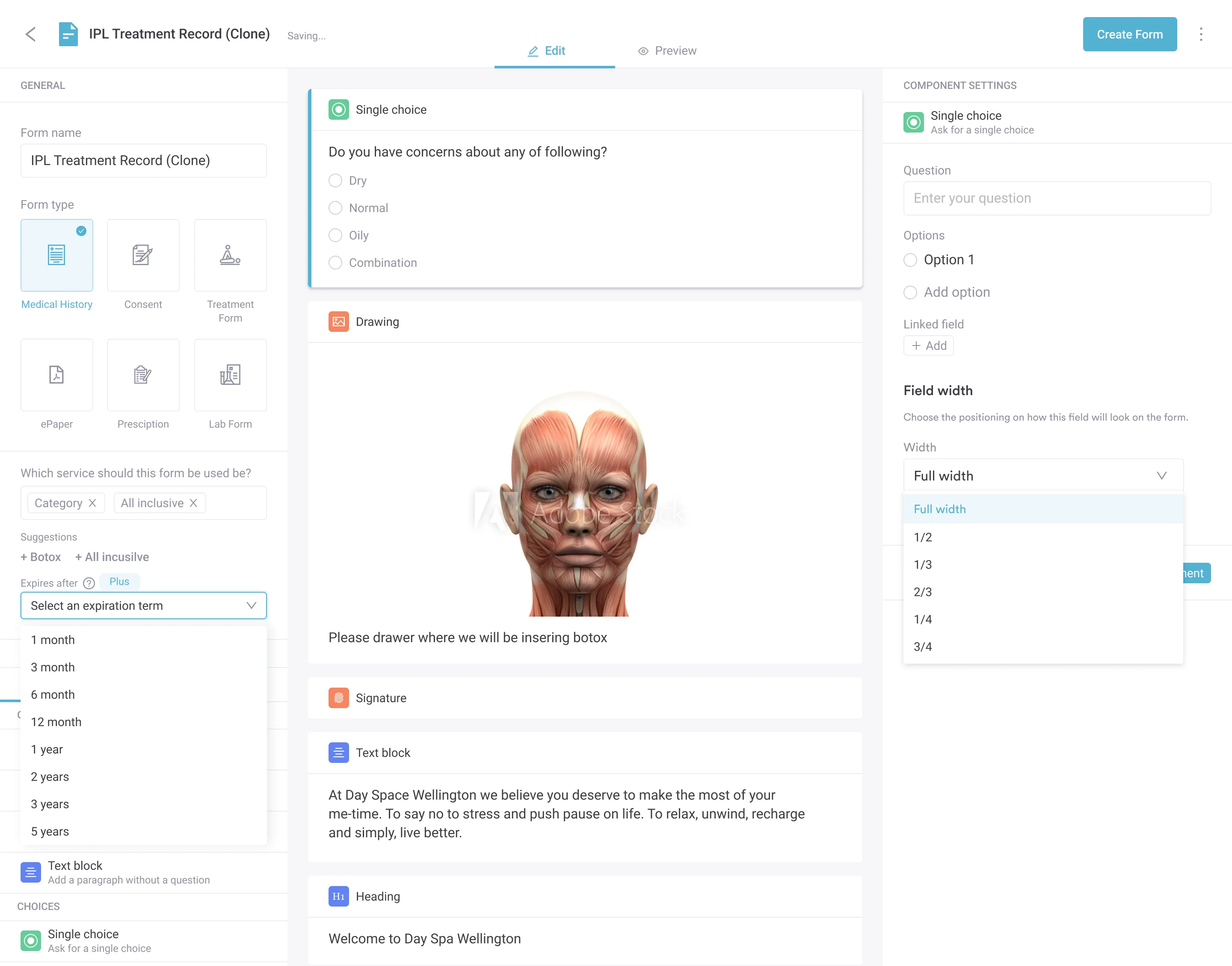
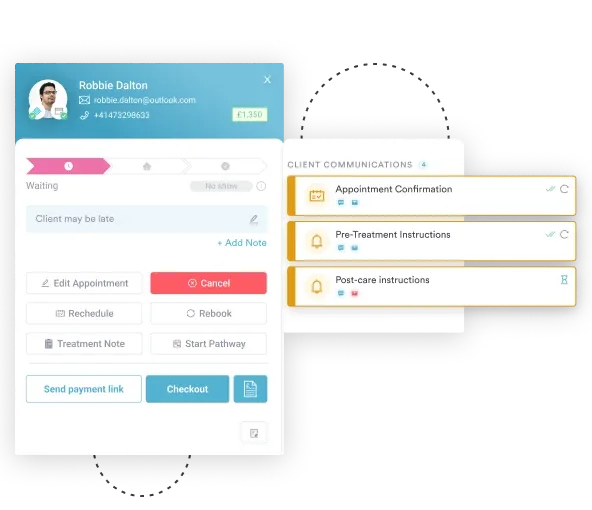
A paper worksheet handed over at the end of a session often never comes back. Clients complete it themselves, and their responses attach straight to their record.
That gives you a documented trail of which techniques a client is practicing. Link the completed worksheet to your clinical documentation.
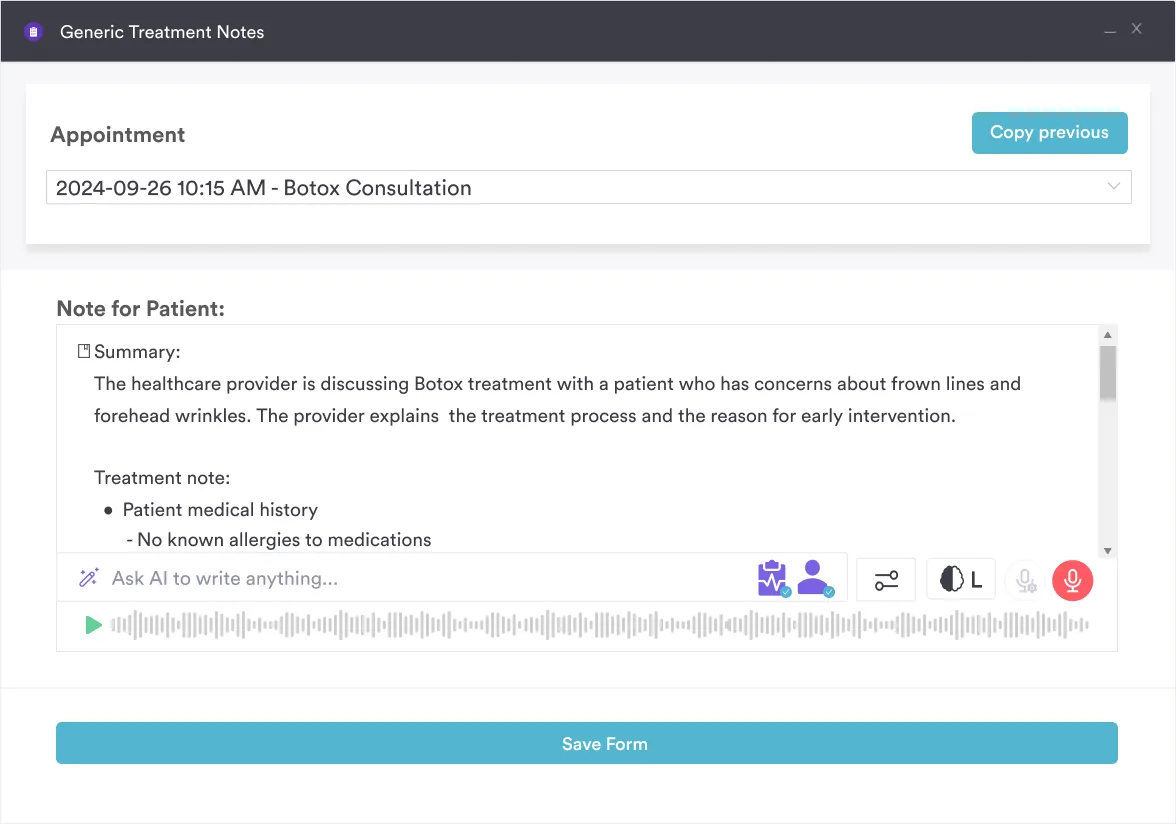
A note might read: “Client practiced 5-4-3-2-1 and body scan, reported 6/10 effectiveness.” That continuity supports better outcomes, and it gives you something concrete to show during insurance reviews.
Reporting comes with every Pabau subscription.

Pabau’s digital forms and client records store worksheet responses, track outcomes over time, and keep grounding work inside the treatment plan.

Grounding earns its place because it costs nothing, travels with the client, and works across CBT, DBT, somatic, and trauma-focused frameworks. The judgment you bring is the match between technique and presentation.
Download the template, walk through one technique with your next client, and let them choose what goes into their plan. Track which techniques they use between sessions, and the plan gets sharper every month.
The trade-off worth remembering is speed against safety. Ice works fast on panic, but a dissociating client needs the gentler route. Book a demo to see how Pabau stores completed worksheets and keeps grounding practice visible in the client record.

Want to map the triggers before you ground them? Anxiety triggers worksheet helps clients name their specific triggers, so grounding gets aimed at the right moments.
Working on trauma processing rather than acute crisis? ABCDE journal PTSD worksheet gives clients a structured way to log triggers, beliefs, and outcomes between sessions.
Teaching the DBT TIPP skill from this worksheet? DBT journal carries prompts across all four DBT modules, including distress tolerance.
Want a quick audit of the skills a client already has? Coping skills checklist sorts existing strategies into helpful and unhelpful, which shows where grounding should slot in.
Need something to read out loud in session? Mindful breathing script gives you word-for-word prompts for paced breathing work.
A grounding worksheet teaches clients sensory and mindfulness techniques for anxiety, dissociation, trauma responses, and overwhelming emotions. Clinicians also use it to document which techniques work best for each client’s triggers.
It engages all five senses in sequence. The client names five things they see, four they can touch, three they hear, two they smell, and one they taste. That pulls attention away from anxious thoughts, usually within two to five minutes.
Yes. They work well from around age six. Adapt the language, and use drawings or stickers to mark completed techniques. Children often respond faster to physical and sensory grounding than adults do.
Grounding is widely used within DBT, CBT, trauma-focused therapy, and somatic frameworks, and is described in SAMHSA’s trauma-informed care resources. Clinicians apply it as a distress tolerance and stabilization skill for anxiety, PTSD, and dissociation.
Before one. Teach the techniques during calm moments and practice them together in session. When distress hits, the client already knows the toolkit and can reach for it quickly.
The 5-4-3-2-1 countdown and cold exposure usually reset the fastest, within two to three minutes. What works fastest still varies by client, and some settle better with breathing or a body scan. Use the personal plan to find each client’s quickest route.