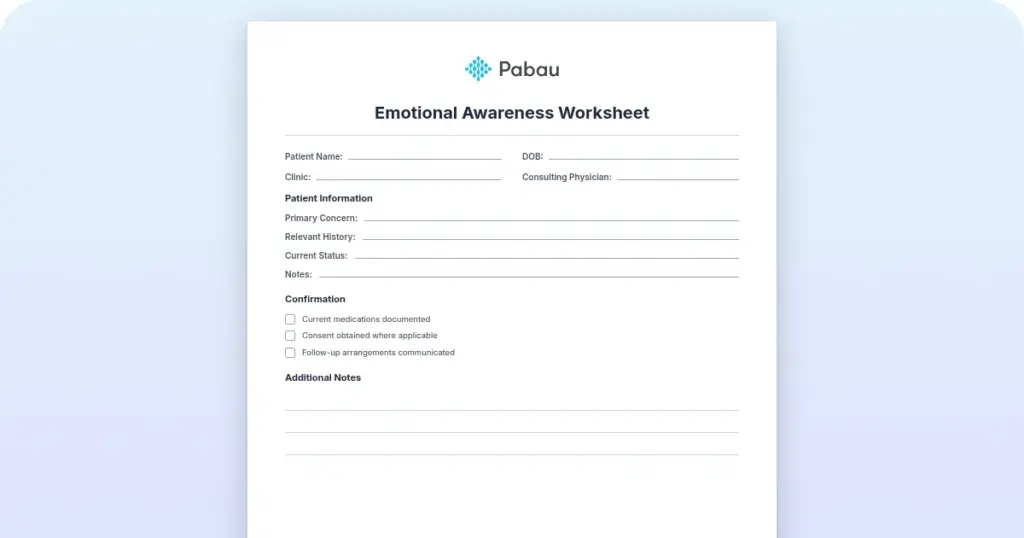
Emotional awareness worksheet
An emotional awareness worksheet is a structured psychoeducational tool that hel...

2
Last Updated: Oct 16, 2026

A mindful breathing script is a structured guide practitioners use to lead clients through breath-focused attention exercises that activate the parasympathetic nervous system.
Mindful breathing reduces anxiety, stress, and physical tension while improving focus and emotional regulation, benefits supported by clinical research and the VA Whole Health program.
The script requires no special equipment and adapts to session length (5 minutes to 30+ minutes), clinical population, and therapeutic goals.
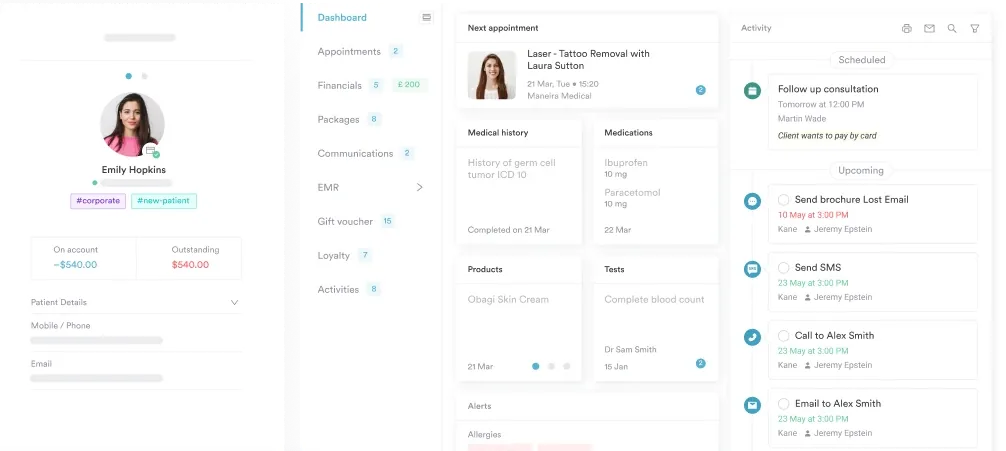
Pabau’s digital forms and client record system allow you to assign breathing scripts directly to treatment plans and track client engagement within one platform.
A structured, ready-to-use guided script for leading clients through therapeutic breathing exercises. Includes settling instructions, breath-awareness cues, distraction management, and closing language. Perfect for individual sessions, group therapy, or client self-guided practice.
Download templateMindfulness practitioners, therapists, and other providers increasingly rely on practice management software like Pabau. A mindful breathing script is one of those tools — a simple yet effective addition to your clinical toolkit.
A mindful breathing script is a step-by-step, word-for-word guide that helps practitioners lead clients through therapeutic breathing exercises. Unlike casual breathing reminders, it structures the entire experience.
It settles the client, directs their attention to the natural breath cycle, names what they might notice, teaches them how to handle a wandering mind, and closes the practice with clear transition language.
The practice sits at the intersection of mindfulness and clinical intervention. Mindfulness means bringing non-judgmental awareness to the present moment.
When applied to breathing, it teaches clients to notice inhalation, the pause between breaths, exhalation, and the pause again, without trying to change the breath. This subtle shift from “doing” to “observing” activates the parasympathetic nervous system, the body’s natural relaxation response.
According to the VA Whole Health Library, mindful breathing is a core component of veteran mental health programs nationwide. The approach works across therapy offices, psychiatry practices.
Research shows measurable clinical benefits. Mindful breathing activates the vagus nerve, which signals the body to downregulate the fight-or-flight response and increase parasympathetic tone. This translates to lower heart rate, reduced cortisol, and decreased muscle tension.
For your clinical workflow, breathing scripts reduce session setup time and ensure consistency. Rather than improvising language, you deliver a proven sequence every time, building trust and allowing you to focus on your client’s response rather than remembering the next cue.
The downloadable script above contains a complete, full-length mindful breathing script suitable for 10-15 minute sessions. It opens with settling language, guides attention through the breath cycle, normalizes mind-wandering, and closes with a gentle transition back to everyday awareness.
For busy schedules or brief interventions, a 5-minute variant condenses the practice while keeping core elements: settling (30 seconds), breath awareness instruction (3 minutes), mind-wandering management (1 minute), closing (30 seconds). This works well at the start of appointments, during crisis intervention, or for clients new to mindfulness.
Clinicians use the condensed script to de-escalate acute distress, then transition into deeper therapeutic work.
An anxiety-adapted variant uses slower pacing, longer breath holds (4-count holds instead of natural rhythm), and reassuring language about body sensations. The script frames physical symptoms (racing heart, shallow breathing) as the body’s attempt to protect, then teaches the client that slow, steady breathing signals safety. This reframing reduces shame and builds self-compassion.
Group therapy, workshops, and team retreats benefit from a grounding-focused version. This script emphasizes body connection and present-moment stability. The language is inclusive (“we notice our feet on the floor”) and avoids personalized suggestions that might not fit everyone.
The script is practitioner-facing, not a document you hand to clients (though you can print sections for them to take home). Here’s the workflow:
Link the script PDF to the treatment plan so staff or the client can reference it between sessions. A self-monitoring checklist gives patients somewhere to log each breathing session, with check-in intervals you can review together at the next appointment.
A one-size-fits-all approach doesn’t work. Tailor the script for each client group:
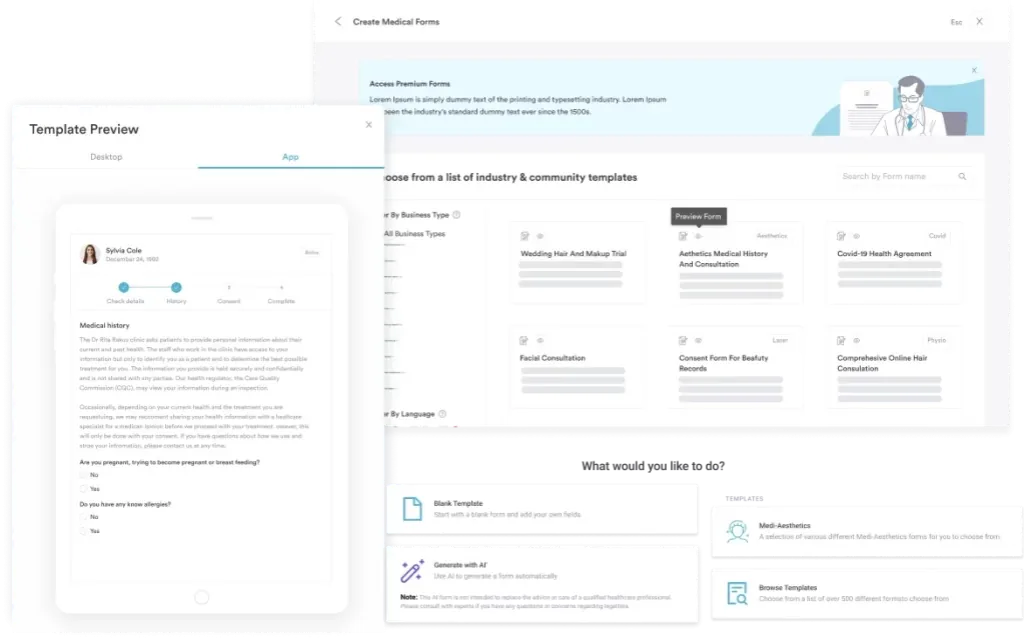
Standalone scripts are valuable, but integration into your practice management system multiplies their impact. Store the script template in digital forms so clients see breathing exercises listed in their client portal. Assign the script as a homework exercise after therapy sessions, track completion, and discuss results at the next appointment.
Reported 40% reduction in anxiety symptoms.” Whether you document in SOAP format or a BIRP note, this automated capture reduces admin burden and keeps breathing practice visible in the clinical record.
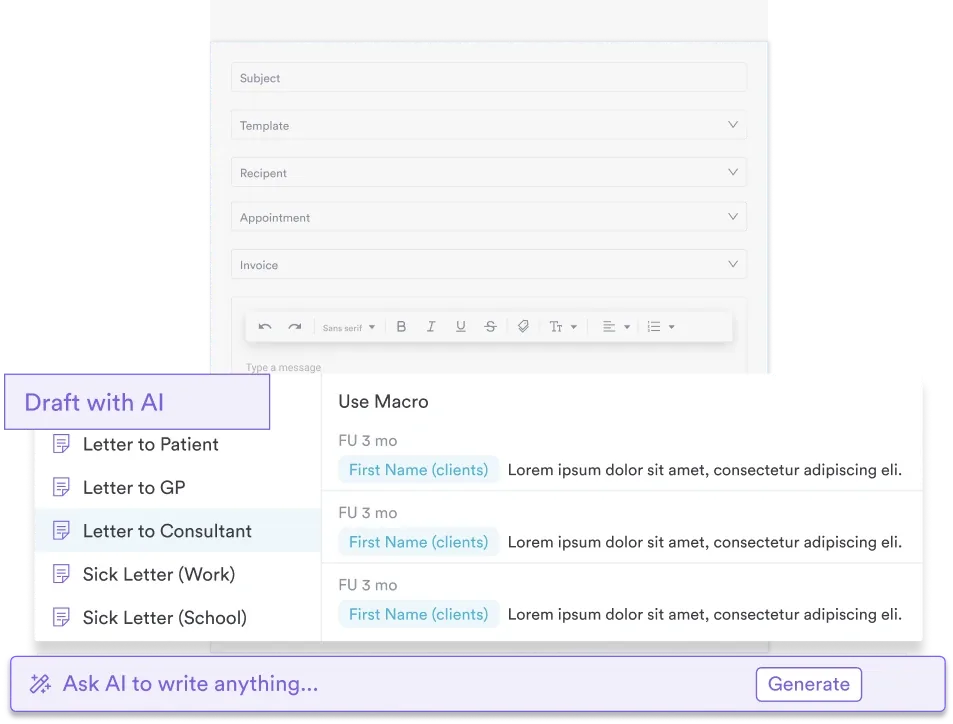
For patient engagement strategies, schedule reminder emails or SMS messages on breathing practice days: “Your therapist has shared a 5-minute breathing exercise. Try it when you feel stressed.” This nudges consistency and shows clients you’re supporting their self-care between sessions.
Book a demo with Pabau to see how to embed downloadable clinical resources, including breathing scripts, directly into client records and treatment plans in your practice management system. Clinicians can assign the script to specific clients, track engagement, and link breathing practice to clinical outcomes.

Discover how Pabau’s digital forms, client portal, and Pabau Scribe help you deliver, track, and document mindful breathing exercises without extra paperwork.

A mindful breathing script is a simple, evidence-backed tool that brings structure and consistency to your clinical breathing interventions. Whether you deliver the full 15-minute version or adapt it for 5-minute anxiety relief, the script removes guesswork and lets you focus on your client’s response. Download the template above, print it, and start using it in your next session.

Helping a client stick with daily breathing practice? Habit tracker template is a one-page PDF where clients log their own progress at their own pace.
Supporting clients in 12-step recovery? An AA Step 12 worksheet pairs well with breathing exercises for grounding during reflection work.
Need a quick mood screening before a breathing session? A depression self-assessment template gives you a standardized starting point.
Deep breathing deliberately slows and deepens the breath to trigger relaxation. Mindful breathing simply observes the natural breath without changing it. Deep breathing is an active technique. Mindful breathing is observational. Both reduce stress, but mindful breathing builds longer-term awareness and emotional regulation, while deep breathing offers faster acute relief.
Yes. Adjust language for developmental age (simpler for younger children), keep sessions short (2-3 minutes), and use concrete imagery (“smell the flower, blow the bubble”). Always ask permission and allow children to keep eyes open if they prefer.
Daily practice builds the most benefit, even 5 minutes. Clinical settings often use scripts once per session as a warm-up or de-escalation tool. For homework, encourage clients to practice 3-5 times weekly. Consistency matters more than duration.
No. Breathing exercises complement medications and psychotherapy rather than replace them. Use them as an adjunct tool within a comprehensive treatment plan. Always consult with prescribing providers before reducing medications.
Yes. Download the PDF above and print as many copies as needed. You can share it with clients, staff, or keep it in your session notes for quick reference. The script is free for clinical use.