Trauma response test: Free template for clinicians
A trauma response test is a structured screening questionnaire that helps clinic...

3
Last Updated: Oct 15, 2026

A coping skills checklist is a structured assessment tool that helps therapists and clients identify, track, and expand their existing coping strategies for managing stress, anxiety, and difficult emotions.
Checklists organized by coping type (emotion-focused, problem-focused, physical, emotional, cognitive, social, mindfulness) help clinicians educate clients and create targeted treatment plans.
Regular use of a checklist increases client awareness of their coping patterns, improves accountability, and supports longitudinal outcome tracking across therapy sessions.
Pabau’s integrated clinical documentation and client portal enable therapists to deliver, track, and document coping skill progress within their workflow.
A comprehensive checklist for mental health professionals to assess and track client coping strategies across physical, emotional, cognitive, social, and mindfulness-based categories.
Download templateA coping skills checklist is a structured assessment and tracking tool. It helps mental health professionals and their clients systematically evaluate which coping strategies are already in use and which new skills might be worth developing.
Unlike a generic list, the checklist provides a framework for ongoing evaluation. Therapists can also revisit it across sessions to monitor progress, identify patterns, and celebrate wins.
The checklist serves three core clinical functions:
From a regulatory perspective, structured coping assessment tools align with evidence-based practice standards set by the American Psychological Association (APA) and support practice management for therapy environments where documented client progress is essential for treatment justification and outcome measurement.
Mental health practitioners rely on coping skills checklists for several concrete, workflow-based reasons.
A comprehensive coping skills checklist organizes strategies into evidence-based categories. Understanding these coping modalities helps clinicians explain to clients why different skills work for different situations.
The foundational framework divides coping strategies into two primary orientations:
In fact, effective coping repertoires include both. A checklist helps clients recognize which they naturally lean toward and develop the complementary mode. Anxiety-prone clients often over-rely on emotion regulation and need to build problem-solving confidence, while action-oriented clients may skip emotional processing.
The checklist further breaks down coping into modality-specific strategies:
A well-designed coping skills checklist includes items from each category so clients develop a balanced toolkit rather than relying on only one modality.
Therapists using therapy practice management software can send resources like this to clients between sessions.
While a comprehensive checklist serves all emotional states, anxiety and depression warrant particular attention because they are the most common presenting conditions in therapy.
For anxiety, the most effective checklist items include:
A checklist helps anxious clients notice that physical movement, in particular, often breaks the anxiety cycle faster than rumination or avoidance.
For depression. Effective coping strategies often include:
Depressed clients frequently skip coping altogether, so a checklist normalizes small, low-energy steps and builds momentum through early wins.
A critical clinical use of the coping skills checklist is to distinguish adaptive (healthy, sustainable) coping from maladaptive (avoidant, harmful, temporary relief) coping.
When a client completes the checklist, therapists can gently explore: “Which of these do you actually use regularly? Which ones make you feel better afterwards and don’t create new problems?” This opens a reflective conversation about habit patterns and readiness to change.
Introducing and using a coping skills checklist effectively requires clear clinical procedure. Here’s a five-step workflow therapists use:
A downloadable coping skills checklist is most powerful when integrated into your clinical workflow, not left as a standalone PDF. Practice management software like Pabau closes this loop: therapists can upload the checklist to secure client messaging before a session, clients complete it digitally, and the response flows directly into the client’s record for longitudinal tracking.
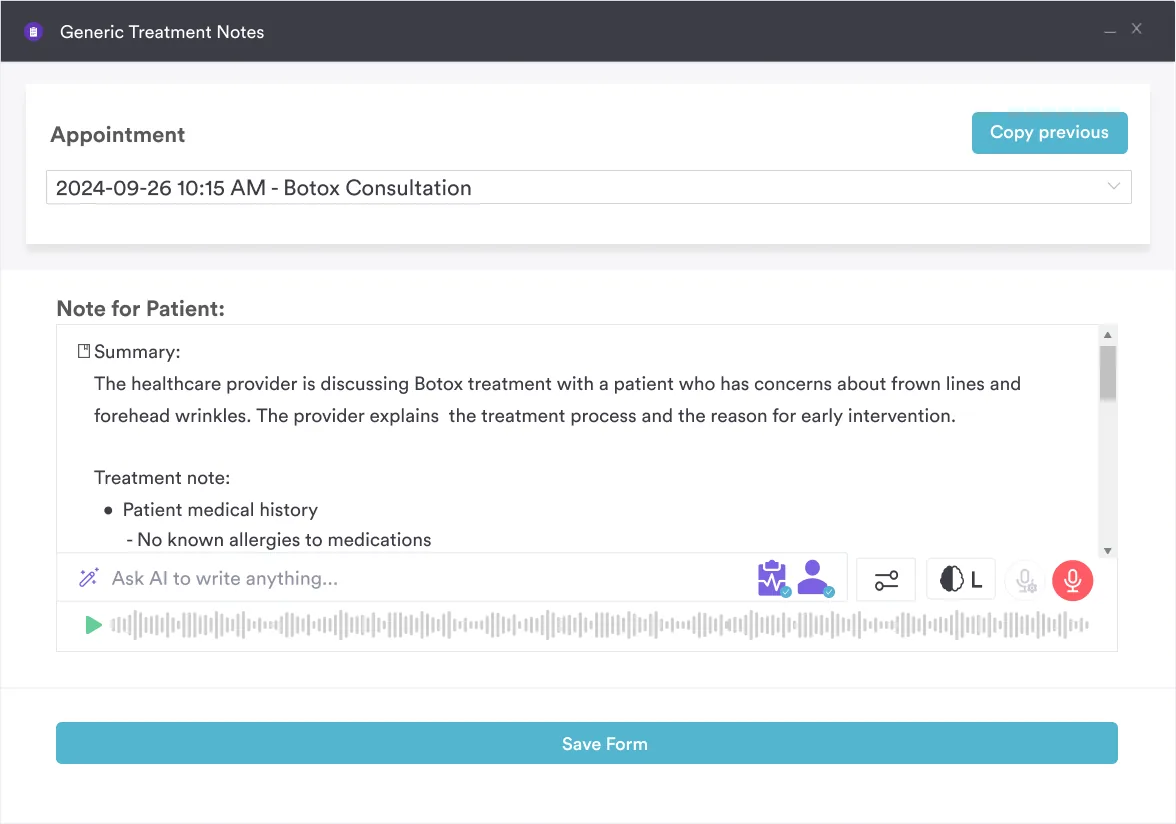
After a session where coping skills are introduced, use automated clinical note-taking to document which strategies were discussed and any client commitments to try them. Then set an automated reminder for the client’s next appointment to ask about their progress.
If a client rates a particular coping skill as highly effective, you can flag it in their treatment plan and reinforce it in future sessions.
Over time, your coping checklist data becomes outcome evidence: the therapist can show the client, “Look, in January you were using three coping strategies regularly. Now you’re using eight, and your anxiety ratings have dropped from 8/10 to 5/10. Here’s what’s working.” This kind of concrete feedback accelerates progress and client buy-in.
While coping skills checklists are universal tools, certain clinical settings gain the most immediate value:
A well-implemented coping skills checklist delivers measurable clinical and operational benefits:
From a practice management perspective, digital coping checklist workflows reduce administrative overhead by automating reminders, tracking completion rates, and flagging clients who aren’t engaging with between-session practice.
A coping skills checklist is a deceptively simple tool with profound clinical impact. Instead, it transforms vague conversations about “managing stress” into structured, measurable work. Therapists and clients build awareness of existing strengths, map which skills are missing, and systematically expand the client’s coping repertoire.
Whether you use a printable PDF version or integrate it into your clinical workflow with psychology practice software, the key is consistency. Introduce the checklist early, revisit it across sessions, document progress, and celebrate small wins.
Over time, clients move from “I don’t know how to handle this” to “I have a toolkit — let me try X.” That shift is where real change begins. Book a demo to see how Pabau’s integrated clinical documentation and client portal can streamline your coping skills workflow.

Working with clients on recovery or 12-step frameworks? AA Step 12 worksheet gives structured reflection prompts that pair well with a broader coping skills review.
Treating a client with bipolar disorder? The bipolar workbook is a free CBT-based template covering mood tracking and relapse prevention alongside coping strategies.
Need a broader symptom baseline first? The DASS-21 scale screens depression, anxiety, and stress severity before you build out a coping plan.
Coping skills are behavioral, emotional, or cognitive strategies individuals use to manage stress, difficult emotions, or challenging situations. They range from physical practices (exercise, breathing) to emotional strategies (journaling, talking to someone) to cognitive approaches (thought reframing, problem-solving). Healthy coping skills address the source of distress or help manage emotions in sustainable ways; unhealthy coping provides temporary relief but creates new problems.
The best coping skill depends on the situation and your nervous system state. If you’re acutely anxious or flooded, grounding or breathing techniques work faster. When you’re ruminating, a cognitive reframe or distraction (activity, social connection) helps. If a problem is solvable, problem-focused coping (making a to-do list, asking for help) is most effective. A coping skills checklist helps you notice which strategies fit which situations over time.
Coping skills are essential tools that complement therapy and medication. However, they are not replacements. If you are experiencing severe depression, anxiety, or suicidal thoughts, professional mental health treatment is necessary. Coping skills help you manage day-to-day stress and support the work you do in therapy or alongside medication, but they are not standalone treatments for clinical mental health conditions.
If you’re in active therapy, review your checklist at the start of each session or when a new stressor emerges. Between sessions, track which strategies you actually used and how effective they were. If you’re using coping skills on your own, monthly or quarterly check-ins help you refresh which strategies feel most relevant and notice any patterns (e.g., “I always reach for distraction but skip emotion-processing skills”).
This is important clinical information. Indeed, it often signals barriers to specific coping modes. Fear of exercise, distrust of mindfulness, or shame about asking for help are common examples. Work with your therapist to explore the barrier and adapt the skill. For example, if traditional meditation feels too passive, try walking meditation or active mindfulness instead. A checklist is a starting point, not a prescription; the goal is to build a personal toolkit that fits your life and values.