HCPCS Code L0472: Hyperextension TLSO billing guide
HCPCS code L0472: Official descriptor and device definition HCPCS code L0472 des...

Last Updated: Nov 5, 2026
Q4121 is the HCPCS Level II code for TheraSkin, per square centimeter, a cryopreserved human skin allograft used on chronic wounds. Its descriptor says to list it in addition to the primary procedure, so it is reported with a CPT skin-substitute application code.
Units count the square centimeters of TheraSkin applied, not the wound area. Since January 1, 2026, Medicare pays the code as an incident-to supply at a flat national rate.
Let Pabau's smart automation suggest the right codes, reduce claim denials, and keep your practice compliant—effortlessly.
Automate repetitive tasks and focus on what matters most—your patients.
Reduce coding errors and ensure compliance with the latest regulations.
Clean claims, fewer denials, and faster reimbursements.
Powerful insights and reporting to help your practice thrive.
HIPAA compliant SOC 2 certified GDPR-compliant Trusted by 4,000+ clinics worldwide

HCPCS Code Q4121 reports TheraSkin, a cryopreserved human skin allograft, per square centimeter of product applied, not per piece or per session.
Q4121 is a supply code reported with the CPT skin-substitute application code matching the wound site and size (15271-15278).
Since January 1, 2026, Medicare pays Q4121 as an incident-to supply under the physician fee schedule, at a flat national rate per square centimeter.
L30135 (GSURG-052) is a Wisconsin Physicians Service LCD, so confirm the policy your own MAC applies in the CMS Medicare Coverage Database.
Pabau, the practice management platform we build, records wound measurements in the clinical note and supports claim submission and tracking through Claim.MD.
HCPCS Code Q4121 describes “Theraskin, per square centimeter (add-on, list separately in addition to primary procedure).” It is maintained by the Centers for Medicare and Medicaid Services (CMS) under the HCPCS Level II coding system. It is a supply code rather than a procedure code, so it captures the graft material itself, not the clinician’s work in applying it.
The “add-on” wording in the descriptor means Q4121 is listed in addition to the application procedure. Report it on the same claim as the CPT skin-substitute application code. Q4121 pays for the TheraSkin, and the CPT code pays for applying it.
Medicare covers TheraSkin under HCPCS Code Q4121 when the wound meets the local coverage determination (LCD) your Medicare Administrative Contractor (MAC) applies. LCD L30135 (GSURG-052) is the Wisconsin Physicians Service policy on bioengineered skin substitutes, dating from 2009. It is not a national rule, so check the CMS Medicare Coverage Database for the LCD your MAC applies today.
Coverage is not automatic. The WPS policy limits coverage to two chronic wound types, and the wound must meet its criteria before the first application:
The same policy treats acute, postoperative and burn wounds as outside its coverage. A payer that covers pressure ulcers or traumatic wounds does so under its own written policy, so name that policy in the chart.
Not every wound treated with TheraSkin qualifies for reimbursement. Medicare and most commercial payers deny Q4121 claims when the clinical scenario falls outside their coverage policy.
Exclusions also vary by payer. Each MAC applies its own LCD, and commercial payers publish separate skin substitute medical policies with their own exclusion criteria. Confirm the policy for the specific payer before the first application.
Before the first TheraSkin application, run a written conservative-care trial for at least four weeks. Document every dressing change, wound measurement, and clinician assessment in the chart. If the wound later needs a skin substitute, that record supports medical necessity. It is also your first line of defense against a CO-50 denial.
The unit of service for HCPCS Code Q4121 is one square centimeter of TheraSkin applied. Units follow the product used, not the wound area and not the number of pieces. Billing by the piece or by the session misstates the quantity and invites an audit.
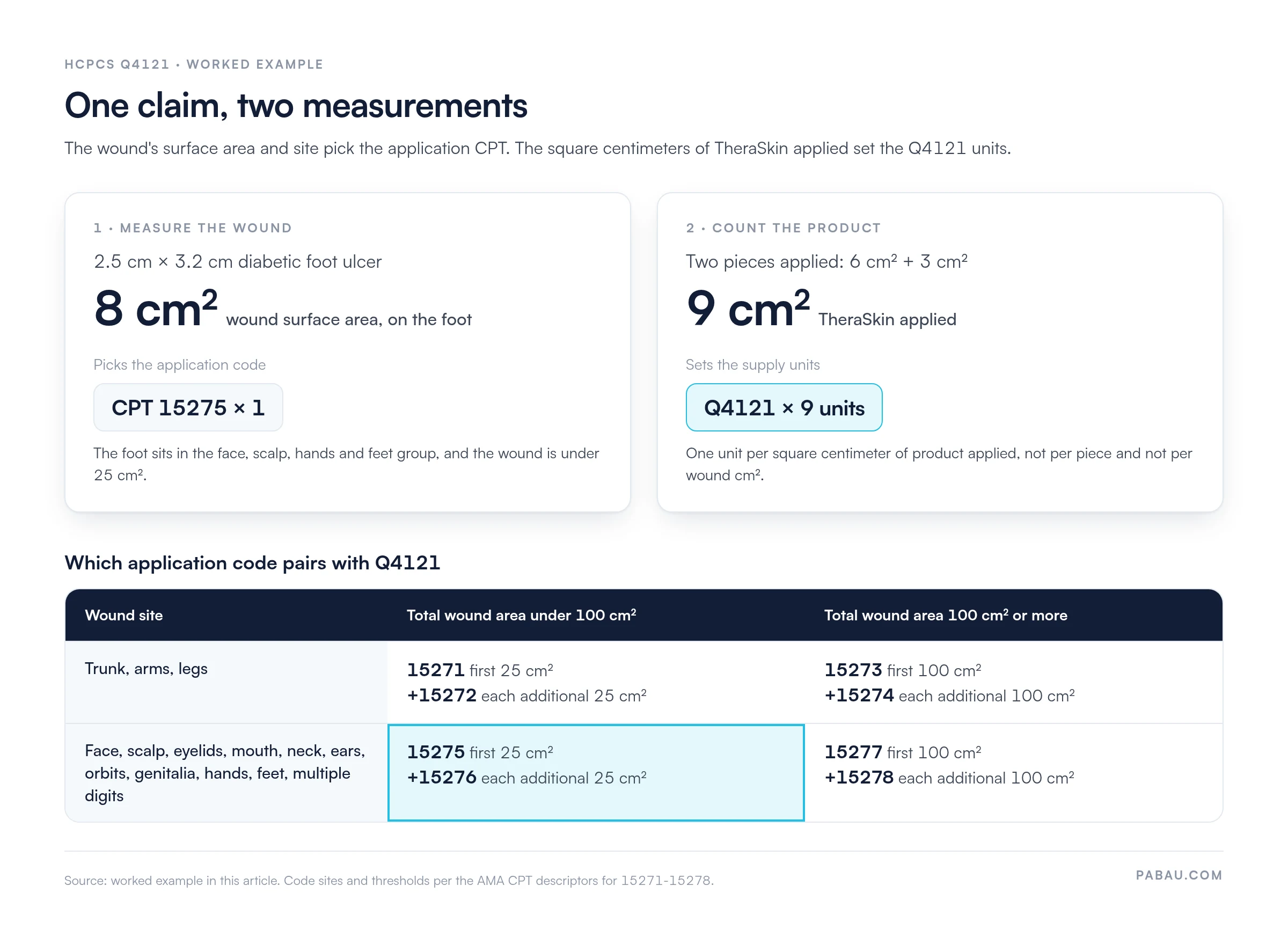
Worked example: A patient presents with a diabetic foot ulcer measuring 2.5 cm × 3.2 cm, a wound area of 8 cm². The clinician applies two TheraSkin pieces of 6 cm² and 3 cm², trimmed to cover the wound bed and its edge. Total product applied is 9 cm², so the claim reports Q4121 × 9 units.
HCPCS Code Q4121 is a supply code and cannot stand alone on a claim. The CPT application codes 15271-15278 capture the clinician’s work in applying the skin substitute. The correct code depends on the wound’s anatomic site and its total surface area, under or over 100 cm². None of these codes is split by whether the graft is bioengineered.
Confirm the application code against the AMA’s CPT descriptor before each claim. A foot ulcer under 25 cm² takes 15275, because the foot sits in the face, scalp, hands and feet group. Billing 15271 for that wound reports the procedure at the wrong site.
Put together, the worked example above becomes two claim lines counted from two different measurements:
TheraSkin is one of dozens of skin substitute products assigned individual HCPCS Q codes. Billing the wrong Q code for the graft applied is incorrect coding, whatever the intent. The table below covers the codes most often confused with HCPCS Code Q4121.
Use the AAPC Codify HCPCS lookup to verify the current descriptor for any Q code before billing. CMS reassigns product classifications periodically, and a code that was correct last year may have been revised or retired.
Every Q4121 claim needs a supported ICD-10-CM diagnosis code. A MAC with a skin substitute LCD publishes its covered diagnosis codes in an associated billing and coding article. A diagnosis code outside that list generates a CO-50 denial (not medically necessary), however well the wound is documented.
These codes represent the most common Q4121 indications. For a type 2 diabetic foot ulcer, report E11.621 with an L97.4- or L97.5- code for site and severity. Your MAC’s covered-code list is longer than this table. Download it from the CMS Medicare Coverage Database before you bill a less common wound type.
Original Medicare has no national prior authorization requirement for skin substitute Q codes under Part B. Commercial payers usually do have one. A claim filed without their authorization comes back as CO-197 (precertification or authorization absent).
Medicare Part B requires no formal prior authorization for Q4121 at the federal level. Claims are instead reviewed after payment through Targeted Probe and Educate (TPE) audits. Reviewers focus on conservative-care documentation, wound measurements, and how often the product was applied relative to the wound’s healing.
Most commercial payers require prior authorization for skin substitute procedures. Their policies typically ask for a wound photo, a wound measurement record, and evidence of failed conservative care. Timelines and clinical criteria vary by plan and region, so confirm them with the plan before the first application.
CMS and commercial payers both rely on the chart note to validate Q4121 claims. Missing or vague documentation leads to medical necessity denials (CO-50) and failed audits. The note must support every element billed: the wound, the product, the quantity, and the clinical rationale.
Build the required fields into the wound-care note template, so clinicians capture each one at the time of service. Wound measurements reconstructed after an audit request carry little weight with reviewers.
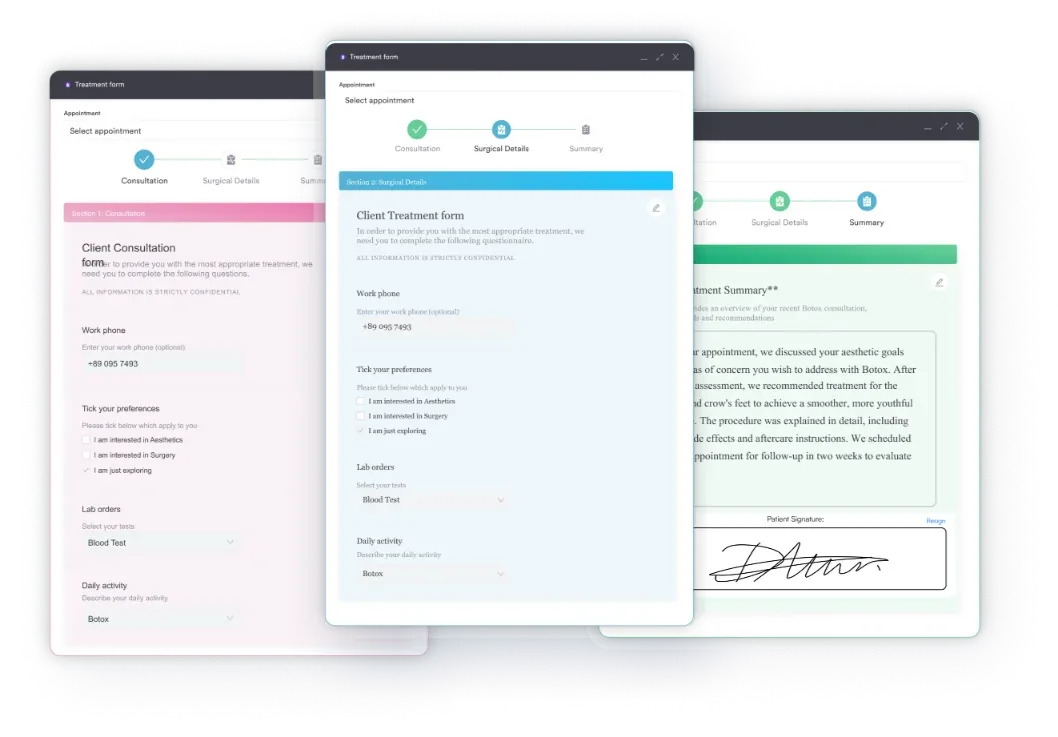
Mandatory documentation elements for every Q4121 claim:
Review your medical billing compliance protocols for skin substitutes at least once a year. Review them again whenever your MAC changes its coverage policy.
Set a wound-measurement reminder in your clinical workflow that fires before every TheraSkin application visit. A clinician who enters the room without a measuring guide leaves a note without dimensions, and nobody can add them accurately later. A 30-second check at patient check-in prevents a frequent Q4121 documentation failure.
Q4121 denials cluster around a handful of correctable issues. Each claim adjustment reason code (CARC) points to what to fix before resubmission. Our guide to denial codes for coders covers how to read each one.
Since January 1, 2026, Medicare pays TheraSkin under Q4121 as an incident-to supply under the physician fee schedule. The CY2026 PFS final rule replaced product-specific pricing with one flat national rate for skin substitutes not licensed as biologics. CMS set that rate at about $127 per square centimeter, and the fee schedule adjusts it by locality.
The rate holds for the full calendar year. To estimate payment, multiply the Q4121 units by your locality’s rate. Confirm the current figure in the CMS Physician Fee Schedule look-up tool before you quote expected reimbursement to the practice.
Q4121 remains a valid code for 2026. One flat Medicare rate simplifies the fee schedule in medical billing workflows that handle several skin substitute products. Each product still needs its own Q code, though, and the units still have to match the product applied.
A Q4121 claim is only as strong as the wound note behind it. Today many practices keep measurements on paper, product sizes on the packaging, and claim status in the clearinghouse portal. Coders then rebuild the unit count by hand.
In Pabau, clinicians record wound length, width and each TheraSkin piece applied in the clinical note and its custom forms. Your coder reads those figures from the same patient record and selects the application CPT and the Q4121 units.
Pabau’s wound care claims software then submits the claim through Claim.MD and tracks its status. A denial shows up against the patient and the date of service. A structured denial management workflow turns that monthly review into a routine your team can act on.
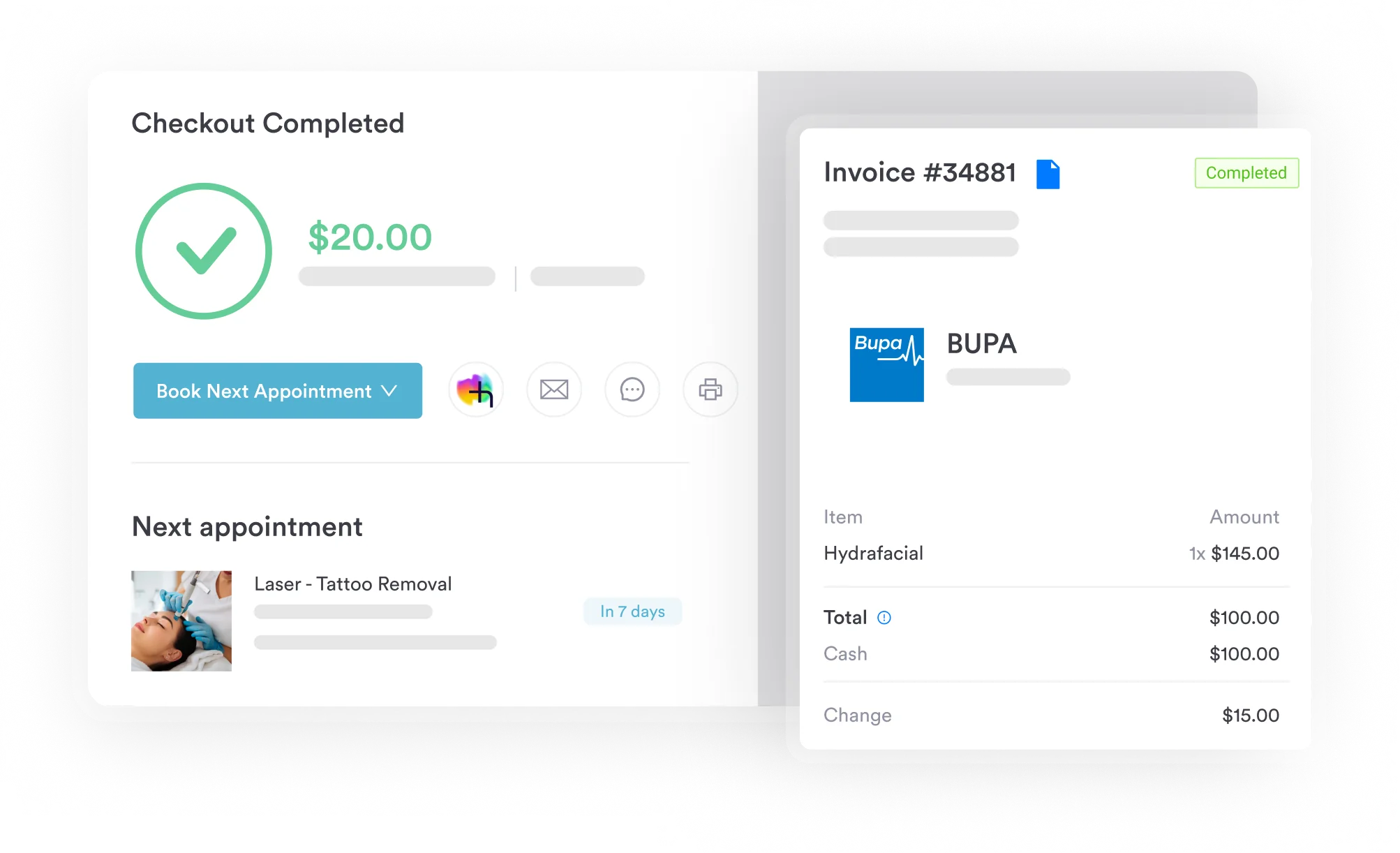

Pabau records wound measurements and each TheraSkin piece in the clinical note, so your coder bills Q4121 units from documented figures. Claims go out and are tracked through our Claim.MD integration.

Q4121 claims hold up when two measurements stay separate in the chart. The wound’s surface area picks the application CPT, and the square centimeters of TheraSkin applied set the units. Record both on the day of service, and most of the denials above become avoidable.
The bigger change for 2026 is payment. With one flat Medicare rate across these products, the choice of graft no longer changes Medicare reimbursement. Coverage policy and documentation now decide whether a claim pays.
Check your MAC’s current policy before the first application, not after the first denial. Book a demo to see how Pabau keeps wound documentation and claim tracking on one patient record.

Need a denial management framework for your wound care claims? Denial management in healthcare covers systematic strategies for reducing claim rejection rates across your practice.
Looking for a clean-claim checklist before submission? Clean claim requirements explains every field that must be correct before a claim transmits without an edit.
Want to understand how electronic remittance works after a Q4121 decision? Electronic remittance advice (ERA) explained breaks down how to read 835 remittance files and act on CARC codes quickly.
HCPCS Code Q4121 covers TheraSkin, a cryopreserved human skin allograft, billed per square centimeter applied to a qualifying chronic wound. Medicare coverage depends on your MAC’s policy and centers on diabetic foot ulcers and venous leg ulcers. The wound must have failed at least four weeks of standard wound care. L30135 (GSURG-052) is the Wisconsin Physicians Service version of that policy.
Q4121 is a supply code whose descriptor says to list it in addition to the primary procedure. It must appear on the same claim as the CPT skin-substitute application code matching the wound site and size (15271-15278). Payers reject Q4121 billed without that application code.
Report the total square centimeters of TheraSkin applied, not the wound area. Two pieces of 6 cm² and 3 cm² applied to an 8 cm² wound bill as 9 units. Medicare claims take whole units, so round a fractional total up.
No national prior authorization requirement applies under Medicare Part B, but claims face post-payment Targeted Probe and Educate (TPE) audits. Commercial payers often require prior authorization, and a missing one comes back as CO-197. Confirm requirements with each plan before the first application.
The most common reasons are a missing application CPT, which triggers a payer edit, and CO-50 when medical necessity is not documented. CO-11 follows a diagnosis outside the covered list, and CO-197 a missing commercial authorization. CO-97 applies when a payer bundles the product into the procedure. Most are preventable with complete wound documentation and a pre-submission check.
Q4121 is specific to TheraSkin, a cryopreserved human skin allograft. Other Q codes identify other products. Q4116 covers AlloDerm, Q4122 covers DermACELL, and Q4100 is used only when no product-specific code exists. The Q code billed must match the product applied, or the claim is incorrectly coded.