GLP-1 diet plan
A GLP-1 diet plan is a structured eating framework for patients taking semagluti...

2
Last Updated: Oct 13, 2026

A glucose tolerance test (GTT) measures how your body processes sugar after drinking a glucose solution, used to diagnose type 2 diabetes, prediabetes, and gestational diabetes.
Standard preparation requires an 8-12 hour overnight fast; patients must avoid strenuous activity and disclose all current medications beforehand.
ADA thresholds for the 2-hour OGTT: below 140 mg/dL is normal, 140-199 mg/dL indicates prediabetes (impaired glucose tolerance), and 200 mg/dL or above indicates diabetes.
Practice management software like Pabau offers lab management and digital forms tools that help clinics streamline GTT ordering, patient preparation instructions, and result documentation in one place.
About 115.2 million American adults — more than 2 in 5 — have prediabetes, and more than 8 in 10 of them don’t know it, according to the CDC’s National Diabetes Statistics Report. The glucose tolerance test is one of the most direct tools clinicians have to catch this early.
It doesn’t just flag elevated fasting glucose. It reveals how effectively the body clears a standardized sugar load, exposing insulin resistance that a routine fasting test can miss entirely.
This guide covers what the glucose tolerance test (GTT) is, who needs it, how to prepare, what happens during the procedure, how to read results, and what the pregnancy-specific protocols involve. It’s aimed at practitioners ordering GTTs and patients preparing for one.
Whether you’re in a metabolic health clinic or a GP practice managing routine diabetes screening, the clinical and workflow essentials are here.
A glucose tolerance test (GTT) measures how efficiently the body metabolizes glucose after ingesting a fixed sugar load. The patient drinks a standardized glucose solution, and blood is drawn at set intervals to track how plasma glucose rises and then falls back to normal. The pattern of that rise and fall reveals whether insulin is doing its job.
The most common form is the oral glucose tolerance test (OGTT). For non-pregnant adults, the standard protocol uses a 75g glucose load with blood drawn at fasting baseline and again at 2 hours. During pregnancy, a different protocol applies, covered in detail below.
The GTT differs from a routine fasting blood glucose test in one critical way: it tests dynamic glucose metabolism under a measured glucose load, not just the resting state. A patient can have a normal fasting glucose yet still show impaired clearance on a GTT. That pattern is typical of early insulin resistance and prediabetes.
Clinicians order the GTT when a patient’s clinical picture suggests impaired glucose metabolism but a fasting glucose test alone isn’t conclusive. Common indications include:
Risk factors that raise clinical suspicion include BMI above 25, physical inactivity, hypertension, a previous gestational diabetes diagnosis, or ethnic backgrounds with higher T2DM prevalence. Weight loss clinics and endocrinology practices frequently incorporate GTT into their initial metabolic workup for these patients.
A quick BMI assessment can flag which patients cross that 25 threshold before a GTT is ordered. GLP-1 medication use has risen sharply in this population, and GLP-1 statistics on usage and outcomes help practices benchmark their own metabolic caseload.
Several GTT variants exist, each calibrated for a specific clinical question. The oral glucose tolerance test is far the most common, but the glucose load and number of timed draws differ by protocol.
The two-step protocol (50g screen followed by 100g confirmatory) is standard in the United States. The one-step IADPSG protocol is used in many other countries and some US centers. The choice of protocol affects diagnostic rates and should be consistent within a practice.
Good GP practice management systems flag which protocol was ordered so results are interpreted against the right criteria.
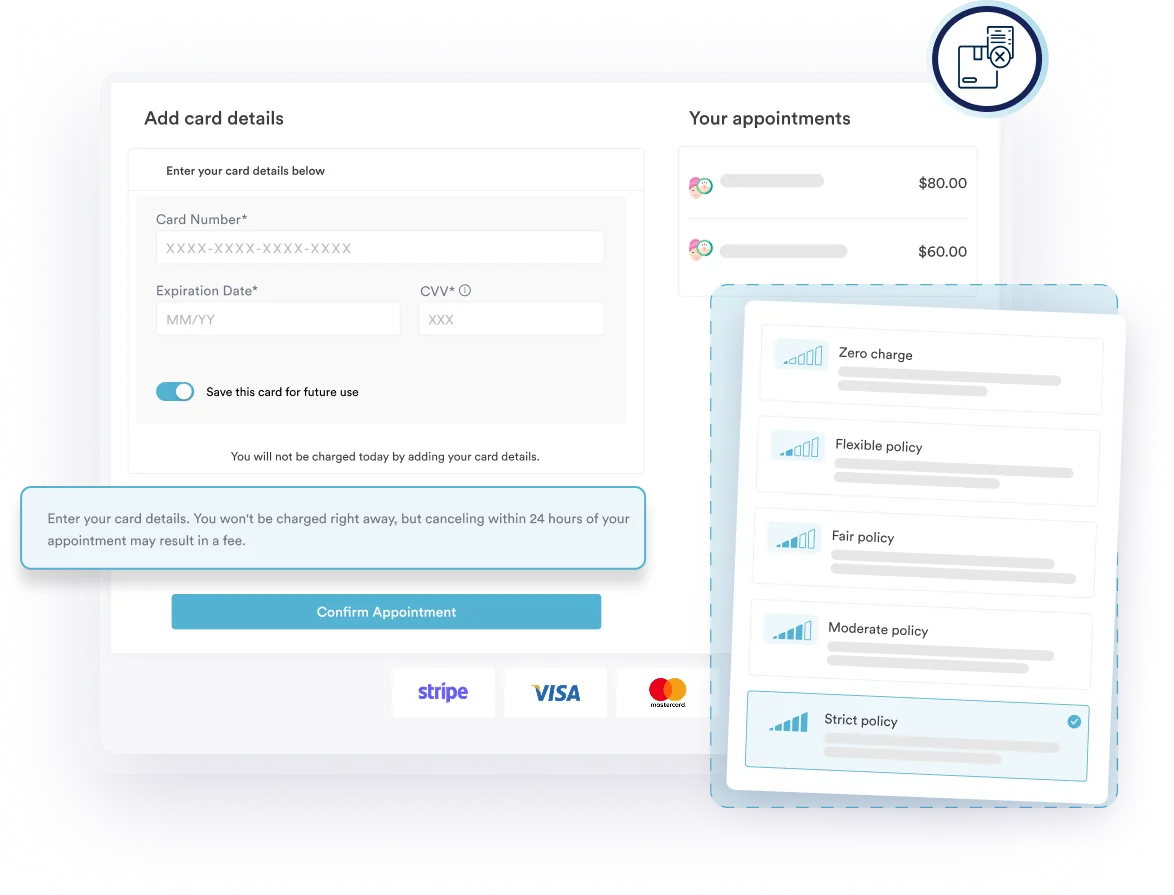
Poor preparation is the most common reason a glucose tolerance test result is unreliable. Patients need clear, written instructions well before the appointment. Using digital intake forms to capture medication lists and dietary history before the visit reduces last-minute cancellations when preparation requirements haven’t been met.
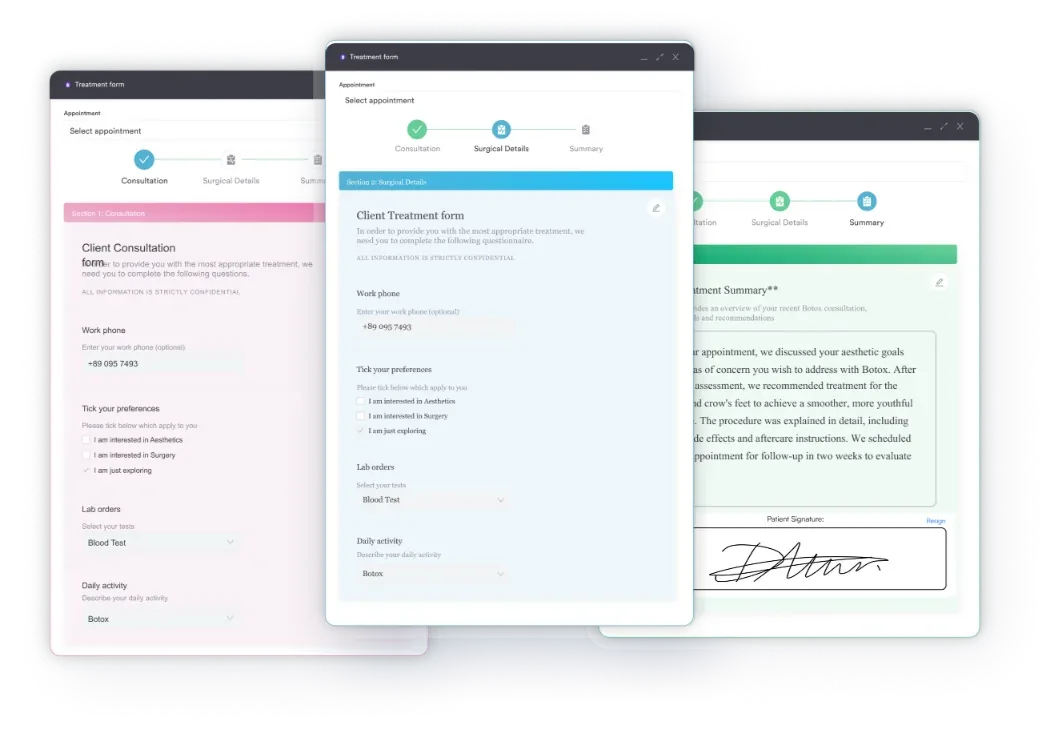
These preparation requirements should be documented in standardized medical forms sent to patients at the time of booking, not on the morning of the appointment.
Patients coming off a ketogenic diet, including one built around a keto grocery list, need the full three-day washout before testing. The same applies to anyone following a South Beach Diet list or another very-low-carbohydrate plan.
The GTT procedure is straightforward, but the timing of each draw is precise. Arriving late, eating before the test, or moving between draws can invalidate the result.
Flag any patient who vomits during the test immediately. If the glucose solution is not fully absorbed, the result is invalid and the test must be rescheduled. Document the incident in the clinical record with a timestamp.
Results are interpreted against established diagnostic thresholds, not a universal normal range. The thresholds differ by protocol (75g vs 100g), population (pregnant vs non-pregnant), and criteria set (ADA vs IADPSG vs Carpenter-Coustan). Always confirm results require clinician interpretation: a single abnormal value on its own may not be diagnostic.
For non-pregnant adults using the 75g 2-hour OGTT, the American Diabetes Association (ADA) Standards of Care in Diabetes—2026 specifies these plasma glucose thresholds:
A 2-hour value between 140 and 199 mg/dL indicates impaired glucose tolerance (IGT), also called prediabetes. This is a reversible metabolic state. Lifestyle interventions, including weight loss of 5-7% of body weight through an eating plan like the DASH diet food list and 150 minutes of moderate activity per week, reduce progression to diabetes by about 58%, according to the NIDDK Diabetes Prevention Program.
Patients managing elevated cholesterol alongside prediabetes can pair that effort with a lowering cholesterol meal plan built around the same lifestyle goals.
A 2-hour value at or above 200 mg/dL is diagnostic for diabetes mellitus when accompanied by symptoms, or must be confirmed by a repeat test on a separate day when asymptomatic. Clinicians can document and track these longitudinal results using patient records that log lab values over time alongside treatment decisions.
A structured nutrition care plan keeps dietary counseling next to those lab values in the same record.
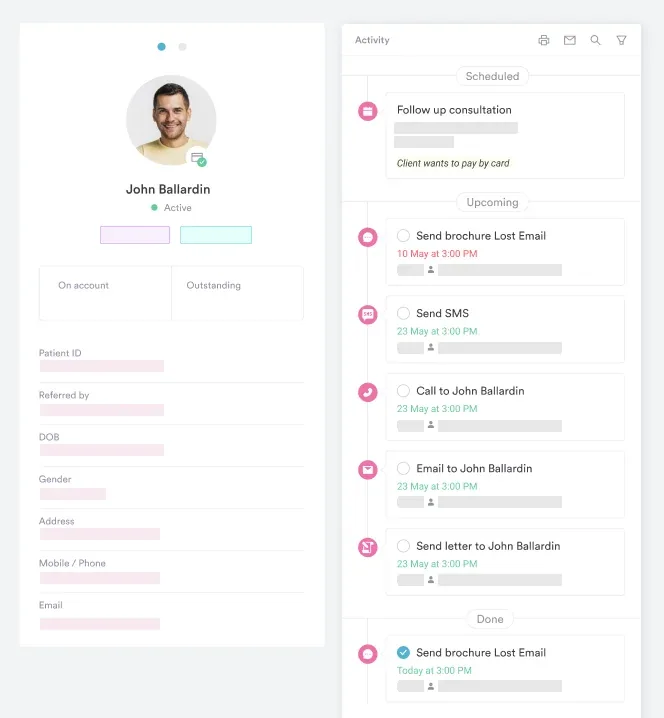
For practitioners who regularly review metabolic biomarkers, the guide on interpreting biomarkers without overpromising covers how to communicate results without overstating certainty.

Pabau’s lab management and digital forms tools let you send pre-test instructions, capture medication history, log GTT results, and flag abnormal values automatically.

Gestational diabetes mellitus (GDM) affects roughly 6-9% of pregnancies in the US, according to the American College of Obstetricians and Gynecologists (ACOG) Clinical Practice Update. Left undetected and unmanaged, GDM raises the risk of preeclampsia, cesarean delivery, macrosomia, and neonatal hypoglycemia.
Universal screening at 24-28 weeks of gestation is the standard of care. OB-GYN teams using OB-GYN practice software can automate the recall reminder so no patient misses their screening window.
Two distinct protocols are used during pregnancy. Understanding which applies to a given patient determines how results are interpreted.
The Carpenter-Coustan thresholds for the 100g OGTT are: fasting at or above 95 mg/dL, 1-hour at or above 180 mg/dL, 2-hour at or above 155 mg/dL, and 3-hour at or above 140 mg/dL. GDM is diagnosed when two or more values meet or exceed these levels.
The one-step IADPSG protocol, endorsed by the World Health Organization (WHO), diagnoses GDM when any single value meets the threshold: fasting at or above 92, 1-hour at or above 180, or 2-hour at or above 153 mg/dL.
The GTT is low-risk, but patients should be counseled on what to expect. Common temporary side effects after drinking the glucose solution include nausea, dizziness, lightheadedness, and, occasionally, vomiting. Bruising at the venipuncture site is possible after multiple draws.
The test should not be performed when a patient is acutely unwell. Illness, infection, and recent surgery all raise cortisol and inflammatory markers that elevate plasma glucose independently of diabetes status, producing a false-positive result. If a patient arrives feeling unwell, the test should be rescheduled. Acute stress also raises glucose, so anxious patients can use DBT distress tolerance skills to stay calm through the multi-hour draw.
Several factors beyond fasting compliance can skew results. The table below summarizes the most common confounders clinicians should screen for before ordering the test.
Medication interactions should be flagged during the patient intake process. Pabau’s lab management software allows clinicians to attach pre-test medication screening questions to the lab order, so contraindications are captured before the appointment.
A patient following a meal plan for ketosis in the weeks before testing is another common confounder worth asking about directly.
The glucose tolerance test is not the only tool for diagnosing diabetes or prediabetes. Each test has trade-offs in accuracy, patient burden, and clinical utility. Understanding these helps clinicians in functional medicine practice and primary care choose the right test for the right patient.
The ADA recommends any of these three tests as acceptable for diagnosing prediabetes or diabetes in non-pregnant adults, with the choice depending on patient circumstances, lab capabilities, and clinical context. Practices managing complex metabolic cases can explore approaches to lifestyle vs pharmacologic interventions for metabolic health once a diagnosis is confirmed.
A Mediterranean diet plan is one evidence-based starting point for the diet-first side of that conversation.
Diabetes diagnoses are often delayed because the right test wasn’t ordered at the right time. The glucose tolerance test catches impaired glucose metabolism that fasting glucose alone misses, and it remains the gold standard for gestational diabetes screening.
For clinics ordering GTTs regularly, getting the pre-test preparation right, documenting timed draws accurately, and flagging abnormal results quickly all depend on having the right systems in place.
Pabau’s lab management tools handle the workflow end: pre-test instructions via digital forms, timed result logging, and automatic alerts for out-of-range values. Book a demo to see how Pabau supports metabolic and diagnostic workflows in practice.

Tracking a patient’s cardiovascular risk too? Cholesterol level chart by age stratifies total cholesterol, LDL, HDL, and triglycerides by age group.
Counseling patients on lifestyle changes after a GTT? A low cholesterol diet plan gives patients a concrete, printable resource to support the lifestyle changes clinicians recommend.
Managing a patient already on diabetes medication? Diabetes medication list documents drug classes, generic names, dosing routes, and side effects in one form.
A glucose tolerance test (GTT) is a blood test that measures how well the body processes glucose after drinking a standardized sugar solution. It is used to diagnose type 2 diabetes, prediabetes (impaired glucose tolerance), and gestational diabetes mellitus (GDM). The most common form is the oral glucose tolerance test (OGTT), which uses a 75g glucose load in non-pregnant adults with blood drawn at fasting and 2 hours.
Fast for 8-12 hours before the test, drinking only water. Eat normally (including carbohydrates) for the 3 days before the test to avoid a false-positive result from carbohydrate restriction. Disclose all current medications to your provider, as corticosteroids, thiazide diuretics, and beta-blockers can affect results. Avoid strenuous exercise on the day of the test and plan to stay at the clinic for 2-3.5 hours depending on the protocol.
The 1-hour glucose challenge test (GCT) uses a 50g non-fasting glucose load and is a screening test for gestational diabetes in pregnancy. A result above 130-140 mg/dL (depending on the laboratory) triggers follow-up with the 3-hour OGTT, which uses a 100g fasting glucose load with blood draws at fasting, 1, 2, and 3 hours. The 3-hour test is the confirmatory diagnostic test for GDM.
For non-pregnant adults using the standard 75g 2-hour OGTT, a 2-hour value at or above 140 mg/dL is abnormal. Values between 140 and 199 mg/dL indicate prediabetes (impaired glucose tolerance). Values at or above 200 mg/dL, confirmed on repeat testing, are diagnostic for diabetes mellitus. These thresholds are set by the ADA and should always be interpreted by a clinician in the context of the patient’s full clinical picture.
The glucose tolerance test measures real-time glucose clearance over 2-3 hours after a glucose challenge, making it sensitive to post-load dysglycemia. The HbA1c reflects average blood glucose over the past 2-3 months and requires no fasting. The GTT is more sensitive for detecting early impaired glucose tolerance and is the required test for diagnosing gestational diabetes; HbA1c is not used to diagnose GDM and can be unreliable in patients with hemoglobin variants or anemia.
Yes. A positive 1-hour GCT screen means the 3-hour OGTT is required, not that gestational diabetes is confirmed. Roughly 75-80% of pregnant people who fail the 1-hour screen will have a normal 3-hour OGTT. GDM is only diagnosed when two or more values on the 3-hour test meet or exceed the Carpenter-Coustan thresholds (or one value under the IADPSG one-step protocol).