List of vitamins: All 13 with RDAs and deficiency signs
A list of vitamins names the 13 essential vitamins the body needs from food or s...

8
Last Updated: Oct 8, 2026

A low cholesterol diet plan reduces LDL cholesterol by limiting saturated fat, trans fat, and dietary cholesterol while increasing soluble fiber, healthy unsaturated fats, and plant sterols.
Key foods include oats (beta-glucan), nuts, fatty fish (omega-3), legumes, olive oil, whole grains, and plant sterol-fortified foods; avoidance includes saturated and trans fats, full-fat dairy, processed meats, and fried foods.
The NHLBI TLC (Therapeutic Lifestyle Changes) diet provides clinical targets: saturated fat < 7% daily calories, dietary cholesterol < 200 mg/day, and 10-25 g soluble fiber daily for measurable LDL reduction.
Pabau’s digital forms and patient portal enable practices to distribute this downloadable template, track patient adherence, and provide structured follow-up for dietary intervention workflows.
A comprehensive downloadable diet plan covering foods to eat and avoid, daily meal structure for 7 days, soluble fiber targets, and evidence-based nutritional guidance for managing high LDL cholesterol through dietary modification.
Download templateHigh LDL cholesterol is a leading cardiovascular risk factor in developed countries, affecting one in three adults. A structured low cholesterol diet plan is one of the most effective first-line interventions. It often reduces LDL by 20-30% when sustained, and it allows many patients to avoid or delay medication. This guide covers the evidence-based foods, nutrients, and meal structure your patients need to manage cholesterol through diet alone.
A low cholesterol diet plan is a structured eating pattern designed to reduce blood LDL cholesterol (the “bad” cholesterol that accumulates in artery walls) while maintaining or increasing HDL cholesterol (the “protective” kind). It works by limiting saturated fat, trans fat, and dietary cholesterol, the three dietary factors that raise LDL. It also increases soluble fiber, unsaturated fats, and plant sterols, which actively lower LDL. The plan targets realistic portion sizes, everyday food choices, and sustainable behavior change rather than temporary restriction.
Cholesterol exists in two forms: the cholesterol your body manufactures in the liver (endogenous, approximately 80% of blood cholesterol) and the cholesterol you consume in food (dietary, approximately 20%). A low cholesterol diet plan addresses both by reducing saturated fat intake (which triggers the liver to produce more LDL) and limiting dietary cholesterol sources.
The foods your patients should emphasize are rich in soluble fiber, unsaturated fats, or plant sterols-all proven to lower LDL. Consistency matters more than perfection; eating one cholesterol-lowering food daily is less effective than building a pattern around these staples.
Foods high in saturated fat, trans fat, or dietary cholesterol directly raise LDL cholesterol. Your patients should minimize or eliminate these staples to see meaningful improvement in 3-6 weeks, according to NHLBI TLC guidelines.
Software built for weight loss practices tracks each client’s plan, measurements, and follow-ups.
Understanding the mechanism behind each nutrient helps clinicians explain why the plan works, and it increases patient adherence. The three primary mechanisms are fiber-binding, cholesterol blocking, and inflammation reduction.
The NHLBI Therapeutic Lifestyle Changes (TLC) diet is the gold standard clinical framework for cholesterol reduction through diet. Developed by the National Heart, Lung, and Blood Institute, the TLC diet provides specific macronutrient targets that, when combined with your low cholesterol diet plan template, give patients measurable, achievable goals.
The downloadable low cholesterol diet plan template structures seven days of realistic, practical meals that naturally align with the TLC targets above. Each day includes breakfast, lunch, dinner, and two snack options.
The plan is intentionally flexible: patients can repeat favorite meals, swap similar foods (any white fish for salmon, any bean for lentils), and adjust portions based on their caloric needs. The key is consistency with the cholesterol-lowering nutrients (soluble fiber, plant sterols, omega-3) rather than rigid adherence to a single meal sequence.
Practices using a patient portal can share the PDF directly with patients pre-consultation, then use the consultation to customize portion sizes, address food allergies, and align the meal plan with the patient’s existing schedule and preferences.
Behavior change is the real determinant of success, not the plan itself. Use these clinician-tested strategies to help your patients move from awareness to sustained action.
Audit your patient’s current diet using a 3-day food diary BEFORE distributing the low cholesterol diet plan. Patients who see their own saturated-fat choices documented (“I ate butter four times, full-fat cheese twice”) are 3x more likely to adopt the plan than those receiving generic advice. The diary is also proof of adherence at follow-up and builds accountability.
This downloadable template is most effective when issued by a healthcare clinician as part of structured cardiovascular risk management. Target users include patients with:
A downloadable, structured diet plan brings five critical benefits to your clinical practice and your patients’ outcomes.
Clinical consistency: Without a template, each consultation describes cholesterol management differently. A standardized plan ensures every patient receives the same evidence-based guidance aligned with NHLBI TLC targets.
Patient engagement and adherence: Patients with a concrete, written plan in hand have 2-3 times higher adherence than those receiving verbal instruction alone.
Workflow efficiency: Using digital intake forms, you can capture a patient’s baseline cholesterol level and risk factors, then populate them into the template at the visit, creating a personalized document in minutes instead of writing a custom plan by hand.
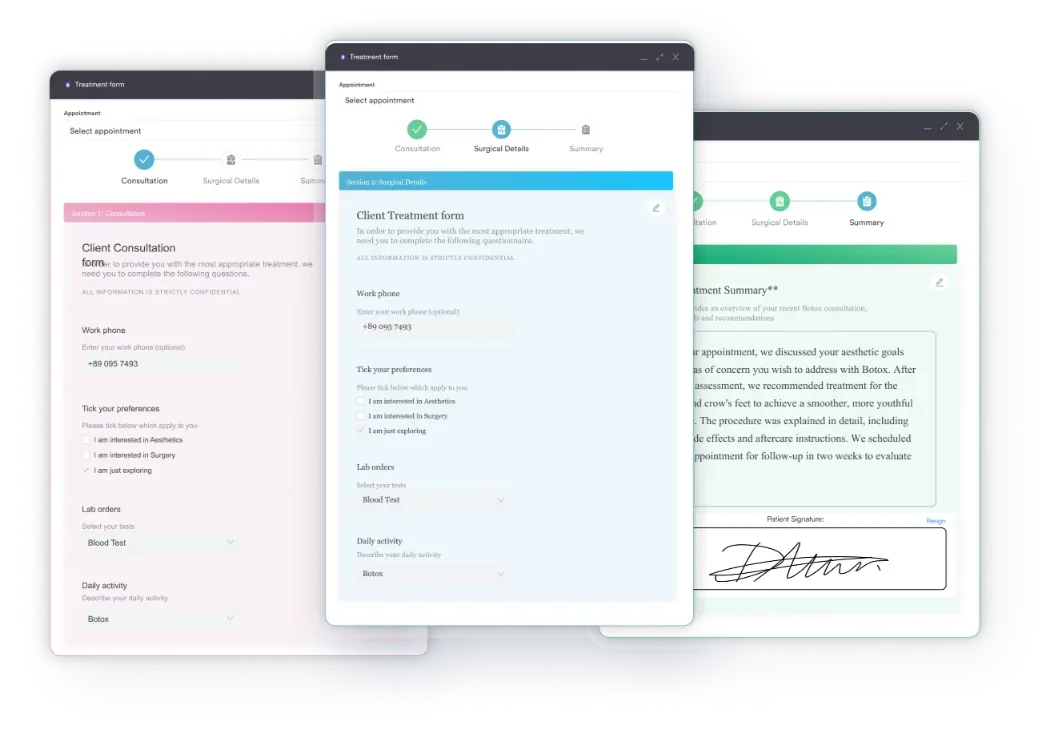
Documentation and audit readiness: A documented, issued diet plan becomes part of the clinical record and demonstrates proactive cardiovascular risk management if audited by regulators or during medicolegal review.
Measured follow-up: A structured plan with date-stamped issuance allows you to recheck lipids 6-12 weeks later and objectively assess adherence. Poor improvement prompts escalation to pharmacotherapy or specialist referral.
Integrating the template into your practice workflow is straightforward using structured patient records and automated workflows. At the consultation: (1) confirm the patient’s recent lipid panel and CVD risk category, (2) explain the TLC framework and expected timeline (3-6 weeks for LDL reduction), (3) discuss barriers and preferred foods.
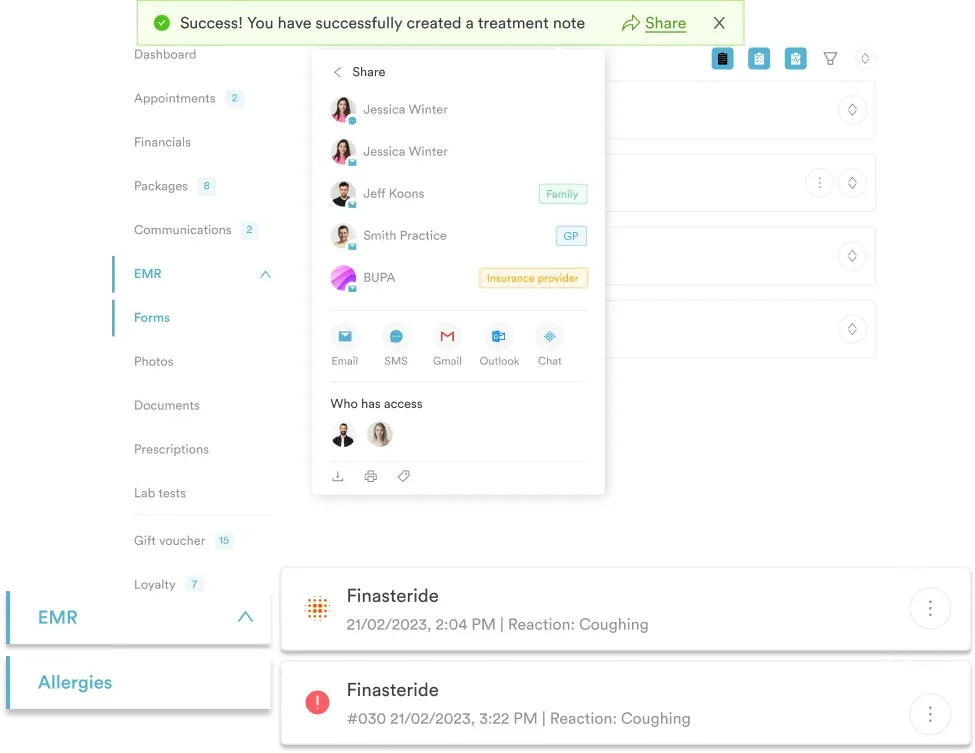
Document the plan issuance in the patient record with a note: “Low cholesterol diet plan issued. Patient verbalized understanding of saturated fat limit, soluble fiber target, and TLC framework. Recheck lipids and diet adherence on [date].”

Pabau’s digital forms and patient portal let you share diet plans instantly and track which patients opened, printed, or downloaded them, giving you complete adherence visibility without manual follow-up calls.

High LDL cholesterol remains one of the most preventable cardiovascular risk factors. A structured low cholesterol diet plan is grounded in NHLBI TLC evidence and delivered as a concrete, downloadable template. It gives your patients a clear roadmap and gives you measurable, documented evidence of proactive cardiovascular management. Issuance is simple, compliance is trackable, and when combined with regular lipid rechecks and motivational behavior-change support, diet is often effective enough to delay or prevent medication initiation.
Issue the template, follow up in 6 weeks, and escalate to pharmacotherapy if diet alone is insufficient. This sequence works for most patients, especially when the plan is shared through a patient portal that removes friction and keeps adherence on track.

Moving a patient toward plant-based eating? 30-day plant-based diet plan sets out a daily meal structure with food lists and practical tips for beginners.
Helping a patient manage stress-driven eating? 5-5-5-5-5 mindful eating exercise walks patients through five people, five calming places, and five distracting activities to try instead.
Managing a patient’s reflux alongside cholesterol goals? 7-day GERD diet plan lays out low-acid meals, trigger-food guidance, and a tracking worksheet for patients.
A low cholesterol diet plan is a structured eating pattern that reduces LDL cholesterol by limiting saturated fat, trans fat, and dietary cholesterol while increasing soluble fiber, unsaturated fats, and plant sterols. The NHLBI TLC framework targets saturated fat less than 7% of daily calories, dietary cholesterol less than 200 mg per day, and 10-25 g soluble fiber daily to achieve measurable LDL reduction.
Meaningful LDL reduction typically takes 3-6 weeks of consistent diet adherence. Some patients see a 5-10% drop in 2 weeks; others require 8-12 weeks. Cholesterol is synthesized continuously by the liver in response to dietary signals, so the timeline depends on the patient’s metabolic rate, genetic predisposition (familial hypercholesterolemia responds more slowly to diet alone), and adherence consistency.
Avoid saturated fat (butter, full-fat dairy, fatty meats), trans fats (commercial baked goods, fried fast food), high-cholesterol foods (organ meats, egg yolks in excess), and processed meats. Replace these with unsaturated fats, legumes, whole grains, and plant-based proteins. Current guidance limits saturated fat to less than 7% daily calories and dietary cholesterol to less than 200 mg per day.
Yes. Plant sterols block dietary cholesterol absorption in the intestines, reducing LDL cholesterol by 8-10% when 2 g daily is consumed consistently. They are found naturally in nuts, seeds, and whole grains, and are added to fortified margarines, yogurts, and plant-based drinks. The effect is additive with other dietary modifications.
Yes. Oats contain beta-glucan, a soluble fiber that lowers LDL cholesterol by 5-10% when 3 g beta-glucan (roughly 1.5 cups cooked oatmeal) is consumed daily. The effect is most pronounced when oatmeal replaces refined carbohydrates and is combined with other fiber-rich foods (beans, fruits) and unsaturated fats.
If LDL remains above target (usually 130 mg/dL for general patients, less than 100 for those with CVD or diabetes) after 12 weeks of consistent diet adherence, statin therapy is indicated. Diet should remain the foundation. Medication enhances but does not replace dietary lifestyle changes. Coordinate with the prescribing physician and recheck lipids 4-12 weeks post-initiation.