Treatment summary
A treatment summary is a written record of what care was delivered during an epi...

4
Last Updated: Oct 16, 2026
An SLE medication list is a clinical record of every drug a patient with systemic lupus erythematosus (SLE) takes, grouped by class. Each entry carries the dose, indication, monitoring schedule, and review date. The free template below gives rheumatologists, internists, and primary care physicians a ready-made table for tracking lupus therapy at every visit.
SLE treatment draws on five drug groups. Hydroxychloroquine is the backbone, NSAIDs relieve symptoms, and corticosteroids control flares. Conventional immunosuppressants such as mycophenolate mofetil, azathioprine, methotrexate, and cyclophosphamide spare patients from long-term steroids. Refractory disease calls for newer targeted therapy, meaning the biologics belimumab and anifrolumab, or voclosporin, an oral calcineurin inhibitor for lupus nephritis.
Each of those drugs brings its own monitoring task, from retinal exams to blood counts. That makes the list the patient’s safety schedule as much as a record of what they take.
A fill-in table organized by drug class, with space for drug name, strength, dosing, monitoring requirements, and review dates for every SLE medication. Adapt it to your practice and keep each patient’s medication record complete and audit-ready.
Download template
An SLE medication list records every lupus drug a patient takes, grouped by class with its dose, indication, monitoring, and review date.
Hydroxychloroquine is the foundation of SLE therapy for every patient without a contraindication, with NSAIDs for pain and corticosteroids for flares.
Conventional immunosuppressants and the biologics belimumab and anifrolumab treat moderate-to-severe disease. Voclosporin, an oral calcineurin inhibitor, treats active lupus nephritis.
Keep hydroxychloroquine at or below 5 mg/kg/day of real body weight, with retinal exams at baseline and then annually.
Practice management software like Pabau keeps the list in the patient record and sends recall reminders, so lab work and eye exams stay on schedule.
An SLE medication list captures every medication a lupus patient receives, alongside dose, frequency, indication, monitoring requirements, and contraindications. A pharmacy list stops at the drug and the dose. This list adds the safety and efficacy checks a rheumatologist runs at each visit.
SLE treatment is long-term and usually involves several drugs at once. Hydroxychloroquine prevents flares and organ damage over years. Corticosteroids suppress acute inflammation, and immunosuppressants spare patients from cumulative steroid toxicity. Biologics target specific immune pathways in refractory disease.
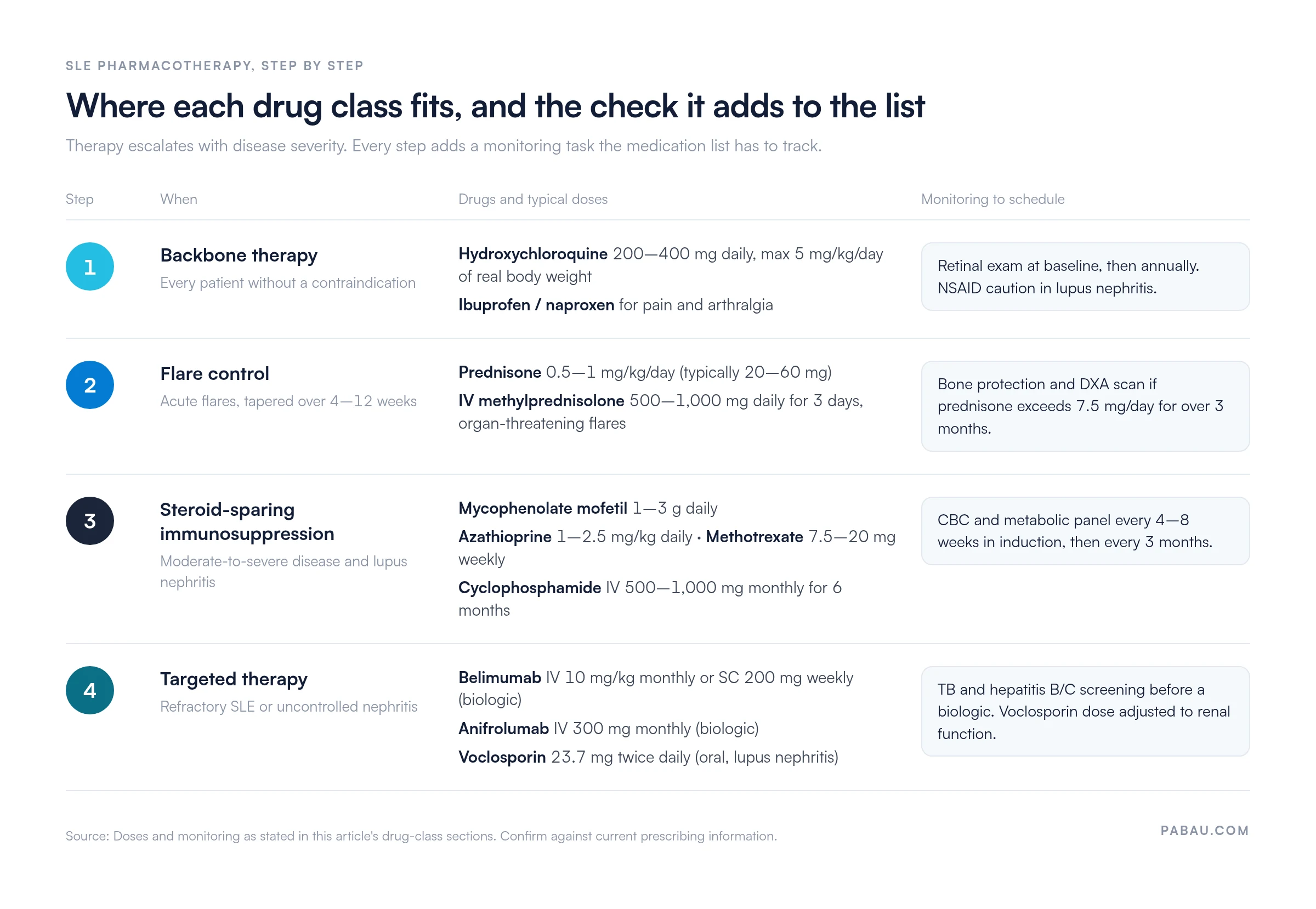
Each drug carries its own monitoring burden, such as retinal exams for hydroxychloroquine or bone protection for steroids. A structured list keeps those checks on schedule and leaves a defensible audit trail. The ladder below shows which check each treatment step adds.
The downloadable template is organized by drug class, with column headers for drug name, brand name, strength, route, frequency, indication, and monitoring schedule. The same layout works for an RA medication list, so rheumatoid arthritis and lupus patients share one documentation format. Use these five steps to put it to work.
Hydroxychloroquine (Plaquenil) is the cornerstone of SLE therapy. Rheumatology guidelines recommend it for every SLE patient without a contraindication, at 200–400 mg daily. It prevents flares, reduces organ damage, and improves long-term survival.
Keep the daily dose at or below 5 mg/kg of real body weight to limit the risk of retinal toxicity. NSAIDs such as ibuprofen and naproxen ease pain, arthralgia, and mild inflammation. They carry kidney and gastrointestinal risks in SLE, especially in lupus nephritis.
Prednisone and methylprednisolone are standard flare therapy. Acute flares are treated with prednisone 0.5–1 mg/kg/day (typically 20–60 mg daily), tapered over 4–12 weeks as disease activity improves. IV methylprednisolone 500–1,000 mg daily for three days is reserved for severe, organ-threatening flares, such as CNS lupus or severe nephritis.
Every patient on long-term corticosteroids needs bone protection. That means calcium 1,200 mg daily and vitamin D 800–1,000 IU daily. Add alendronate 70 mg weekly if the prednisone dose exceeds 7.5 mg daily for more than three months.
Mycophenolate mofetil (MMF, CellCept) is first-line induction and maintenance therapy for lupus nephritis, with large RCT evidence showing superior outcomes to cyclophosphamide. Typical dosing is 1–3 g daily in divided doses. Azathioprine (Imuran) 1–2.5 mg/kg daily is a traditional steroid-sparing agent.
Methotrexate 7.5–20 mg weekly treats non-renal SLE. Cyclophosphamide (Cytoxan) IV pulse 500–1,000 mg monthly for six months is reserved for severe lupus nephritis or life-threatening CNS lupus, given its toxicity.
All conventional immunosuppressants need regular lab monitoring. Order a complete blood count (CBC) and comprehensive metabolic panel every 4–8 weeks during induction, then every three months on maintenance. Keeping lab orders and results in the same system as the medication list makes an overdue panel easy to spot.
Methotrexate and cyclophosphamide are contraindicated in pregnancy. Women of childbearing age on either drug need reliable contraception and counseling on teratogenic risk.
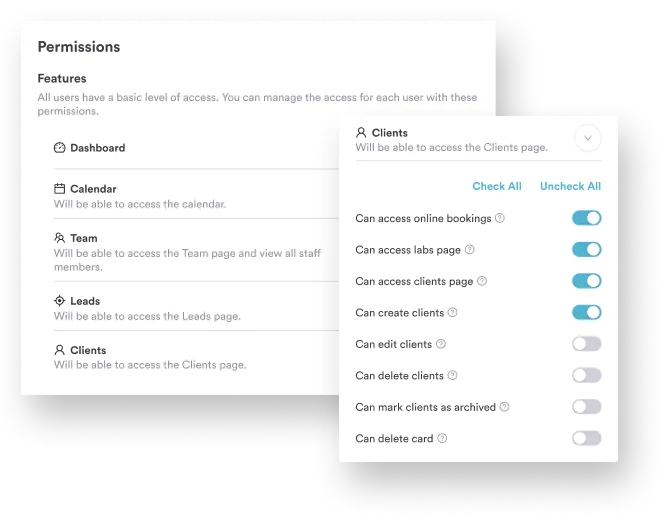
Belimumab (Benlysta) is a B-lymphocyte stimulator inhibitor, approved in 2011 for moderate-to-severe SLE. It is given IV at 10 mg/kg at weeks 0, 2, and 4, then monthly, or as 200 mg SC weekly.
Anifrolumab (Saphnelo), approved on July 30, 2021, is a type I interferon receptor antagonist given IV at 300 mg monthly. TULIP trial data showed significant improvement in moderate-to-severe SLE refractory to standard therapy.
Voclosporin (Lupkynis), approved in January 2021, is an oral small-molecule calcineurin inhibitor for active lupus nephritis. Unlike belimumab and anifrolumab, it is not a biologic. The dose is 23.7 mg twice daily, adjusted for kidney function.
Biologics are usually reserved for moderate-to-severe disease, refractory SLE, or lupus nephritis that conventional immunosuppressants haven’t controlled. Screen for tuberculosis and hepatitis B and C before starting one. Live vaccines are contraindicated during biologic therapy.
Belimumab and anifrolumab are infused specialty drugs that need refrigerated storage and payer approval before the first dose. Track those requirements on the practice’s specialty medication list so the infusion schedule holds.
Drug-induced lupus erythematosus (DILE) is a distinct syndrome triggered by certain medications. Procainamide, hydralazine, isoniazid, minocycline, and TNF inhibitors carry the highest risk. Unlike SLE, it typically resolves once the offending drug is stopped.
When prescribing for SLE patients, avoid known DILE culprits where possible. If one is necessary, use the lowest effective dose and watch closely for symptom flares. These are the drugs most often implicated.
Every drug used in SLE carries its own monitoring requirements. Use this reference at review visits to confirm that no test is overdue.
Automated workflow alerts can flag when a monitoring test is due, so staff don’t have to track dates by hand.
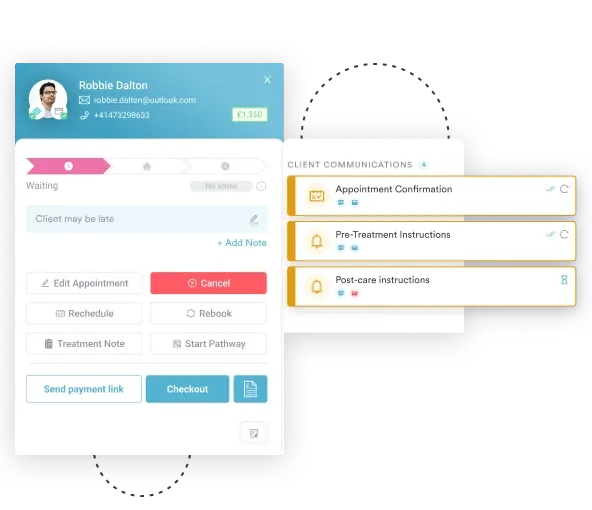
Document the rationale for every SLE medication choice. Note why a patient takes 200 mg of hydroxychloroquine instead of 400 mg, or mycophenolate instead of azathioprine. Record when you plan to review or taper therapy. This context helps the next clinician follow the treatment logic and supports clinical audits.
Fatigue is the most common symptom in SLE, and it often persists after inflammation is controlled. Optimize hydroxychloroquine dosing first. Some patients benefit from DHEA 200 mg daily, although the evidence is modest.
Patient education on sleep hygiene, exercise, and stress management matters as much as the medication. Screen for depression and hypothyroidism, which both amplify fatigue. Avoid unnecessary polypharmacy, since a simpler regimen sometimes improves energy and adherence.
Long-term corticosteroid therapy accelerates bone loss. Every patient on prednisone above 7.5 mg daily for more than three months needs alendronate 70 mg weekly or risedronate 35 mg weekly. Add calcium carbonate 1,200 mg daily in divided doses and vitamin D 800–1,000 IU daily.
Proton pump inhibitors at 20–40 mg daily protect the stomach in patients on chronic NSAIDs or corticosteroids. A baseline DXA scan is standard for all women on long-term steroids and recommended for men over 50.
Lupus nephritis with proteinuria also calls for an angiotensin receptor blocker alongside immunosuppressant therapy. An ARB protects the kidneys by lowering protein loss, so record the agent and dose on the medication list.
Many rheumatology practices track lupus medications across paper lists, lab portals, and a separate reminder system. A dose change gets written in one place, while the next retinal exam date sits in another.
Practice management software like Pabau brings those pieces into one patient record. The medication list sits alongside progress notes, treatment plans, and lab results. Digital forms capture the regimen before the visit, and automated reminders go out when a monitoring test is due.
Clinicians see the full regimen before each consultation, and every change is documented for audit. Book a demo with Pabau to see how it fits your rheumatology team’s workflow.
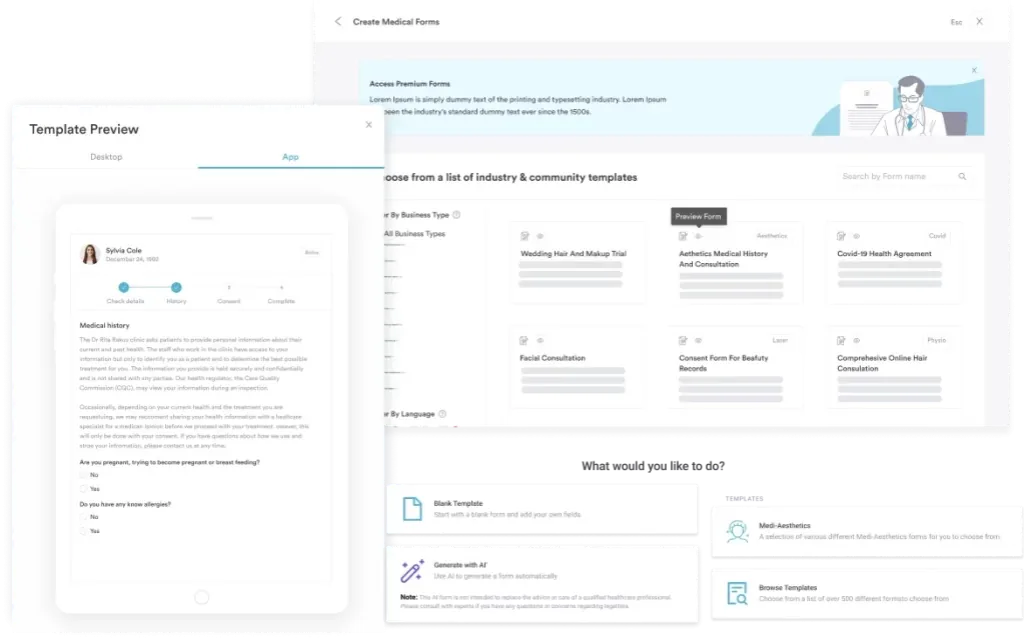

Pabau stores the SLE medication list in the patient record and sends automated reminders for lab work and eye exams. Your team spends less time chasing monitoring dates.

Lupus therapy rarely stays still. Doses taper, drugs are added for flares, and each change brings a new monitoring date. A medication list protects the patient when it’s updated at every visit and every dose change.
Start with the patients on the most drugs, such as those with lupus nephritis on an immunosuppressant plus a biologic. Their lists carry the most monitoring dates and the highest cost of a missed one. The trade-off is time, since a thorough first entry takes a full chart review.
Once the list lives in the patient record, recall dates can run automatically. Book a demo to see how Pabau tracks lupus medications and monitoring for your practice.

Treating rheumatoid arthritis too? RA medication list applies the same drug-class layout to rheumatoid arthritis therapy.
Need a dosing timetable for patients? Medication schedule template sets out what to take and when, in a printable form.
Want a record of each dose given? Medication log template shows what to record for each medication.
Checking a drug before prescribing? Drug card template condenses a drug’s key facts for nurses and clinicians.
Keeping dispensing records? Pharmacy record template covers what to include and how long to keep it.
Hydroxychloroquine 200–400 mg daily is the first-line treatment for all SLE patients without a contraindication. It prevents flares, reduces organ damage, and improves long-term survival. NSAIDs address pain and mild inflammation, and corticosteroids manage acute flares.
Common causes of drug-induced lupus include procainamide, hydralazine, isoniazid, minocycline, TNF inhibitors, sulfonamides, and certain phenothiazines. Unlike SLE, drug-induced lupus typically resolves after the offending drug is stopped.
Hydroxychloroquine is the backbone of SLE therapy. It reduces disease activity, prevents flares, limits organ damage (especially kidney involvement), and improves survival. It is used in all SLE patients unless contraindicated, typically at 200–400 mg daily.
Yes. Anifrolumab (Saphnelo), a type I interferon receptor antagonist, was approved by the FDA on July 30, 2021, for moderate-to-severe SLE. Voclosporin (Lupkynis), an oral calcineurin inhibitor, was approved in January 2021 for active lupus nephritis. Both offer additional options for refractory disease.
Conventional immunosuppressants for SLE include mycophenolate mofetil (first-line for lupus nephritis), azathioprine (steroid-sparing), methotrexate (non-renal SLE), and cyclophosphamide (severe nephritis). The FDA-approved biologics are belimumab and anifrolumab. Voclosporin, an oral calcineurin inhibitor, is also approved for lupus nephritis.
Optimize hydroxychloroquine dosing first, since some fatigue reflects incomplete inflammation control. DHEA 200 mg daily may help if standard therapy isn’t enough. Exercise, sleep hygiene, stress management, and screening for depression and hypothyroidism are equally important and often more effective.