Treatment summary
A treatment summary is a written record of what care was delivered during an epi...

1
Last Updated: Oct 16, 2026

A drug card is a standardized reference tool clinicians use to document essential medication information, dosage, contraindications, side effects, and nursing considerations, for safe prescribing and patient care.
Clinical drug cards differ from prescription discount cards: the first is a nurse or clinician reference, the second is a patient cost-saving tool. Both use the term ‘drug card’ but serve different purposes.
Essential fields include generic and brand names, drug class, dose and frequency, high alert status, indications, contraindications, side effects, nursing considerations, and patient education.
The template fits identifying details through patient education onto page one, with the second page reserved for additional notes.
A ready-to-use drug card template covering generic and brand names, drug class, dose and frequency, high alert status, indications, contraindications, side effects, nursing considerations, and patient education. Ideal for nursing students, clinicians, and clinical educators.
Download templateEvery pharmacology rotation eventually comes down to the same assignment: build a drug card for each medication your patient is on. It sounds simple until you’re staring at a blank template an hour before clinical, unsure which details actually matter enough to include.
A drug card only works if it forces the essentials onto one reference: what the drug is, what it treats, what can go wrong, and what to watch for, so you’re not flipping through a textbook mid-shift. Get the structure right once, and every card after it takes a fraction of the time to build.
A drug card is a standardized reference format that captures the critical facts about one medication in a single place. Instead of paging through a pharmacology textbook or a drug database every time you need a dosage check, a contraindication, or a side-effect profile, the drug card puts the essentials, name, classification, indications, dosing, contraindications, adverse effects, and clinical considerations, in one scannable spot.
Clinicians use them for three reasons. Speed: a quick reference during a patient encounter beats searching a database on the spot. Accuracy: a standardized format closes the gaps that free-form notes leave open.
Compliance: structured medication records support audit trails and medication safety programs. For nursing students, the same card doubles as a study tool. A deck built for coursework or the NCLEX can start from a pharmacology-focused drug card, which groups cards by therapeutic class.
Fold that format into electronic medication records, and it becomes part of the patient’s permanent chart rather than a loose index card. That’s why hospitals and practices are moving away from free-form notes toward standardized templates that every clinician on the team fills in the same way.
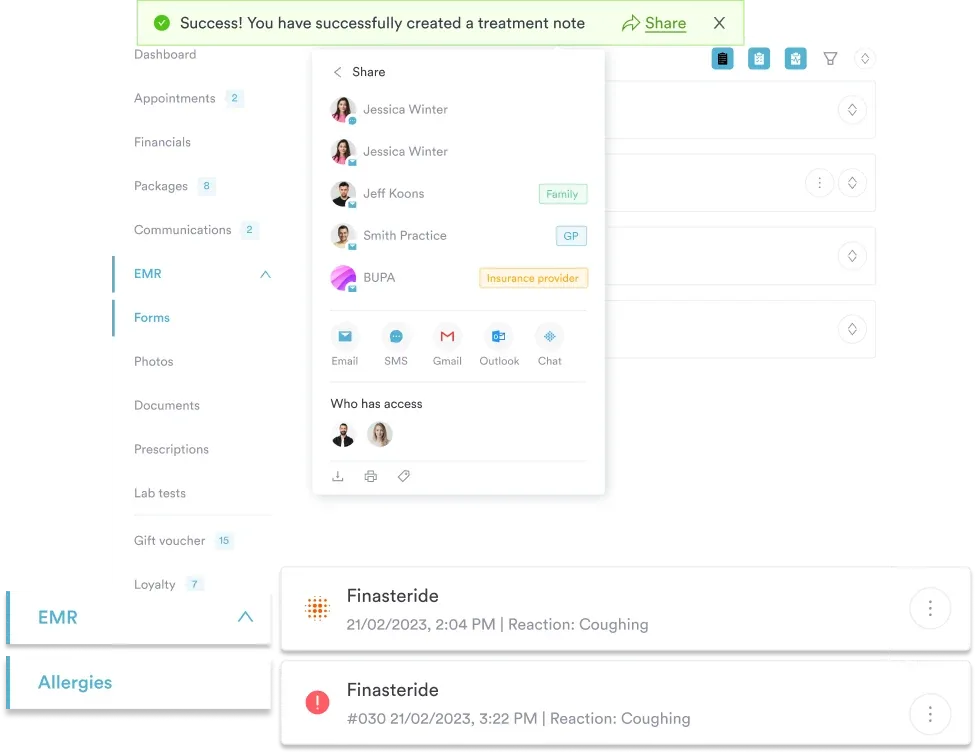
The term “drug card” describes two very different tools, and it’s worth knowing the difference. A clinical drug card, the kind this template provides, is a medication reference used by healthcare professionals during practice. A prescription discount card is a patient-facing savings tool used at the pharmacy checkout to cut out-of-pocket costs.
This template covers clinical drug cards. If you need a patient prescription savings tool instead, that’s a separate category covered by GoodRx and similar platforms.
An effective clinical drug card captures what a clinician needs during patient care, in a format you can scan in seconds. Here’s what the template covers, field by field:
The template fits nearly all of this, from identifying details through patient education, onto its first page. The second page is a full sheet reserved for additional notes. Nursing programs and clinical settings expect this kind of structure, which is why standardized templates are used so widely instead of free-form notes.
If you are new to digital tooling, start with what practice management software does before digitizing forms like this.
Filling one in correctly takes practice, but the workflow becomes second nature fast. Here’s the order most clinicians follow:
Step two gets easier with a finished example to work from. The reference on pulmonary hypertension drug classes pairs every approved drug with its route and the monitoring point that decides whether to continue it.
The throughline is specificity. A drug card that says “monitor for side effects” is nearly useless. One that says “check CBC weekly for the first month due to agranulocytosis risk” tells the next clinician exactly what to do.
Structuring that detail inside digital forms means it feeds your medication safety checks and patient communication automatically, instead of sitting on a card in someone’s pocket.
Seeing a completed card makes the structure click faster than any explanation. The two examples below, metformin and lisinopril.
Notice how each example compresses a lot of clinical knowledge into a scannable format. When you write cards for your own patients, follow the same pattern: one drug, a clear hierarchy of information, specifics instead of generalities, and a focus on what you need to know right now.
A printed drug card is a starting point, not an endpoint. The real value shows up when medication documentation plugs into your broader clinical system. In a practice using AI-assisted clinical documentation, drug card data can auto-populate from a drug database, cutting manual entry and keeping every clinician’s card consistent.
Store that same data in structured patient records and it becomes searchable and auditable instead of buried in a drawer. It can also trigger a real-time safety check, flagging that a patient is allergic to sulfonamides before a sulfa-based prescription goes out, for instance.
Each medication captured this way also feeds the bigger documentation picture: prescription drug management is one of the risk factors that can support a higher medical decision making level, so accurate drug card data supports coding as much as it supports safety.
This is why mental health clinicians, chronic disease management practices, and integrated medicine specialists are moving beyond printed templates toward digital medication records that keep the drug card format but live inside the patient’s chart.

Practice management software like Pabau can turn a static drug card into structured, searchable medication records your whole team can access, instead of a template that lives outside the system your practice runs on.

A well-built drug card is one of the most practical tools you’ll carry through nursing school and into practice. The template above gives you a tested format: drug names, classification, indications, dosing, contraindications, side effects, nursing considerations, and patient education, spread across its two pages.
Download it, adapt it to your setting, and use it consistently rather than reinventing the layout every time. Once you’re managing more medication data than a printed card can hold, book a demo to see how Pabau turns that same structure into a searchable part of every patient’s record.

Need to capture history before you build a drug card? Family medical history form gives you a structured starting point for the conditions and medications that matter most.
Documenting what happens after the medication list changes? Discharge planning checklist walks through what needs confirming before a patient leaves your care.
Need a template for care delivered outside the practice? Home care form keeps medication and visit details consistent across a home-based care team.
A drug card is an educational reference documenting a drug’s properties: dosage, side effects, contraindications. A MAR is an administrative record showing what a specific patient actually received and when. Drug cards inform MARs, but the two serve different purposes.
Yes, if a patient takes them regularly. OTC medications and herbal supplements interact with prescriptions, aspirin with anticoagulants, St. John’s Wort with SSRIs, so they belong in the same medication review as anything prescription-only.
High-alert medications, insulin, opioids, anticoagulants, and concentrated electrolytes, cause serious harm if dosed incorrectly. Flagging one on a drug card is a prompt to double-check the dose before it reaches the patient.
Update it whenever the drug’s label changes, a new boxed warning is issued, or your patient population shifts, for example, moving from adult to pediatric dosing. Treat it as a living reference, not a one-time assignment.
Requirements vary by setting. Nursing students are almost always required to prepare them as part of their education. In clinical practice, standardized medication documentation, often digital, achieves the same goal. Check your employer’s policy.