Journal prompts for mental health
Journal prompts for mental health are guided questions that help people process ...

2
Last Updated: Oct 13, 2026

A couples therapy workbook provides structured exercises and guided conversations that therapists use in session and assign as between-session homework to strengthen relationships.
Evidence-based frameworks like the Gottman Method, EFT, and CBT guide the workbook’s design, ensuring exercises address communication, conflict resolution, trust-building, and intimacy systematically.
This free couples therapy workbook includes communication exercises, conflict resolution worksheets, trust-building activities, and intimacy exercises clinicians can customize for their practice.
Practice management software like Pabau lets therapists share the workbook PDF directly with couples, track completed exercises in session notes, and keep all documentation in one integrated record.
A ready-to-use therapeutic resource covering communication exercises, conflict resolution worksheets, trust-building activities, and intimacy exercises grounded in evidence-based frameworks. Designed for therapists to use in session and assign as homework.
Download templateCouples therapy requires structured, evidence-based tools that guide meaningful conversations and lasting behavioral change. A couples therapy workbook provides exactly that: a systematic framework therapists use to facilitate exercises, track progress, and empower partners to practice skills between sessions.
This guide covers what a couples therapy workbook is, how to use it with clients, and how it fits into a modern therapy practice.
A couples therapy workbook is a structured therapeutic tool containing guided exercises, worksheets, and conversation prompts designed to help partners strengthen communication, resolve conflict, rebuild trust, and deepen emotional intimacy. The couples therapy workbook serves as both an in-session resource and a between-session homework assignment, making it a core component of evidence-based couples therapy.
Unlike generic relationship books. Therapists customize the exercises to match the couple’s specific challenges-whether managing conflict, rebuilding trust after infidelity, or reconnecting after years of disconnection.
A comprehensive couples therapy workbook covers four main areas, each with structured exercises therapists adapt to the couple’s needs:
Communication exercises form the foundation of couples therapy. Poor communication patterns-criticism, defensiveness, contempt, stonewalling-are predictors of relationship breakdown. A couples therapy workbook teaches partners structured techniques to break these patterns.
Typical communication exercises include the Speaker-Listener Technique (one partner speaks uninterrupted while the other reflects back what they heard), “I Feel” statements (expressing emotions without blame), and validation exercises (acknowledging the partner’s perspective without necessarily agreeing). Therapists assign these as homework so couples practice in lower-stakes moments before applying skills during real conflicts.
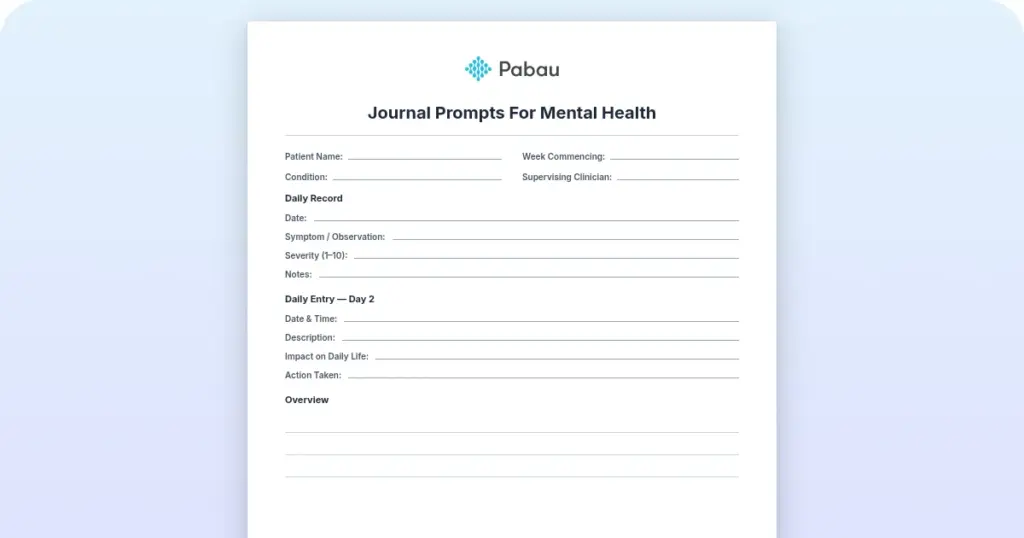
A daily mindfulness journal supports that homework, helping each partner notice rising emotion before a conversation turns sharp.
Resources like this pair well with telehealth software, letting remote clients complete them during virtual sessions.
Conflict resolution worksheets help couples move from blame cycles to collaborative problem-solving. These worksheets typically include prompts for identifying the core issue (versus surface complaints), exploring each partner’s underlying needs and fears, and brainstorming solutions that honor both perspectives.
By completing conflict resolution worksheets together, couples learn to separate the problem from the person, recognize how triggers operate, and develop repair strategies they can use independently.
The Gottman Repair Checklist covers the moment mid-argument, before problem-solving is possible. It lists about 70 scripted phrases partners agree on while calm, then use to stop a fight escalating.
Trust-building activities are essential when couples have experienced betrayal, infidelity, or sustained emotional withdrawal. These exercises create measurable moments of reliability-small commitments the unfaithful partner honors consistently, gradually rebuilding the injured partner’s confidence.
Examples include daily check-in conversations, transparency agreements (sharing passwords or schedules), vulnerability disclosure exercises (sharing fears and insecurities), and appreciation rituals where partners acknowledge specific positive actions. Progress on trust-building activities often becomes a visible marker of therapy success and client motivation.
Intimacy and connection exercises address the emotional and sometimes physical disconnection many couples experience. These might include Love Maps exercises (questions that deepen each partner’s knowledge of the other’s inner world), sensate focus activities (non-sexual touch to rebuild physical comfort), or shared meaning exercises (discussing values, goals, and relationship rituals).
These sections help couples transition from crisis management to rebuilding the relationship they want, rather than just preventing breakdown.
The Gottman Method, grounded in over 40 years of couples research, identifies the “Four Horsemen” of relationship collapse (criticism, defensiveness, contempt, stonewalling) and teaches antidotes through structured exercises. The Sound Relationship House framework guides couples through nine levels, from love maps and fondness to managing conflict and creating shared meaning.
Emotionally Focused Therapy (EFT) emphasizes accessing and restructuring emotional responses within the couple dynamic. CBT-based approaches focus on identifying thoughts and behaviors that fuel conflict. A comprehensive couples therapy workbook draws from all three frameworks, giving therapists flexibility to match exercises to the couple’s primary concerns and therapeutic orientation.
Therapists integrate the couples therapy workbook through these five core steps:
Effective therapists customize the couples therapy workbook rather than use it as a rigid script, adapting timing, language, and focus to match the couple’s readiness and therapy goals.

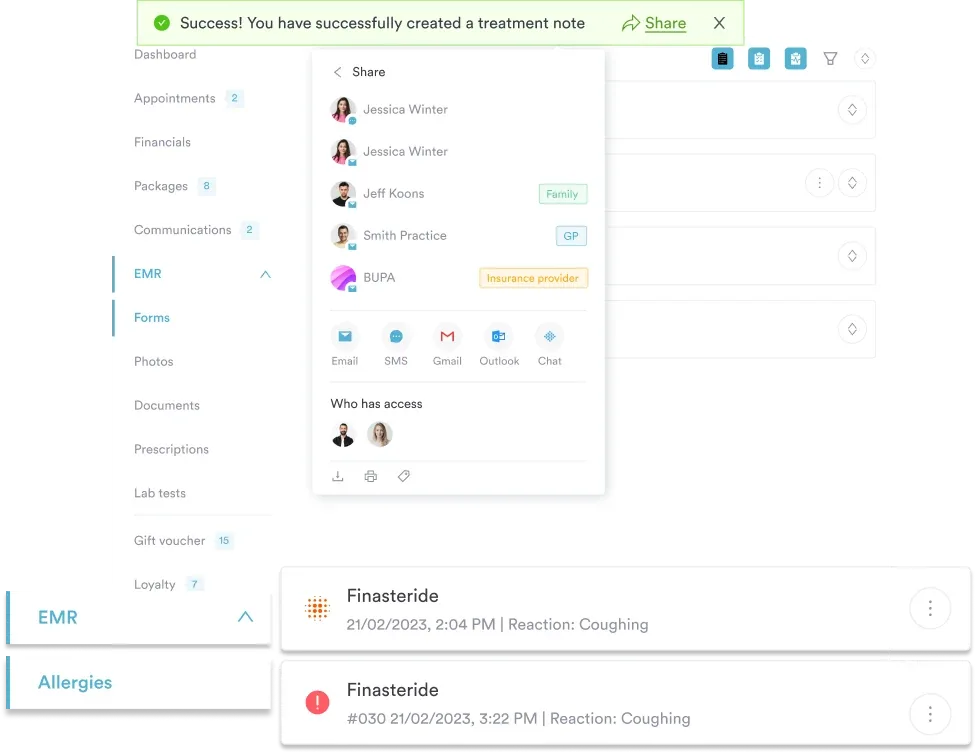
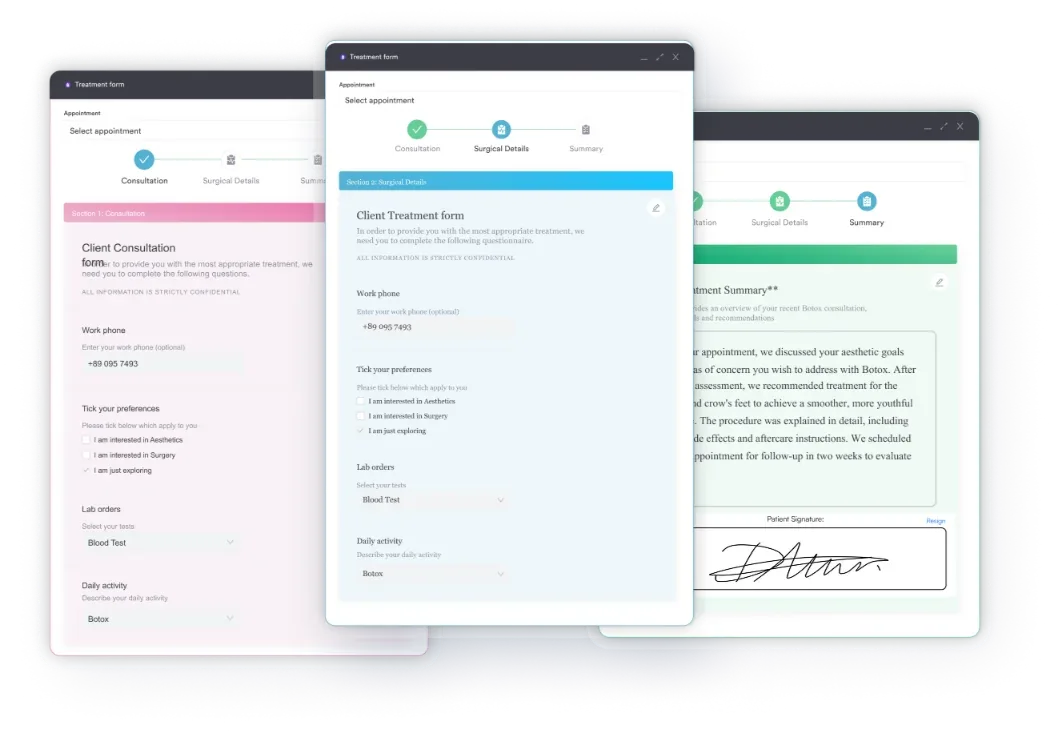
Pabau’s client portal and flexible documentation tools let you share workbook PDFs, track completed exercises in session notes, and keep all couple records in one integrated system-eliminating the need for separate file management.

Couples therapists, marriage and family therapists (MFTs), licensed professional counselors (LPCs), licensed clinical social workers (LCSWs), and psychologists all use couples workbooks. The workbook works for couples at any stage: those in crisis seeking to rebuild trust, couples in maintenance mode wanting to deepen connection, engaged couples developing conflict skills preemptively, and partners navigating major life transitions.
During those transitions, a one-page life checklist helps each partner name which areas of life need attention first.
Group therapy practices, private practices, and community mental health agencies all use structured couples workbooks as a standard intervention tool, ensuring consistent quality and measurable progress across clinicians.
Structured progress: A couples therapy workbook provides clear milestones-completing the communication section, mastering conflict resolution techniques-giving couples tangible evidence of skill-building and progress.
Between-session accountability: Homework assignments tied to the workbook encourage couples to practice skills outside therapy, where real relationships unfold. Completed worksheets become evidence of effort and provide material for the next session.
Clinical consistency: Using the same couples therapy workbook across multiple cases ensures all couples receive exposure to evidence-based techniques, reducing variability in treatment quality.
Documentation clarity: Workbook exercises create a clinical paper trail. Therapists can reference specific exercises, dates completed, and observed improvements in session notes, building a stronger treatment record and supporting insurance authorization requests.
Practice management systems like Pabau’s mental health EMR complement the couples therapy workbook by centralizing documentation, client communication, and resource delivery. Therapists can upload the couples therapy workbook PDF to their client portal, allowing couples to access and download it directly-eliminating email clutter and ensuring they have the current version.
Automated workflows can send reminders for homework completion, and Pabau Scribe, our AI scribe.
A structured couples therapy workbook transforms how therapists facilitate relationship change. By providing clear exercises, measurable progress, and consistent frameworks, the couples therapy workbook turns therapy from talk-based processing into skill-based practice-where couples leave each session with concrete tools and homework that moves them toward their goals.
Download this free couples therapy workbook today and begin integrating it into your practice. Pair it with Pabau’s practice management tools to streamline documentation, client communication, and progress tracking-so you spend less time on administration and more time delivering therapy. Book a demo to see how Pabau supports couples therapy practices.

Need a quick-reference tool for CBT-based sessions? The CBT cheat sheet gives therapists a fast reference for the cognitive distortions and reframing techniques behind the CBT exercises in this workbook.
Working with a couple in crisis? The suicide safety plan worksheet gives therapists a structured tool for risk assessment and safety planning when a session reveals an immediate concern.
Want to understand how each partner copes under stress? The Brief COPE questionnaire helps therapists identify coping strategies that shape which workbook exercises to prioritize.
A couples therapy workbook is a structured therapeutic resource containing guided exercises, worksheets, and conversation prompts that therapists use in session and assign as homework to help couples improve communication, resolve conflict, rebuild trust, and deepen emotional intimacy.
While couples can complete workbook exercises independently, research supports using the couples therapy workbook alongside professional therapy. A therapist helps contextualize exercises, troubleshoot barriers, and adapt timing based on the couple’s readiness and needs-significantly improving outcomes.
Typically, therapists assign 1-3 workbook exercises per week, with each exercise taking 10-20 minutes. Couples progress at different rates; therapists adjust frequency based on the couple’s capacity, schedule, and readiness to engage with material.
The Gottman Method is grounded in over 40 years of couples research and identifies relationship patterns that predict breakup. Gottman-based couples workbooks teach antidotes to the “Four Horsemen” (criticism, defensiveness, contempt, stonewalling) through exercises like the Sound Relationship House framework, Love Maps, and fondness-building activities.
Yes. Many therapists, organizations, and platforms provide free or low-cost couples therapy worksheets and workbooks. This resource offers a comprehensive free couples therapy workbook you can download and customize for your practice.
Therapists introduce exercises in session, model the desired behavior, have couples practice, then assign the exercise as homework between sessions. In the next session, they review what the couple learned and adjust the plan based on progress and barriers encountered.