

HCPCS code E0198: Water pressure pad billing guide
HCPCS code E0198 is a water pad for a standard mattress HCPCS code E0198 is the ...

Last Updated: Oct 13, 2026
S0618 is the HCPCS Level II code for audiometry for hearing aid evaluation to determine the level and degree of hearing loss.
That one detail causes most of the trouble. S0618 reads like an ordinary diagnostic audiometry code, so it gets sent to Medicare, where it will never pay. Its home is a Medicaid or commercial claim, with a documented hearing loss behind it.
The rest comes down to three things you control. The diagnosis, the modifier, and the paperwork sitting in the chart decide whether this claim pays or bounces.
Let Pabau's smart automation suggest the right codes, reduce claim denials, and keep your practice compliant—effortlessly.
Automate repetitive tasks and focus on what matters most—your patients.
Reduce coding errors and ensure compliance with the latest regulations.
Clean claims, fewer denials, and faster reimbursements.
Powerful insights and reporting to help your practice thrive.
HIPAA compliant SOC 2 certified GDPR-compliant Trusted by 4,000+ clinics worldwide

HCPCS code S0618 covers audiometry for hearing aid evaluation, used to establish the level and degree of hearing loss.
Traditional Medicare Part B does not pay for S0618, because routine hearing exams sit outside the Part B benefit.
State Medicaid programs are the main payer, and some Medicare Advantage and commercial plans with hearing benefits accept the code too.
Most denials trace back to an unspecified ICD-10 code, a missing modifier, or documentation that lands after the claim.
Practice management software like Pabau keeps the audiogram, the clinical note, and the billing record in one client file.
S0618 covers a full audiometric evaluation performed to decide whether a patient is a candidate for a hearing aid. The test establishes the degree and configuration of the loss. That result is what the amplification decision rests on.
S-codes are temporary HCPCS Level II codes maintained by private payers, not by the Centers for Medicare and Medicaid Services (CMS). They exist where the CPT code set does not describe a service the way payers want it reported. S0618 is used mostly by Medicaid programs and commercial plans that cover hearing care.
A billable S0618 evaluation is more than a hearing test. It combines threshold testing with the clinical judgment needed to specify amplification.
A qualified audiologist or hearing instrument specialist has to perform the service. Scope of practice is set state by state, so confirm your own rules before you bill it. Patients often expect a quick screening and get a full hearing aid evaluation instead, so setting that expectation early saves questions later.
Traditional Medicare Part B does not cover S0618. The Social Security Act excludes routine hearing exams and hearing aids from Part B, and an evaluation for hearing aid candidacy sits inside that exclusion. CMS publishes no Physician Fee Schedule rate for the code, because there is nothing to pay.
You can still submit the claim for a Medicare beneficiary who asks for the service. Append modifier GY, which tells the contractor the item is statutorily excluded. The denial that comes back is the document the patient needs for a supplemental insurer.
Medicare Advantage is the exception worth checking every time. Plans with a hearing benefit often cover the evaluation, and many cap it at one evaluation every 12 to 36 months.
Medicaid is the primary payer route for S0618. Coverage sits with each state, so the rules and the rate change when you cross a state line. Some states cover the evaluation for adults and children. Others restrict adult hearing benefits and cover children only.
Pull the current state fee schedule and billing manual before you submit anything. Several states also want a physician referral or an approved prior authorization form in hand before the appointment. That referral usually comes from the patient’s primary care practice, so build the request into your scheduling call. Patient coverage can change between the referral and the procedure, so eligibility verification belongs close to the date of service.
Children are the easier case. Under Early and Periodic Screening, Diagnostic and Treatment (EPSDT) rules, state programs generally cover hearing evaluations for beneficiaries under 21. That is why so many referrals arrive from pediatric practices rather than from a specialist.
Managed care adds a second layer. If the patient is enrolled with an MCO, the MCO contract governs the claim. Its authorization rules and its rate often differ from the state fee-for-service schedule, so never assume the two match.
There is no national rate for S0618. Traditional Medicare does not cover the code, so CMS never set a fee schedule amount for it. Every figure you see comes from a state Medicaid schedule or a negotiated commercial contract.
Start with your state Medicaid provider portal for the current amount. The CMS fee schedule lookup is worth knowing, but it prices the CPT alternatives rather than S0618 itself.
Three modifiers do most of the work on S0618 claims, and two of them get mixed up constantly.
GY reports a statutory exclusion. GA and GZ both report a service you expect to be denied as not medically necessary. They differ on one point only, which is whether the patient signed an Advance Beneficiary Notice.
Getting the GA and GZ pair wrong is the expensive mistake. GZ tells the payer you expected a denial and never obtained an ABN, which means you cannot bill the patient for the balance. GA says the patient signed and understood, so the balance can move to them.
S0618 needs a diagnosis that explains why the evaluation happened. The code has to reflect a documented hearing loss rather than a symptom or a screening request.
These pairings come up most often, and they all sit in the CDC ICD-10-CM code set.
Pick the most specific code the audiogram supports. H91.90 belongs at the bottom of the list, because payers reject unspecified hearing loss when the audiogram plainly shows type and degree.
Recording laterality and loss type at the point of care with digital forms helps capture the clinical detail needed for accurate ICD-10 coding.
Use CPT 92557 when Medicare or a commercial plan is primary and a physician ordered the evaluation for a medical reason.
Use S0618 when Medicaid is the payer and the visit exists to determine hearing aid candidacy. The two describe similar work, so billing them interchangeably is a fast route to a denial.
One rule holds across every payer. Do not report both codes for the same ear on the same date without checking the NCCI edits and the plan’s own policy first.
There is a third possibility worth ruling out. If all you performed was a pure tone screening, neither code applies, and the work belongs under 92551.
S0618 is one step in a longer sequence. The evaluation establishes candidacy, the fitting follows, and a dispensing fee closes it out. Knowing the neighboring codes keeps you from unbundling or billing the wrong stage.
Watch the component codes in particular. CPT 92552 and 92553 are parts of the full evaluation, so billing either alongside S0618 for the same session reads as unbundling. The AAPC HCPCS lookup is a quick way to confirm a descriptor before you submit.
Check the frequency window before you book the appointment, not after it. Most hearing benefits limit the evaluation to once every 12 to 36 months, and the clock starts at the last paid evaluation. That visit may have happened at another practice, so ask for the last date of service during your eligibility call. Two minutes on the phone prevents a full write-off.
A clean S0618 claim needs the audiogram, the candidacy note, and the diagnosis to agree with each other. All three have to exist before the claim goes out, not after the payer asks for records.
Run this quickly on every S0618 claim. It takes about a minute, and it catches the errors that generate almost all of the rework.
Practices working from paper charts usually answer one of those questions after the denial rather than before it.
Moving to paperless, HIPAA-compliant records keeps the note and the claim in the same file. Standardized clinical progress notes help too, because they prompt for the same fields at every visit.
Code lookup tools tell you what S0618 means. They do not tell you why your claims keep coming back, or help you fix the chart before it leaves the practice. That is a workflow problem, and it usually has the same three causes.
Practice management software like Pabau keeps those pieces together. The audiogram, the signed note, and the billing record sit in one client file.
The evidence for medical necessity is therefore in place before anything is submitted. Pabau’s claims management works from that same record.
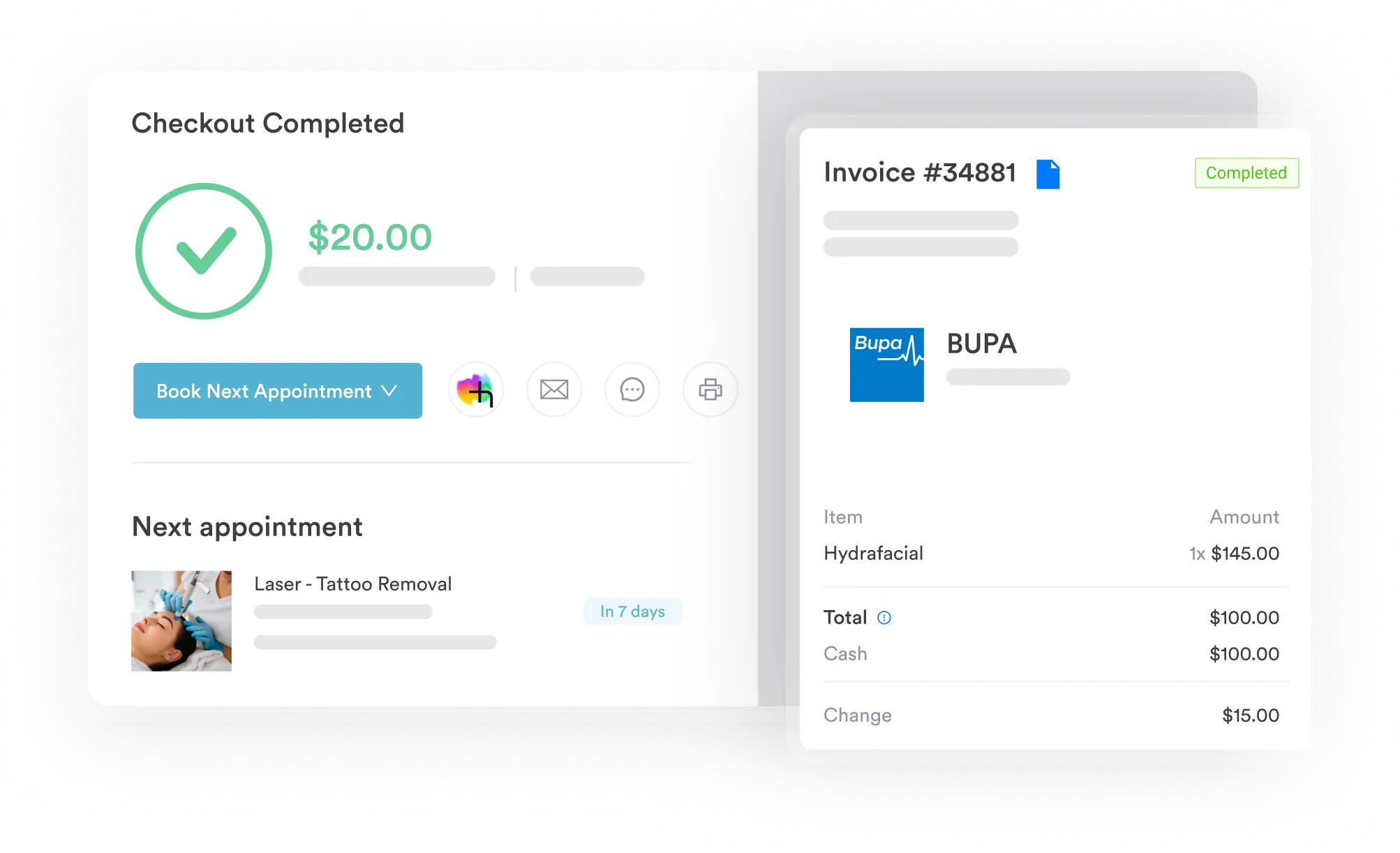
The practical difference is timing. Automated workflows prompt the audiologist to finish the note and attach the audiogram before the appointment is closed. Your biller then works from a finished chart instead of chasing one.
Tag every S0618 claim with the payer type at submission. After 30 days, count the denials by payer rather than by code. State Medicaid rejections usually trace back to eligibility or authorization. Commercial rejections usually trace back to the diagnosis. Knowing which pile a claim sits in tells you whether to fix your intake step, your documentation template, or your modifier rule.

Pabau holds the audiogram, the clinical note, and the billing record in the same client file. Your documentation is ready the moment an S0618 claim is created, so nothing has to be chased after the fact.

S0618 rewards preparation far more than it punishes complexity. Confirm the payer, choose the diagnosis the audiogram supports, and finish the chart before the claim goes out. Those three habits clear most of the denials practices see on this code.
The trade-off worth remembering is simple arithmetic. Verification takes minutes, while a denial and an appeal take weeks. Checking the state schedule or the plan’s hearing benefit before the appointment is the cheapest step in the whole process.
If your audiology documentation and your billing still live in separate systems, that is where the time goes. Book a demo to see how Pabau keeps the audiogram, the note, and the claim in one place for hearing care practices.

Billing a screening rather than a full evaluation? 92551 covers pure tone screening and shows where that service stops.
Reporting a hearing service with no specific code? V5299 explains how the miscellaneous hearing service code is documented and reviewed.
Coding a conductive loss without documented laterality? H90.2 sets out when the unspecified conductive hearing loss code applies.
Documenting a mixed hearing loss? H90.8 walks through mixed conductive and sensorineural coding and the specificity payers expect.
Billing a cervical rib excision? cervical rib excision billing guide covers CCSD code W0610 and the ICD-10 pairings insurers expect for this uncommon procedure.
That depends on the payer, and most of them set a limit. Many Medicaid programs and hearing benefit plans allow one hearing aid evaluation every 12 to 36 months. Check the frequency rule before you schedule a repeat evaluation, because a second claim inside that window will deny.
Often, yes. Several state Medicaid programs and most managed care organizations want prior authorization or a physician referral before the evaluation. Get the approval on file before the appointment. Retroactive authorization is rarely granted, and the visit usually becomes a write-off.
Usually not, because they are separate stages of care. The evaluation establishes candidacy first, and the fitting code follows once a device is selected. A few plans do allow both on one date, so confirm the policy before you combine them.
Only if you told them first. For a Medicare beneficiary that means a signed Advance Beneficiary Notice before the service, reported with modifier GA. For other payers, a written self-pay agreement does the same job. Without either, the balance stays with the practice.
An audiologist or a licensed hearing instrument specialist, depending on your state. Scope of practice rules and payer enrollment rules both apply here. A provider who can legally perform the test is not automatically able to bill for it.



