

ICD-10 Code S42.444P: Medial epicondyle fracture, right humerus
ICD-10 Code S42.444P: full descriptor and code validity ICD-10 Code S42.444P car...

Last Updated: Oct 13, 2026
Billable Code Specific Code
H90.2 is the billable ICD-10-CM code for conductive hearing loss, unspecified.
Let Pabau's smart automation suggest the right codes, reduce claim denials, and keep your practice compliant—effortlessly.
Automate repetitive tasks and focus on what matters most—your patients.
Reduce coding errors and ensure compliance with the latest regulations.
Clean claims, fewer denials, and faster reimbursements.
Powerful insights and reporting to help your practice thrive.
HIPAA compliant SOC 2 certified GDPR-compliant Trusted by 4,000+ clinics worldwide

ICD-10 Code H90.2 is a billable/specific ICD-10-CM code for conductive hearing loss, unspecified, valid for FY2026 (effective October 1, 2025)
Use H90.2 only when laterality (left, right, or bilateral) is not documented in clinical notes; otherwise use H90.0 or H90.1x
H90.2 is valid for all HIPAA-covered transactions and can be billed with Medicare, though diagnostic hearing services have specific coverage conditions
Pabau’s claims management software auto-validates ICD-10 codes at the point of billing, catching laterality mismatches before claim submission
ICD-10 Code H90.2 is the ICD-10-CM code for conductive hearing loss when clinical documentation does not specify whether the left ear, right ear, or both are affected. It is the unspecified-laterality option within the conductive hearing loss ICD-10 family, and using it when the ear is documented is a coding error that payers will catch.
H90.2 is a valid, billable ICD-10-CM code maintained by the CDC’s NCHS. The 2026 edition became effective on October 1, 2025, and the code is accepted in all HIPAA-covered transactions. This guide covers the H90 code family, laterality selection logic, documentation requirements, CPT pairings, and billing guidance for audiologists and ENT practices.
The table below captures the essential reference data for ICD-10 Code H90.2 in one place.
Conductive hearing loss occurs when sound cannot efficiently pass through the outer or middle ear to the cochlea. The auditory signal is physically blocked or dampened before it reaches the sensorineural structures of the inner ear.
The “unspecified” designation in H90.2 refers to laterality, not the nature of the condition. The audiologist or ENT physician has confirmed conductive hearing loss but the clinical note does not state which ear is affected. In the ICD-10 tabular list, H90.2 also carries the inclusion term conductive deafness NOS (not otherwise specified). Common underlying causes frequently co-coded alongside H90.2 include:
According to the WHO ICD-10 browser, the H90 block covers conductive and sensorineural hearing loss, with H90.2 representing the unspecified laterality within the conductive subtype. When a cause is identified and documented, assign the etiology code as the principal or additional diagnosis alongside H90.2.
Getting laterality right is the single biggest coding decision for this code family. Use this decision framework before selecting H90.2.
The key rule: H90.2 is a fallback, not a default. If the audiologist’s note or audiogram report identifies which ear is affected, use H90.0 or the appropriate H90.1x code. As the AAPC’s ICD-10-CM lookup confirms, H90.2 is explicitly reserved for cases where laterality is absent from documentation.
In practice, the bilateral conductive hearing loss ICD-10 code is H90.0. A documented single-ear loss maps to H90.11 for conductive hearing loss in the right ear, or H90.12 for the left ear. H90.2 applies only when the note names no ear at all.
H90.2 sits within the H90 block, which covers all conductive, sensorineural, and mixed hearing loss types. Knowing the full family helps coders cross-reference correctly and identify when a more specific code applies. The same specificity principle governs unrelated code families too: an unspecified designation like M25.9 signals missing documentation detail rather than a distinct diagnosis, the same way H90.2 does within the H90 block. Equipment coding follows the same rule: K0006 must match the wheelchair actually issued, or payers deny the claim. Self-pay does not mean uninsured, and many patients recover part of the fee with a superbill.
The H90 block also includes the H90.A series, used when the contralateral (better-hearing) ear also has restricted hearing. For conductive loss, that means H90.A11 for the right ear and H90.A12 for the left. These differ from the H90.1x codes, which assume unrestricted hearing on the opposite side.
The H90 block carries specific Excludes1 notes that prohibit coding H90.2 alongside certain other conditions. Ignoring these leads to claim rejections. The following codes are excluded from the H90 block entirely, per the CMS ICD-10-CM official guidelines:
The same Excludes1 discipline shows up across unrelated specialties. Coders see comparable exclusion logic on codes like G90.A, where documentation specificity determines whether a claim is accepted or denied. Billing a retired code creates a similar problem: K0012, a discontinued wheelchair code, still appears on legacy claims and triggers an automatic rejection.
H90.2 is a legitimate code, but it should prompt a documentation improvement conversation. Every time a coder must use H90.2, it means a more specific bilateral conductive hearing loss ICD-10 or unilateral code was available but not captured in the note.
The same documentation-specificity principle governs codes like M86.9. Apply these audiology-specific standards for H90.2 encounters:
Using digital clinical documentation forms integrated with the patient record reduces the risk of laterality being omitted from audiology notes. When fields for “affected ear” are mandatory before a note can be signed, coders receive complete information at the point of billing rather than chasing documentation retrospectively.
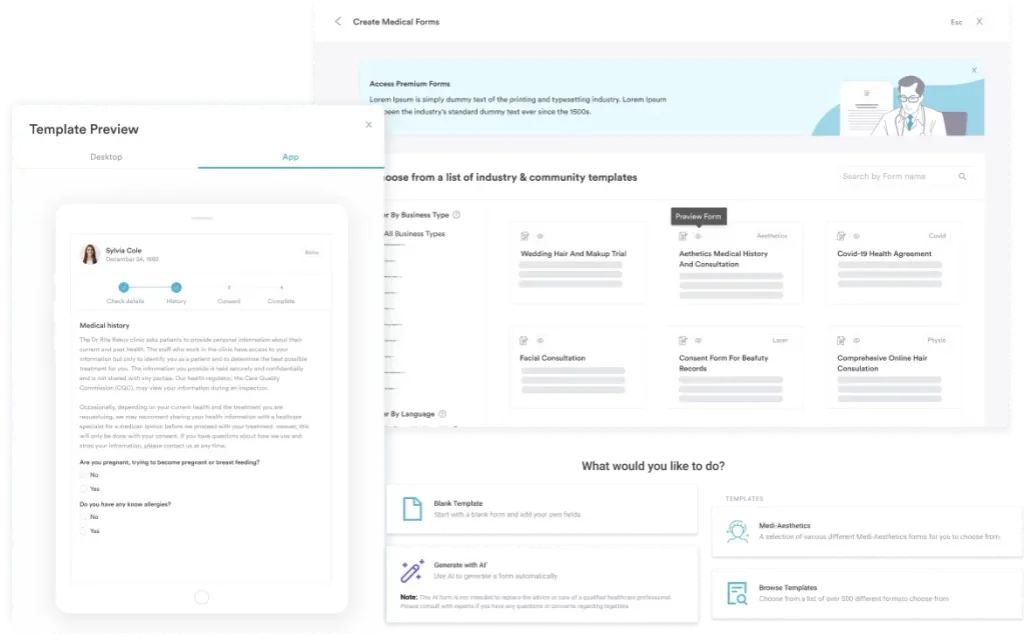
The American Speech-Language-Hearing Association (ASHA) recommends that audiologists document laterality in every clinical note, treating H90.2 as a temporary code used only when test results are pending or documentation is genuinely incomplete. Using structured medical forms helps practices enforce this discipline consistently.
Audit your last 30 H90.2 claims. If more than 15% have accompanying audiogram reports that clearly show bilateral or unilateral results, your practice has a documentation workflow problem. Build a laterality field into your audiology note template and tie it to an EHR completion rule before the note is finalized.
Payers require a matching procedure code alongside every diagnosis code. For audiologists using speech therapy practice software, the table below captures the most commonly paired CPT codes and their clinical context.
Medicare covers diagnostic audiological testing only when ordered by a physician for medical management purposes, not for hearing aid fitting. When billing 92557 with H90.2 under Medicare, ensure the ordering physician’s name and NPI are captured in the claim, as this is a common denial trigger.
When conductive loss coincides with dizziness and the 92540 vestibular evaluation leads to a rehab referral, practices using physical therapy practice software can share the audiogram and vestibular findings with the rehab team without re-entering the data.
Medicare’s hearing benefit is limited. Routine hearing exams and hearing aids are not covered under traditional Medicare (Part A/B). However, diagnostic audiological testing ordered by a physician for medical management of a condition causing hearing loss does qualify for coverage.
For H90.2 claims under Medicare, medical billing compliance requires the following to be documented before submission:
Commercial payers vary widely on prior authorization requirements for audiology. Some require pre-authorization for comprehensive audiometry (92557) even when H90.2 is the documented diagnosis.
Verify each payer’s LCD (Local Coverage Determination) before billing, as Medicare Advantage plans may have stricter rules than traditional Medicare. Coverage documentation should be cross-referenced against current CMS guidance for each claim cycle.
Ensuring HIPAA-compliant billing workflows is especially important for audiology practices that bill across multiple payers, since each payer may interpret H90.2’s coverage conditions differently. Most claims travel through the same standardized transaction, the 837 file, so a mismatched diagnosis and procedure pairing can reject before staff ever see it.

Pabau’s claims management software validates ICD-10 codes against procedure codes at the point of billing, flagging incomplete laterality documentation before a claim leaves the practice. Fewer denials, less rework, more time for patients.

Practices still running legacy EHR systems or reviewing historical claims need the ICD-9-CM mapping. The crosswalk below uses the CMS General Equivalence Mappings (GEMs) framework.
ICD-9 code 389.00 maps directly to H90.2 as a one-to-one equivalent. For practices migrating historical data, verify crosswalk accuracy against the CMS GEM archive, the official source for ICD-9-to-ICD-10 mapping data.
Laterality errors in H90.2 claims are a workflow problem as much as a documentation one. When coders manually assign ICD-10 codes without EHR prompts, they default to unspecified codes even when the underlying clinical note contains laterality information.
Practice management software like Pabau keeps clinical notes and billing in one system, so coding checks can run against the documentation itself. Pabau’s claims management software cross-validates the diagnosis code against the documented encounter data before submission.
If an audiogram field captures bilateral results but H90.2 is selected as the diagnosis, the system flags the mismatch for coder review. That catch happens at the practice, not after a payer denial.
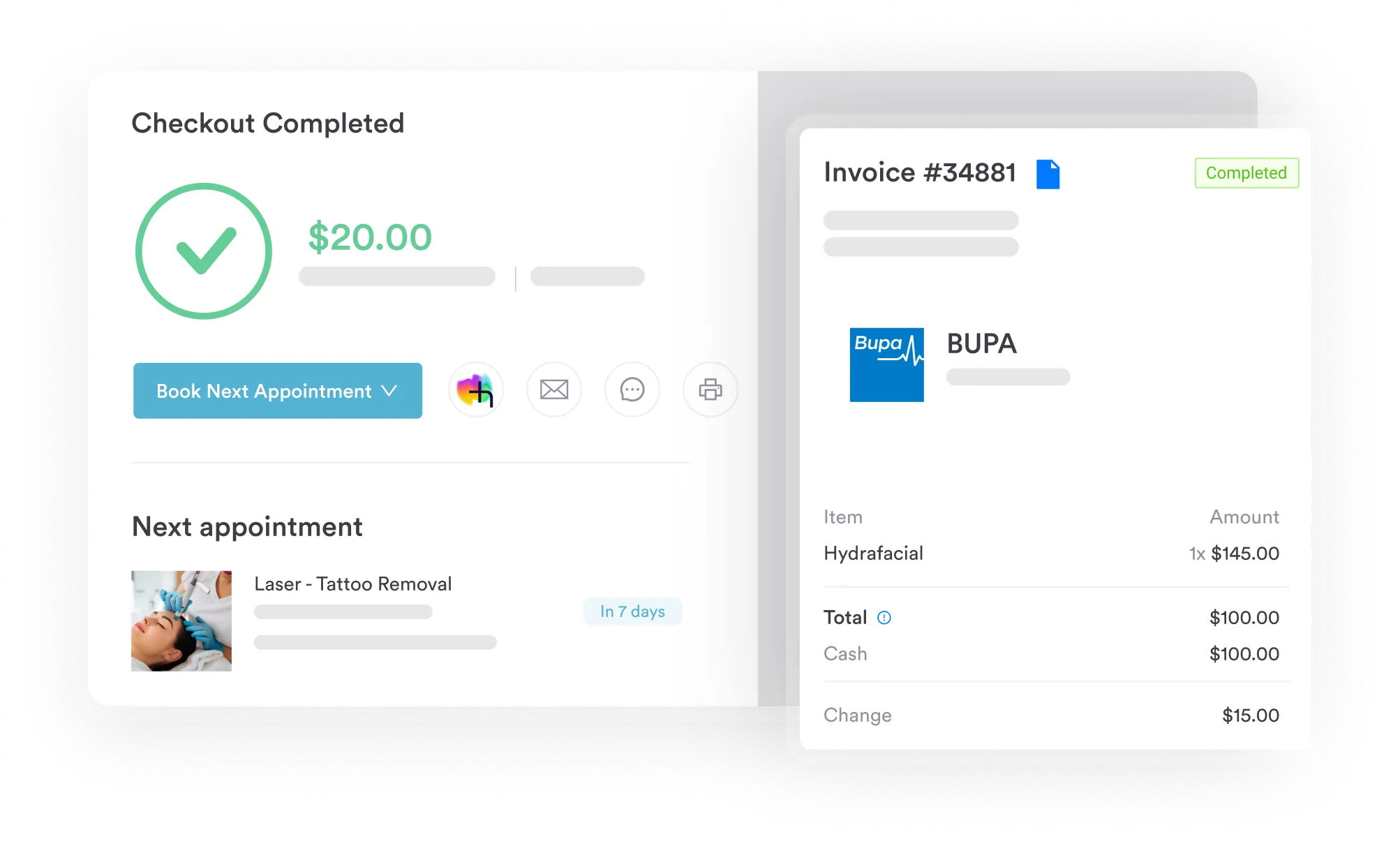
The EHR integration for audiology also links procedure code selection to diagnosis code validation, so 92557 submitted with H90.2 automatically prompts the coder to confirm the physician order is present for Medicare claims.
Practices using patient record management within Pabau keep audiogram reports, clinical notes, and billing codes in a single record, reducing the documentation retrieval time that drives most post-submission queries. Practices comparing broader billing platforms can review options in our guide to medical billing software built for US audiology and ENT teams.
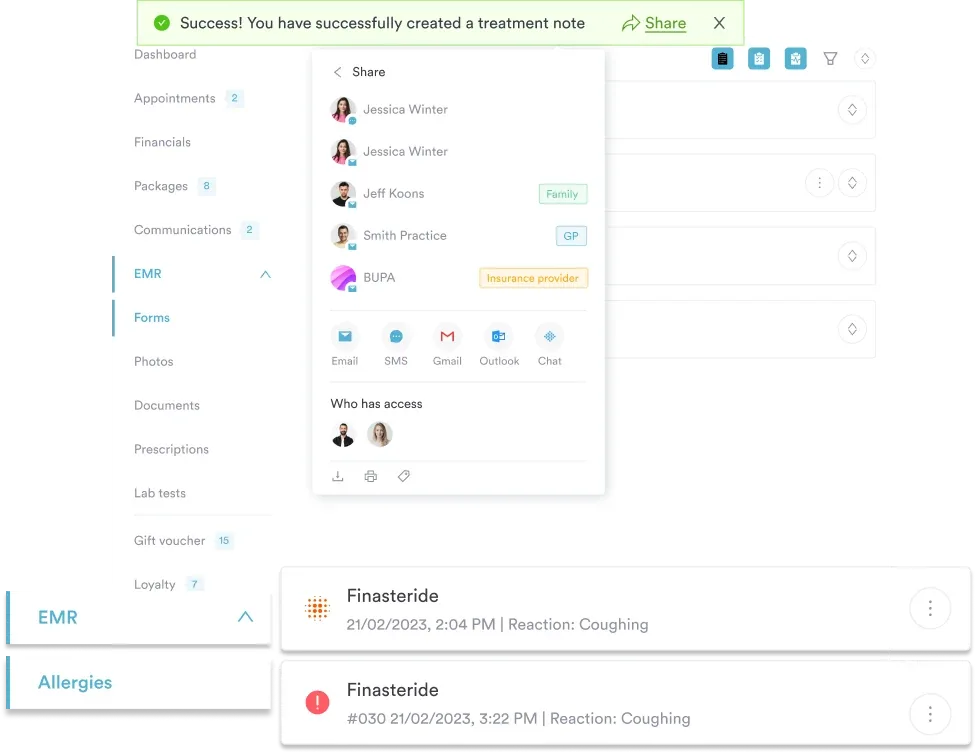
With audiograms, clinical notes, and diagnosis codes stored in one linked record, auditing your H90.2 claims for missing laterality becomes a quick query rather than a manual chart pull. That single view also helps coders spot patterns of undocumented laterality before they turn into payer denials.
Run a quarterly ICD-10 Code H90.2 claim audit. Pull all claims coded H90.2 and cross-reference against the attached audiogram reports. If laterality is determinable from any report, flag those encounters for documentation improvement. Tracking this rate monthly lets you demonstrate coding quality improvement to payers during contract renewals.
ICD-10 Code H90.2 is straightforward when applied correctly: it covers conductive hearing loss when laterality is genuinely absent from the clinical documentation. The most common mistake is using it as a convenience code when bilateral or unilateral specificity was available but not captured in the note.
Audiology and ENT practices that build laterality prompts into their note templates, and validate codes before claim submission, will see H90.2 appear in its appropriate role as a rare fallback rather than a frequent default.
If your practice wants to reduce ICD-10 coding errors and streamline audiology billing, book a demo to see how Pabau’s claims management tools handle H90 code validation at the point of care.

Looking for broader audiology and hearing care practice tools? Audiology practice software covers the workflow and compliance tools hearing specialists use to manage patient care end to end.
Need to manage clinical records alongside ICD-10 coding? Patient record management in Pabau keeps audiogram reports, clinical notes, and billing codes in a single linked record for faster coding and fewer queries.
Coding a pupillary exam finding without a clear cause? ICD-10 code H57.00 guide covers documentation standards and the related codes coders should know.
ICD-10 Code H90.2 is a billable ICD-10-CM diagnosis code for conductive hearing loss, unspecified. It is used when clinical documentation confirms conductive hearing loss but does not specify laterality (left ear, right ear, or bilateral). The 2026 edition became effective October 1, 2025, and the code is valid for all HIPAA-covered transactions.
Yes, H90.2 is a specific, billable ICD-10-CM code accepted in all HIPAA-covered transactions. It is not a header or category code that requires a more specific child code beneath it.
H90.0 is used when both ears are affected and bilateral hearing loss is explicitly documented. H90.2 is used when laterality is absent from clinical documentation entirely. If the audiogram or clinical note confirms bilateral involvement, H90.0 is the correct code and H90.2 is an undercoding error.
The most common CPT pairings are 92557 (comprehensive audiometry, air and bone with speech), 92567 (tympanometry), and 92551 (pure tone screening). For Medicare claims, the audiological evaluation must be physician-ordered for medical management purposes, not for hearing aid selection.
ICD-9-CM code 389.00 (Conductive hearing loss, unspecified) maps directly to H90.2 as a one-to-one equivalent. ICD-9 code 389.9 (Unspecified hearing loss) maps to either H90.2 or H91.9 depending on whether conductive type is established in the documentation.
Medicare covers diagnostic audiological testing billed with H90.2 only when ordered by a physician for medical management of the condition causing hearing loss. Routine hearing exams and hearing aids are excluded from traditional Medicare Part A/B coverage. Medicare Advantage plans may have additional prior authorization requirements.
The ICD-10 code for bilateral conductive hearing loss is H90.0, used when both ears are affected and the note documents bilateral involvement. H90.2 applies only when laterality is not documented at all.
For unilateral conductive hearing loss with normal hearing in the other ear, use H90.11 for the right ear and H90.12 for the left ear. Reserve H90.2 for cases where the affected ear is not documented.




