



HCPCS code E0198: Water pressure pad billing guide
HCPCS code E0198 is a water pad for a standard mattress HCPCS code E0198 is the ...

Last Updated: Oct 13, 2026

CPT Code 12021 describes treatment of superficial wound dehiscence with packing, not suture re-closure.
Medicare reimburses approximately $113 for non-facility settings. Verify current rates via the CMS fee schedule lookup.
Modifier 25 is required when billing a same-day E/M with CPT 12021. Missing it is a leading denial cause.
Pabau’s claims management software and structured digital forms help practices document wound dehiscence encounters accurately and reduce billing errors.
CPT Code 12021 is the code for treatment of superficial wound dehiscence with packing, reported when a previously closed wound reopens at the skin and subcutaneous level and the clinician manages it with packing rather than re-suturing. It is paired with CPT 12020, which describes the same clinical scenario managed by simple closure instead. Payers audit the distinction closely, because many denials come down to a note that never states which management method was used.
This reference covers the official description, Medicare reimbursement rates, applicable modifiers, ICD-10-CM crosswalk, and the documentation elements most commonly cited in audits. The sections on same-day E/M billing and global period management cover where CPT Code 12021 claims most often go wrong.
CPT Code 12021 is the American Medical Association’s code for: Treatment of superficial wound dehiscence; with packing. It sits within the Integumentary System section of the CPT code set (codes 10000-19999), maintained by the AMA under HIPAA-mandated procedure coding standards.
Wound dehiscence is the reopening of a wound that was previously closed, whether sutured, stapled, or otherwise approximated. When the wound is superficial (confined to skin and subcutaneous tissue, without fascial involvement) and clinically managed with packing rather than re-closure, CPT Code 12021 is the correct code to report.
Rate figures above reflect reported 2025/2026 Medicare national averages. Always confirm current values using the CMS fee schedule tool before submitting claims, as CMS updates rates annually.
The clinical trigger for CPT Code 12021 is a superficial wound that has reopened post-closure and is being managed with packing rather than sutures. Three criteria must all be met before reporting this code.
Common clinical contexts for CPT Code 12021 include:
CPT 12020 and CPT Code 12021 are a matched pair. Both describe treatment of superficial wound dehiscence. The only difference is the management method.
Choosing the wrong code between these two is a common audit trigger. The clinical note must explicitly state that packing was performed (not just that the wound was “cleaned and dressed”) to support CPT Code 12021.
Management method drives code selection in other families too. Fracture coding carries the wound status inside the code, as S82.233J does for an open shaft injury.
Missing or vague documentation is the leading cause of CPT Code 12021 claim denials. The note must establish medical necessity and describe the procedure with enough specificity to withstand payer audit. Practices using digital intake forms and structured encounter templates capture these elements more consistently than paper-based workflows.
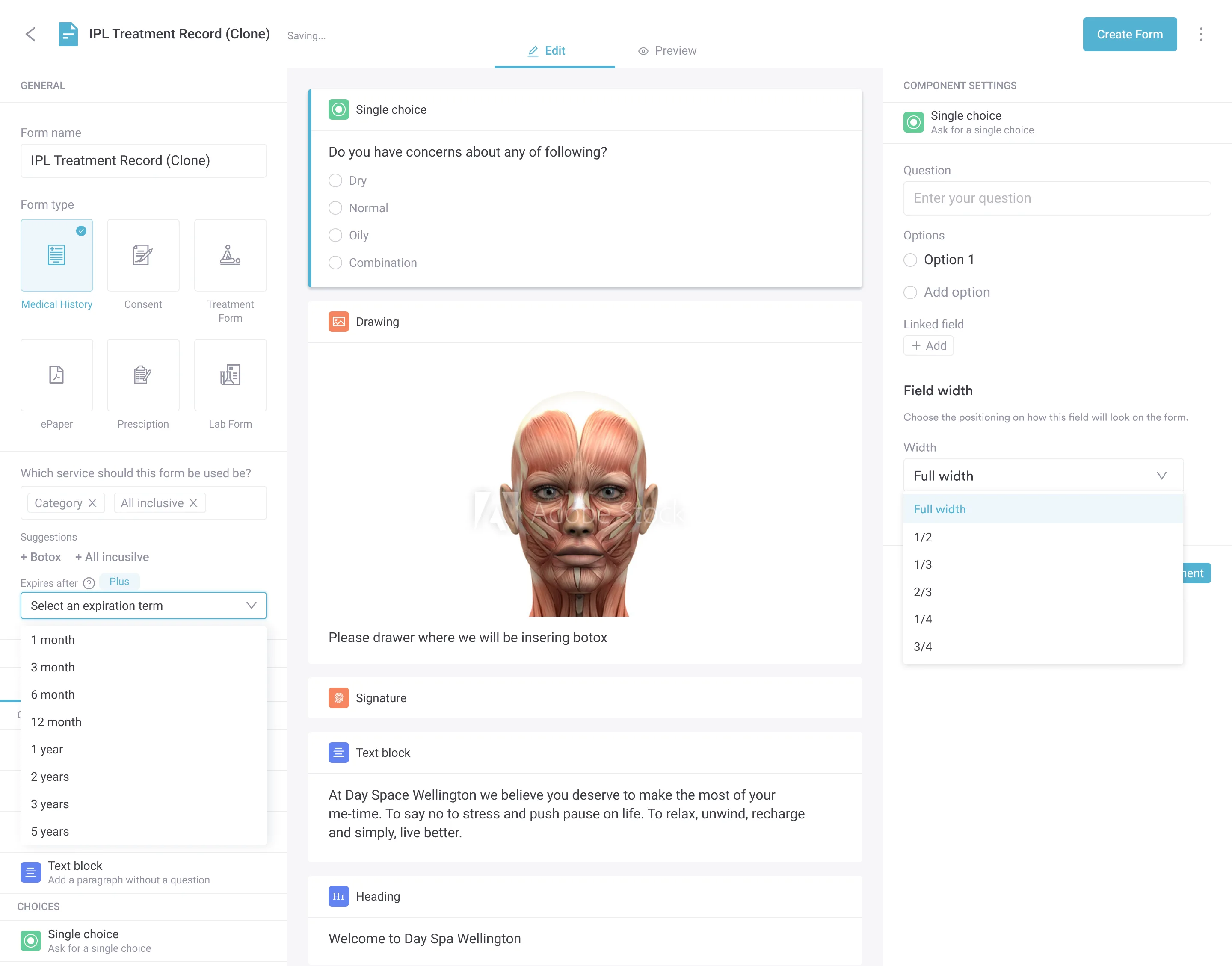
Every CPT Code 12021 encounter note should document all of the following elements. Missing even one can result in a denial or down-coding request.
Maintaining HIPAA-compliant clinical documentation for wound encounters means the record must be retrievable, legible, and complete. Practices subject to Medicare audits should retain documentation for at least seven years from the date of service (10 years for Medicare Advantage claims), and state law may require an even longer retention period.
Flag CPT Code 12021 claims for pre-submission review when the encounter note uses passive language like ‘wound was packed’ without naming the packing material. Auditors look for specificity. A note reading ‘wound packed with 1/4-inch iodoform gauze, 6 cm depth, due to signs of early infection precluding re-closure’ passes; ‘wound dressed and packed’ typically does not.
An EMR built around plastic surgery workflows keeps lesion sizes, margins, and photos tied to each procedure code.
Site and laterality deserve the same template treatment. Diagnosis codes such as S82.192A hinge on which side and which end of the bone the note records.
Medicare reimburses CPT Code 12021 at different rates depending on where the service is performed. The Centers for Medicare and Medicaid Services (CMS) updates these rates annually through the Medicare Physician Fee Schedule (MPFS). Always confirm current rates against the published fee schedule before billing.
Geographic adjustment applies through the Geographic Practice Cost Index (GPCI). Rates in high-cost metro areas (New York, San Francisco) can run 20-30% above the national average, while rural areas may be below it.
Use the FastRVU lookup tool to calculate location-adjusted reimbursement for your specific locality. Private payers typically negotiate rates as a percentage of Medicare, commonly 110-140% for minor surgical procedures, though this varies by contract.
Modifier usage with CPT Code 12021 follows standard CMS National Correct Coding Initiative (NCCI) rules. Applying the wrong modifier, or omitting a required one, is a direct path to denial.
Modifier applicability varies by payer. Verify NCCI edit pairs before billing modifier 59, as some payers require the more specific XE/XS/XP/XU modifiers. Check individual payer policies or use the AAPC Codify CPT lookup for NCCI edit details.
Repeat and staged services need a stated reason on the claim. In fracture care that reason often sits in the diagnosis code, as S82.136K does for nonunion.
Medical necessity for CPT Code 12021 depends on a paired ICD-10-CM diagnosis code that confirms wound dehiscence. The diagnosis code must align with payer Local Coverage Determinations (LCDs) or National Coverage Determinations (NCDs). Practices billing across dermatology and wound care specialties should review their skin clinic billing workflows to ensure correct crosswalk application, and plastic surgery practices, where dehiscence most often follows a prior procedure.
The 7th-character extensions matter significantly across this code family. Use “A” for the initial encounter (first time the wound is being treated for dehiscence), “D” for subsequent encounters (follow-up packing changes), and “S” for sequela. This applies to both the T81.31 series and the T81.320-T81.329 series. ICD-10-CM retired T81.32XA effective October 1, 2024 (FY2025), splitting it into the more granular codes shown above, so billing the deleted code will cause claim rejections. Using the wrong 7th-character extension on any of these codes is a separate, equally common coding error that triggers medical necessity reviews. If the encounter included an assessment and a plan, the evaluation and management component needs its own documentation. The 1500 claim form and its electronic equivalent ask for the same data in a different layout.
Specificity carries the same weight on the diagnosis side. A code like S82.146G leaves the side unstated, and payers treat unspecified laterality as a weaker claim.
CPT Code 12021 carries a higher-than-average audit risk because it appears frequently in post-surgical follow-up contexts where global period rules, same-day E/M billing, and unbundling edits all intersect. Sound medical practice compliance workflows reduce exposure. Here are the billing rules that matter most.
CPT Code 12021 carries a 10-day global period (verify via the current CMS MPFS data file). During those 10 days, routine wound care visits related to the dehiscence are bundled into the procedure payment and cannot be billed separately. What this means in practice:
The most common global period billing mistake is billing follow-up packing visits as new 12021 encounters without modifier justification. This pattern reliably triggers a refund demand.
Follow-up windows shape diagnosis coding too. When healing stalls, the record has to say so, which is the point of a code such as S82.225J.
Additional billing rules that apply to CPT Code 12021:
CPT Code 12021 is one of several codes in the integumentary system section addressing wound repair and dehiscence. Understanding the broader code family helps coders select the right code and avoid crosswalk errors.
The distinction between CPT Code 12021 and CPT 13160 is clinically important. Use 13160 only when the dehiscence involves extensive or complicated tissue management beyond a superficial packing procedure. Over-coding from 12021 to 13160 without documentation of complexity is a documented audit pattern flagged by CMS.
Operative note detail settles these choices in every code family. Routine healing is exactly the kind of status a note must state for S82.242E.
Claim denials for CPT Code 12021 usually start upstream of the billing team, in the clinical encounter note. When documentation is incomplete, even a correctly selected code fails to survive payer audit. Practice management software like Pabau connects clinical documentation and billing through claims management software in one platform, cutting the manual transfer errors that cause 12021 denials.
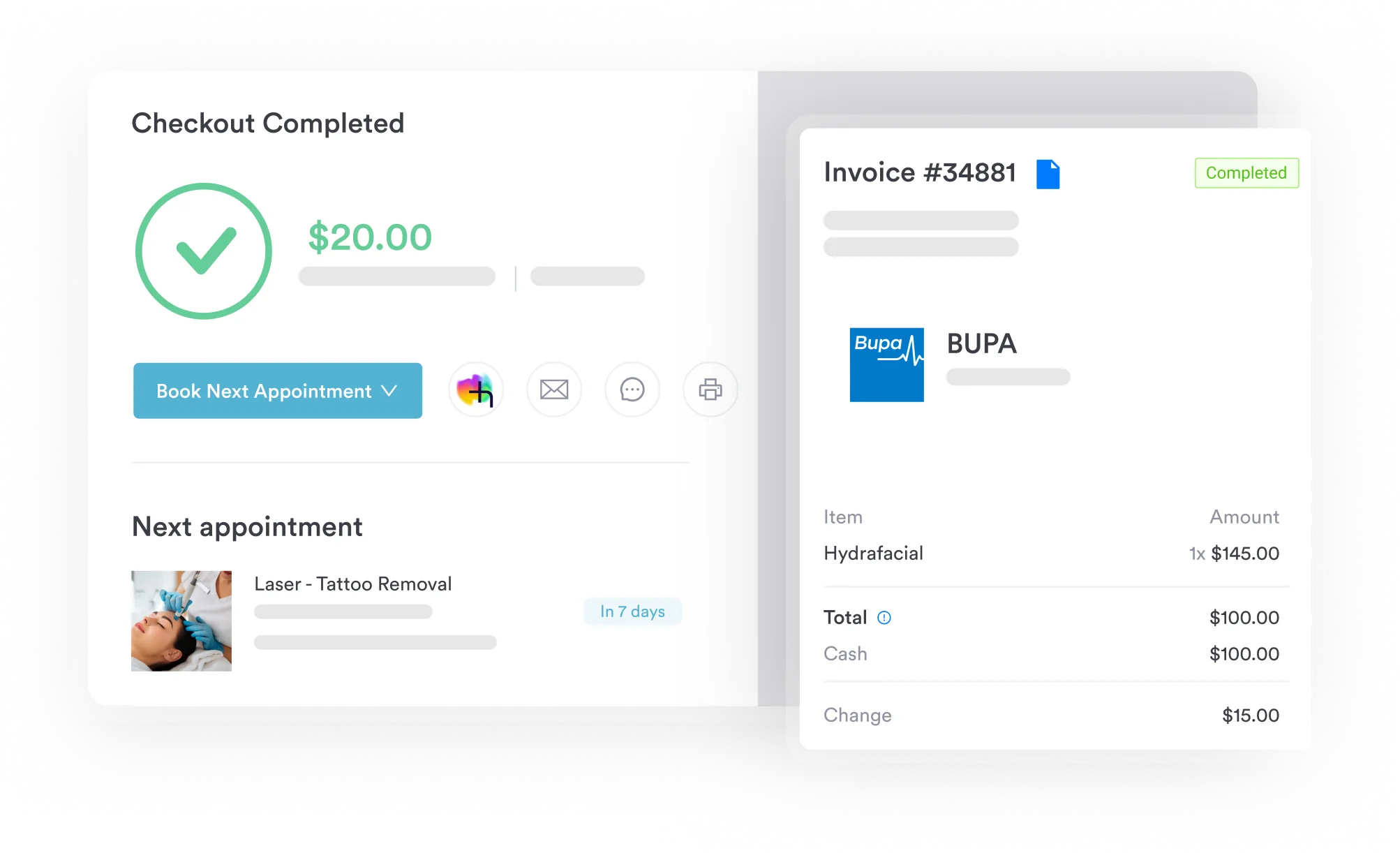
Three areas where practices consistently see improvement with integrated documentation and billing workflows:
Practices managing wound dehiscence across a practice management platform gain visibility into:
See how Pabau handles these workflows by booking a demo.

Pabau connects clinical documentation and billing workflows so wound dehiscence encounters are coded accurately from the first note. Structured templates, integrated claims management, and denial tracking in one platform.

Run a quarterly denial analysis specifically for CPT Code 12021. Filter your rejection report by this code and sort by denial reason. If ‘insufficient documentation’ is the primary rejection reason, the fix is upstream in the encounter note template, not in the billing workflow. Structural documentation changes produce faster improvement than appeal filing.
CPT Code 12021 is narrow in scope but high in audit exposure. Getting it right depends on three things:
Most 12021 denials start with documentation, not a wrong code choice. Capturing the right detail at intake, then carrying it through integrated claims workflows, cuts denials at the source.

Need to track wound care claims across your practice? Pabau’s reporting and analytics, included in every subscription, gives revenue cycle teams denial rate tracking and reimbursement trend analysis by CPT code.
Documenting tobacco use in primary care? nicotine dependence diagnosis code applies to active cigarette dependence when no withdrawal symptoms are documented.
Documenting a schizotypal disorder diagnosis? schizotypal disorder diagnosis code covers billing, inclusion terms, documentation requirements, and the ICD-9 crosswalk.
CPT Code 12021 covers the treatment of superficial wound dehiscence with packing. It applies when a previously closed wound (surgical or traumatic) reopens at the skin and subcutaneous level and is managed with wound packing materials such as iodoform or plain gauze, rather than by re-suturing or other closure techniques.
Medicare reimburses approximately $113 for CPT Code 12021 performed in a non-facility (office) setting and approximately $53 in a facility setting, based on reported 2025/2026 national averages. Rates vary by geographic location through the GPCI adjustment. Always verify current rates using the CMS Physician Fee Schedule lookup tool at cms.gov before billing, as CMS updates the fee schedule annually.
Both codes describe treatment of superficial wound dehiscence. CPT 12020 is used when the wound is managed by simple closure (re-suturing, steri-strips, or tissue adhesive), while CPT Code 12021 applies when the wound is treated with packing rather than re-closure. The clinical note must explicitly document which management method was used.
Modifier 25 is required when billing a same-day evaluation and management service; modifier 51 applies for multiple procedures on the same date; modifier 59 indicates a distinct procedural service at a different anatomical site; modifiers 78 and 79 apply when 12021 is performed during another procedure’s global period. Modifier applicability varies by payer, so verify against NCCI edits before submission.
The most commonly paired ICD-10-CM codes are T81.31XA (disruption of external operation wound, initial encounter) and T81.31XD (subsequent encounter for follow-up packing changes). The 7th-character extension must match the encounter type: “A” for the first treatment, “D” for subsequent visits. Using the wrong extension is a leading cause of medical necessity denials for this code.
CPT Code 12021 carries a 10-day global period, meaning routine follow-up wound care related to the same dehiscence within 10 days of the procedure is bundled into the reimbursement and cannot be billed separately. Verify the current global period via the CMS MPFS data file, as values can change with annual fee schedule updates.
Yes, but only with modifier 25 appended to the E/M code. The evaluation and management service must be separately documented as a significant, distinct clinical encounter beyond the wound packing procedure itself. An E/M that only discusses the wound being packed does not qualify; the note must reflect a separate clinical decision or assessment to support the modifier 25 claim.
Required documentation includes wound location and dimensions, confirmation that the wound was previously closed (establishing dehiscence), wound condition including signs of infection or exudate, packing material and technique used, clinical rationale for choosing packing over re-closure, and patient instructions for follow-up. Every element must appear in the encounter note; missing any one of them is sufficient grounds for a payer to deny the claim.



