

ICD-10 code S61.201A: Open wound of left index finger without nail damage
ICD-10 code S61.201A covers a left index finger wound of unstated type ICD-10 co...

Last Updated: Oct 16, 2026
Billable Code Specific Code
S99.122A is the billable ICD-10-CM code for salter-Harris Type II physeal fracture of left metatarsal, initial encounter for closed fracture.
Reaching it takes four documented facts: the Salter-Harris type, the side, the wound status, and the phase of care.
Let Pabau's smart automation suggest the right codes, reduce claim denials, and keep your practice compliant—effortlessly.
Automate repetitive tasks and focus on what matters most—your patients.
Reduce coding errors and ensure compliance with the latest regulations.
Clean claims, fewer denials, and faster reimbursements.
Powerful insights and reporting to help your practice thrive.
HIPAA compliant SOC 2 certified GDPR-compliant Trusted by 4,000+ clinics worldwide

S99.122A is the billable FY2026 code for a Salter-Harris Type II physeal fracture of the left metatarsal, initial encounter for closed fracture.
Seven 7th characters are valid for S99.122: A, B, D, G, K, P and S.
Character B reports the same fracture when the wound is open, so every note must state whether the fracture is closed or open.
D, G, K and P separate the subsequent encounters by healing status: routine, delayed, nonunion and malunion.
ICD-10-CM gives Salter-Harris Types I through IV their own metatarsal subcategories, so a Type V crush injury routes to S99.19 instead.
S99.122A is a specific, billable ICD-10-CM code for a Salter-Harris Type II physeal fracture of the left metatarsal. The 7th character A reports the initial encounter for a closed fracture.
When the same fracture breaks the skin, the initial encounter is S99.122B instead. Both took effect on October 1, 2025, under the FY2026 edition of ICD-10-CM. ICD-10-CM is the US Clinical Modification and differs from the international WHO ICD-10 classification.
The code sits within the S99 block, which covers other and unspecified injuries of the ankle and foot. S99.122A pins down four facts at once: the fracture type, the laterality, the wound status, and the encounter phase. That is the maximum diagnostic specificity ICD-10-CM offers for this injury pattern.
The Salter-Harris classification describes physeal fractures, meaning injuries that involve the growth plate or physis, in skeletally immature patients. Robert Salter and W. Robert Harris built the system around where the fracture line passes relative to the physis, epiphysis, and metaphysis.
For metatarsal physeal fractures, ICD-10-CM gives Types I through IV their own subcategories under S99.1. Type V and any pattern the classification does not cover route to S99.19, other physeal fracture of metatarsal.
A Salter-Harris Type II fracture is the most commonly encountered growth plate fracture in clinical practice, accounting for roughly 75% of all physeal injuries.
The fracture line runs along the physis, the cartilaginous growth plate, then exits through the metaphysis. That leaves a triangular metaphyseal fragment, sometimes called a Thurston-Holland fragment. The blood supply to the epiphysis is typically preserved, which explains the relatively low risk of permanent growth disturbance.
In the left metatarsal, the injury usually follows a twisting or axial load mechanism. It affects children and adolescents whose growth plates have not yet fused. Plain radiographs confirm the fracture pattern and establish laterality.
The physician note must state Salter-Harris Type II and left metatarsal to support ICD-10 Code S99.122A. It must also record whether the fracture is closed or open, since that choice decides between the A and B characters. A note reading metatarsal fracture, left foot, with no Salter-Harris classification, will not support this code.
S99.122 takes seven valid 7th characters, and choosing the wrong one causes most billing errors on this code. The CMS ICD-10-CM Official Guidelines set the fracture rules under Section I.C.19.
Two characters cover the initial encounter, A for a closed fracture and B for an open one. Four more cover subsequent encounters, and each names how the fracture is healing. The last, S, is reserved for a sequela. The chart below maps all seven against the phase of care.
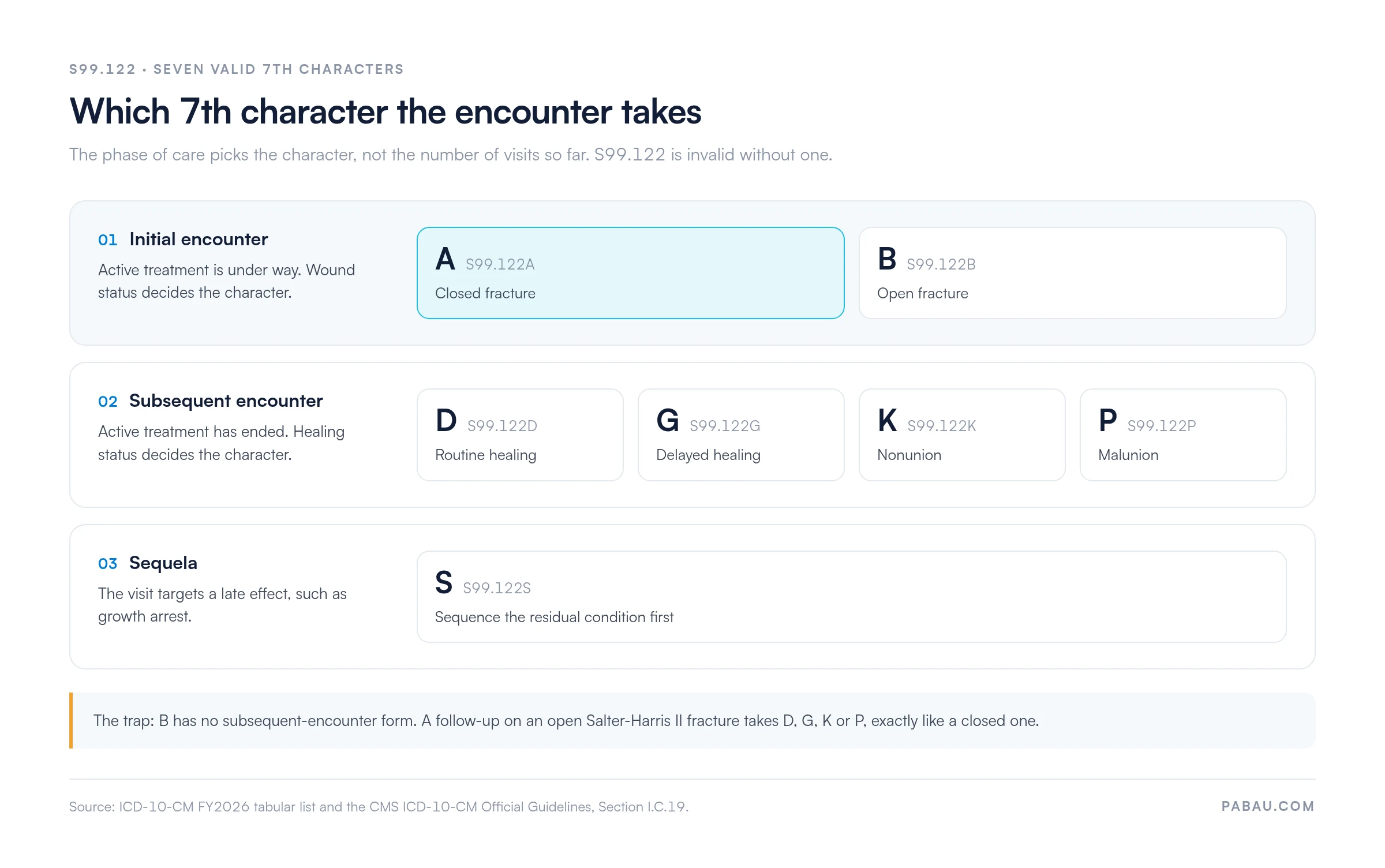
A common misconception is that initial encounter means only the first visit. Under CMS guidelines, character A applies throughout the active treatment phase. A patient who has surgery on day 14 and returns for a wound check on day 21 still carries S99.122A. Active orthopedic management, not the visit count, keeps A in place.
Wound status is what separates A from B, not the severity of the fracture. Use B when the fracture site communicates with an open wound at the initial encounter. A closed Salter-Harris II fracture keeps A even when it needs internal fixation.
Once active treatment ends, the healing status picks the character. D covers routine healing. G covers healing that lags but is still progressing. K applies after imaging confirms the fragments have not united. P applies when the bone healed in the wrong position.
One detail catches coders out on open fractures. B has no subsequent-encounter counterpart, so a follow-up visit for an open Salter-Harris II fracture takes D, G, K, or P like any other. The open-wound distinction only exists at the initial encounter.
Reserve S for an encounter aimed at a late effect of the fracture. Premature growth plate closure and the limb-length discrepancy that follows it are the usual examples. Sequence the residual condition first, then S99.122S.
Record the wound status and the clinical phase in every note. Character A needs wording like closed Salter-Harris II fracture under active management. Character B needs the fracture described as open. Character D needs a line such as fracture healing satisfactorily, routine monitoring. A vague follow-up fracture leaves the 7th character unsupported and invites payer queries.
Understanding the full hierarchy helps coders confirm they are using the most specific code available. It also makes it easier to trace the code block against payer edits.
S99.122 itself is not billable. Coders must add one of the seven 7th characters, A, B, D, G, K, P or S, to reach a reportable code. Submitting S99.122 with no 7th character produces a claim rejection for an invalid code.
Several sibling and adjacent codes are commonly referenced alongside S99.122A. Selecting the wrong laterality or Salter-Harris type is a frequent audit trigger.
Use the AAPC ICD-10-CM code lookup or the CDC/NCHS tabular list to verify current status before submitting. Our diagnostic codes library carries the same field-by-field breakdown for each of the codes below.
Coders searching the ICD-10-CM alphabetical index will meet several clinical terms that route to S99.122A. Recognizing these terms in physician documentation is essential for accurate code assignment. None of them settle the wound status, so check the note for closed or open before you pick the 7th character.
In the ICD-10-CM alphabetical index, start at Fracture, traumatic, then move to metatarsal and physeal. From there, find Salter-Harris Type II and trace to S99.12. Add the laterality character, then the 7th character.
The WHO ICD-10 browser provides the international base classification, while the US-specific modifications live in the CDC/NCHS ICD-10-CM tool.
Clean claim submission for ICD-10 Code S99.122A depends on the physician note carrying every specificity element below. If one is missing, the coder cannot supply it and the claim stalls. Practices that build a clean claim checklist into the workflow see fewer denials on pediatric fracture codes.
CDI professionals should flag notes where the physician writes metatarsal fracture with no Salter-Harris classification. That is a query opportunity, not a coding assumption. The classification also shapes the rehabilitation plan, so the phrase serves the care team as well as the claim.
The diagnosis code is only half of the claim. The procedure codes below are the ones most often reported alongside S99.122A in a pediatric foot fracture encounter. Confirm each against the current CPT code set and your payer policy before billing.
Watch the wording on 28485. Open treatment describes the surgical approach, not an open fracture. A closed Salter-Harris II fracture that gets internal fixation still carries the A character, not B.
Denial patterns for S99.122A cluster around a handful of recurring mistakes. Practices that address them inside the coding workflow see fewer post-submission queries. On pediatric fracture codes, most of the fix is documentation discipline rather than coding knowledge.
Build a Salter-Harris coding audit into your quarterly chart review process. Pull claims coded under S99.1xx and verify the physician note explicitly documents the type and laterality. A 10-chart sample per quarter surfaces documentation patterns before they become payer audit findings.
A code reference stops at the code. The claim still has to carry that code from the note to the payer, with the laterality, the wound status and the 7th character intact. That handoff is where pediatric fracture claims usually come apart.
Practices handling pediatric orthopedic cases want the note, the diagnosis code, and the claim in one workflow. Practice management software like Pabau is built that way. Pabau’s claims management software links the ICD-10-CM code captured at documentation straight to claim submission. That removes the manual re-entry behind most laterality mismatches and 7th character mistakes.
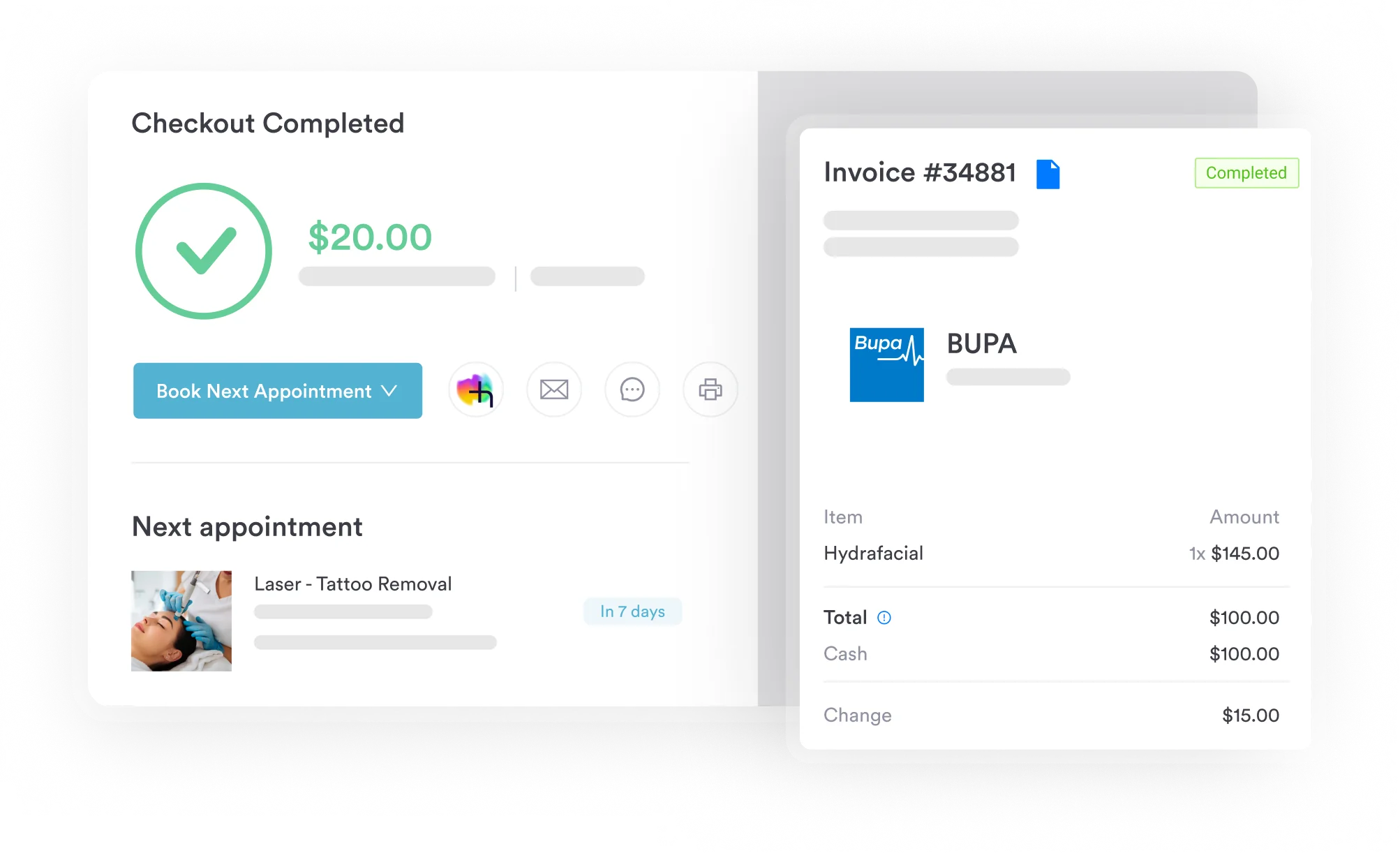
For practices submitting claims electronically, Pabau integrates with Claim.MD, our US clearinghouse partner. Claim.MD connects to thousands of US payers and validates ICD-10-CM codes against built-in catalogs before transmission.
It returns electronic remittance advice, so coders can see denial reasons tied to a specific code. An S99.122 submitted with no 7th character is caught before it reaches the payer, which is one less rejection to rework.
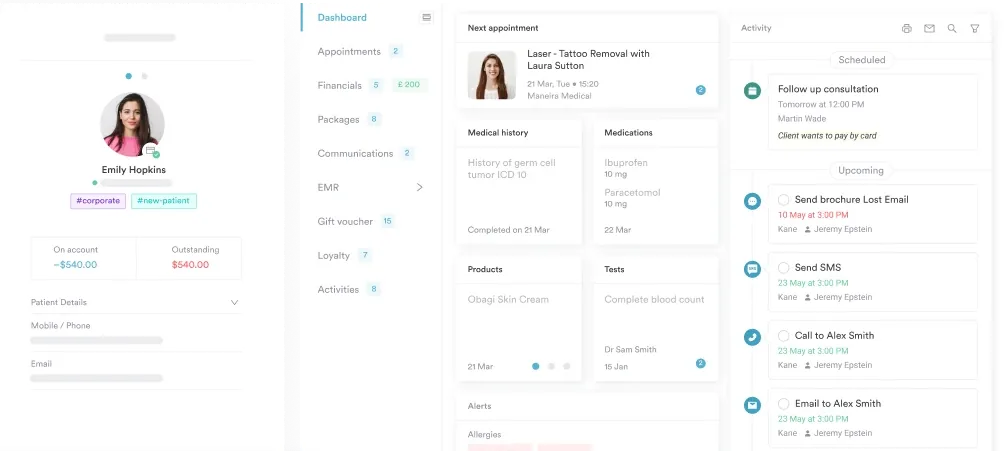
Pabau’s structured clinical records also support the specificity S99.122A demands. A clinician records the Salter-Harris type, the laterality, the wound status and the encounter context in a structured SOAP note. That detail stays searchable and auditable without a manual chart pull.

Pabau connects ICD-10-CM diagnosis codes to clean claim submission through Claim.MD. Codes are validated before they reach thousands of US payers. See how it works for your practice.

Four documented facts are the whole job on this code: type, side, wound status, and phase of care. Get them into the note and S99.122A is unambiguous. Leave one out and the coder is guessing, which is how a pediatric fracture claim gets downcoded.
The trade-off worth remembering is a small one. Specificity costs the clinician a phrase at the point of care and saves the practice a rework cycle later. A note template that prompts for Salter-Harris type and laterality is cheaper than a quarterly denial review.
Pabau’s claims management software and Claim.MD integration keep that documentation-to-claim connection intact, validating codes before transmission. Book a demo to see how Pabau handles ICD-10-CM workflows for orthopedic and pediatric practices.

Need to understand claim denial patterns for fracture codes? Denial management in healthcare covers the most common reasons fracture claims are rejected and how to address them systematically.
Looking for a guide to electronic claim submission? 837 file submission explains the EDI transaction format used to submit ICD-10-CM coded claims to payers and clearinghouses.
Want to understand how clearinghouses validate ICD-10 codes before transmission? Medical claims clearinghouse explains how code validation works in the submission pipeline.
New to the revenue cycle behind a coded claim? What is medical billing walks through each step from the encounter note to the payer remittance.
S99.122A is the billable ICD-10-CM code for a Salter-Harris Type II physeal fracture of the left metatarsal, initial encounter for closed fracture. It applies to skeletally immature patients whose imaging shows a fracture line running through the physis and out through the metaphysis. The code is valid for FY2026, effective October 1, 2025. If the same fracture is open, report S99.122B instead.
Yes. S99.122A is a billable, specific ICD-10-CM code valid for reimbursement in FY2026. The parent code S99.122 is not billable on its own. One of the seven valid 7th characters, A, B, D, G, K, P or S, must be appended to reach a reportable code.
Seven characters are valid. A is the initial encounter for a closed fracture and B is the initial encounter for an open fracture. D, G, K and P cover subsequent encounters with routine healing, delayed healing, nonunion and malunion. S reports a sequela of the fracture.
A designates the initial encounter for a closed fracture under the CMS ICD-10-CM Official Guidelines. It covers the whole active treatment phase, not only the first visit. Surgery, cast application and ongoing active orthopedic management all keep the A character. It changes when care shifts to a subsequent encounter.
The switch happens once active treatment ends and the visit becomes a follow-up. Use D while the fracture heals as expected, and G when healing lags but callus is still forming. Use K after imaging confirms the fragments have not united. Use P when the bone healed in a non-anatomic position.
Start with the Salter-Harris type the physician documented. For the metatarsal, ICD-10-CM gives Types I through IV their own subcategories under S99.1, and routes Type V or an unclassifiable pattern to S99.19. Add the laterality character, then the 7th character for the encounter and wound status. Never infer the type from the mechanism of injury.
The note must record the Salter-Harris type, the anatomical site, the laterality, and whether the fracture is closed or open. It also needs the encounter phase, plus the healing status on any follow-up visit. Radiographic confirmation should be referenced. If an element is missing, query the treating provider rather than dropping to an unspecified code.



