ICD-10 Code S42.444P: Medial epicondyle fracture, right humerus
ICD-10 Code S42.444P: full descriptor and code validity ICD-10 Code S42.444P car...

Last Updated: Oct 13, 2026
Billable Code Specific Code
S52.262K is the billable ICD-10-CM code for displaced segmental fracture of shaft of ulna, left arm, subsequent encounter for closed fracture with nonunion.
Segmental fractures break the ulna in at least two places and leave a floating middle piece. That middle piece loses much of its blood supply, so healing stalls here more often than in a simple break.
The diagnosis itself never changes through all of this. S52.262 stays put, and the 7th character carries the healing story. Get that character right and the claim reads as one continuous episode of care. Get it wrong and the payer sees a fracture that is healing normally.
Let Pabau's smart automation suggest the right codes, reduce claim denials, and keep your practice compliant—effortlessly.
Automate repetitive tasks and focus on what matters most—your patients.
Reduce coding errors and ensure compliance with the latest regulations.
Clean claims, fewer denials, and faster reimbursements.
Powerful insights and reporting to help your practice thrive.
HIPAA compliant SOC 2 certified GDPR-compliant Trusted by 4,000+ clinics worldwide

S52.262K covers a displaced segmental fracture of the left ulna shaft, seen again after treatment, with the bone still not united.
The 7th character K means a closed fracture that has failed to heal at a subsequent encounter.
Nonunion is not malunion, so K and P are never interchangeable on the same claim.
Open-fracture nonunion takes M or N, so check what the initial encounter was coded as first.
Practice management software like Pabau keeps imaging dates and encounter notes in one client record, which supports the K character.
The code is correct only when five facts line up. The fracture is displaced and segmental. It sits in the shaft of the left ulna, it was closed at the start, and it has not united. Read the code from left to right and each fact appears in order.
Displaced means the fragments have shifted out of alignment. Segmental means there are two fracture lines with an isolated piece between them. Both words have to be supported by the imaging report, not assumed from the injury story.
The code is active in the 2025 and 2026 ICD-10-CM code sets. You can confirm that in the CDC/NCHS ICD-10-CM web tool before you submit. The Centers for Medicare and Medicaid Services (CMS) has required ICD-10-CM on every claim dated October 1, 2015 or later.
That single letter tells the payer where the patient sits in the episode and how the bone is doing. On this family, it is the only thing separating a routine follow-up from a stalled one. Sending D when the note says nonunion is a common audit trigger.
Two things follow from that table. The character moves as the fracture’s status moves. One episode can run from A through D and G to a final K character. Sequela is the odd one out, since it codes a late effect after active treatment ends. That is the same job S62.032S does for an old scaphoid injury.
If the original fracture was open, nonunion is coded M or N rather than K. M covers a Gustilo type I or II open fracture. N covers types IIIA, IIIB, and IIIC. Q and R are the open-fracture malunion characters, so they never stand in for nonunion.
The same split runs back to the first visit. Only B and C mark an initial encounter for an open fracture, again by Gustilo grade. D, E, and F are subsequent-encounter characters for routine healing, so none of them belongs on a first visit. Mixing open and closed characters inside one episode is what pulls a claim into medical review. Medicare coverage for a service can depend on frequency limits rather than medical necessity alone. Diagnosis pointers on the claim form link each service line to the diagnosis that justifies it.
Nonunion means the bone never joined. Malunion means it joined in the wrong position. Coders mix them up constantly, and the two outcomes lead to different 7th characters, different surgical plans, and different payer expectations.
Delayed healing is worth its own mention, since it is the character most often skipped. Practices code straight from D to K and lose the middle of the story. The same character appears across the other fracture chapters, as on S62.360G.
Radiographically, nonunion is usually called at around six months when no bridging callus is visible. Clinical signs point at it earlier, though, through persistent pain and movement at the fracture site.
Rehab notes carry weight here too. A physical therapy EMR that records ongoing pain and limited pronation gives you a second clinician confirming the picture.
Write the radiographic finding into the note at every nonunion visit. A line such as ‘no bridging callus on X-ray dated March 4’ gives the payer a concrete basis for the K character. It also saves your coder a phone call.
A subsequent encounter is any visit after the patient has received active treatment, whoever provides it. That last part catches people out.
A second opinion with a different surgeon is still a subsequent encounter, because active treatment already happened somewhere else.
Documentation supporting S52.262K at that visit should include:
Notice how much of that list is about the past rather than today’s exam. Nonunion coding is a history problem as much as a clinical one, which is why scattered records cost so much time at the billing desk.
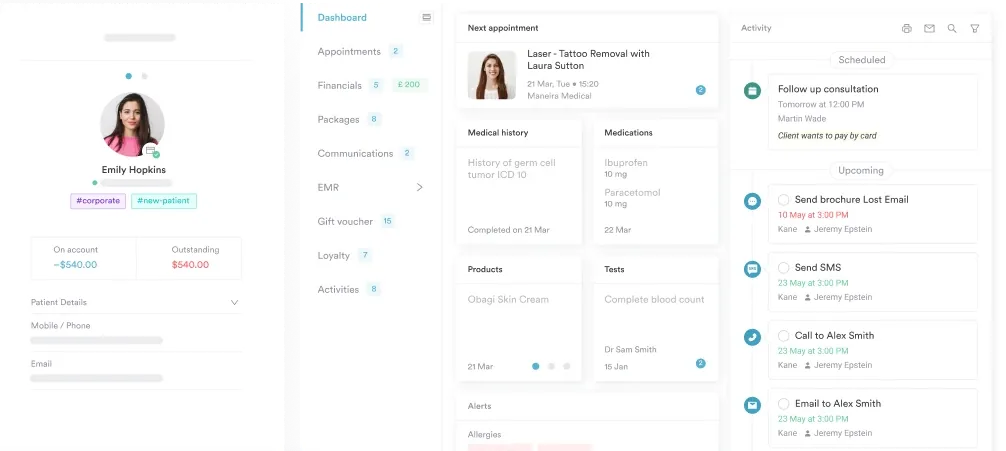
A nonunion claim takes a short route and breaks in predictable places. Here is the path from the exam room to payment:
Step two is where most claims stall. The original fracture status often sits in a letter from another practice, and nobody wants to open six scanned PDFs to find it. Step five is where the rest go, usually because the note says “not healing well” instead of naming nonunion.
Run that check once and it becomes muscle memory. It also gives your front desk something concrete to chase before the claim leaves, which is faster than reworking a denial four weeks later.
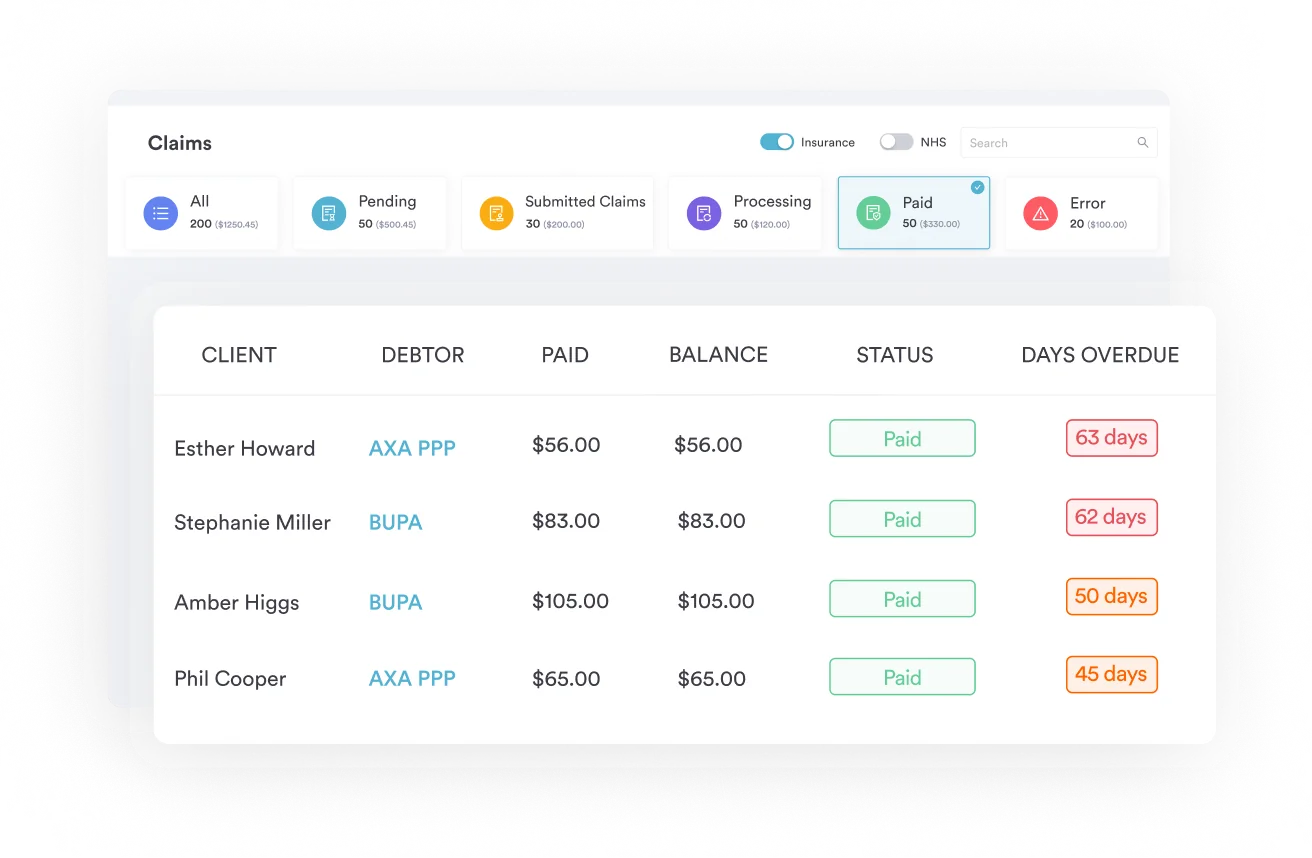
Surgical management of an ulna shaft nonunion usually means open fixation, bone grafting, or both. The codes below are the ones that turn up most often alongside S52.262K at an operative encounter.
Note that 25337 is a soft tissue procedure. It uses tendon transfer, graft, or tenodesis to stabilize the joint, so it is not the code for an implant or a prosthetic ulnar head. Coders reach for it wrongly more often than any other code in this group.
Operative detail decides the CPT code, so the report has to name the approach and any grafting separately. Practices running sports medicine software with structured operative templates capture those elements at the point of dictation, while the surgeon still remembers them.
When a bone stimulator is used without surgery, S52.262K supplies the medical necessity for 20974. Medicare and most commercial payers want imaging confirmation of nonunion behind that pairing, so attach the report or reference it by date.
Pair S52.262K with the imaging code you actually billed, such as 73090 for a two-view forearm X-ray. The imaging date in the record anchors the nonunion finding and justifies surgery or a bone stimulator.
S52 covers fractures of the forearm, both radius and ulna, as set out in the WHO ICD-10 browser. Knowing the codes either side of S52.262K is the quickest way to avoid laterality slips and pattern mix-ups.
The same logic runs through the neighboring chapters. A radius shaft fracture with a different pattern takes different pattern takes S52.356C, and a stalled finger fracture takes S62.606K. Learn the character ladder once and it transfers everywhere.
Laterality remains the most common source of edits on these claims. The note has to say “left” in words for S52.262K to hold up. Capturing side as a set field on your digital intake forms at the first assessment removes the ambiguity before it reaches a coder months later.
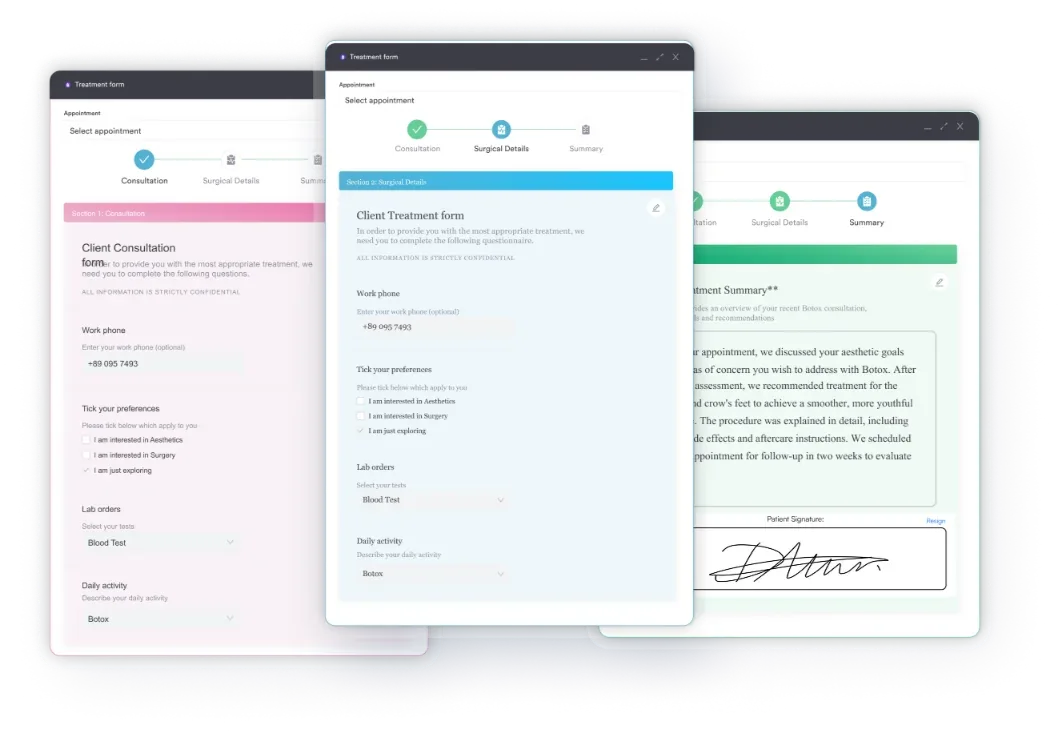
Most nonunion denials trace back to a record that was never built for the questions a payer asks. The imaging date sits inside a scanned PDF. The word “left” appears once, in a letter from the first surgeon. The encounter history lives in somebody’s memory.
Practice management software like Pabau keeps those pieces in one place. Treatment notes, imaging dates, consent forms, and photos all attach to the same client record as the appointment. Your clinical documentation then reads as a timeline rather than a pile of files.
Billing then runs off that timeline instead of a separate spreadsheet. Your coder can see each visit and its fracture status in order, which makes the move from D to G to K easy to defend. Pair that with claims and billing tools in the same system and fewer claims come back for rework.

Pabau keeps fracture status, imaging dates, and encounter history in one client record, so your team can support the right ICD-10 character every time.

S52.262K is a narrow code doing a specific job. It says the left ulna shaft broke in two places and the pieces moved. It says the fracture was closed at the start, and that months later the bone still has not joined. Each of those facts has to be visible in the chart.
The harder work sits in the record behind the code. When laterality, the imaging date, and the original closed status are easy to find, the claim clears first time. When a coder has to hunt through scanned letters for them, it usually does not.
Build the follow-up note once so it answers those questions every time, and nonunion stops being the visit that costs you three weeks of rework. Book a demo to see how Pabau keeps fracture documentation and billing in the same client record.

Coding a hand fracture at a later visit? S62.211D walks through the same subsequent-encounter logic on a thumb base fracture.
Need the initial-encounter version of this pattern? S62.011A covers a displaced scaphoid fracture at the first treating visit.
Documenting an upper limb injury higher up the arm? S43.111A explains how to code an acromioclavicular joint subluxation.
Billing a tissue cultured skin autograft? CPT code 15150 covers the first 25 square centimeters of a tissue cultured skin autograft on the trunk, arms, or legs.
Billing extra area on a full-thickness graft? CPT code 15221 is the add-on code for each additional 20 square centimeters of full-thickness graft on the scalp, arms, or legs.
Yes. S52.262K is a complete seven-character code, so it stands on its own for reimbursement. Codes left at the S52.262 level without a 7th character are not billable and will reject.
No. S52.262 already runs to six characters, so K sits straight into the seventh slot. Placeholder X is only needed when a code is shorter than six characters and still requires a 7th.
No. Aftercare Z codes are not used for injuries. The 7th character already tells the payer this is follow-up care, so adding Z47.89 or similar just repeats that information.
You can, though there is no national requirement to. External cause codes carry their own 7th character, and D marks a subsequent encounter. Check payer and state rules, since some registries ask for them.
Yes. Where the nonunion is the reason for the visit, it leads the claim. List conditions that affect healing, such as diabetes or tobacco use, after it as secondary diagnoses.