ICD-10 Code S42.444P: Medial epicondyle fracture, right humerus
ICD-10 Code S42.444P: full descriptor and code validity ICD-10 Code S42.444P car...

Last Updated: Oct 13, 2026
Billable Code Specific Code
S62.032S is the billable ICD-10-CM code for displaced fracture of proximal third of navicular [scaphoid] bone of left wrist, sequela.
Coders in sports medicine practices and orthopedic offices reach for this code when a patient returns months or years after a scaphoid fracture. The complaint has to be a direct consequence of that original injury. The code does not fit an encounter where the fracture itself is still being managed.
Let Pabau's smart automation suggest the right codes, reduce claim denials, and keep your practice compliant—effortlessly.
Automate repetitive tasks and focus on what matters most—your patients.
Reduce coding errors and ensure compliance with the latest regulations.
Clean claims, fewer denials, and faster reimbursements.
Powerful insights and reporting to help your practice thrive.
HIPAA compliant SOC 2 certified GDPR-compliant Trusted by 4,000+ clinics worldwide

ICD-10 code S62.032S is a billable code for a displaced fracture of the proximal third of the scaphoid bone in the left wrist, sequela.
It took effect on October 1, 2025, as part of the 2026 ICD-10-CM edition, and it is valid on HIPAA-covered claims.
The 7th character S means the patient has a late effect of the old fracture, not a fracture that is still healing.
Mixing up sequela (S) with subsequent encounter (D) is the most common error in this code family, and it triggers denials.
Practice management software like Pabau helps orthopedic teams record laterality, displacement, and encounter type before the claim goes out.
The 7th character is the most consequential element of this code. It tells the payer whether the patient is at an initial encounter, a subsequent encounter, or a sequela encounter. Getting it wrong is the top reason S62-family claims get flagged in an audit.
Per the CMS ICD-10-CM guidelines, Section I.C.19, the sequela character applies only once the fracture has finished its active healing phase. When you report a sequela code, add a second code that names the condition itself. Post-traumatic arthritis of the wrist and avascular necrosis of the scaphoid are the two you will see most.
The healing-phase characters follow the same logic across the whole S62 chapter. A code such as S62.606K marks a fracture that has failed to unite. That is still active management, so it is not a sequela.
Always report a second code alongside S62.032S to name the specific sequela condition. Submitting the sequela code on its own is a common audit finding. The sequela code explains the cause, and the second code explains what the patient has now.
Knowing where S62.032S sits in the ICD-10-CM structure helps you verify specificity and avoid dropping to a parent code. The CDC ICD-10-CM tool lets you browse the hierarchy by fiscal year.
Never stop at S62.0 or S62.03 for a final claim. Those are parent codes, not billable codes. Only the fully specified 7th-character code is valid for submission. Non-specific parent codes are a common rejection trigger in physical therapy practices and orthopedic offices alike.
The scaphoid, also called the navicular bone, is the most commonly fractured carpal bone in the wrist. The anatomy behind the code matters at documentation time. Unless the clinical record names the sub-site, nothing on the chart justifies S62.032S over a sibling or parent code.
ICD-10-CM splits scaphoid fractures across three sub-sites: the distal third, the middle third (waist), and the proximal third. The proximal third sits closest to the radius, and it carries the heaviest consequences for healing.
Blood reaches the proximal pole by a retrograde route, entering at the distal end and travelling back up the bone. A fracture through the proximal third can cut that supply off. The American Society for Surgery of the Hand ties this pattern to a raised risk of avascular necrosis.
The phrase “proximal third” has to be explicit in the documentation. An operative report or imaging read that says “proximal pole” or “proximal segment” maps to the same sub-site. “Waist” or “middle third” routes instead to S62.022, the displaced middle-third code for the left wrist. Fractures at the far end of the bone sit in the S62.01 group, where a code like S62.011A lands. A clearinghouse submission report arrives before the payer remittance, and it is the first place a format problem shows.
A displaced fracture is one where the fragments have shifted out of normal anatomical alignment. That shift is a required element of S62.032S. If the fragments are still aligned, the correct family is S62.035x, the nondisplaced proximal third code for the left wrist.
Never infer displacement from an imaging report that avoids the word. Query the ordering clinician instead. Coding guidelines require you to code what is documented, and a default assumption is not permitted. Nondisplaced codes carry identical 7th-character rules, as S62.360G shows.
Picking the most specific code means knowing the rest of the scaphoid family. The table below covers the siblings, parents, and neighbors that coders most often confuse with S62.032S. Solid medical documentation practices turn that choice into a lookup rather than a judgment call.
A scaphoid fracture often arrives alongside a distal radius injury. That second injury is coded from the S52 family rather than S62, and it needs its own line on the claim. S52.356C is one of those radius codes.
Always code to the highest level of specificity the documentation supports. S62.002S rarely fits when operative notes or radiology reads already name the sub-site and the displacement. Query the provider before you default to an unspecified code.
Most coding errors in this family happen right here. Sequela and subsequent encounter describe different clinical situations, and the ICD-10-CM guidelines draw a firm line between them. Of all the 7th-character choices, this is the one coders find least intuitive.
The provider’s note usually settles it. If the note describes managing the fracture, the nonunion, or the malunion, you are in a subsequent encounter. If it names a separate condition and traces that condition back to an old fracture, you are in a sequela encounter.
The AAPC code reference applies the same D-versus-S logic across every injury chapter. The test you use on a scaphoid claim carries over to the rest of the fracture families.
Four documentation elements have to appear in the clinical record to support S62.032S. Miss one and a payer can downcode or deny the claim on specificity. Practices working from structured clinical records software can build all four into the standard encounter template.
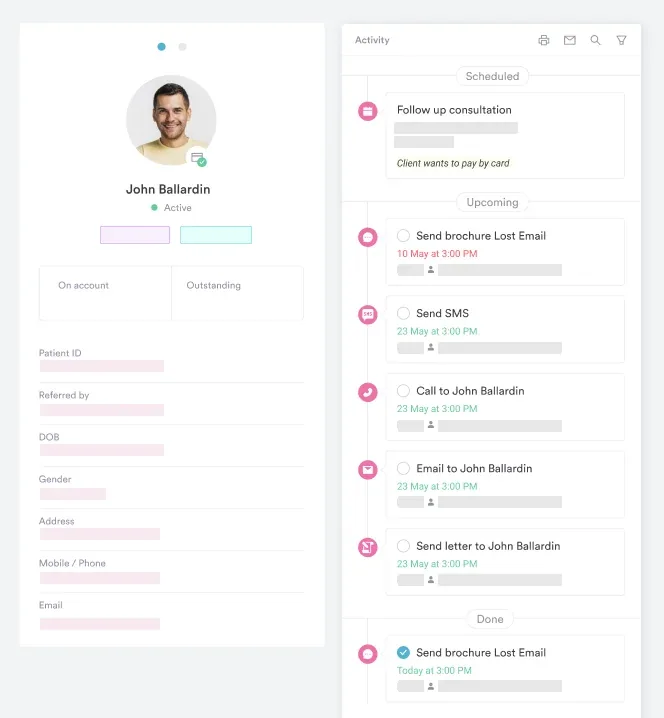
When the record is incomplete at coding time, send a query to the treating clinician rather than drop to a less-specific code. A standard history and physical form captures laterality and mechanism at the first visit. High-volume fracture teams also lean on HIPAA-compliant documentation workflows that gather all four elements before the claim is built.
Orthopedic billing teams write off reimbursement every year to coding errors that started life as an incomplete note. When the record skips laterality, displacement, sub-site, or encounter type, the coder either guesses or sends a query. Both options slow the revenue cycle down.
Pabau’s claims management software works from the same structured clinical record your clinicians write in. The fields that support a code like S62.032S are captured before anyone opens the claim. A clinician documenting a wrist injury works through a template that prompts for laterality, displacement, sub-site, and encounter type.
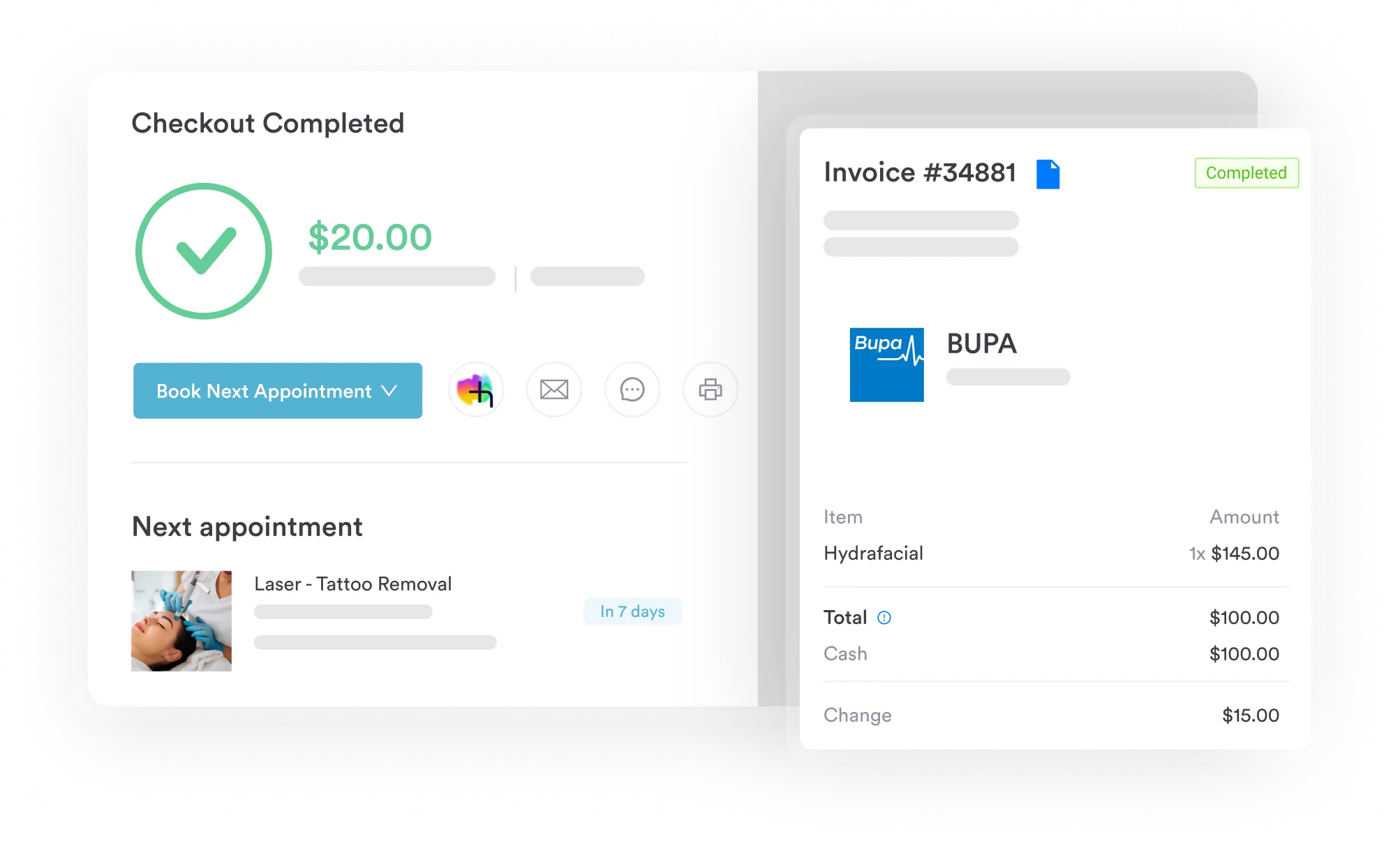
Multi-provider orthopedic and sports medicine teams also use Pabau’s digital intake forms to standardize how fracture presentations get recorded. When every provider documents a wrist injury the same way, far fewer claims stall on missing specificity.
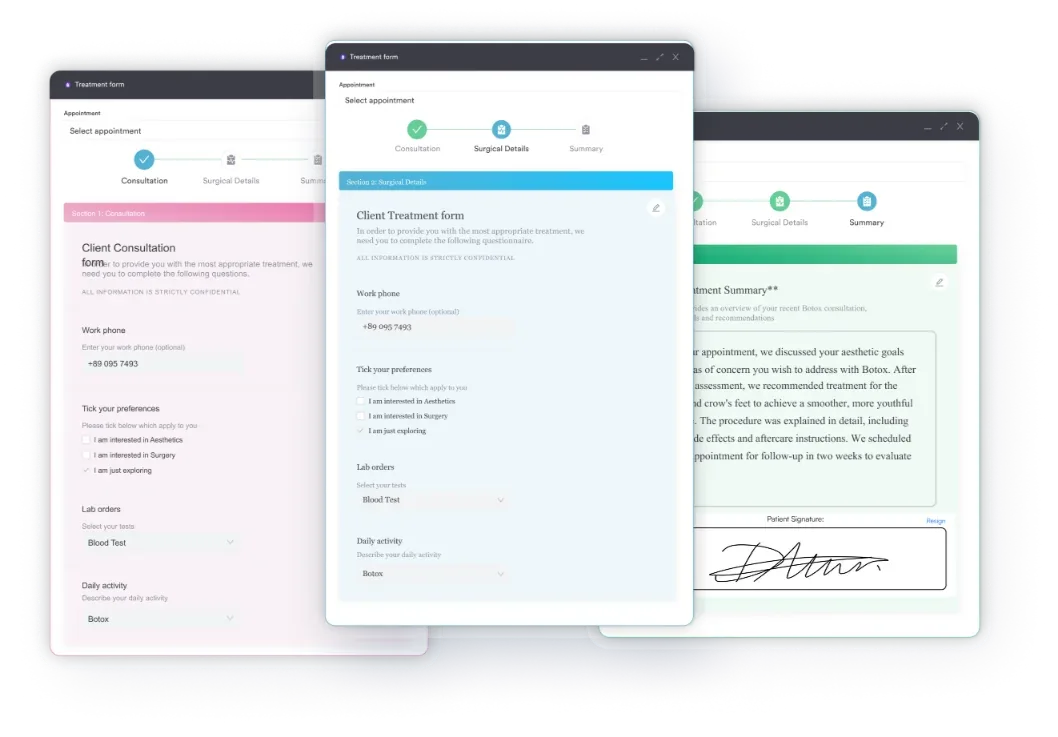

Pabau’s claims management tools capture laterality, displacement status, and encounter type inside the structured clinical record. The right code reaches the payer the first time.

S62.032S is a narrow code. It earns its place only when the wrist is left, the fracture was displaced, and the sub-site was the proximal third. The fourth condition is the one that trips people up. The encounter has to be about a late effect, not a fracture still under treatment.
So the practical move sits upstream of the coder. Fix the note template and the code selects itself, because all four elements are already in the record when the coder opens it. Leave it to the claim stage and you are querying clinicians weeks after the visit.
That trade-off is worth remembering the next time an S62 denial lands on your desk. Book a demo to see how Pabau captures laterality, displacement, and encounter type at the point of care.

Coding a radius fracture alongside the wrist injury? S52.356C walks through the open fracture characters and the documentation each one needs.
Billing removal of a drug-delivery device? Intramedullary device removal billing guide covers the add-on code that only bills alongside a primary procedure.
Handling a shoulder injury on the same patient? S43.111A covers laterality and encounter type for acromioclavicular joint subluxation.
Documenting a hand wound at a follow-up visit? S61.441D shows how the subsequent-encounter character works outside the fracture chapters.
ICD-10 code S62.032S is a billable ICD-10-CM code for a displaced fracture of the proximal third of the scaphoid bone in the left wrist, sequela. It is valid for claim submission under the 2026 edition, effective October 1, 2025. Use it when the patient presents with a late effect of that historical fracture.
The 7th character S marks a sequela encounter. The patient has a condition, such as post-traumatic arthritis or avascular necrosis, that is a late result of a previous fracture. Per CMS ICD-10-CM guidelines, S is only appropriate once the fracture has finished active healing. That sets it apart from D for routine healing, G for delayed healing, K for nonunion, and P for malunion.
Yes. S62.032S is a billable, specific ICD-10-CM code valid on HIPAA-covered claim transactions. It has been billable since it entered the tabular list, and it remains valid in the 2026 edition. It is also exempt from the Diagnosis Present on Admission reporting requirement.
S62.032A is the initial encounter code, used when active fracture treatment begins. S62.032D covers the routine healing phase, including cast checks, imaging follow-up, and physical therapy. S62.032S is the sequela code, used after healing is complete. Swapping them produces a claim that does not match the record, which auditors spot quickly.
Use the sequela character S once the fracture has fully completed active healing. The patient must present with a residual complication caused by that prior fracture. Post-traumatic wrist arthritis, chronic pain, and avascular necrosis of the scaphoid all qualify. Always report a second code naming the specific sequela condition alongside S62.032S.
Laterality is a required specificity element in the S62 scaphoid family. S62.032S is left wrist only. The right wrist uses S62.031S, and unspecified laterality uses S62.033S. Reaching for the unspecified code when the record names the side is a specificity error, and payers can downcode the claim for it.