CPT code 93503: Swan-Ganz catheter billing and modifiers
CPT code 93503: Official descriptor and procedure overview In the AMA CPT code s...

Last Updated: Oct 23, 2026

CPT code 20902 covers a major or large bone graft harvested from any donor area, such as the iliac crest, fibula, tibia, or rib.
CPT sets no numeric size threshold, so the operative note is what separates 20902 from the minor graft code 20900.
The harvest needs its own incision, and modifier -59 to survive the NCCI bundling edits against the primary procedure.
Medicare pays 20902 at different facility and non-facility rates, and CMS adjusts both every year by locality.
Practice management software like Pabau captures graft size and donor site as structured fields, so coders stop interpreting free text.
CPT code 20902 is a billable procedure code with the long descriptor bone graft, any donor area; major or large. It sits in the General Grafts or Implants subsection of the Musculoskeletal System section. The CPT code set is maintained by the American Medical Association (AMA). It is a standalone code rather than an add-on, so you can report it as its own claim line. First-pass rate measures how often a claim is paid without anyone touching it again. A paid claim can still be underpaid, and the electronic remittance file is where that shows up.
The “any donor area” wording matters for billing. It tells you the harvest site is not restricted to one anatomical location. Common sites include the iliac crest, fibula, tibia, and rib.
The “major or large” qualifier is what separates 20902 from 20900, which covers a minor or small harvest from the same code family. CPT publishes no numeric volume threshold for either code. Your operative report is the only thing that decides which one applies, and payers read it that way at audit.
CPT code 20902 applies when a surgeon harvests autogenous bone from a donor site to fill a defect that needs substantial volume. It is reported most often alongside spinal fusion, fracture non-union repair, and oncologic bone reconstruction. One condition runs across all of them. The harvest has to be performed through its own incision to be separately reportable.
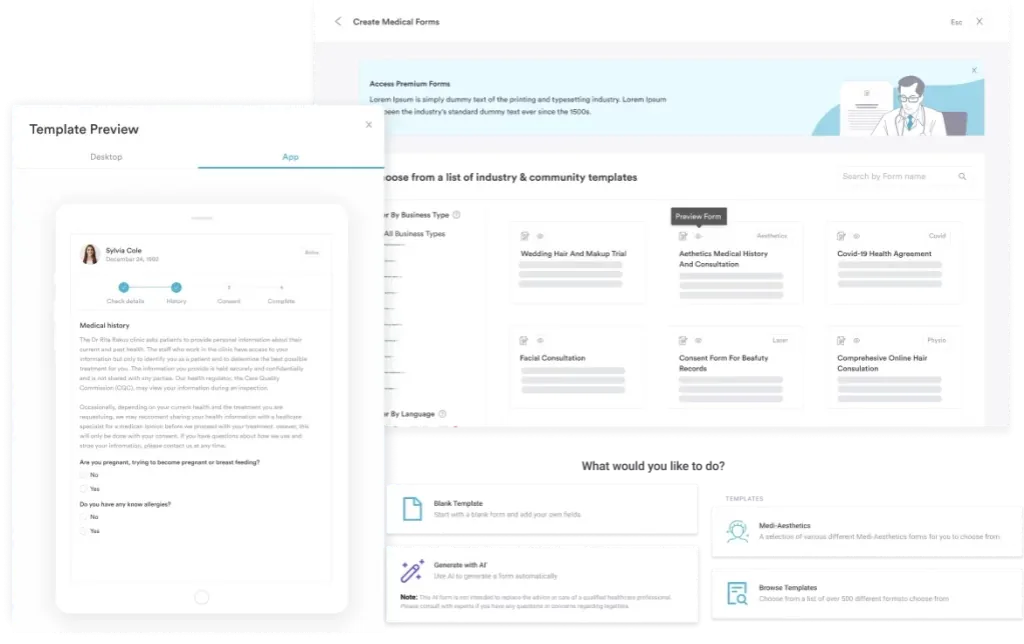
Practices using structured clinical records software can tie the procedure code to the operative report at the point of documentation. That keeps the clinical scenario and the submitted code from drifting apart. The indications where 20902 fits include:
The autograft distinction matters here. CPT code 20902 covers autogenous bone, meaning the graft comes from the same patient. Allograft bone from a donor is reported with different codes, and supply billing may be handled separately depending on payer policy.
Confusing 20900 and 20902 is the most common error in this code family. Both describe a bone graft harvested from any donor area, and graft size is the only thing separating them.
Billing 20900 when the report documents a major harvest understates the work and costs you reimbursement. Billing 20902 for a minor harvest invites an upcoding finding at audit. Either way, the report has to state the graft dimensions or volume.
Linking code selection to templated operative note fields lets coders identify the right graft size code without re-reading every report. Practice management software like Pabau builds this into its digital forms, so graft volume and harvest site are captured as discrete data fields. Code selection gets faster and easier to defend.
Reimbursement for 20902 is set each year through the CMS Physician Fee Schedule. The rate comes from Relative Value Units (RVUs) multiplied by the Medicare conversion factor. It is then adjusted for locality through the Geographic Practice Cost Index (GPCI).
Facility and non-facility rates differ, and both change every calendar year. The CMS Physician Fee Schedule lookup tool is the authoritative source for current rates by locality and place of service. The table below sets out the variables rather than dollar figures that go stale.
Private payer rates are negotiated by contract and can sit well above or below Medicare. Check your own payer contracts rather than assuming the Medicare rate applies. Your billing team should also confirm the facility-versus-non-facility column for every encounter.
Check whether your MAC (Medicare Administrative Contractor) has issued a Local Coverage Determination (LCD) for bone graft procedures in your region. Some LCDs impose documentation requirements beyond national CMS guidelines. Non-compliance is a direct denial trigger even when the CPT code itself is correct.
Our roundup of alternatives to Jane App covers platforms that pair procedure coding with treatment planning and claims.
Modifier assignment is where 20902 claims most often break down. Bone graft harvesting nearly always accompanies a primary procedure, so payers apply NCCI bundling logic by default. Without a modifier signaling distinct, separately identifiable work, the graft line bundles into the primary procedure and pays zero.
Check payer-specific modifier policy before you submit. Commercial plans sometimes depart from Medicare rules on this pairing.
The operative report is the document that carries a 20902 claim. Payers deny or downcode bone graft claims when the report fails to separate the harvest from the primary surgery, or when it omits graft size.
The documentation burden is heavier than it is for 20900, because the “major or large” qualifier has to be clinically substantiated. Practices that manage surgical documentation through structured medical forms can embed the required fields in their operative note templates. Required elements for a compliant 20902 report include:
A checklist-based operative note template aligned to these requirements cuts the cycle time for coder review. Pabau’s claims management software adds pre-submission checks that flag incomplete documentation before a claim leaves the practice.
CPT code 20902 denials cluster around three causes. The claim bundles because the modifier is missing, the operative note is too thin, or the diagnosis codes do not support medical necessity. Catching all three before submission costs far less than working an appeal.
Tracking denial patterns by CPT code shows you where documentation keeps falling short. Pabau’s reporting tools break claim outcomes down by procedure code, so a recurring 20902 problem surfaces before it reaches cash flow.
The diagnosis codes on a 20902 claim have to justify why a major bone graft was necessary. A mismatch between the ICD-10-CM code and the documented scenario is what turns into a medical necessity denial.
The table below maps common diagnoses to the scenarios where a major harvest is typically required. Treat it as a starting reference and always pick the code that most precisely fits the documented condition. The AAPC Codify CPT lookup carries crosswalk data for 20902 that can supplement payer-specific tools.
Fracture diagnoses also carry a seventh character that tells the payer where you are in the episode of care. Codes like S52.131Q point to a malunion, and the malunion and non-union characters are the ones that most often support a graft.
CPT code 20902 belongs to a wider family of bone graft codes. Knowing how they relate prevents both undercoding and overcoding across complex musculoskeletal cases.
The spinal codes 20936, 20937, and 20938 all describe autograft used during spinal surgery rather than allograft. They are add-on codes, so they cannot be reported alone. The allograft equivalents for the spine sit in a separate pair, 20930 and 20931.
Practices billing spinal fusion should confirm with each payer whether 20902 and the 2093x series can appear on the same claim. Microvascular bone transfers are coded elsewhere again, with 20957 covering a metatarsal free flap.
The add-on status of 20936, 20937, and 20938 means they never appear on a claim without their parent spinal fusion code. Billing them standalone is an automatic denial. Confirm with your payer whether 20902 and 20937 can be reported together, since some treat the 20902 harvest as already captured by 20937.
Dental bone grafts are billed with CDT D-codes rather than CPT 20902. If your practice sees patients for oral surgery or dental implant preparation, confirm that CPT bone graft codes are not being applied to dental procedures. This is a fundamental billing error with audit implications.
Orthopedic and spinal surgery practices bill high-value procedures, so one denied claim shows up plainly in the month’s numbers. Today most of that risk is absorbed by whoever reads the operative note last. The 20902 rules create natural checkpoints where software can catch an error before the claim goes out.
Pabau’s plastic surgery EMR supports the structured operative note templates that compliant bone graft billing depends on. The same templates carry the reconstructive and regenerative medicine caseloads where large grafts show up most often. Harvest site and graft volume become mandatory fields instead of free text a coder has to interpret.
Modifier tracking sits inside the claim workflow, so -59 is applied on purpose and recorded against the claim. That keeps the 20902 denial rate down without a manual audit of every case file.
For practices running several surgeons across sites. What goes in the operative note stops depending on which surgeon wrote it.

Pabau’s claims management software captures the operative note elements CPT 20902 needs. Orthopedic and spinal practices assign modifiers correctly and submit clean claims first time.

The hard part of 20902 is almost never picking the code. It is whether the operative report says enough to prove the harvest was major, separate, and necessary.
Fix that at the template level and the rest follows. Coders stop interpreting narrative prose, modifier -59 gets applied deliberately rather than from memory, and appeals stop eating the margin on high-value cases.
The trade-off is the upfront work. Building mandatory fields into your operative templates costs a session with your surgeons. It pays back on the first claim that would otherwise have bundled to zero. Book a demo to see how Pabau keeps bone graft documentation and modifiers lined up before claims go out.

Closing the donor site in the same session? 12032 covers intermediate wound repair from 2.6 to 7.5 cm, including the layered closure your report has to describe.
Rebuilding a defect after a tumor excision? 21013 handles subfascial soft tissue tumor removal in the face and scalp, the step that often creates the defect.
Documenting a fracture that has not healed? S42.90XG shows how the delayed-healing seventh character works on a shoulder girdle fracture.
Coding a follow-up visit for the same injury? S52.001E walks through subsequent-encounter reporting on a radius fracture.
Coding lumbar dysfunction without a denial? ICD-10 code for lumbar segmental dysfunction covers why the wrong diagnosis code gets lumbar dysfunction claims downcoded or denied.
CPT code 20902 is a billable procedure code for a bone graft harvested from any donor area. It applies when the graft volume qualifies as major or large. It sits in the General Grafts or Implants subsection of the Musculoskeletal System section of the AMA CPT code set. It is reported most often alongside spinal fusion, fracture non-union repair, and oncologic bone reconstruction.
CPT 20900 covers a minor or small bone graft from any donor area, while CPT 20902 covers a major or large graft. The distinction rests on graft volume as documented in the operative report, and CPT publishes no numeric threshold. Using the wrong code means either lost reimbursement or audit risk, so the note must state the graft size.
Modifier -59, or -XS where the payer prefers it, is the most important one. It unbundles CPT code 20902 from the primary procedure under NCCI edits. Modifier -51 applies when 20902 is billed as a secondary procedure at the same session. Modifier -LT or -RT may be required for lateralized donor sites, and -62 applies in co-surgery.
Medicare reimbursement for CPT code 20902 is calculated each year from RVUs multiplied by the Medicare conversion factor. The result is then adjusted by the GPCI for your locality. Facility rates are lower than non-facility rates because the facility absorbs the overhead. Use the CMS Physician Fee Schedule lookup tool at cms.gov for current figures in your state.
Yes, CPT code 20902 can be billed separately from the spinal fusion primary procedure. Modifier -59 has to be appended to override the NCCI bundling edits that would otherwise combine it with the fusion code. Without the modifier, the bone graft line usually pays zero as part of the bundled fusion payment. Verify the policy with each payer first.
CPT 20936, 20937, and 20938 are add-on codes for autograft used during spinal arthrodesis, and each requires a parent fusion code. Whether CPT 20902 can also appear on the same claim depends on the payer’s bundling rules. Some treat the separate harvest described by 20902 as distinct from the local or structural grafts in the 2093x series, while others bundle them. Verify with your MAC and your commercial payers first.
No. Dental bone graft procedures are coded with CDT D-codes maintained by the American Dental Association. Using CPT 20902 for a dental bone graft is a billing error. Oral and maxillofacial procedures that involve bone grafting in a medical context may use CPT codes. That calls for careful review of the clinical scenario and payer policy.