ICD-10 Code S42.444P: Medial epicondyle fracture, right humerus
ICD-10 Code S42.444P: full descriptor and code validity ICD-10 Code S42.444P car...

Last Updated: Oct 13, 2026
Billable Code Specific Code
S62.011A is the billable ICD-10-CM code for displaced fracture of distal pole of navicular [scaphoid] bone of right wrist, initial encounter for closed fracture.
Two details decide whether the claim clears. The record has to name the right wrist, and the 7th character has to match where the patient sits in treatment. Coders who reach for the unspecified-wrist code, or who leave the 7th character on A too long, invite payer review.
Scaphoid fractures are among the most commonly missed injuries in emergency departments. The distal pole variant covered by this code has a better blood supply than a proximal third fracture, so it usually heals well. Displacement and laterality still decide the treatment pathway and the code.
Let Pabau's smart automation suggest the right codes, reduce claim denials, and keep your practice compliant—effortlessly.
Automate repetitive tasks and focus on what matters most—your patients.
Reduce coding errors and ensure compliance with the latest regulations.
Clean claims, fewer denials, and faster reimbursements.
Powerful insights and reporting to help your practice thrive.
HIPAA compliant SOC 2 certified GDPR-compliant Trusted by 4,000+ clinics worldwide

ICD-10 code S62.011A covers a displaced fracture of the distal pole of the right scaphoid, at an initial encounter for a closed fracture.
The code is billable and valid for the FY 2026 ICD-10-CM edition, which took effect on October 1, 2025.
Laterality drives most of the errors. S62.012A is the left wrist and S62.013A is an unspecified wrist, so neither substitutes for S62.011A.
The 7th character A means the patient is still in active treatment. Move to D once the visit is only about monitoring healing.
Practice management software like Pabau lets your team assign the code inside the patient record, so nobody retypes it onto the claim.
The CDC ICD-10-CM tool gives the full official description as follows. Displaced fracture of distal pole of navicular [scaphoid] bone of right wrist, initial encounter for closed fracture.
The FY 2026 edition took effect on October 1, 2025 and runs through September 30, 2026.
Every word in the code description carries coding weight. A positive scaphoid fracture test sends the patient to imaging, and the imaging report supplies the region and displacement status the code needs.
ICD-10-CM uses a hierarchical seven-character structure. Each position in S62.011A encodes a specific clinical detail. Knowing the structure helps coders catch errors before submission. It also speeds up lookups across the S62 block, which covers fractures at the wrist and hand level.
The 6th character is where most errors start, because it carries displacement status and laterality together. A single digit separates a right-wrist displaced fracture from a left-wrist or unspecified-wrist one.
The S62.011 stem supports seven valid 7th characters, and the same set runs across the whole S62 category. A sequela code such as S62.232S sits at the far end of that range.
Picking the wrong character is the most frequent error on scaphoid fracture claims. A runs for the entire active treatment period, not just the first calendar visit.
Initial encounter does not mean first calendar visit. It means the patient is in the active treatment phase. A patient receiving cast changes three weeks after an ED visit is still on an initial encounter code. Switch to D only when active fracture management ends and the provider is monitoring healing.
The S62.01 subcategory covers fractures of the distal pole of the navicular (scaphoid) bone. Inside it, the 6th character encodes displacement status and laterality at the same time.
Hand fracture codes such as S62.351P pack the same pair of details into one digit. The table below shows the full subcategory at the initial closed-fracture encounter.
Fractures elsewhere in the scaphoid sit outside this subcategory. Middle third fractures belong to S62.02, and proximal third fractures to S62.03. If the record names the scaphoid but not the region, S62.00 applies. Confirm displacement from the radiology report rather than assuming it.
Emergency departments and orthopedic offices are the most common settings for S62.011A. Scaphoid fractures usually follow a fall on an outstretched hand. Clinicians in sports medicine practices and emergency settings see that mechanism constantly. The code applies when all of the following are true at the encounter.
Common mistake: using S62.011A for a routine four-week orthopedic follow-up on a fracture that is healing normally. S62.011D is the right code there.
The active treatment phase ends when the provider shifts from managing the fracture to monitoring it. Once immobilization ends, care often moves to physical therapy for grip strength and range of motion.
Claim reviewers look for specific documentation elements when they process codes in the S62 block. Missing any one of them creates denial risk. Practices using digital intake forms can build prompts for laterality and fracture classification into the orthopedic intake workflow. That catches problems before the coder ever sees the chart. A paper claim is scanned before it is read, so alignment and legibility affect whether it processes. Coders working across several specialties keep a coding reference to hand rather than searching the full manual.
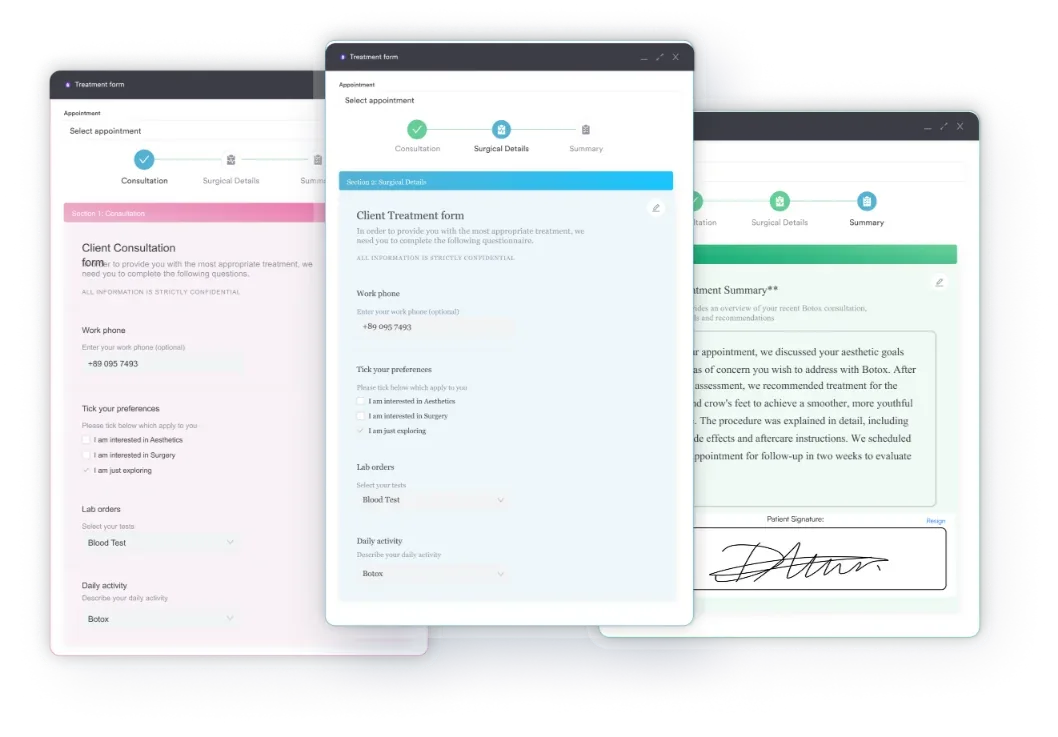
A structured clinical documentation workflow that prompts for each element at the point of care reduces the back-end burden on coding staff. It also prevents denials that never needed to happen.
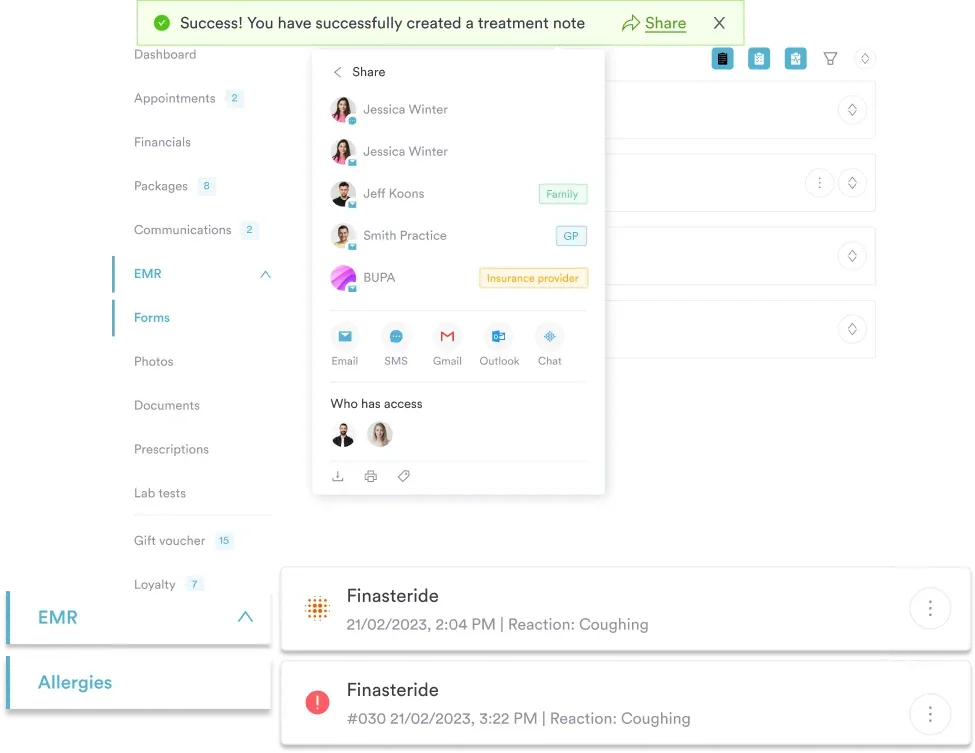
The CMS ICD-10-CM guidelines set the default rules that govern this code and every other trauma code in the S chapter. Those defaults protect coders when documentation is thin, but they only run in one direction.
The AAPC Codify lookup cross-references these guidelines against each code record. That extra context helps when a trauma chart carries several injuries at once.
S62.011A is a diagnosis code. What the provider does about the fracture decides which CPT procedure codes join it on the claim. Practices running orthopedic billing through dedicated claims management software reduce the risk of mismatched diagnosis and procedure pairings. The CPT code must reflect the work performed at that encounter.

Watch the anatomy: 25600 and 25605 describe closed treatment of a distal radius fracture, which is a different bone. They do not belong on a claim carrying S62.011A unless the patient also fractured the distal radius. Verify current CPT descriptions and medical necessity rules before submission.
S62.011A is valid for insurance submission. Facilities billing inpatient encounters should remember that DRG assignment depends on the principal diagnosis, the procedures performed, and any comorbidities.
The WHO ICD-10 browser gives international classification context, while CMS governs US reimbursement rules. Pabau’s EHR integration connects diagnosis codes to invoices and claims in one workflow.
Coding accuracy for this fracture is decided at the point of care, well before the chart reaches the billing queue. When the note leaves out the side or the pole, the coder has to choose between a physician query and an unspecified code. Both cost the practice time and money.
Pabau is an all-in-one practice management system that keeps the clinical record and the claim in the same place. Clinicians capture the injury on structured forms and templates, and the diagnosis code is assigned against that same patient record. Imaging notes, consent, and treatment history sit alongside it.
Because the code travels with the record, it reaches the invoice and the claim without anyone retyping it. Coders spend less time chasing charts for laterality, and fewer claims come back for a detail that was captured at the visit.

Pabau lets your team search, assign, and submit ICD-10 diagnosis codes like S62.011A directly inside the patient record. No copy-paste, no transcription errors, and no context-switching between your EHR and a standalone lookup tool.

Precision is the whole point of this code. S62.011A fits one injury, on one side, at one stage of treatment. It only holds up when the note names the distal pole, the right wrist, and active management. Build those three prompts into your orthopedic template and the code stops being a judgment call.
The trade-off worth remembering is speed against specificity. Reaching for S62.013A closes the chart faster, but it hands the payer a reason to look twice.
Pabau keeps code assignment and claim submission inside one platform, so diagnosis codes are attached at the point of care instead of transcribed later. Book a demo to see how that works in an orthopedic or sports medicine practice.

Coding another initial-encounter fracture? S32.416A shows how the same 7th character works on a pelvic fracture.
Need the sequela form of a trauma code? S33.8XXS walks through documenting late effects once the injury has healed.
Moving a patient to a subsequent encounter? S01.111D covers what changes on the claim once active treatment ends.
Coding a wrist injury that is not a fracture? S63.004S handles carpal dislocation and its late effects.
Billing a strut exchange procedure? Strut exchange billing guide explains why each strut counts as its own billable unit under this code.
S62.011A reports a displaced fracture of the distal pole of the navicular (scaphoid) bone in the right wrist. It applies at an initial encounter for a closed fracture. It is a billable seven-character code, valid for the 2026 ICD-10-CM edition. Emergency physicians, orthopedic surgeons, and coders use it for insurance submission and clinical documentation.
Laterality. S62.011A specifies the right wrist, while S62.013A covers the same displaced distal pole fracture in an unspecified wrist. S62.012A covers the left wrist. Use S62.013A only when the record genuinely does not name a side, because unspecified codes attract payer scrutiny and slow the claim.
The A code is for a closed fracture, meaning the skin over the fracture site is intact. The B code is for an open fracture, where a wound is present at the injury site. Bone, pole, side, and displacement status are identical in both.
It designates an initial encounter for a closed fracture, which means active treatment rather than a literal first visit. A patient in a thumb spica cast four weeks after injury is still on an A code while the provider manages the fracture. The code moves to D once follow-up is only monitoring healing.
Yes. S62.011A is a fully specified seven-character ICD-10-CM code and is valid for insurance submission. It is billable in the 2026 ICD-10-CM edition, effective October 1, 2025. It can serve as the principal or first-listed diagnosis on outpatient and inpatient claims, depending on the clinical picture.
CPT selection follows the procedure performed, not the diagnosis. Common pairings are 25622 and 25624 for closed treatment of a carpal scaphoid fracture, 25628 for open treatment, and 29085 for gauntlet cast application. Evaluation and management codes apply at the initial visit. Check the current CPT edition before submission.