

ICD-10 Code S42.444P: Medial epicondyle fracture, right humerus
ICD-10 Code S42.444P: full descriptor and code validity ICD-10 Code S42.444P car...

Last Updated: Oct 13, 2026
Billable Code Specific Code
S62.360G is the billable ICD-10-CM code for nondisplaced fracture of neck of second metacarpal bone, right hand, subsequent encounter for fracture with delayed healing.
Errors in this family cluster at follow-up rather than at the initial visit. A clinician who codes the first encounter as S62.360A often defaults to S62.360D at every later visit, even when healing has stalled. That mismatch triggers denials and audit requests.
According to the CMS ICD-10 codes reference, every ICD-10-CM code must meet specificity requirements before submission. For this family, specificity includes the hand. A claim that names the wrong side is a coding error, even when the rest of the description matches.
Let Pabau's smart automation suggest the right codes, reduce claim denials, and keep your practice compliant—effortlessly.
Automate repetitive tasks and focus on what matters most—your patients.
Reduce coding errors and ensure compliance with the latest regulations.
Clean claims, fewer denials, and faster reimbursements.
Powerful insights and reporting to help your practice thrive.
HIPAA compliant SOC 2 certified GDPR-compliant Trusted by 4,000+ clinics worldwide

S62.360G is the billable ICD-10-CM code for a nondisplaced neck fracture of the right second metacarpal, subsequent encounter with delayed healing.
Laterality sits in the sixth character. S62.361G is the left-hand equivalent, so the two codes are never interchangeable.
The 7th character G means healing is slower than expected at a follow-up visit. That is clinically distinct from nonunion, which takes K.
S62.350G is a shaft fracture, not the displaced version of this code. The displaced right second metacarpal neck fracture is S62.330G.
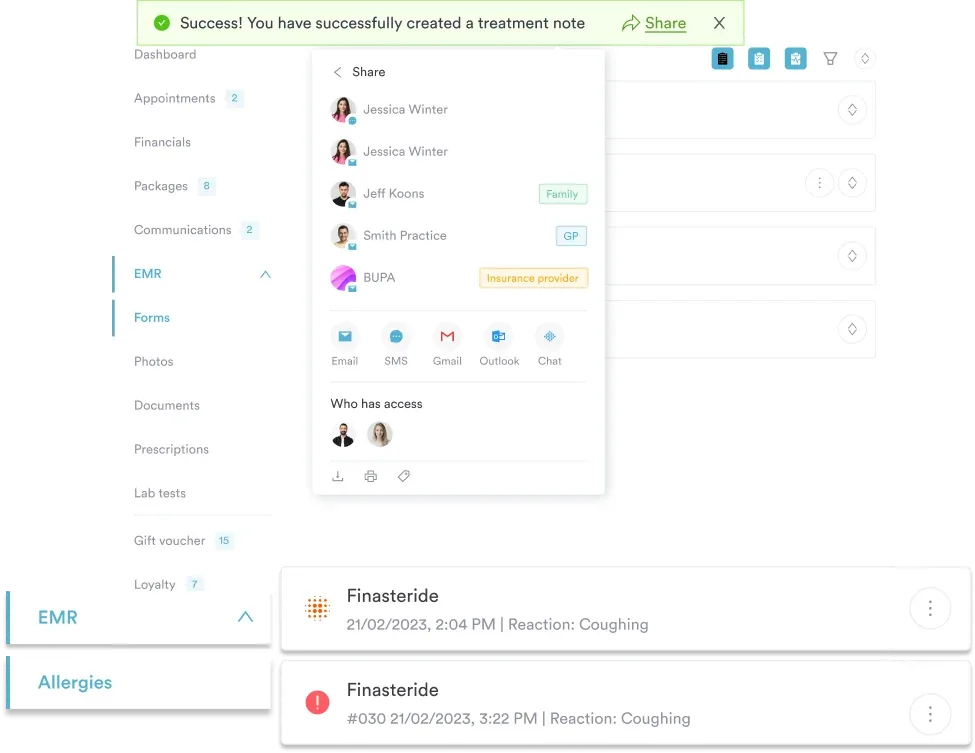
Practice management software like Pabau keeps healing status and laterality in the client record, so claims leave with the right 7th character.
The table below is the quick reference for S62.360G. Confirm every field before billing, and check that your HIPAA compliance software covers claim transmission.
Knowing where S62.360G sits in the hierarchy makes its siblings easier to navigate. The code falls under the injury chapter (S00-T88), inside the wrist and hand block. The Bennett’s fracture code S62.211D sits in the same category and carries laterality the same way.
Read the sixth character as two facts at once. It names the metacarpal and it names the side, which is why S62.360 and S62.361 describe the same injury on different hands.
The 7th character is the most clinically consequential element in fracture coding. Getting it wrong risks a denial, and it also misstates the patient’s status in the medical record. The nonunion code nonunion code S62.606K shows the same mechanism one step further along.
Character G means the patient is at a follow-up visit and the fracture is healing more slowly than expected. Character D covers routine healing, and character K covers established nonunion. The ICD-10-CM Official Guidelines require the physician to document the healing status explicitly before G is supportable.
Hand fracture codes in S62 use only these seven characters. The Gustilo grading extensions attached to long-bone fractures, such as C, E, and F, do not apply here. They appear on forearm codes such as S52.356C instead. A coder moving over from femur or tibia work should expect a shorter list.
When choosing between G and K: G applies when imaging shows some callus formation but healing is behind the expected timeline. K applies when imaging shows no healing progression at a point where union should already have occurred. The physician has to name the healing status, not simply note that the patient is “still sore” or “not fully healed.”
A second metacarpal neck fracture usually follows a direct axial load or a crushing injury to the hand. The second metacarpal is more rigid than the fourth and fifth, so neck fractures here are less common than the classic boxer’s fracture. Nondisplaced cases are managed conservatively, which is why subsequent encounter coding runs across several visits. Out-of-network practices hand reimbursement to the patient, and the superbill format is what makes that possible. Revenue cycle management reporting separates claims that were denied from claims nobody submitted.
ICD-10-CM builds laterality into the sixth character for metacarpal fractures. There is no unspecified-hand option once the note names the second metacarpal. When the record fails to identify the bone, coding falls back to the other or unspecified metacarpal codes instead.
Use S62.369G only when the documentation truly fails to name the metacarpal. Imaging reports almost always identify the bone and the side, so an unspecified code usually signals a record problem rather than a clinical one. Bilateral injuries need a separate code for each hand.
The subsequent encounter is where most errors in this family happen. The decision table below follows the ICD-10-CM Official Guidelines, available through the CDC/NCHS ICD-10-CM web tool. Choosing between D, G, and K takes physician documentation, not coder inference.
S62.360G belongs to a family of nondisplaced metacarpal neck fracture codes. The sixth character carries the bone and the side together, so every metacarpal has a right-hand code and a left-hand code. Use the AAPC Codify ICD-10-CM lookup to confirm a sibling before you submit.
Three more codes sit close enough to S62.360G to be picked by mistake. The table below sets out what each one actually describes.
S62.350G is the substitution worth guarding against. It looks like the displaced version of this code, but it is a shaft fracture. The displaced neck fracture of the same bone and hand is S62.330G, and the two are not interchangeable.
Coders who work across several code families keep one verification habit. It holds for a metacarpal code and for a wrist code such as S62.011A. Read the full description of the code you are about to submit, rather than trusting a digit pattern.
Clinical notes, referral letters, and imaging reports rarely use the ICD-10-CM wording. The descriptions below all map to S62.360 when the note names the right hand, and to S62.360G once delayed healing is documented at follow-up.
Watch for notes that say “metacarpal neck fracture” without naming the bone or the hand. Query the provider rather than defaulting to an unspecified code. A query takes minutes, and an unspecified code can cost the claim.
A claim for S62.360G needs documentation that goes past confirming the fracture exists. Payers auditing subsequent encounter codes look for language that pins down the hand and the healing status. Strong client record management keeps that language consistent from one visit to the next.
Per the ICD-10-CM Official Guidelines Section I.C.19, these elements belong in the clinical note that supports S62.360G:
The same discipline applies across subsequent encounter codes generally, as the documentation rules for S61.441D show. Encounter type, laterality, and status all have to appear in the note itself.
Document the healing status at every subsequent visit, not only when something goes wrong. A note that says nothing beyond “patient returns for cast check” supports only the routine healing character. Practices that use a structured fracture follow-up template capture the status and the hand every time. That removes the most common cause of delayed healing denials.
The right CPT pairing for S62.360G depends on what was done at the subsequent encounter. The AAPC CPT-to-ICD-10 crosswalk helps verify medical necessity for a specific payer.
Rehabilitation is billed separately from the follow-up visit itself. Practices with high hand injury volume run that work in a physical therapy EMR, and hand therapy teams in occupational therapy software.
Append modifier RT to the procedure code when the payer requires laterality on the CPT side. The diagnosis code already carries the right hand, but the procedure code does not.
These pairings are common examples only. Payer policies vary, so confirm medical necessity and any prior authorization requirement before billing.
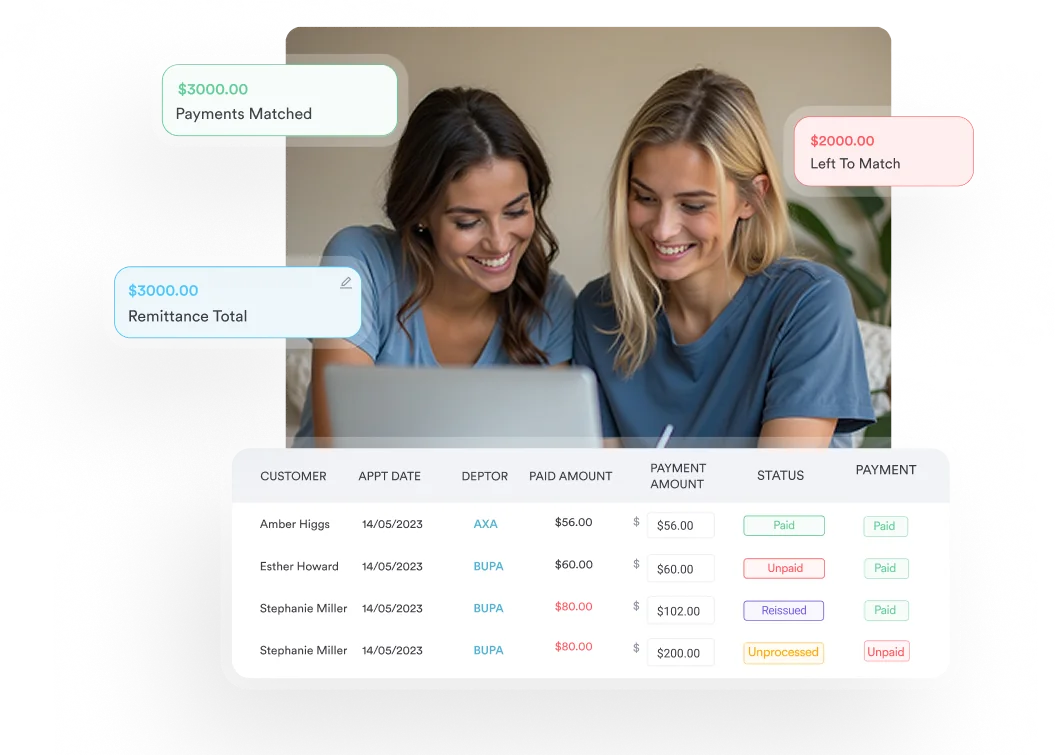
Denials in this family cluster around one predictable problem. The physician writes “delayed healing” in the note, then the claim goes out as S62.360D because nothing carried that status through to billing. Practice management software like Pabau closes that loop with claims management software built into the same record.
Pabau’s structured digital forms let a practice build fracture follow-up templates that ask for healing status and hand at every visit. Those answers land in the client record, so billing staff can see which 7th character applies without reading back through the note.
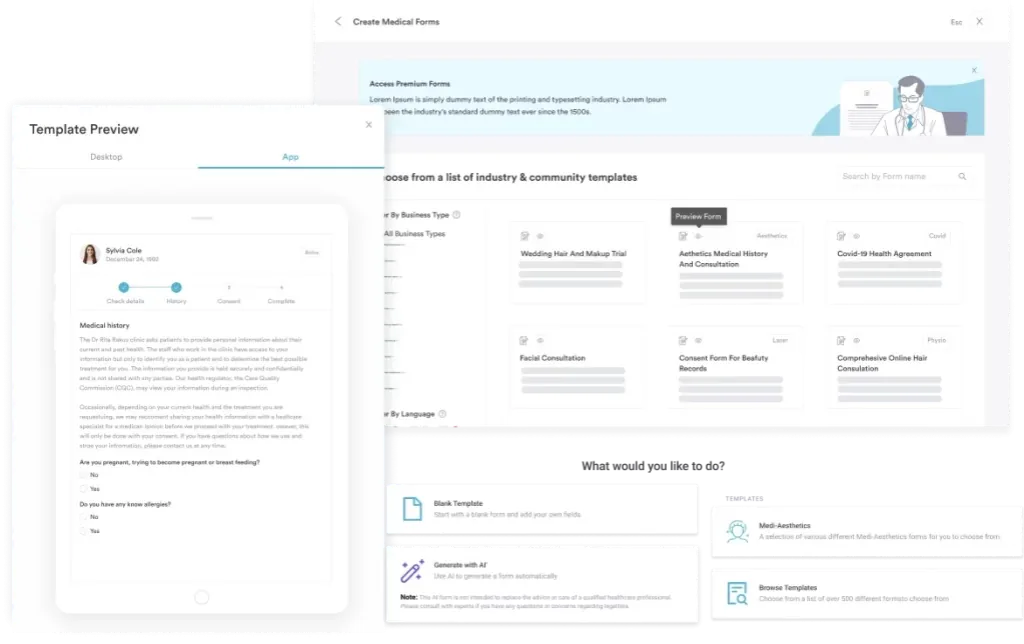

Pabau’s claims management and digital documentation tools help orthopedic and hand surgery practices code subsequent encounters accurately and submit clean claims first time.

The whole code turns on two facts in the note. The physician has to name the right hand, and has to name the delayed healing. A coder can supply neither, and an auditor will look for both.
The fix belongs at the follow-up visit, not at the billing review. A structured fracture template asks for the hand and the healing status while the clinician is still with the patient. By the time the claim is built, the 7th character has already been decided.
Explore our practice management software overview, or Book a demo to walk through the fracture follow-up workflow with us.

Coding a temporomandibular joint condylectomy? TMJ condylectomy billing guide covers the surgical excision of the mandibular condyle and how it forms the joint.
Coding a wrist fracture after it has healed? S62.032S covers the sequela 7th character, one stage on from delayed healing.
Billing an interdental fixation device? Interdental fixation device billing guide covers when this code applies outside fracture care and why removal is already included.
Extended treatment needs payer sign-off? Medical prior authorization form covers the details payers ask for before approving continued care.
Coding another hand injury this week? S61.223A shows how laterality and encounter type drive code choice for finger wounds.
S62.360G is a billable ICD-10-CM diagnosis code. It covers a nondisplaced fracture of the neck of the second metacarpal bone, right hand, at a subsequent encounter with delayed healing. The code is valid under the FY2026 edition, effective October 1, 2025.
Yes. S62.360G is a valid, billable ICD-10-CM code for HIPAA-covered electronic transactions. It can be submitted when the documentation names the right hand and supports a delayed healing encounter.
S62.361G. The sixth character carries both the bone and the side, so the second metacarpal has a right-hand code and a left-hand code. Submitting S62.360G for a left-hand injury is a laterality error that payers routinely deny.
The 7th character G indicates a subsequent encounter for a fracture that is healing more slowly than clinically expected. It is distinct from D, which covers routine healing, and K, which covers nonunion. G needs explicit physician documentation of delayed healing.
All three describe the same injury, a nondisplaced right second metacarpal neck fracture. S62.360A is the initial encounter for active treatment. S62.360D is a subsequent encounter with healing on track. S62.360G is a subsequent encounter where the physician documents delayed healing.
No. S62.350G is a nondisplaced fracture of the shaft of the second metacarpal bone, right hand, so it describes a different part of the bone. The displaced neck fracture of the same bone and hand is S62.330G.
Delayed healing means the fracture is healing more slowly than the expected clinical timeline. The physician must state ‘delayed healing’ or ‘delayed union’ in the record, since a coder cannot select G from clinical inference. Imaging findings that support the status should be referenced in the note.
Common pairings include 99213 or 99214 for evaluation and management at follow-up. Others are 29125 for a static short arm splint, 29085 for hand and forearm casting, and 73130 for hand X-ray imaging. Payer rules on medical necessity vary, so verify before billing.




