Fertility clinic marketing: Strategies that attract & convert patients
Fertility clinic marketing is how a fertility practice attracts, educates, and c...

Last Updated: Oct 14, 2026

A social media marketing plan template organizes your practice’s audience, platforms, content themes, posting schedule, KPIs, and compliance checks in one document.
The template covers goal setting, patient personas, channel choice, and the posting frequency each platform rewards.
Healthcare marketing carries rules generic templates ignore: ASA and FTC advertising standards, GDPR and HIPAA limits on patient data, and documented consent.
Practice management software like Pabau ties social activity to bookings, so you can see which channel actually fills the schedule.
A ready-to-use structure covering your patient audience, channel mix, content pillars, posting calendar, KPIs, and budget split. It closes with a compliance checklist for UK and US practices, so consent and disclosure are recorded as you publish.
Download templateSporadic posting is the default state of practice social media. Without a plan the messaging drifts, and nobody can say which posts brought in appointments. A social media marketing plan template fixes that, giving your practice a structured framework it can measure.
This guide walks through each section of the template and explains what belongs in it. The plan works best alongside the rest of your healthcare marketing software, so posting activity and booking data can be read side by side.
A social media marketing plan template is a pre-built document covering how your practice uses social channels. It sets out how you reach patients, build trust, and turn attention into bookings. It differs from a social media strategy in both scope and timeline.
A strategy defines long-term positioning, such as becoming the trusted aesthetic practice in your region. A plan turns that positioning into tactics for a set period, usually a quarter or a year.
The template compresses all three into one document you can reference, update, and audit. Direction, tactics, and tracking sit on the same pages.
A complete template runs to seven sections. Each one feeds the next, working down from direction to what gets published on a Tuesday morning.
Start with outcome goals tied to revenue or growth. “Get more followers” and “post consistently” describe activity, not outcomes, so they cannot tell you whether the plan worked.
Stronger versions name a number and a deadline. Generate 20 new patient appointments from social this quarter. Lift package uptake by 15% among patients who first found you on Instagram.
Make each goal specific, measurable, achievable, relevant, and time-bound. A practice running email and SMS campaigns can then tie social engagement to appointments by tracking click-throughs and booking source.
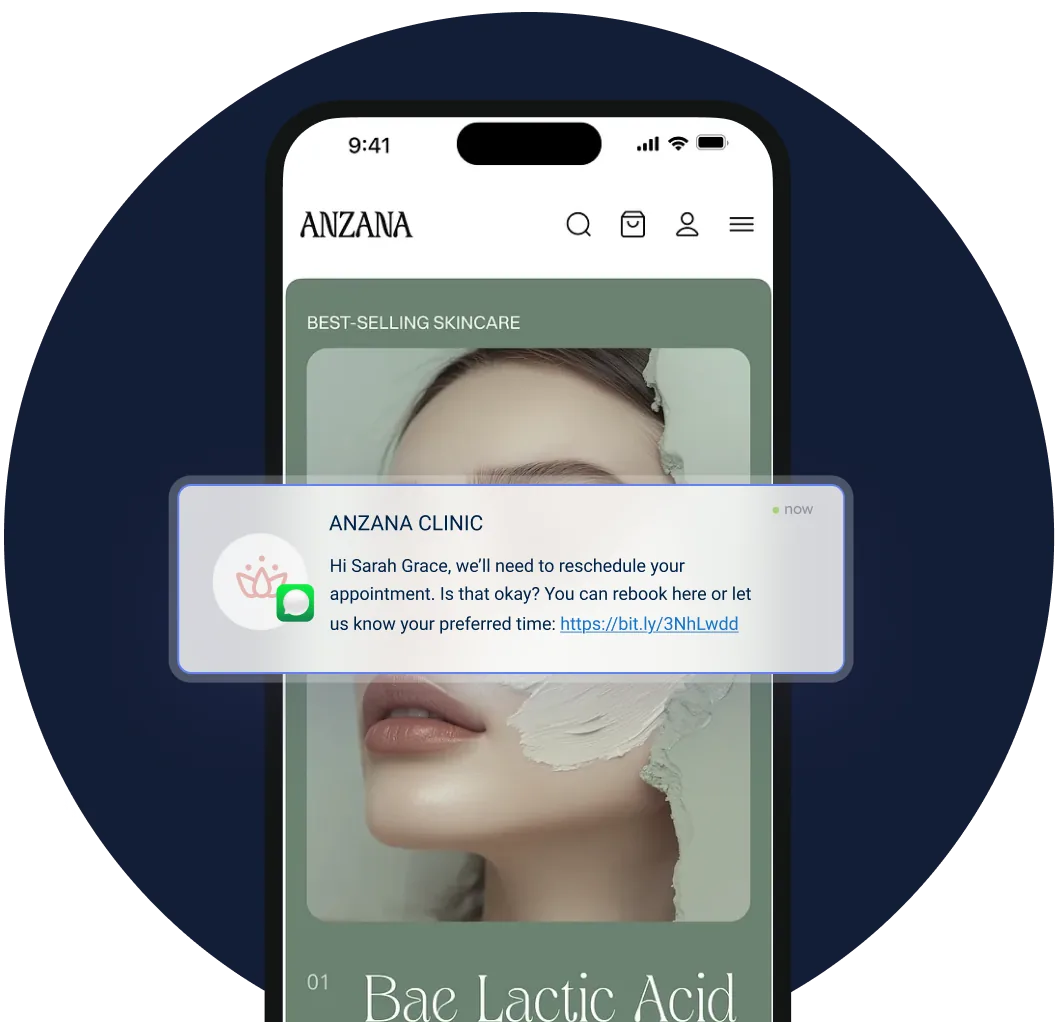
Describe your ideal patient by demographics, by the problem that brings them in, and by the platforms they already use. An aesthetic practice targeting women aged 25 to 45 for Botox will lead on Instagram and TikTok. A GP practice serving families will do better on Facebook.
Document consent and testimonial rules alongside the personas. Note which platforms allow before-and-after imagery, whether patient names can be tagged, and what age-gating applies to each treatment you promote.
Not every practice needs every platform. Pick two to four channels where your ideal patient already spends time, using audience research and a look at what comparable practices are doing.
Record which channel drove each new patient at intake. Pabau’s lead management stores that source on the enquiry, so you can compare cost per booking across platforms rather than guessing.
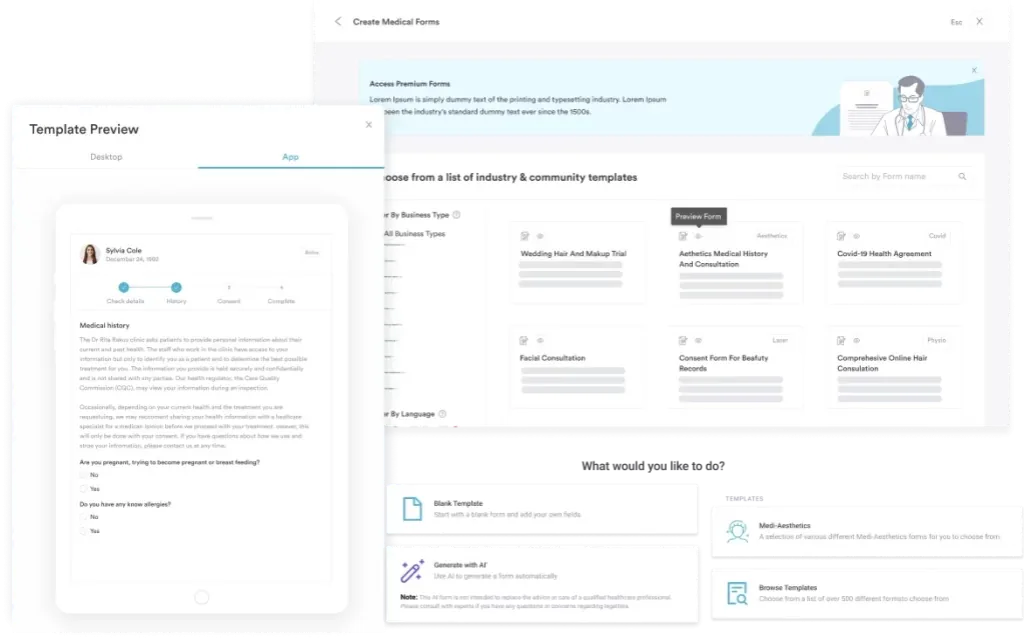
Group your content into three to five repeating themes so posts feel cohesive and stay easy to plan. Example pillars for an aesthetic practice:
Each pillar serves a different stage of the patient journey. Education builds awareness, patient stories build trust, and promotions convert. Rotate through them so no single theme dominates the feed.
The same pillar structure carries over to your blog and email. That is where healthcare content marketing and social reinforce each other, since one long-form piece can supply a month of posts.
Consistency beats volume. A practice posting three times a week without fail will outperform one that posts ten times, then goes quiet for two weeks.
Schedule content four to eight weeks ahead. Build in seasonal peaks, staffing realities, and the times each platform performs best. Instagram favors afternoon and evening posts, while Facebook tends to do better mid-morning.
When an open day or workshop anchors the month, build the schedule back from the date. Our template for promoting a practice event launches promotion eight weeks out and adds a reminder push in the final two weeks. Consultation offers follow within seven days.
Decide which metrics matter before you start posting. Likes and follower counts are pleasant to watch, but they do not pay for the ad spend.
The business metrics are appointment requests from social, cost per booking, patient lifetime value by source, and treatment uptake among followers who saw educational posts.
Ask at booking which platform the patient came from, then compare that against retention and spend. If TikTok brings low-value bookings and Instagram brings long-term patients, move the budget.
Split the budget across four buckets: content creation, paid promotion, tools, and community management. Photography, copywriting, and designer time sit in the first. Staff hours spent replying to comments sit in the last.
A practice with no budget can still post organically three times a week. Use Instagram Insights to see which posts earned saves and shares, then repeat that format. Add paid promotion once the organic messaging has proved itself.
Social is one line in the wider marketing budget. Local search, reviews, and email recalls compete for the same money, so weigh them side by side before committing. Our guide to marketing a wellness practice sets out what each of those channels does.
This is where generic templates fail. Healthcare practices work under advertising and patient privacy rules that a general marketing plan never mentions.
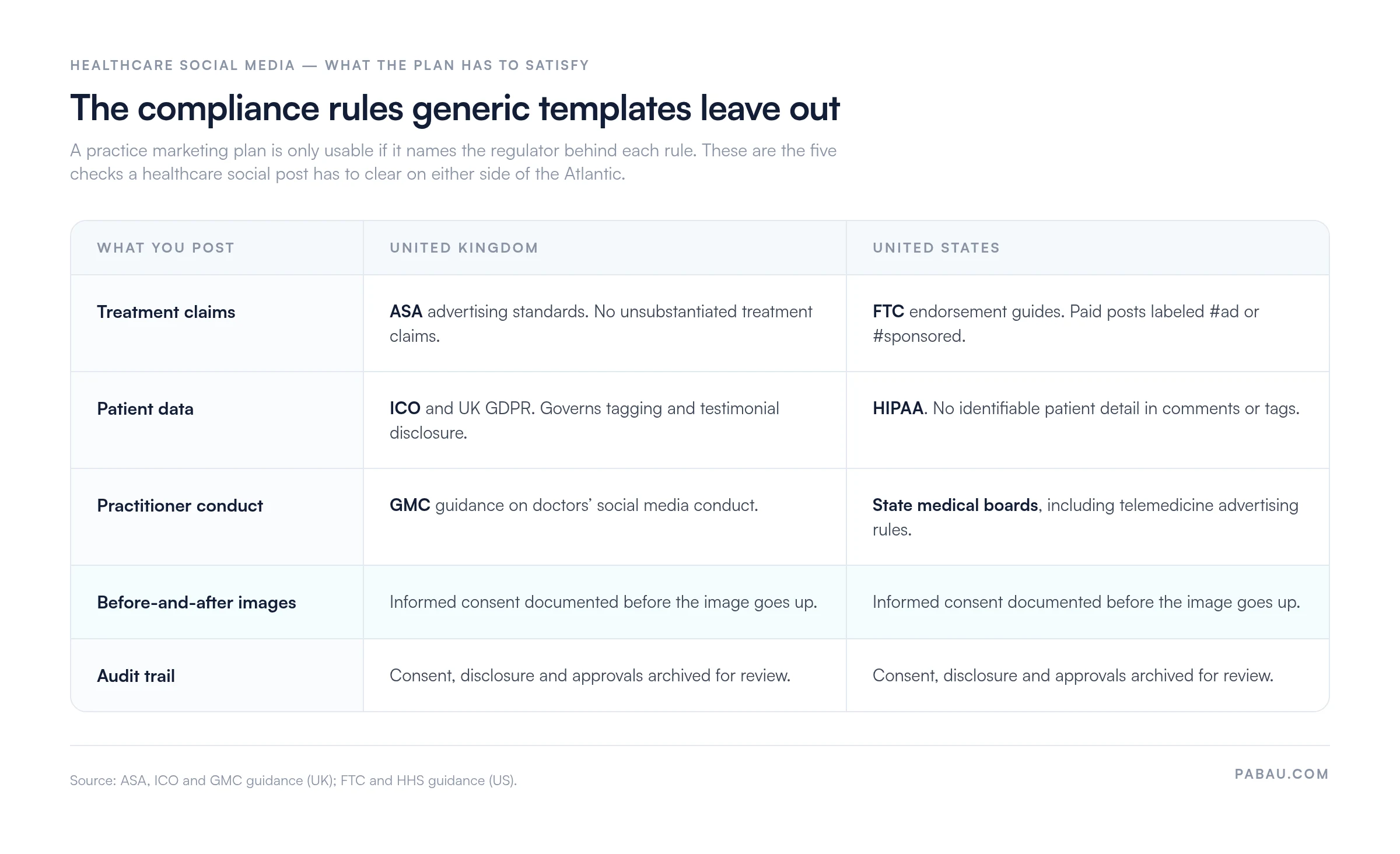
UK practices answer to three sets of rules. ASA healthcare advertising standards bar unsubstantiated treatment claims and require informed consent for before-and-after images.
ICO rules under UK GDPR govern patient data in tagging and testimonial disclosure. The GMC publishes separate guidance on doctors’ social media conduct. Before any patient image or testimonial goes up, document the consent and age-verify followers where the treatment is age-restricted.
US practices face a different set. FTC endorsement rules require paid partnerships and testimonials to be labeled #ad or #sponsored. HIPAA means no identifiable patient information appears in social comments, tags, or replies.
State medical board rules add their own limits on telemedicine advertising. Keep a compliance checklist in your template recording consent, disclosure, and archival for audit. Set side by side, the two regimes ask for much the same evidence under different names.
Download the PDF above and work through it over one to two weeks. You will need input from whoever owns marketing, from the clinical team, and from the front desk staff who speak to patients daily.
The template is a living document. Update the goals as results come in, drop the content that underperforms, and reinvest in the channels that bring patients back.
If social is one channel among several, start from the broader healthcare marketing plan. Use this template for the social section that sits inside it.
Most practices measure social media in the platform’s own dashboard and measure appointments in the practice system. The two data sets never meet, so “Instagram is working” stays an opinion rather than a number.
Practice management software like Pabau closes that loop. When a prospect books after seeing a post, the enquiry carries its source through to the appointment, the treatment, and the invoice.
From there you can read conversion rate by channel, cost per booking, and lifetime value by source. Automated reminders cut no-shows on those appointments, and post-treatment follow-ups bring the same patients back without further ad spend.
Your plan stops being a document filed away after the quarterly meeting and becomes a measurable part of how the practice grows.

See how Pabau carries a social enquiry through to the appointment, so you can measure cost per booking and lifetime value by channel.

Pick two channels you can post to every week, and one number that tells you whether it worked. The rest of the plan exists to support those two decisions.
Practices that see a return from social are rarely the ones posting most. They are the ones who wrote down what success looks like, then checked against it every month. The compliance checklist is what keeps that record defensible if a regulator ever asks.
Book a demo to see how Pabau links a social enquiry to the appointment it becomes, so your posting schedule gets judged on bookings.

Need the wider plan social sits inside? Marketing plan for private practice works through positioning, budget, and channel mix step by step.
Want more patients from the same spend? Patient acquisition strategies ranks six approaches and names the mistakes that quietly waste a marketing budget.
Turning followers into enquiries? Healthcare lead generation covers the capture and follow-up steps that sit between a social post and a booking.
Schedule still has open slots? How to get more patients sets out nine tactics that fill a calendar, social among them.
Ready to make patients your best channel? Patient referral program shows how to build and automate referrals alongside your social activity.
A social media marketing plan template is a pre-built document for your practice’s social activity. It sets out audience, channel mix, content themes, posting schedule, KPIs, budget, and compliance rules. It covers a defined period, usually a quarter or a year.
Consistency matters more than volume. Instagram rewards four to seven posts a week. Facebook and TikTok sit at three to five, and LinkedIn at two to three. Choose the frequency your team can sustain.
Focus on the metrics tied to revenue: appointments booked from social, cost per booking, patient lifetime value by source, and treatment uptake among followers. Track likes and follower counts second, as a read on which content resonates.
Yes. A free template gives you the structure for planning and tracking. What decides the outcome is consistent execution and a willingness to adjust on the monthly numbers. Plenty of small practices grow on organic social alone.
Document patient consent for testimonials and before-and-after images. Label paid partnerships as #ad or #sponsored. Check local advertising standards, the ASA in the UK and the FTC in the US, plus GDPR and HIPAA on patient data. Customize the template’s checklist for your jurisdiction.