Bear hug test: Procedure, interpretation and free template
The bear hug test is a quick shoulder special test that screens for subscapulari...

2
Last Updated: Oct 23, 2026

A quadriceps strain is a muscle injury to the four-headed thigh group, and it most often hits the rectus femoris.
The rectus femoris crosses both the hip and the knee, which is why eccentric sprinting and kicking loads tear it first.
The prone knee flexion test, known as Ely’s test, plus resisted knee extension confirm rectus femoris involvement.
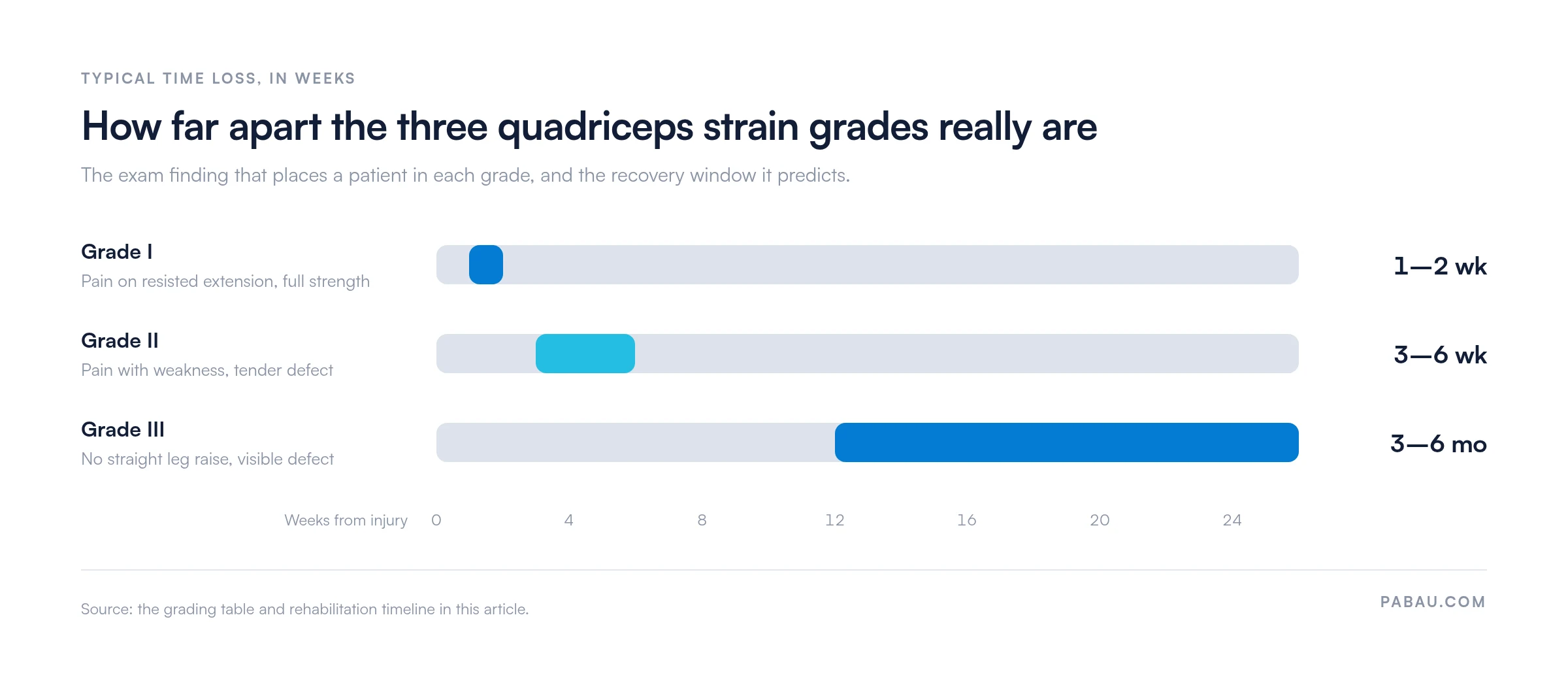
Grade I resolves in 1-2 weeks and Grade II in 3-6 weeks, while Grade III needs imaging and often surgical referral.
Practice management software like Pabau stores the assessment, the grade, and the phased rehabilitation plan in one patient record.
The form walks through the five-phase examination, then hands you a Grade I to III classification chart to score what you found. It also carries the phased rehabilitation plan and the return-to-sport criteria you sign off against.
Download templateAn accurate quadriceps strain test tells you three things: which of the four heads is injured, how badly, and how long the athlete is out. This guide walks the examination in order, from the history through to Ely’s test.
It then maps each finding onto a grade, and each grade onto a return-to-sport window. Use the template above to record the assessment and the phased plan that follows from it.
A quadriceps strain test is a clinical examination that establishes whether the quadriceps is injured, which head is involved, and how severe it is. It combines history, observation, palpation, range of motion testing, resisted contraction, and the prone knee flexion test.
The quadriceps femoris has four heads: the rectus femoris, vastus lateralis, vastus medialis, and vastus intermedius. The rectus femoris tears most often because it crosses two joints. It runs over both the hip and the knee, so eccentric loading during sprinting, kicking, or jumping stretches it at both ends.
Do not confuse this examination with the quadriceps active test, which loads the same muscle to check the posterior cruciate ligament. Diagnosis of a strain rests on physical examination. MRI or ultrasound is reserved for suspected Grade III rupture and for surgical planning.
Structured documentation of the procedure, the findings, and the grade also supports clinical governance. It satisfies HCPC standards in the UK and APTA practice standards in the US, and it protects you in liability and insurance disputes.
The examination runs in five phases, in this order. Each one narrows the diagnosis before the next adds load.
Record every finding in the template as you go. The pattern across the five phases gives you the grade and the next step.
Quadriceps strains sit in three tiers, sorted on examination findings and functional capacity rather than on imaging.
Clinical note: confirm a Grade III injury with imaging before you start rehabilitation. If the patient cannot perform a straight leg raise, has severe weakness, or has a large palpable defect, refer for imaging without delay.
Physical therapists, sports medicine physicians, athletic trainers, osteopaths, chiropractors, and occupational therapists all use this examination. It fits elite and recreational teams, outpatient sports medicine practices, primary care, and rehabilitation centers.
Any practitioner seeing anterior thigh pain or post-exercise complaints benefits from working to a fixed sequence. In a multi-practitioner physical therapy practice, the template also keeps documentation consistent and leaves a clean audit trail behind it.
A structured assessment form makes sure no examination component gets skipped. It also produces notes that read the same whoever wrote them, so a colleague picking up the case knows exactly what was found.
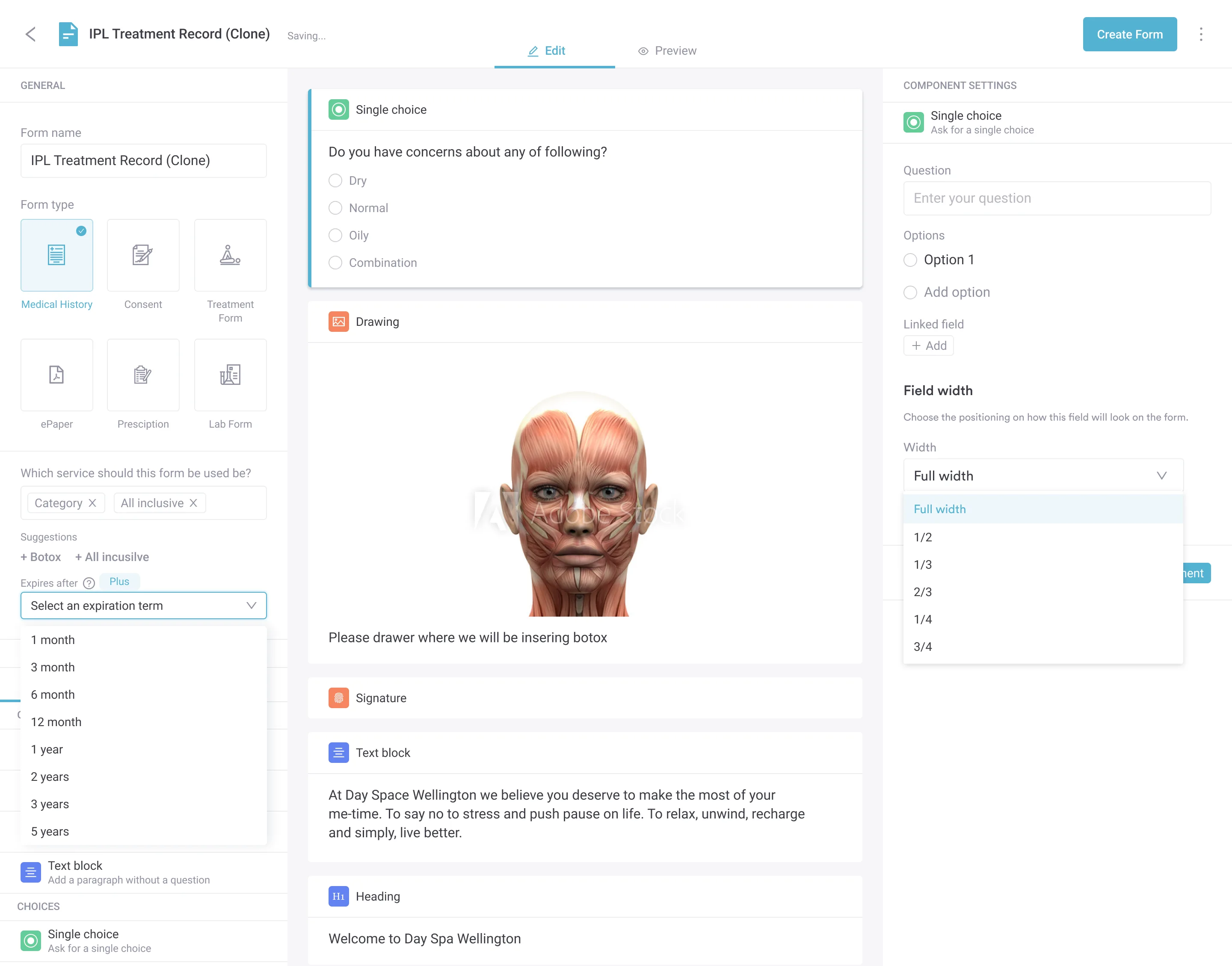
Templates also make outcome tracking straightforward. Score the initial grade, then compare it against ROM and strength at each reassessment, alongside a numeric pain rating scale.
Standardized records also hold up under scrutiny. State licensing boards in the US and the CQC in the UK both value consistent documentation, and it strengthens your professional liability position.
If a patient reports sudden severe pain and cannot perform a straight leg raise, suspect a Grade III injury. Order imaging before you progress to manual testing or rehabilitation. Do not attempt aggressive resisted testing in the acute phase when a full rupture is suspected. Stabilize the limb and refer.
Anterior thigh pain has several possible sources. These clues separate a quadriceps strain from the conditions that mimic it.
Where findings stay ambiguous, or the patient has not improved after 1-2 weeks, refer for MRI or ultrasound. If the knee itself took the blow, the Pittsburgh knee rules help decide whether an X-ray comes first.
Recovery runs in three phases, tied to tissue healing and function rather than to the calendar. The distance between the grades is wider than the phase numbers suggest.
The template lists exercises for each phase. Progress the patient on pain and range of motion, not on the date.
For running athletes, a return-to-running protocol sets the progression criteria for that final step. Reassess ROM and strength weekly, and adjust the plan if pain rises or range of motion plateaus.
File the clearance decision with the athlete’s preparticipation physical evaluation, so the season’s records sit together in one place.
Avoid deep soft tissue massage to the anterior thigh in the first three to seven days, especially where bruising or swelling shows. Early aggressive massage can turn a simple hematoma into myositis ossificans, which is bone forming inside the muscle. Gentle range of motion work and ice are the safer choice in the acute phase.
A quadriceps assessment written as free text buries the grade inside a paragraph. Six weeks later nobody can say what the initial ROM was, so the decision to progress becomes guesswork.
Pabau’s clinical records hold the assessment as structured fields instead. Build a note template for the quadriceps strain test once, store the grade against the visit, and chart ROM and strength over time. Digital forms fill in on a tablet during the appointment, timestamp themselves, and stay in the patient record.
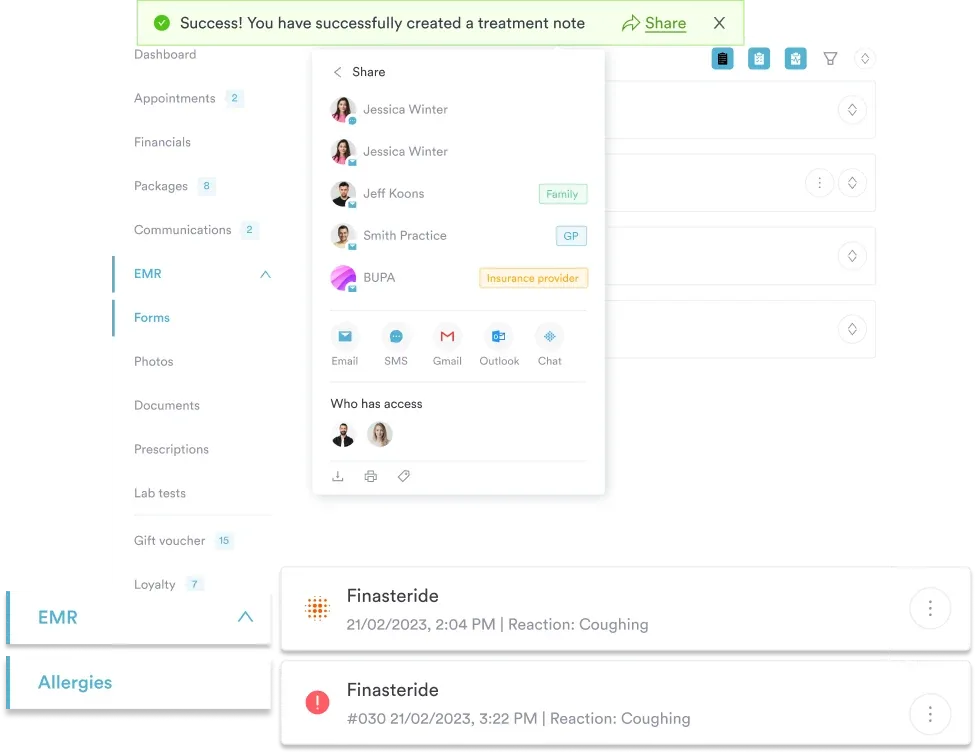
That matters most when several people touch the same case. The physical therapist’s initial assessment, the athletic trainer’s progress notes, and the physician’s clearance all land on one searchable timeline.
Automated reminders keep the weekly reassessment from slipping. The rehabilitation plan then moves on schedule, and clearance stays tied to the criteria you set at the start.
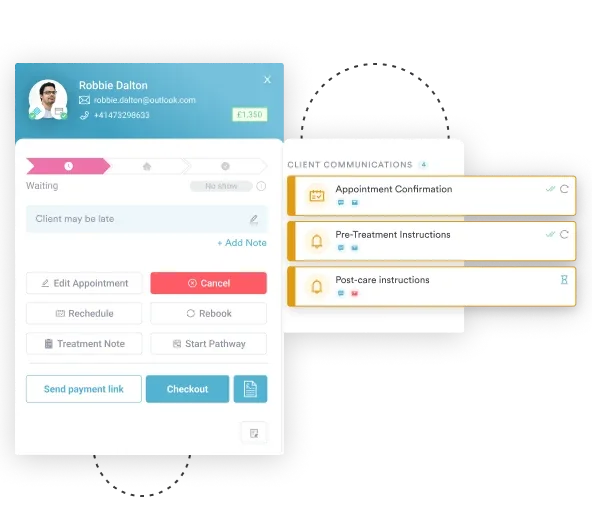

Pabau’s digital forms and note templates capture the quadriceps strain test, the grade, and each reassessment in one place. Your team works from the same record, and the audit trail writes itself.

The examination itself is straightforward. Holding the timeline is the difficult part, especially when an athlete wants to play on Saturday and resisted extension still hurts.
Grade the injury, write down what you found, and let the weekly reassessment decide when the athlete moves on. A record showing full strength and full ROM is what defends the clearance decision if the injury recurs.
Download the template above to keep that record consistent across your team. Book a demo to see how Pabau stores the assessment, the grade, and the phased plan in one patient record.

Need a documentation framework? Safer clinical notes sets out how to record examination findings and injury severity with clinical governance in mind.
Working with a runner? Return-to-running protocol covers the phase criteria and functional tests for the last step back to sport.
Assessing another lower limb tendon? Plantar fascia rupture test walks the examination and the findings that separate a rupture from fasciitis.
Screening ankle mobility too? Knee to wall test gives you a measurable dorsiflexion baseline to build the rehabilitation plan around.
Checking hamstring length? 90-90 hamstring test measures the other half of the thigh you will screen during rehabilitation.
A pulled quad causes sudden anterior thigh pain during or straight after sprinting, kicking, or jumping. The pain is sharp and sits in the muscle belly, usually mid-thigh. Swelling and bruising may appear over the following hours. Grade I strains still allow walking with mild discomfort. Grade II brings noticeable weakness and trouble with stairs or running.
The test runs in five steps. Take a history of onset and mechanism, then inspect and palpate the anterior thigh. Test active and passive range of motion next. Resist knee extension while the patient pushes against you. Finish with the prone knee flexion test, flexing the knee while the patient lies face down. Pain, weakness, or lost range of motion indicates a strain, and the pattern gives you the grade.
A pulled quad is a Grade I or II strain, with partial fiber disruption and preserved function. The patient keeps some strength and range of motion. A torn quad is a Grade III complete rupture. Those patients cannot perform a straight leg raise, are severely weak, and have a visible or palpable defect. Grade III needs MRI confirmation and often surgical repair. Grade II takes 3-6 weeks to recover, and Grade III takes 3-6 months.
Avoid deep massage to the anterior thigh for the first three to seven days, especially where bruising or swelling shows. Early aggressive massage can turn the hematoma into myositis ossificans, which is abnormal bone forming inside the muscle. Gentle range of motion work, ice, compression, and rest are safer in the acute phase. After 1-2 weeks, once swelling settles, gentle soft tissue work can help range of motion under supervision.
Grade I takes 1-2 weeks. Grade II takes 3-6 weeks. Grade III takes 3-6 months and often involves surgical repair. Age, healing capacity, adherence to rehabilitation, and whether the strain is proximal or distal all shift those windows. Clear the athlete on ROM and strength testing rather than on elapsed time.
Full range of motion and strength with minimal pain means Grade I. Limited range of motion with weakness on resisted testing means Grade II. Severe pain, no straight leg raise, and a visible defect mean Grade III. MRI may be needed to confirm Grade III. Score your findings against the classification table in the template above.