List of vitamins: All 13 with RDAs and deficiency signs
A list of vitamins names the 13 essential vitamins the body needs from food or s...

9
Last Updated: Oct 8, 2026

A pescatarian diet is a plant-based eating pattern that includes fish and seafood but excludes red meat and poultry.
Salmon, shrimp, legumes, eggs, and dairy cover most of the protein and omega-3 needs on this diet.
The FDA lists king mackerel, marlin, shark, swordfish, and tilefish as the fish to avoid.
Pregnant and breastfeeding patients can eat 8 to 12 ounces of lower-mercury fish each week.
Practice management software like Pabau keeps the food list, intake answers, and follow-up notes in one client record.
A ready-to-use handout covering approved foods by group, a printable grocery checklist, and a sample 7-day meal plan. Print it at reception or send it from the client record after a consultation.
Download templateA pescatarian diet includes fish, seafood, eggs, dairy, and plant foods. It leaves out red meat, poultry, and processed meats.
This guide sets out what patients can eat, which fish to limit, and how many servings are safe during pregnancy. It ends with a printable grocery list and a 7-day meal plan you can hand over at the end of a consultation.
A pescatarian diet is a primarily plant-based eating pattern that includes fish and seafood. It excludes red meat, poultry, and processed meats. Most pescatarians also eat eggs, dairy, vegetables, fruits, whole grains, legumes, nuts, and seeds.
The word joins “pesce”, Italian for fish, with “vegetarian”. Vegans avoid every animal product, and vegetarians avoid all flesh foods. Pescatarians sit between the two, alongside patients following a flexitarian diet who still eat meat occasionally.
That middle ground is why the diet appeals to so many patients. They get the omega-3s and the environmental argument without giving up every animal protein at once.
The list below groups approved foods by category, which makes meal planning and grocery shopping quicker. It is the same structure used in the downloadable template above.
A pescatarian diet cuts out red meat, poultry, and processed meats. Everything else on a vegetarian plate stays. Patient adherence improves when those boundaries are written down rather than explained once at the desk.
This checklist is organized by supermarket section, so a patient can shop it top to bottom without doubling back.
This sample week shows how the food groups fit together across breakfast, lunch, and dinner. Adapt the portions to the patient’s energy needs, or build something fuller from a nutritionist meal plan.
The measurable wins are mostly cardiovascular and metabolic. Omega-3 fatty acids from fish reduce inflammation and improve triglyceride levels, which is why the pattern overlaps so heavily with a heart-healthy diet plan.
Regular pescatarian eating is also linked to lower type 2 diabetes incidence, and the swaps sit close to a diabetes food list. Fiber from legumes and whole grains slows glucose absorption, which steadies energy across the day.
The protein and fiber combination also promotes satiety, so patients tend to eat less without counting calories. That is why weight loss practices often suggest it to patients who have bounced off stricter plans.
Two things are worth counseling patients on before they start. The first is mercury exposure, and the second is vitamin B12.
Mercury builds up in larger predatory species, so which fish a patient buys matters more than how much they eat. The FDA and EPA sort fish into best choices, good choices, and choices to avoid. The FDA advice on fish is the source for the table below.
Patients rarely translate those categories into portions on their own, so give them the numbers. For an adult, a serving is 4 ounces, and two to three of those a week comes from the best choices column.
Pregnant and breastfeeding patients should eat 8 to 12 ounces of lower-mercury fish a week. Children eat smaller portions, from 1 ounce at age one to 4 ounces from age 11.
Vitamin B12: fish, eggs, and dairy all supply it, so most pescatarians meet their needs without thinking about it. Patients who skip eggs and dairy need a supplement or fortified foods, because B12 deficiency develops slowly and is easy to miss.
Patients who change everything on a Monday usually give up by Thursday. Start by swapping one meat meal a week for fish, then add a second the following week. Taste preferences and shopping habits get a chance to catch up.
Set the target at the first appointment rather than the second. A goal setting worksheet turns “eat more fish” into two named meals a week, and a food diary shows you what actually happened.
Stock the pantry with staples that survive a busy week. Canned tuna and salmon, dried lentils and chickpeas, frozen vegetables, whole grains, and nuts cover most of the meal plan above.
Capture the starting point before any of that. A nutrition assessment form records current intake, allergies, and weight, and digital intake forms let the patient fill it in before they arrive.
Cooking method matters as much as the shopping list. Grilling, baking, and poaching keep more of the omega-3 content than frying does.
Between appointments, a patient portal keeps the meal plan somewhere the patient can find it. Functional medicine practices tend to run diet changes this way, as a tracked plan rather than a one-off conversation.
Sustainability is the reason many patients went pescatarian in the first place. The Marine Stewardship Council blue label certifies that a fish came from a responsibly managed fishery. Wild-caught and farmed fish both carry trade-offs, and the certification assesses each against the same environmental standards.
Seasonal and local choices cut the footprint further, though the best options vary by region. Regional seafood guides are the practical answer, and a food safety handout covers the storage and cooking side once the fish is home.
A printed diet sheet is easy to lose and impossible to track. Six weeks later, nobody can say which version the patient was given, or whether they opened it at all.
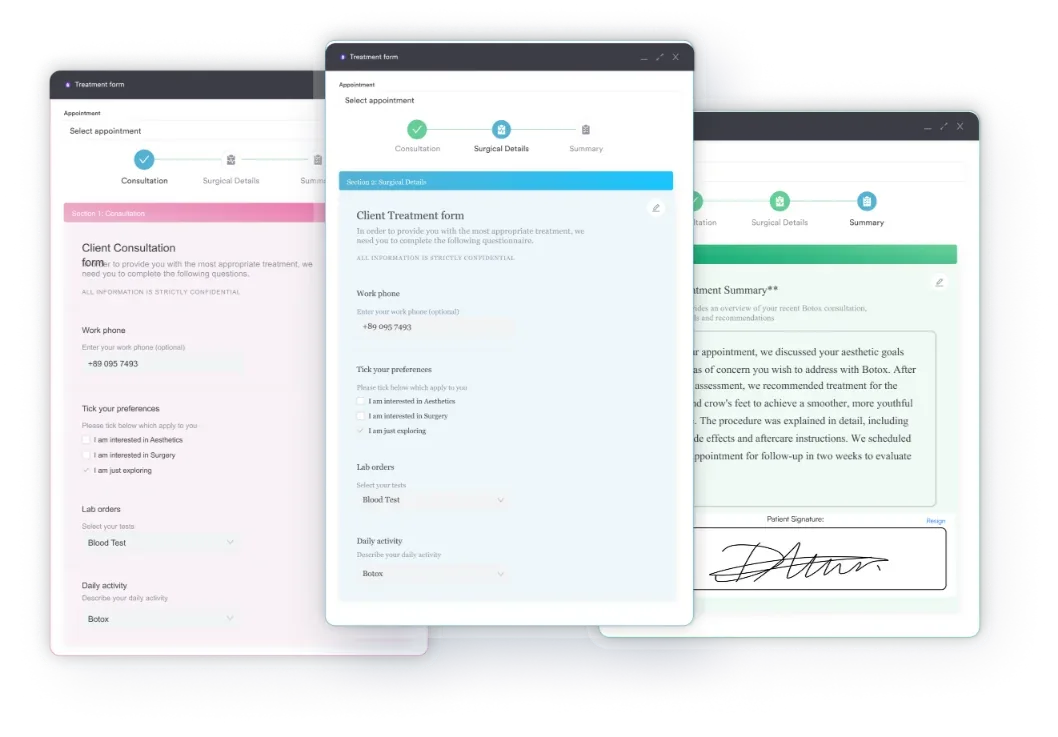
Practice management software like Pabau sends the food list straight from the patient’s file. The document is stored in the client record, so the next clinician sees exactly what was issued and when.
The same record holds the review. Add a motivation assessment scale at the first follow-up and log the answers there. Adherence becomes something you read off a chart instead of recalling from memory.

Pabau stores the food list, the patient’s intake answers, and every follow-up note in one client record. Your team stops hunting through email attachments before an appointment.

The food list is the easy part. Whether a patient sticks with pescatarian eating comes down to two things. They need the serving math on mercury, and a plan for the next month.
So give them the printable list, agree on two named fish meals a week, and set a review date before they walk out. A patient with a specific number to hit comes back with something you can measure.
The counseling is quick once the paperwork stops getting in the way. Book a demo to see how Pabau sends diet plans from the client record and tracks what each patient does next.

Counseling a patient on cholesterol as well? Low cholesterol diet food list sets out the swaps that bring LDL down without cutting whole food groups.
Want one page to work from mid-appointment? Nutrition cheat sheet puts macronutrient targets and portion sizes in front of you during the consultation.
Managing a patient with chronic inflammation? anti-inflammatory meal plan template lists foods to prioritize and avoid with a sample 7-day meal plan.
Need a plan that suits the whole household? Healthy meal plan covers a balanced week without tying the family to one eating pattern.
Is stress driving a patient’s food choices? emotional eating worksheet tracks emotional triggers and mood-food patterns using CBT-based coping strategies.
A pescatarian diet is a plant-based eating pattern that includes fish and seafood but excludes red meat, poultry, and processed meats. Pescatarians eat vegetables, fruits, whole grains, legumes, nuts, seeds, eggs, and dairy products alongside fish and shellfish.
Yes, the pescatarian diet may support weight loss. Fish provides lean protein and omega-3s that increase satiety, while plant-based foods add fiber and reduce caloric density. Success depends on portion control and overall energy balance.
The primary difference is that pescatarians eat fish and seafood, while vegetarians do not. Both exclude red meat and poultry. Vegans exclude all animal products, including fish, eggs, and dairy.
Yes. Most pescatarians include eggs and dairy products. Some pescatarians avoid these foods, and that choice is individual. The defining feature of pescatarian eating is the inclusion of fish and seafood combined with a plant-based foundation.
The FDA advises 8 to 12 ounces of lower-mercury fish per week during pregnancy and breastfeeding. That means salmon, shrimp, pollock, light tuna, cod, and sardines. King mackerel, marlin, shark, swordfish, and tilefish are avoided entirely.
Many pescatarians prioritize sustainability to minimize environmental impact. Look for the Marine Stewardship Council (MSC) blue label on packaging, which certifies responsibly managed fisheries. Consulting regional seafood guides also helps support sustainable sources.
Yes. Research supports pescatarian diets for long-term cardiovascular health, weight management, and reduced chronic disease risk. Monitor B12 intake if the patient avoids dairy and eggs, and keep to low-mercury fish species.