An anti-inflammatory diet plan reduces chronic inflammation by prioritizing whole foods rich in omega-3s, antioxidants, and fiber while eliminating processed foods and saturated fats.
The Mediterranean diet pattern is the most evidence-based anti-inflammatory approach, emphasizing fatty fish, olive oil, fruits, vegetables, and whole grains.
This template gives practitioners a ready anti-inflammatory meal plan: clear food lists, a sample 7-day meal plan, and shopping guidance to structure patient dietary interventions and support adherence.
Digital forms and a patient portal help practices distribute and track the meal plan, supporting long-term patient adherence and health outcomes.
Download your free anti-inflammatory meal plan template
A comprehensive nutritional guide covering anti-inflammatory food selections, a sample 7-day meal plan with macro targets, foods to prioritize and avoid, and clinical implementation notes for healthcare practitioners.
An anti-inflammatory meal plan is one of the most evidence-backed non-pharmacological ways to lower chronic inflammation and support patient health outcomes. This anti-inflammatory diet plan template gives practitioners a ready-to-use framework, with clear food lists, a sample 7-day meal plan, and shopping guidance you can hand a patient at the end of a consultation.
Found our content helpful?
What is an anti-inflammatory diet plan?
An anti-inflammatory diet plan is a structured nutritional framework designed to reduce systemic inflammation by emphasizing nutrient-dense whole foods and eliminating pro-inflammatory triggers. The approach prioritizes foods rich in omega-3 fatty acids, polyphenols, antioxidants, and fiber. These nutrients are linked to lower levels of inflammatory biomarkers such as C-reactive protein (CRP) and interleukin-6 (IL-6).
The Mediterranean diet is the most evidence-based anti-inflammatory eating pattern, emphasizing fatty fish (salmon, sardines, tuna), olive oil, vegetables, fruits, whole grains, nuts, seeds, and legumes. In a randomized trial of adults at cardiovascular risk, this pattern lowered several markers of inflammation compared with a low-fat diet.
Clinical evidence supports anti-inflammatory dietary interventions for patients with arthritis, cardiovascular disease, metabolic syndrome, and chronic pain.
How to use the anti-inflammatory diet plan template
This template is designed for direct clinical use. Follow these five operational steps to implement the anti-inflammatory diet plan with your patients:
Complete the patient dietary history intake. Document baseline eating patterns, food preferences, allergies, medical conditions that affect diet (diabetes, kidney disease, IBS), and medications that interact with foods or supplements.
Assess the inflammatory baseline. If clinically appropriate, record baseline inflammatory markers (CRP, IL-6) or track symptoms (pain, energy, digestion, sleep quality) to measure progress over 4-8 weeks.
Distribute the meal plan template. With practice management software like Pabau, use digital forms to send the template through the patient portal, so patients receive the food lists, meal examples, and shopping guidance in an accessible, shareable format.
Walk through the food lists during consultation. Review the foods to prioritize (fatty fish, leafy greens, berries, olive oil, nuts, turmeric, garlic) and the foods to avoid (processed foods, refined carbohydrates, high-saturated-fat meats, sugary beverages) to clarify practical substitutions and address barriers to adherence.
Support adherence with follow-up contact. Use structured follow-up workflows to reinforce dietary compliance, track symptom improvements, and adjust the plan based on patient response and lifestyle constraints.
With Pabau Scribe, our AI scribe, capture the key dietary counseling points during the consultation so your record of each nutritional intervention stays complete and auditable.
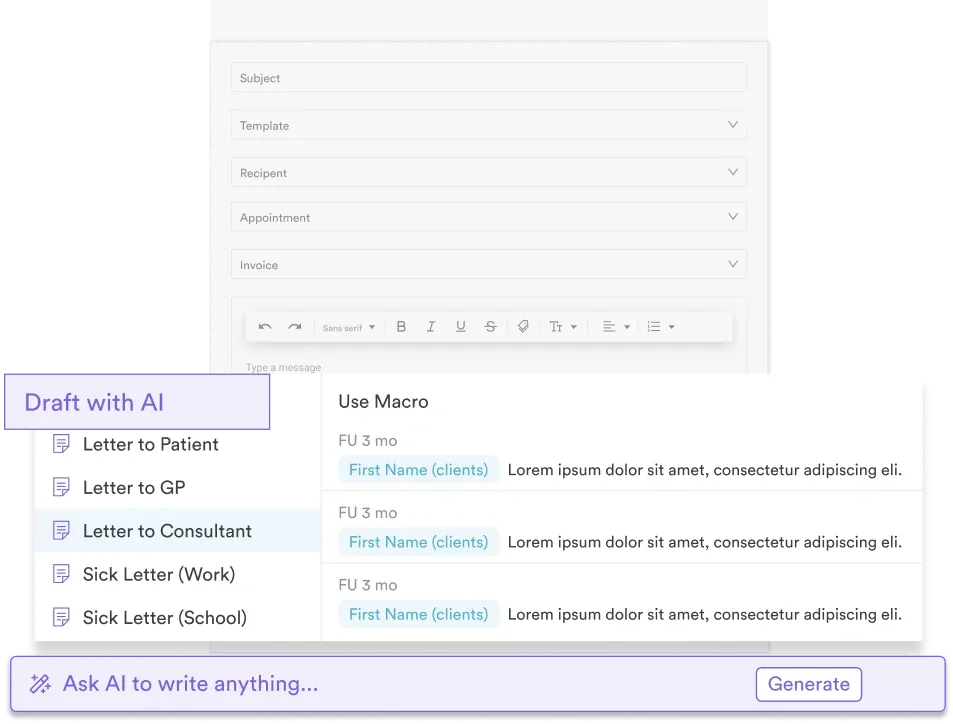
AI powered patient letters
Who benefits from this template?
This anti-inflammatory diet plan template is applicable across multiple healthcare settings and patient populations.
Functional medicine and integrative medicine practitioners treating chronic inflammation as a root cause of disease.
Rheumatology and arthritis specialists supporting patients with rheumatoid arthritis, osteoarthritis, and autoimmune conditions.
Registered dietitians and nutritionists delivering medical nutrition therapy for inflammation-related conditions.
Primary care physicians and nurse practitioners implementing lifestyle-first approaches before escalating pharmaceutical interventions.
Weight loss practices using anti-inflammatory eating patterns to support metabolic health and sustained weight reduction.
Cardiovascular and metabolic health specialists managing patients at risk for or living with heart disease, diabetes, and metabolic syndrome.
Practices focused on metabolic care use a metabolic health EMR to link templates like this to each patient chart.
Key foods to include and avoid
Effective anti-inflammatory dietary counseling hinges on clarity. Patients need specific food names and simple guidance on portion sizes and frequency.
Foods to prioritize
Fatty fish: salmon, sardines, tuna, mackerel, and anchovies (3-4 oz, 2-3 times weekly), rich in EPA and DHA omega-3s.
Olive oil: extra-virgin olive oil as the primary fat source, containing polyphenols with anti-inflammatory action.
Leafy greens: spinach, kale, arugula, and collard greens, high in vitamins K and C and antioxidants.
Colorful vegetables: broccoli, bell peppers, carrots, tomatoes, squash, and beets, where each color provides distinct phytonutrients.
Berries: blueberries, raspberries, strawberries, and blackberries, which are polyphenol-rich and support cognitive and vascular health.
Whole grains: oats, brown rice, quinoa, farro, and barley, whose fiber supports gut microbiome diversity and barrier function.
Nuts and seeds: almonds, walnuts, chia seeds, and ground flax, sources of fiber, antioxidants, and plant-based omega-3s (ALA).
Legumes: beans, lentils, and chickpeas, whose plant-based protein and resistant starch support satiety and microbial diversity.
Herbs and spices: turmeric (curcumin), garlic, ginger, oregano, and rosemary, which contain documented anti-inflammatory compounds.
Foods to minimize or avoid
Processed foods: packaged snacks, instant meals, and fast food, often high in trans fats, sodium, and additives that promote inflammation.
Refined carbohydrates: white bread, pastries, sugary cereals, and most conventional pasta, which rapidly raise blood glucose and insulin and can trigger inflammatory cascades.
High-saturated-fat meats: fatty cuts of beef, lamb, and pork, plus processed meats (bacon, sausage, deli meats), which are a dietary source of arachidonic acid and often contain inflammatory additives.
Sugary beverages: soft drinks, energy drinks, and fruit juices, where a high added-sugar intake is linked to systemic inflammation.
Vegetable oils high in linoleic acid: soybean, corn, and sunflower oils, whose high omega-6 to omega-3 ratio can promote an inflammatory tone when they crowd out omega-3s.
Alcohol (in excess): drinking above moderate amounts (1 drink a day for women, 2 for men) increases intestinal permeability and liver inflammation.
Benefits of following an anti-inflammatory diet plan
Patients adhering to a structured anti-inflammatory diet plan typically experience measurable improvements within 4-12 weeks. Frame these benefits clearly during counseling to motivate compliance.
Reduced inflammatory markers: CRP, IL-6, and TNF-alpha decline measurably in patients consuming high-polyphenol, omega-3-rich diets.
Joint and pain relief: Patients with arthritis and chronic pain frequently report reduced joint swelling, improved mobility, and decreased pain medication requirements.
Improved cardiovascular health: lower blood pressure, improved lipid profiles (increased HDL, decreased triglycerides), and slower atherosclerotic progression, which reinforce a heart-protective cardiac diet plan.
Weight loss and metabolic improvement: Whole-food, fiber-rich patterns support satiety, stable blood glucose, and sustainable weight reduction.
Enhanced gut health: High-fiber, plant-rich diets feed beneficial microbiota, strengthen the intestinal barrier, and reduce dysbiosis-related inflammation.
Improved energy and cognitive clarity: Stabilized blood glucose, reduced systemic inflammation, and enhanced microvascular perfusion support mental clarity and sustained energy.
Ensure structured intake forms capture baseline symptoms so patients can quantify improvements over time. That reinforces compliance and justifies continued dietary adherence. Lipid results often drive the next conversation, and a lowering cholesterol meal plan gives those patients a narrower set of food swaps to follow.
Creating a 7-day meal plan
The template includes a sample 7-day meal plan structured to meet macro and micronutrient targets. Use this framework to guide patients through practical meal construction.
Macro targets per day: approximately 50-60g protein, 30-35g fiber, 25-30% of calories from healthy fats (olive oil, nuts, fish), and 45-50% from complex carbohydrates (vegetables, whole grains, legumes).
Breakfast example: Steel-cut oats with blueberries, ground flax seeds, walnuts, and cinnamon, with an olive oil drizzle if desired.
Lunch example: Grilled salmon (4 oz) with roasted broccoli, brown rice, and a spinach side salad dressed with extra-virgin olive oil and lemon.
Dinner example: baked chicken (4 oz) with roasted root vegetables (carrots, beets, sweet potato) and quinoa.
Snacks: almonds, berries, hummus with carrot sticks, and herbal tea (green tea is a good choice for polyphenols).
Encourage patients to adapt meals to their own food preferences and cultural eating patterns. Adherence improves when patients recognize familiar foods and preparation methods, and that personalization is what makes the plan sustainable.
Shopping list and meal prep tips
Practical guidance reduces patient barriers to implementation. The template includes a detailed shopping list organized by food category, color, and seasonal availability. Here are practice-tested approaches. For patients cutting added sugar.
Shop the perimeter first: Prioritize the produce, fish, meat, eggs, and dairy sections, and minimize time in the processed-food aisles.
Buy seasonal and frozen: Seasonal produce is cheaper and nutrient-rich. Frozen berries and vegetables are just as nutritious and cut prep time.
Prep proteins in bulk: Grill or bake chicken and fish for 2-3 days at a time, then store in airtight containers to minimize daily cooking.
Pre-cut vegetables: Wash and chop leafy greens, broccoli, and carrots on Sunday, then store them in glass containers for grab-and-go salads.
Cook whole grains in batches: Prepare brown rice, quinoa, or lentils twice a week, then reheat them for meals across the week.
Stock herbs and spices: Keep turmeric, garlic powder, dried oregano, and fresh ginger on hand for flavor without excess sodium.
Cost shapes what lands in the cart. Patients enrolled in WIC buy from a defined benefit list, so check the WIC approved food list before suggesting substitutions.
Implementing the anti-inflammatory diet plan in your practice
Successful dietary intervention requires systems and practitioner confidence. Integrate this template into your practice workflow to ensure consistency and scalability.
Create a nutrition decision tree: set intake criteria to flag suitable candidates for dietary intervention (for example, CRP above 3 mg/L, a weight loss goal, or an arthritis diagnosis).
Assign responsibility: designate a team member (nurse, health coach, or dietitian) to deliver the template, answer questions, and schedule follow-ups.
Use outcome tracking: record baseline markers (weight, pain score, energy, inflammatory labs) and re-assess at 4 and 8 weeks to quantify results and guide treatment adjustments.
Provide written and digital copies: Print the template for patients who prefer a hard copy, and email digital versions to those comfortable with tech to reduce paper waste.
Practices using weight loss clinic software benefit from automated tracking of dietary milestones and integration with other wellness services, amplifying patient accountability and practice revenue.
Frequently asked questions
What is an anti-inflammatory diet plan?
An anti-inflammatory meal plan is a structured eating framework that prioritizes whole, nutrient-dense foods (fatty fish, vegetables, berries, olive oil, whole grains, nuts, legumes, herbs, and spices) while cutting pro-inflammatory triggers (processed foods, refined carbohydrates, high-saturated-fat meats, sugary drinks). The goal is to reduce systemic inflammation and support clinical outcomes in patients with chronic conditions.
How long does it take to see results from an anti-inflammatory diet?
Most patients notice symptomatic improvements (reduced pain, better energy, improved digestion) within 2-4 weeks. Biomarker improvements (CRP, IL-6) are typically measurable at 4-8 weeks. Longer-term structural changes, such as reduced joint damage, generally need 12 or more weeks of consistent adherence.
Can I follow an anti-inflammatory diet if I have diabetes or kidney disease?
Anti-inflammatory principles (whole foods, vegetables. Always work with a registered dietitian and your prescribing clinician to customize the plan for medical conditions and medication interactions.
Is the Mediterranean diet the same as an anti-inflammatory diet?
The Mediterranean diet is the most evidence-based anti-inflammatory eating pattern and should be considered the template framework. Both emphasize olive oil, fatty fish, vegetables, legumes, whole grains, and nuts. Other patterns (DASH, MIND) share similar principles but may differ in specific food ratios or regional ingredients.
Is there a free anti-inflammatory meal plan PDF I can download?
Yes. The template on this page is a free, downloadable anti-inflammatory meal plan PDF. It includes the foods to prioritize and avoid, a sample 7-day meal plan with macro targets, and a categorized shopping list, so you can print it or share it with patients through a patient portal.
What if my patient has food allergies or dislikes certain anti-inflammatory foods?
Flexibility ensures adherence. If a patient dislikes fish, emphasize plant-based omega-3 sources (chia, flax, walnuts) and consider algae-based supplements. Allergies require elimination and substitution, so work with a dietitian to ensure nutrient needs are met. The goal is a sustainable, personalized version of the anti-inflammatory framework, not rigid dietary perfection.