Grains food list: whole vs refined grains (free PDF)
A grains food list sorts grain foods into whole and refined groups, so patients ...

3
Last Updated: Oct 20, 2026

A nutrition cheat sheet is a quick-reference guide covering macronutrients, daily recommended intakes, vitamins, minerals, portion sizes, and hydration guidelines for clinical consultations.
Key nutrients to include: protein requirements by age and activity level, fiber intake targets, caloric guidelines, and micronutrient daily values practitioners reference during patient assessments.
The resource accelerates patient education by providing lookup tables practitioners can share, reducing consultation time while improving nutritional guidance clarity and patient recall.
Pabau’s digital forms and Pabau Scribe, our AI scribe, streamline how practitioners capture, organize, and reference nutritional data within patient records during consultations.
A comprehensive reference guide covering macronutrient definitions, daily recommended intakes by demographic, high-protein and high-fiber food tables, vitamin and mineral reference data, portion size guidance, nutrition label reading steps, and hydration guidelines for immediate patient consultation use.
Download templatePractitioners managing complex patient cases often spend consultation time explaining dietary fundamentals instead of diving into personalized treatment plans. A printable nutrition cheat sheet solves this by providing a visual reference your patients take home, reinforcing guidance long after the appointment ends.
The most effective nutrition cheat sheets distill clinical guidelines into scannable tables and clear portion-size graphics that patients actually understand and use. This guide walks through what to include in your own resource and how to deploy it across your practice’s workflow.
A professional nutrition cheat sheet serves two purposes. It speeds up consultations by replacing long verbal explanations with visual references. It also becomes a take-home artifact patients use to apply guidance at home. Practices that want a broader patient-facing version can start from our free nutrition handout. Every professional resource includes the core components listed below.
Practitioners using digital intake forms to capture initial dietary habits can reference these same tables during follow-up consultations, keeping guidance consistent and evidence-based.
The foundation of any nutrition cheat sheet is a quick-reference table of the three macronutrients, their roles, and target intakes. This table should appear early so practitioners can point to it during patient discussions.
Print this table and keep a laminated copy at the consultation desk. Patients referencing it during counseling sessions feel more involved in their nutritional planning, increasing adherence.
Protein intake varies significantly by age, sex, and activity level. A standard recommendation is 0.8 g per kg of body weight for sedentary adults. Athletes, older adults, and those in recovery require higher intakes.
Dietary fiber supports digestive health, blood sugar regulation, and cardiovascular function. According to the Academy of Nutrition and Dietetics, adult targets vary by sex and age.
Practices focused on metabolic care use a metabolic health EMR to link templates like this to each patient chart.
Micronutrients support bone health, immune function, and energy metabolism. This condensed reference table helps practitioners identify common deficiencies during patient assessments and recommend whole-food sources before suggesting supplementation.
When patients ask how to reach their protein target, this lookup table gives them specific foods and gram amounts. Practitioners can point to this table during consultations to help patients build meal plans.
Many patients fall short on fiber even with an otherwise balanced diet. This table highlights plant-based foods that deliver both fiber and protein.
Teaching patients to decode nutrition labels puts dietary autonomy in their hands. This step-by-step framework helps practitioners walk patients through the nutrition facts panel during consultations.
Practitioners using Pabau Scribe, our AI scribe, can document which label-reading skills each patient still needs help with. They can then reference this table in follow-up notes to track nutritional literacy progress.
Water intake is often overlooked but critical for energy, digestion, and recovery. Most practitioners reference the generic “8 glasses a day” rule, but evidence-based targets adjust for body weight and activity.
Consider printing a water-tracking template alongside this guide. Patients seen by weight loss practices benefit from hydration targets tied to their specific body composition.
A nutrition cheat sheet’s value multiplies when integrated into your practice’s workflow. Here are the most effective deployment strategies.
A nutrition cheat sheet is a quick-reference guide that consolidates essential dietary information into tables, lists, and visual guides. Practitioners use it during patient consultations and share it as an educational handout.
Unlike lengthy nutrition textbooks, a cheat sheet distills clinical guidelines into the specific data clinicians reference most. That means daily macronutrient targets, micronutrient daily values, portion sizes, and label-reading steps.
In clinical practice, nutrition cheat sheets accelerate patient education by replacing verbal explanations of standard recommendations with visual references patients take home. They support informed decision-making, increase patient adherence to dietary guidance, and position practitioners as organized, evidence-based educators.
Functional medicine practitioners use nutrition cheat sheets during metabolic health consultations to tie dietary recommendations to patient blood work and specific deficiencies.
Weight loss practice staff reference protein and fiber tables when designing meal plans, ensuring caloric targets are paired with satiety and nutrient adequacy.
Registered dietitians and nutritionists use cheat sheets as patient education tools during initial visits, setting expectations for dietary tracking and portion control.
IV therapy and wellness practitioners cross-reference hydration guidelines with micronutrient supplementation protocols. Many pair the cheat sheet with a meditation script for patients working on whole-person wellness, not just diet.
General practitioners share nutrition guidance with patients managing chronic disease. Consistent reference tables keep guidance uniform across multiple visits. Patients with diabetes can pair the cheat sheet with a list of diabetes-friendly snacks for between-meal choices.
Accelerates consultations. Instead of explaining macronutrient targets verbally, you point to a table. Patients grasp recommendations faster and retention improves.
Ensures consistency across your practice. Every patient receives the same evidence-based reference data, eliminating conflicting advice and building trust in your practice’s methodology.
Empowers patient independence. Take-home cheat sheets help patients reference guidelines without scheduling follow-up calls, freeing appointment slots for patients needing direct clinical attention.
Supports documentation. Practitioners using patient engagement tools can log which nutrition resources each patient received. Some note it in an end of shift report to keep compliance audits straightforward.
Differentiates your practice. Professional-looking nutrition resources signal clinical competence, especially when customized to your specialty (weight loss, functional medicine, metabolic health).
Audit which tables your patients reference most. If most ask about protein but skip fiber guidance, reorder tables to front-load the highest-demand content. Patient engagement signals reveal what nutrition education resonates in your specific population.
Printing and laminating nutrition tables is a good start. But the guidance still needs to reach a patient’s file and follow them to their next visit. Practice management software like Pabau ties intake, consultation notes, and follow-up communication into one record.
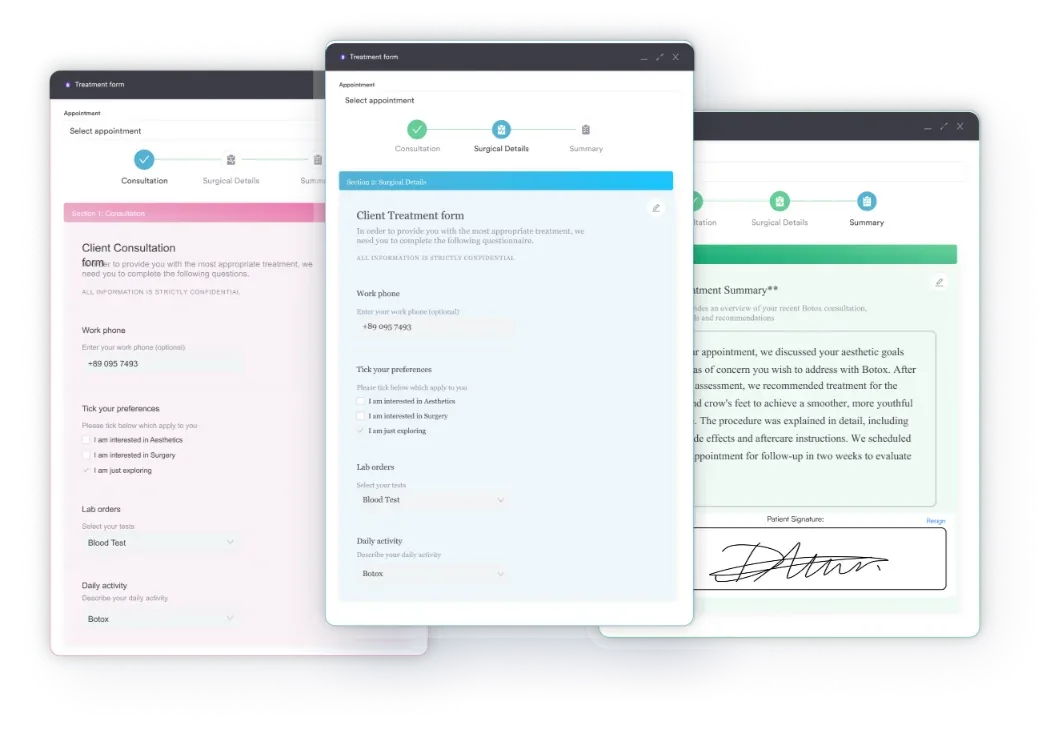
Pabau’s customizable intake forms capture a patient’s dietary history and goals before they arrive. The consultation then starts from what the patient already shared instead of guesswork. During the visit, Pabau Scribe, our AI scribe, drafts consultation notes automatically. That frees practitioners to walk through the cheat sheet with the patient instead of typing.
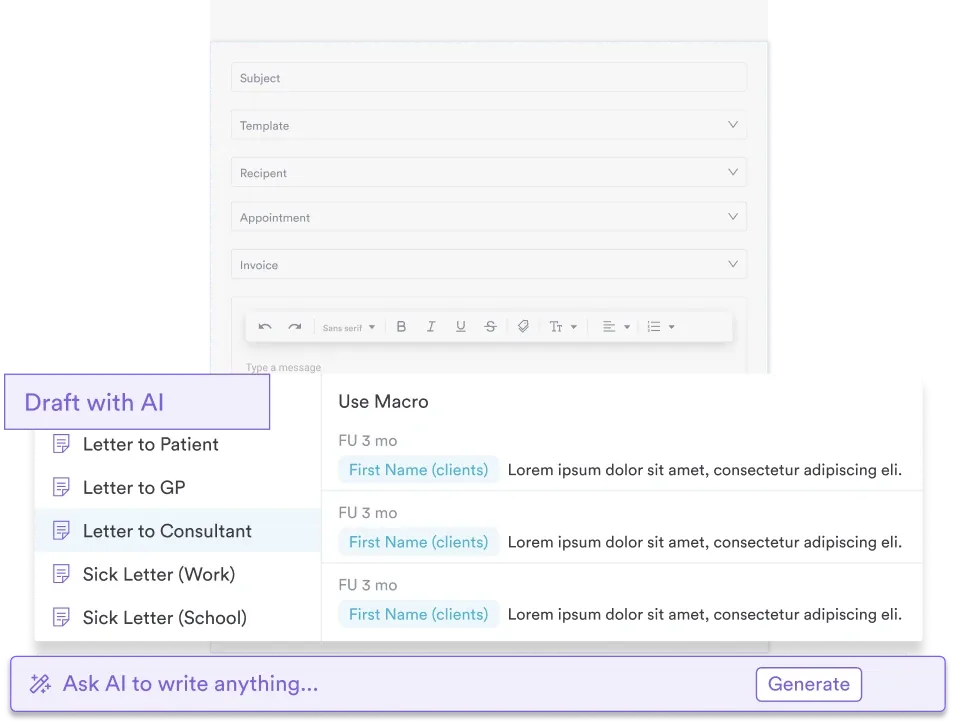
After the appointment, Pabau’s AI-powered patient letters send personalized nutrition follow-up guidance without a practitioner retyping the same advice for every patient.

Pabau’s digital forms and Pabau Scribe, our AI scribe, streamline how practitioners capture dietary assessment data and track patient nutrition progress. This helps practices deliver evidence-based guidance consistently during every consultation.

A nutrition cheat sheet only pays off if it gets used at the point of care, not filed away after one handout. Print it.
The trade-off is upkeep. Guidelines shift, and a cheat sheet left unchanged for years starts working against you. Revisit the tables when major guidance updates, and adjust the specialty focus as your patient mix changes.
Patient adherence improves when nutrition guidance is consistent, accessible, and evidence-backed. Book a demo to see how Pabau supports nutrition education through digital patient records and clinical documentation tools.

Screening for liver fibrosis early? elastography test guide explains how elastography catches liver fibrosis progression without a needle or sedation.
Choosing software for a weight loss practice? weight loss clinic EMR comparison compares seven platforms on GLP-1 workflows, treatment plans, and progress photo documentation.
Want to go deeper on metabolic health interventions? Our metabolic health guide compares lifestyle and drug-based approaches practitioners use alongside nutrition counseling.
A nutrition cheat sheet includes macronutrient reference tables for protein, carbohydrates, and fats. It also covers daily intake targets by age and activity level, high-protein and high-fiber food lookups, vitamins and minerals reference data, portion size guidance, label reading steps, and hydration guidelines.
The standard recommendation is 0.8 grams of protein per kilogram of body weight for sedentary adults. Athletes and older adults require 1.2-2.2 g/kg depending on activity level and training goals. A 70 kg sedentary adult requires approximately 56 grams daily, while a recreational exerciser of the same weight needs 84-112 grams.
Women aged 19-50 should consume 25 grams daily. Men in the same age range need 38 grams. For adults over 50, recommendations drop to 21 grams for women and 30 grams for men, according to the Academy of Nutrition and Dietetics.
General guidance is to drink about 6-8 glasses of water daily. Sedentary adults should aim for roughly half their body weight in ounces (a 154 lb adult needs about 77 oz, or 2.3 liters). Athletes and those in warm climates need more.
A nutrition facts label includes serving size, calories per serving, macronutrient amounts (carbohydrates, protein, fat), added sugars, sodium, and daily value percentages for key micronutrients. It also lists ingredients in order by weight. Understanding label sections helps patients make informed dietary choices aligned with their daily targets.