Printable values cards: What they are and how to use them in therapy
Printable values cards are a reflection tool that helps a patient work out which...

14
Last Updated: Sep 30, 2026

This worksheet is a general values-clarification exercise, not the separately published Life Values Inventory instrument by Duane Brown and R. Kelly Crace.
The template lists 18 life values, from family and health to justice, and asks the client to rate each one from 1 to 10.
There is no scoring key, total, or cutoff. The useful material comes from the written explanation beside every rating.
Values work gives therapy and coaching a clear target, so goals connect to what the client actually cares about.
Practice management software like Pabau can send the worksheet out before a session and file the answers in the client record.
An 18-value worksheet with a name and date field, plus a 1 to 10 importance rating for each value. Every rating has its own explanation box beside it, so the client records the reasoning as well as the number.
Download templateA life values inventory worksheet asks a client to name what matters to them and say why. This one lists 18 life values and collects an importance rating from 1 to 10 for each. Beside every rating sits a box for the client’s own explanation.
Therapists, counselors, and coaches can print it, hand it over, and use what comes back to steer the next conversation.
One point about the name, up front. This is a general values-clarification exercise. It isn’t the copyrighted Life Values Inventory instrument published by Duane Brown and R. Kelly Crace. That one has a different item set, a different scale, and its own manual.
A life values inventory is a worksheet that asks a person to rate a set of life values by personal importance. The client then explains each rating in their own words. It’s a clarification exercise rather than a test. Nothing in it produces a score you can compare against a norm group or use to support a diagnosis.
The version on this page covers 18 values, among them family, health and well-being, career and professional growth, integrity and honesty, and justice. The client rates each one from 1 to 10, where 1 means not important and 10 means extremely important.
Every rating has an explanation box next to it, and that box holds the material you can actually work with.
The same phrase also names a specific published instrument, which is worth separating out. The Life Values Inventory by Duane Brown and R. Kelly Crace measures 14 named constructs through a set of rated statements. It comes with its own scoring and interpretation guidance.
If you need that instrument, obtain it from its publisher. The worksheet here borrows the general idea and none of the item set, scale, or scoring.
Clients often act against what they say they care about. One stays in a well-paid job that leaves no evenings for the family they would rank first. Another avoids the closeness they want because starting the conversation is frightening. Writing the values down makes the contradiction visible, and a visible contradiction is far easier to work on. Reading change across appointments depends on consistent recording, which psychology practice software enforces.
That’s what a values worksheet is for. It moves the conversation from how the client feels to what the client is aiming at. That gives your patient care management plan a target you can both check progress against.
The worksheet covers 18 values, each one a common source of meaning. The short definitions below are there to settle the client’s questions before they start rating. If 18 feels like too many, a shorter core values exercise covers similar ground faster.
Clients rarely rate everything the same. The pattern is what you are reading for. Look at which values sit at 9 and 10, which sit near the bottom, and which pairs pull against each other. Where love and relationships rates high but little time goes to it, a relationship goals checklist turns that mismatch into specific commitments.
Storing this resource in an EMR designed for behavioral health keeps client progress visible across sessions.
Print the worksheet or send it out as a digital form, then work through it in five steps.
This worksheet has no scoring key, no totals, and no cutoffs, and it doesn’t need them. Each value carries its own 1 to 10 rating, so there is nothing to add up. What you read is the ranking the client produced and the reasons they gave for it.
Three things are worth looking at.
Resist the urge to turn any of this into a single number. Two clients who both rate health at 7 can mean entirely different things by it, and only the explanation box shows the difference.
Where you need a comparable, norm-referenced measure, run a validated instrument alongside this worksheet instead of treating the worksheet as one.
The worksheet does its best work as the opening of a conversation. These prompts move clients from noticing a rating to doing something about it.
Prompts like these keep the worksheet from becoming a filed form. Used well.
The worksheet suits any setting where a client’s priorities shape the plan.
Clearer goals. “Feel better” is hard to work with. “Spend two evenings a week with my kids” comes straight out of a value the client rated 10. You can both tell whether it happened.
Stronger engagement. When the plan visibly follows from what the client wrote down, the work stops feeling imposed. Clients can see their own words in the goals you set together.
Better handovers. A completed worksheet in the record tells the next clinician what this person is aiming at, in the client’s own words. That saves a session of re-establishing context.
A reference point over time. Keeping the original lets you send the same worksheet in six months and ask what has moved. Changed ratings are usually easier for clients to discuss than changed feelings.
Most practices print the worksheet, fill it in on paper, and file it. The ratings then live in a folder, which means nobody reads them again after the session they were written in.
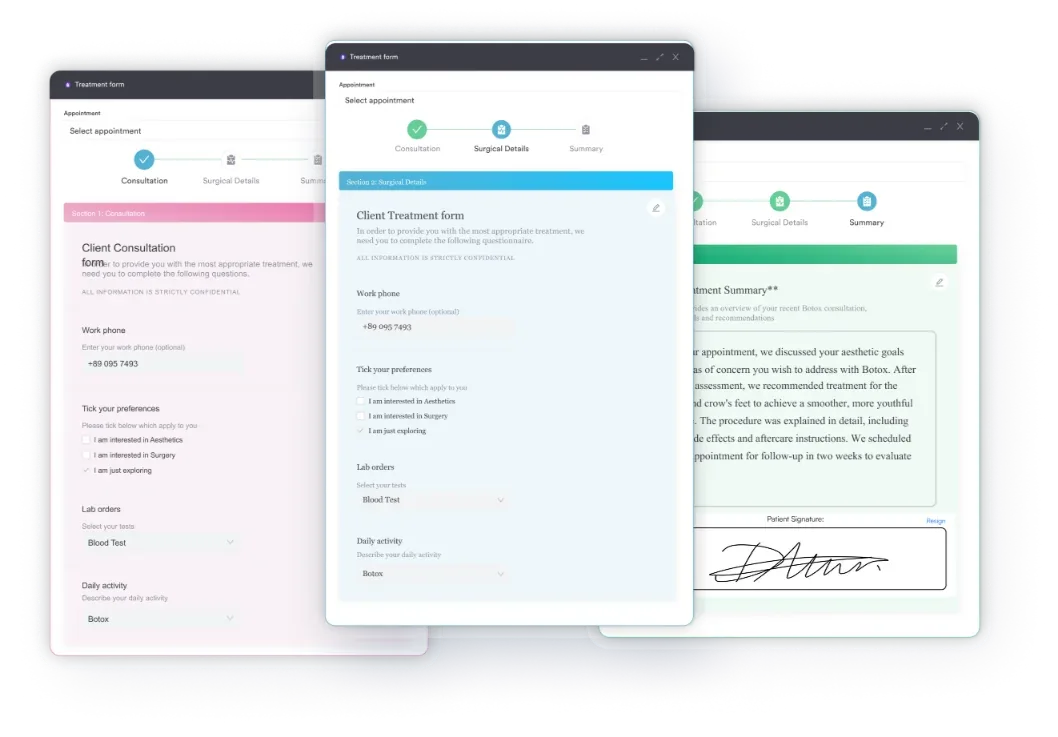
Practice management software like Pabau lets you rebuild the same worksheet as a digital form. Clients complete the 18 ratings and the explanation boxes before they arrive, from a phone or a laptop. The answers land in their client records straight away, where any clinician on your team can see them.
In session you can open the completed form beside your notes and quote specific ratings without hunting for paper. Send the same form again months later and you hold two dated versions to compare. That’s as close to progress tracking as this exercise honestly supports.
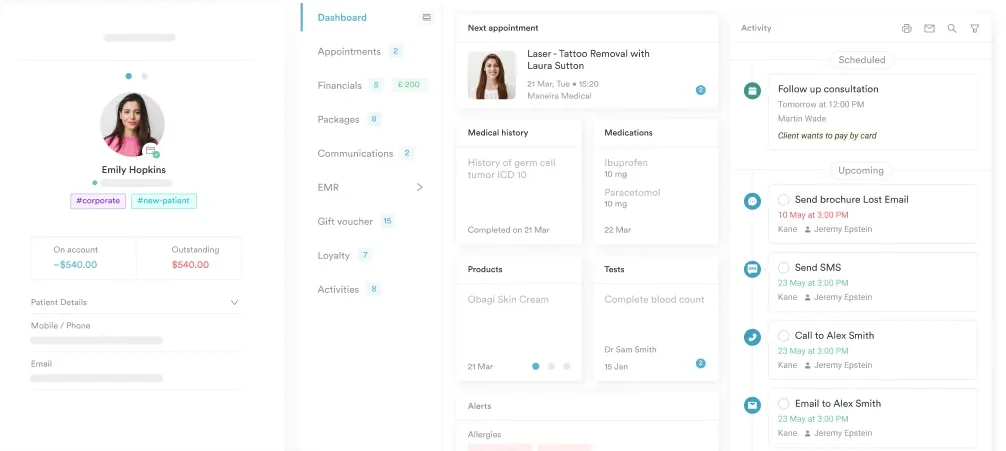

Pabau’s digital forms send the worksheet ahead of the appointment and file the answers in the client record. You start the session with the ratings already read.

A values worksheet earns its place by changing what you talk about, not by producing a number. Use it to open a conversation about direction, and read the explanation boxes more carefully than the ratings themselves.
The trade-off is worth stating plainly. This is not a validated instrument, so it will not give you a comparable measure or support a diagnosis. What it will do is get a client to write down what they want their life organized around. That’s usually the harder half of the job.
Download the template, run it at your next intake, and keep the completed copy where the rest of your team can see it. Book a demo to see how Pabau sends the worksheet out and files the answers in the client record.

Working with a couple on shared values? Appreciating your partner ACT worksheet guides couples through structured appreciation exercises and daily practice logs grounded in ACT principles.
Screening for restrictive eating patterns? ARFID test screens for avoidant/restrictive food intake disorder symptoms in children and adults.
Running values work with a group? 8-week group counseling plan gives you a session-by-session structure you can drop this worksheet into.
Starting with a new coaching client? Life coach intake form collects goals, history, and expectations before the first session.
Need a consistent format for session notes? Progress notes for psychotherapy keeps every entry structured and easy to defend later.
A life values inventory is a worksheet that asks someone to rate a list of life values by personal importance. They then explain each rating. The version on this page covers 18 values, each rated from 1 to 10. It is a values-clarification exercise for therapy, counseling, and coaching, not a scored psychological test.
Yes. The worksheet on this page is free to download and free to use with clients, with no license or registration. The separately published Life Values Inventory instrument by Brown and Crace is a different product with its own terms. Check with its publisher before using that one.
Therapists use it at intake or as a focused session. The client rates all 18 values from 1 to 10, then writes why each rating landed where it did. You read the ratings and explanations together and look for the distance between a high rating and how the client really spends their week. Those mismatches become the plan’s first targets.
No. There are no totals, no key, and no cutoffs, because each value carries its own rating. You read the ratings as a ranking and the explanation boxes as the reasoning behind it. Where you need a scored, norm-referenced result, use a validated instrument instead.
They share a name and an idea, not the content. The Life Values Inventory by Duane Brown and R. Kelly Crace is a copyrighted instrument with its own manual. It measures 14 named values through rated statements. This worksheet is a general exercise with 18 values, a 1 to 10 rating, and no scoring key. Use the published instrument when you need a validated, comparable measure.
Yes. Group members complete the worksheet individually, then share whatever they choose in a guided discussion. Workshops, retreats, and group therapy all work. Nobody has to read their ratings aloud, so the exercise builds common ground without forcing disclosure.
The 18 ratings take about 5 to 10 minutes. The explanation boxes take longer, usually 10 to 15 minutes if the client writes properly. Discussion can run another 15 to 30 minutes, which makes the whole exercise a comfortable fit for one 50-minute session.