Trauma response test: Free template for clinicians
A trauma response test is a structured screening questionnaire that helps clinic...

3
Last Updated: Oct 15, 2026

A bipolar workbook is a structured therapeutic resource combining mood tracking, psychoeducation, CBT techniques, relapse prevention planning, and safety planning tools for managing bipolar disorder.
Mood monitoring is the cornerstone of effective bipolar management. Clinicians use the workbook’s tracking charts to identify patterns, triggers, and early warning signs of mood episodes.
The workbook teaches CBT-based cognitive restructuring and behavioral activation strategies that help clients challenge depressive thoughts and regain motivation during depressive episodes.
Practice management software like Pabau integrates workbook progress directly into patient notes, care plans, and treatment tracking, eliminating paper-based documentation and enabling real-time monitoring across your practice.
A comprehensive therapeutic resource featuring mood tracking charts, psychoeducation modules, CBT-based worksheets, relapse prevention planning, and safety planning sections for supporting individuals with bipolar disorder.
Download templateBipolar disorder affects approximately 1-2% of the global population, and managing mood fluctuations effectively is critical to reducing hospitalization and improving quality of life.
A bipolar workbook is a clinician-friendly, evidence-based therapeutic resource designed to help both practitioners and their clients track mood patterns, understand the disorder, build coping skills, and prevent relapse through structured self-management tools.
A bipolar workbook is a structured clinical tool grounded in cognitive behavioral therapy (CBT) principles, which NICE recommends as a psychological intervention for bipolar disorder. It combines psychoeducation about mood episodes, practical worksheets for managing mania and depression, and planning templates for crisis situations.
The workbook serves a dual purpose: clinicians use it as a structured framework for therapy sessions and between-session assignments, while clients use it independently to track their mood states, identify personal triggers, and practice evidence-based coping strategies.
Unlike generic self-help materials, a bipolar workbook integrates CBT techniques with mental health practice management workflows, enabling practitioners to document client progress directly within their clinical records.
The bipolar workbook is designed for mental health practitioners — psychiatrists, clinical psychologists, licensed therapists, mental health nurses, and counselors — who work with adults and adolescents managing bipolar I or bipolar II disorder.
It’s equally valuable for patient care management in both outpatient therapy settings and inpatient psychiatric units. Psychiatrists prescribing mood stabilizers can pair the workbook with psychiatry EMR software to keep medication history and mood data in one record.
Clients benefit significantly when they engage with the workbook alongside professional support. The structured format helps individuals newly diagnosed with bipolar disorder understand their condition, while established clients use it as a maintenance tool to monitor mood and prevent relapse.
A comprehensive bipolar workbook contains several core modules addressing key management areas:
Daily mood tracking is the foundation of bipolar self-management. The workbook provides structured charts where clients record their mood state (from very low to very high), energy level, hours slept, medications taken, and any significant triggers or life events. Over weeks, patterns emerge, showing which activities, social interactions, or seasonal changes correlate with mood episodes.
The workbook clarifies the distinction between bipolar I (which involves full manic episodes) and bipolar II (hypomanic episodes and depressive episodes). It explains the neurobiology of mood regulation, how neurotransmitters like serotonin and dopamine fluctuate, and why medication combined with behavioral strategies yields better outcomes.
This improves patient compliance by helping clients understand why their treatment plan is structured the way it is.
Cognitive behavioral worksheets teach core techniques. Thought records help clients identify and challenge catastrophic thinking during depressive episodes. Behavioral activation checklists encourage small, achievable activities that boost motivation. These digital forms can be completed during session or assigned as between-session homework, with results documented in the client’s record.
The workbook guides clients through building a personalized relapse prevention plan. This includes identifying early warning signs (e.g., decreased need for sleep, increased spending, racing thoughts for mania; social withdrawal, hopelessness for depression), listing personal triggers (stress, seasonal changes, medication non-adherence).
A critical section addresses informed consent documentation and safety. The template prompts clients to list emergency contacts, their psychiatrist’s details, local crisis services, and a personalized list of safe coping strategies they can employ before contacting emergency services. This is not a substitute for professional assessment but a supplementary tool.
Sections for recording medication adherence, sleep patterns, exercise, social activity, and substance use help clients and clinicians identify lifestyle factors that impact mood stability. Consistency across these areas often predicts stability.
Clinicians deploy the bipolar workbook using a five-step operational approach:
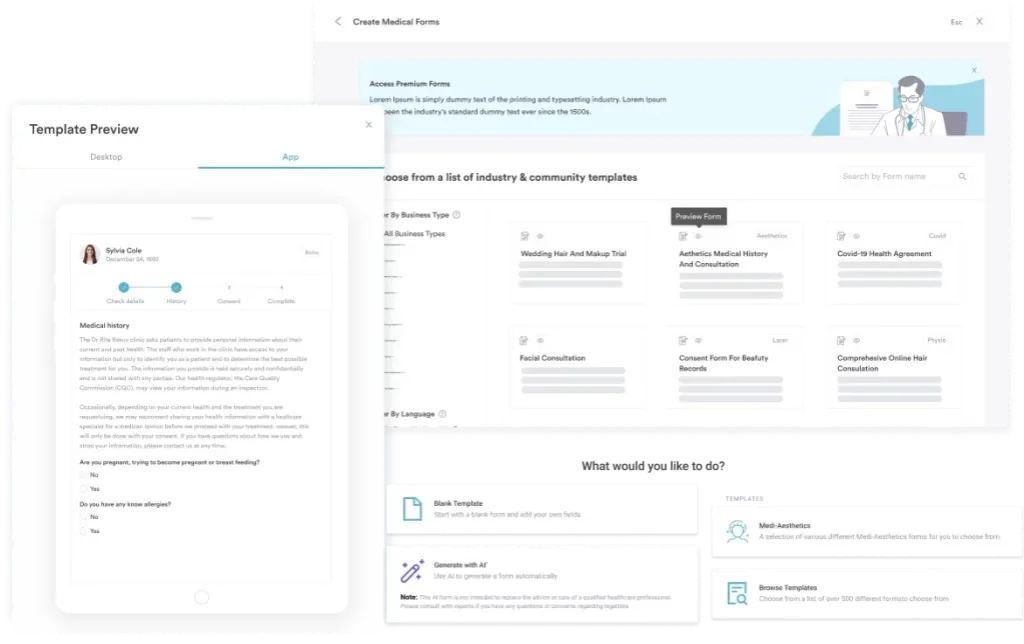
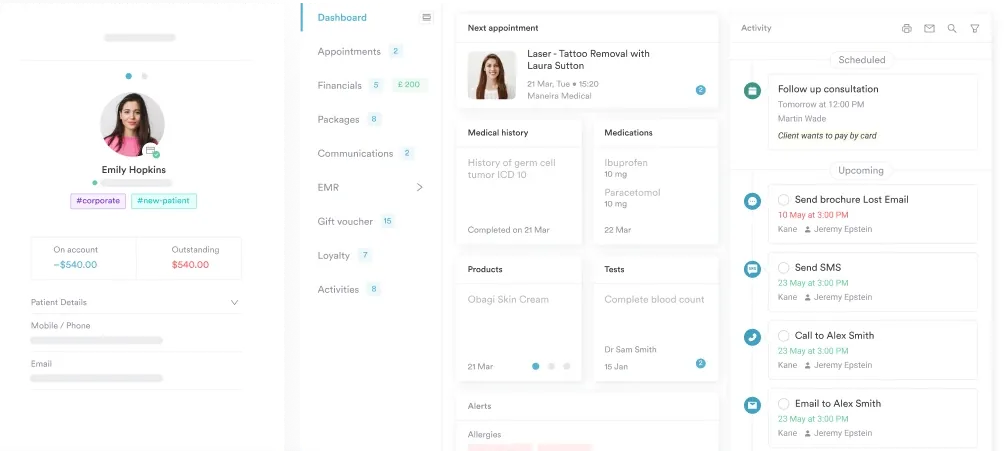
Mental health practitioners benefit from embedding the bipolar workbook into a digital practice. Pabau’s clinical record keeping system allows you to store scanned or digital workbook sections directly in each client’s file. Client portal access lets clients complete intake and mood-tracking forms digitally, with results auto-populated into their clinical record.
The bipolar workbook’s effectiveness rests on peer-reviewed evidence. Mind UK and CCI self-help resources both recommend structured psychoeducation and mood monitoring as core components of bipolar management.
Meta-analyses show that CBT combined with medication reduces relapse rates by 20-40% compared to medication alone, and structured mood monitoring helps clients catch early warning signs before episodes fully develop.
The bipolar workbook remains one of the most practical tools a mental health practice can offer. By combining evidence-based psychoeducation, mood tracking, CBT techniques, and relapse prevention planning, it empowers both clinicians and clients to take an active role in bipolar disorder management, reducing crisis episodes, improving medication adherence, and building sustainable coping skills that last long after therapy ends.
Ready to integrate structured workbook-based care into your mental health practice? Book a demo to see how Pabau’s clinical record and care planning tools enable seamless workbook documentation and client progress tracking.
A bipolar workbook provides structured tools for mood tracking, psychoeducation, and CBT-based skill-building. Clinicians assign specific modules to help clients understand their condition, recognize early warning signs of mood episodes, and practice evidence-based coping strategies between sessions.
Yes. The Pabau bipolar workbook is available as a free PDF download above. It includes all core modules: mood tracking, psychoeducation, CBT worksheets, relapse prevention, and safety planning.
A comprehensive workbook includes daily mood tracking charts, psychoeducation about bipolar I vs II, CBT-based thought records and behavioral activation exercises, a personalized relapse prevention plan, a crisis safety plan with emergency contacts, and medication/lifestyle tracking sections.
Clinicians introduce the workbook during assessment, assign targeted modules based on the client’s current presentation (e.g., behavioral activation for depression, relapse warning signs for recent mania), review completed sections in session, and document progress in clinical notes. Regular review identifies mood patterns and helps refine treatment planning.
CBT teaches clients to identify and challenge distorted thinking patterns (e.g., catastrophizing during depression), use behavioral activation to boost motivation, and develop relapse prevention strategies. NICE guidelines recommend CBT as a psychological intervention for bipolar disorder, typically delivered alongside medication management.
A bipolar mood chart is a daily log where clients record their mood state (on a scale, often 1-10), energy level, hours slept, medications taken, and significant life events or triggers. Over weeks, patterns emerge, showing which activities, stressors, or seasonal changes correlate with mood changes and helping both client and clinician refine management strategies.