Trauma response test: Free template for clinicians
A trauma response test is a structured screening questionnaire that helps clinic...

3
Last Updated: Oct 15, 2026

Step 12 of AA requires a spiritual awakening that leads members to help others in recovery and practice the principles across all life areas.
The worksheet has three core sections aligned with the Big Book’s three Step 12 components: spiritual transformation, carrying the message, and principles in daily affairs.
Therapists and addiction counselors use the worksheet in clinical sessions as both a discussion guide and a documentation tool for treatment progress.
Pabau’s digital forms and client records help clinicians administer and track Step 12 work alongside clinical notes and automated patient follow-ups.
The worksheet is free to download, adaptable for personal and professional use, and suitable for AA members, NA participants, and other 12-step programs.
A ready-to-use, printable PDF covering spiritual awakening, carrying the message to others, practicing the principles in all your affairs, and a plan to keep the work going after Step 12.
Download TemplateStep 12 is the final step of the Alcoholics Anonymous recovery program, and this free AA Step 12 worksheet gives you a structured place to work through it. It covers the three parts of the step: recognizing your spiritual awakening, carrying the message to others, and practicing the principles in all your affairs.
Download the printable PDF above, or work straight through the prompts on this page. Whether you are a member reaching Step 12 with a sponsor or a counselor guiding a client, the step 12 AA worksheet turns an abstract final step into concrete reflection and action.
Step 12 states: “Having had a spiritual awakening as the result of these steps, we tried to carry this message to alcoholics, and to practice these principles in all our affairs.”
The step has three distinct parts, each marking a shift in recovery:
According to Alcoholics Anonymous World Services, Step 12 is often called the action step, because it moves recovery from personal reflection into outward service and everyday life.
The worksheet is built around the three parts of Step 12. Here is what each section asks you to reflect on, with an example prompt from the template.
| Worksheet section | What you reflect on | Example prompt |
|---|---|---|
| Spiritual awakening | How your thinking, values, and relationships have shifted since working the steps | “What specific changes have you noticed in yourself?” |
| Carrying the message | How you will help others through sponsorship, service, and outreach | “Who could you sponsor or help right now?” |
| Practicing the principles | How honesty, humility, and service show up in work, family, and daily life | “Where is integrity most difficult for you?” |
The first section invites reflection on the spiritual or psychic change the AA Big Book describes as the shift that lets recovery continue. Members reflect on how their thinking has changed, relationships that have healed, values that have shifted, and how daily life feels different now.
The prompts stay grounded in observable experience rather than abstract spiritual language, so the section works for members of any faith background, or none.
The second section addresses how members share their recovery with others, the core of service work in AA. It covers sponsorship (one-on-one guidance of someone working the steps), 12th step calls (reaching out to people who have recently asked for help), group service (chairing meetings, committee work, literature tables), and informal support like listening to newcomers.
Members plan which forms of service fit their circumstances and capacity, turning “carrying the message” into specific commitments: who will you sponsor, which meetings will you attend, and how will you respond when someone reaches out?
The third section applies the twelve principles (honesty, hope, faith, courage, integrity, willingness, humility, love, discipline, perseverance, awareness, and service) across every area of life. Unlike the earlier steps, which look back at resentments and inventory, Step 12 asks how you will live differently going forward at work, at home, and in your finances and friendships.
The worksheet includes around 25 to 30 reflection prompts, grouped by the three parts of the step. Answer them in writing, then take your responses to a sponsor, counselor, or trusted friend. Written answers cement insights and create a record you can revisit later.
These questions move thinking from the abstract (“I am spiritual”) to the concrete (“here is how my marriage has healed”). That specificity is what makes the step actionable and easy to revisit each year.
Software designed for GP practices can attach this form to the consultation record automatically.
The worksheet works best as a guided experience, usually with a sponsor, therapist, or a structured group. Work through it in these five steps.
Many therapists. The worksheet serves as both a discussion guide and a clinical documentation tool that complements the client’s therapeutic narrative.
In therapy sessions: Instead of asking “How is your recovery going?”, the worksheet gives focused prompts that draw out specific examples of spiritual change, relationship repair, and values alignment, so sessions cover meaning and sustained recovery in a structured way.
In treatment documentation: Responses can be summarized in clinical notes (as a summary, not verbatim). A client’s account of their spiritual awakening, service goals, or integration challenges becomes part of the treatment record and supports ongoing care planning.
One caution: the worksheet is a support tool, not a replacement for professional treatment. Clients with significant mental health conditions, trauma, or active addiction may need more than the worksheet offers.
Relationship repair work in Step 12 sometimes surfaces patterns of coercion or control at home. A power and control wheel helps you screen for those tactics and decide whether a safety conversation is needed.
For clinicians using practice management software like Pabau. That keeps all recovery-related documentation in one place, so nothing sits in a separate folder waiting to be filed.
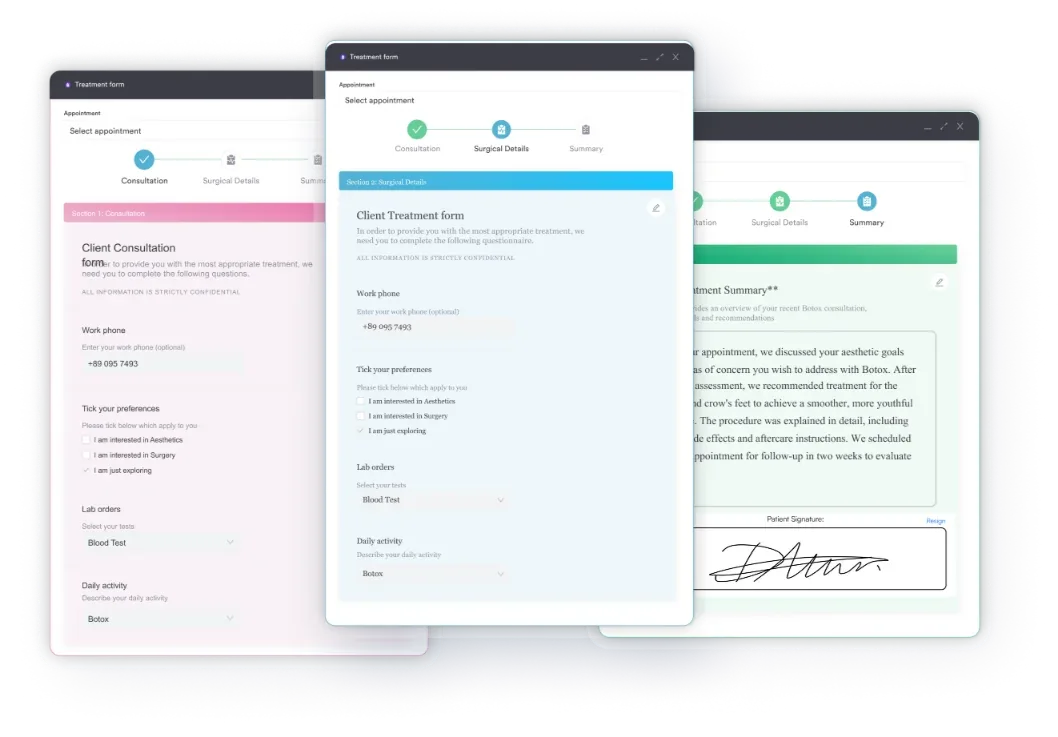
Clinicians managing clients in 12-step recovery get the most from mental health practice management tools that line treatment documentation up with peer-support work. Progress on Step 12 then becomes part of the overall recovery narrative rather than a note kept somewhere else.
Using comprehensive client records, you can track spiritual progress, service commitments, and integration challenges in the same system as therapy notes, medication history, and discharge plans.
Clinicians using AI-powered clinical documentation can summarize Step 12 work by voice during or after a session, capturing the key insights without lengthy note-taking. Witnessing clients’ transformations is rewarding work, though it can be draining too.
Download the free PDF above and begin whenever you are ready. Whether you are working the steps for the first time, revisiting Step 12 years into recovery, or supporting a client through 12-step work, the worksheet gives you structure for reflection and commitment.
Work through it at your own pace, and share it with a sponsor, therapist, or trusted friend. Use the insights to deepen your spiritual practice, plan service work, and carry the principles into every area of your life. Paired with regular meetings, professional support, and peer connection, it becomes part of a sustained recovery practice.
Book a demo with Pabau to see how the Step 12 worksheet fits into a client’s digital record and keeps recovery documentation organized alongside your therapy notes.

Supporting someone through a relapse or crisis? Crisis intervention strategies for clinicians covers frameworks for responding when a client’s recovery is at risk.
Assessing a client for autism spectrum traits? ADOS-2 assessment guide covers module selection, scoring, and the qualifications needed to administer the ADOS-2.
Want to measure a client’s sense of hope? Adult hope scale is a 12-item questionnaire measuring hope through goal-directed energy and goal-planning ability.
Spiritual awakening in AA is a shift in consciousness and values, a psychic change that results from working the first eleven steps. The Big Book emphasizes this is not necessarily a religious conversion. It can be a shift from self-centeredness to connection with others, from despair to hope, or from isolation to belonging. The worksheet helps members put that change into their own words.
Yes. Many addiction counselors, therapists, and psychiatrists use the worksheet as a discussion guide and documentation tool. It structures conversations about meaning, service, and integration, and responses can be summarized in clinical notes to support treatment planning. The worksheet is a support tool, not a replacement for professional treatment.
The step 12 AA worksheet groups its prompts into three parts: spiritual awakening, carrying the message, and practicing the principles. Prompts ask what has changed in you, who you could sponsor or help, and where honesty and integrity are hardest to live day to day.
Yes, with minor language changes. The structure and principles of Step 12 are the same across 12-step programs like Narcotics Anonymous, Cocaine Anonymous, and Overeaters Anonymous. Spiritual awakening, carrying the message, and practicing the principles apply universally, though the specific examples differ by the substance or behavior involved.
Most members spend one to two weeks working through the three sections, about one to two hours per section. Step 12 itself is lifelong, though: the worksheet captures an initial reflection, while practicing the principles and carrying the message continue. Many members revisit the worksheet each year to assess growth and renew commitments.
Yes. The AA Step 12 worksheet is available free as a PDF and can be printed or completed digitally. It can be used for personal recovery, clinical settings, and group meetings. No license or attribution is required, though referencing Alcoholics Anonymous and the Big Book respects the source material.
Absolutely. AA’s idea of spiritual awakening deliberately avoids religious language. The worksheet uses terms like shift in consciousness, connection, purpose, and values, which resonate across secular, spiritual, and religious frameworks. Many atheist and agnostic members find Step 12 transformative without any faith component.