ADHD Cleaning Checklist
An ADHD cleaning checklist is a cleaning list built for adults with ADHD. In oth...

3
Last Updated: Oct 12, 2026

The DASS-21 is a 21-item self-report screening tool with three 7-item subscales (Depression, Anxiety, Stress) rated on a 0-3 Likert scale over the past week.
DASS-21 subscale scores are multiplied by 2 to align with DASS-42 normative data, producing total scores from 0-42 per subscale.
Severity cutoffs are: Depression Normal <10, Mild 10-13, Moderate 14-20, Severe 21-27, Extremely Severe ≥28 (similar ranges apply to Anxiety and Stress).
The scale is freely available under University of New South Wales licensing and widely validated across clinical populations.
A clinically validated 21-item questionnaire measuring depression, anxiety, and stress severity with severity rating cutoffs and scoring multipliers for immediate clinical use.
Download templateThe Depression Anxiety Stress Scale (DASS-21) is a freely available self-report assessment tool that screens for three emotional states: depression, anxiety, and stress. Developed by Lovibond and Lovibond at the University of New South Wales in 1995, it has become one of the most widely used brief screening instruments across mental health, private practice, and research settings worldwide.
The instrument contains 21 items organized into three subscales: Depression (7 items), Anxiety (7 items), and Stress (7 items). Respondents rate each statement on a 4-point Likert scale from 0 (did not apply to me at all) to 3 (applied to me very much or most of the time), reflecting their experience over the past week.
This brief format makes it practical for busy practice workflows while retaining strong psychometric validation across diverse populations.
The DASS-21 is not a diagnostic tool. Instead, it screens for symptom severity, helping clinicians identify when further assessment or intervention is warranted. Its value lies in establishing a baseline, monitoring treatment progress over time, and flagging when escalation of care is needed.
The three subscales report severity rather than content, so they say little about which emotions sit behind a score. An identifying emotions worksheet gives patients the vocabulary to describe that experience in session.
Scoring the DASS-21 follows a straightforward four-step process.
Manual calculation is straightforward for individual administrations. However.
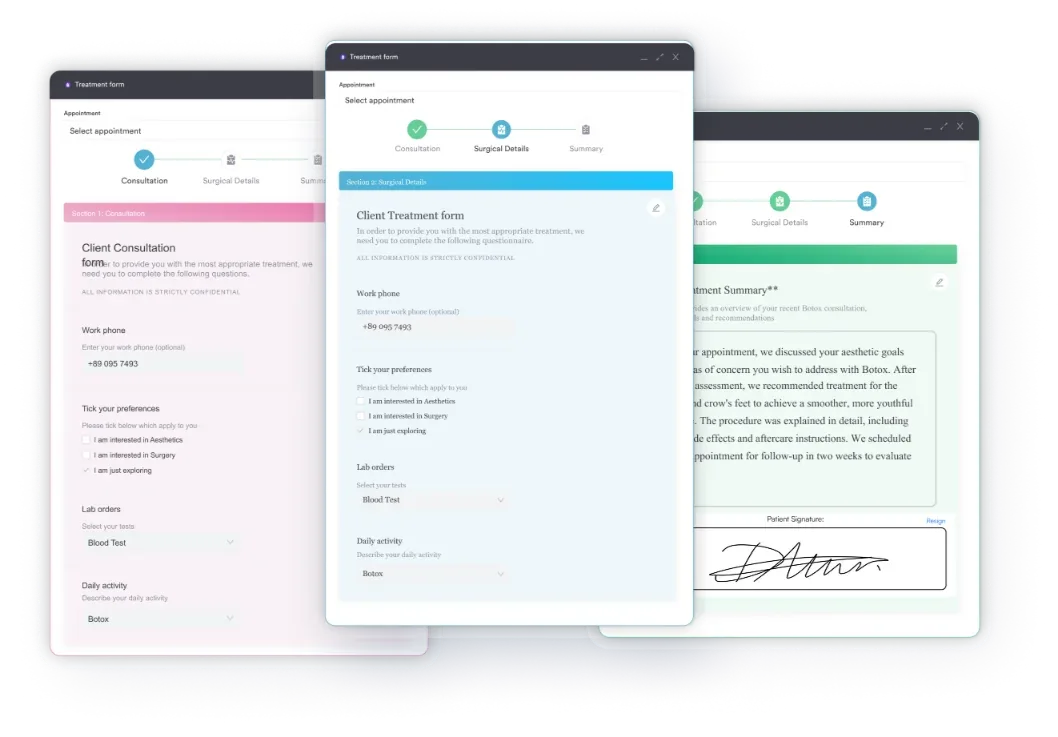
Once totals are calculated, compare each subscale score to the severity rating table below. Cutoff scores classify results from Normal to Extremely Severe, guiding clinical decision-making about referral thresholds and treatment intensity.
These cutoff ranges are normative guidelines, not absolute clinical thresholds. A “Severe” result indicates elevated symptom levels warranting closer monitoring or escalation. It does not constitute a diagnosis. Always integrate results with clinical interview findings and the patient’s self-reported functional impact.
Telehealth tools make it easy to review this resource with clients face to face online.
Interpreting the DASS-21 requires understanding both the numerical severity bands and the clinical context. Use the results to guide documentation, treatment planning, and follow-up frequency.
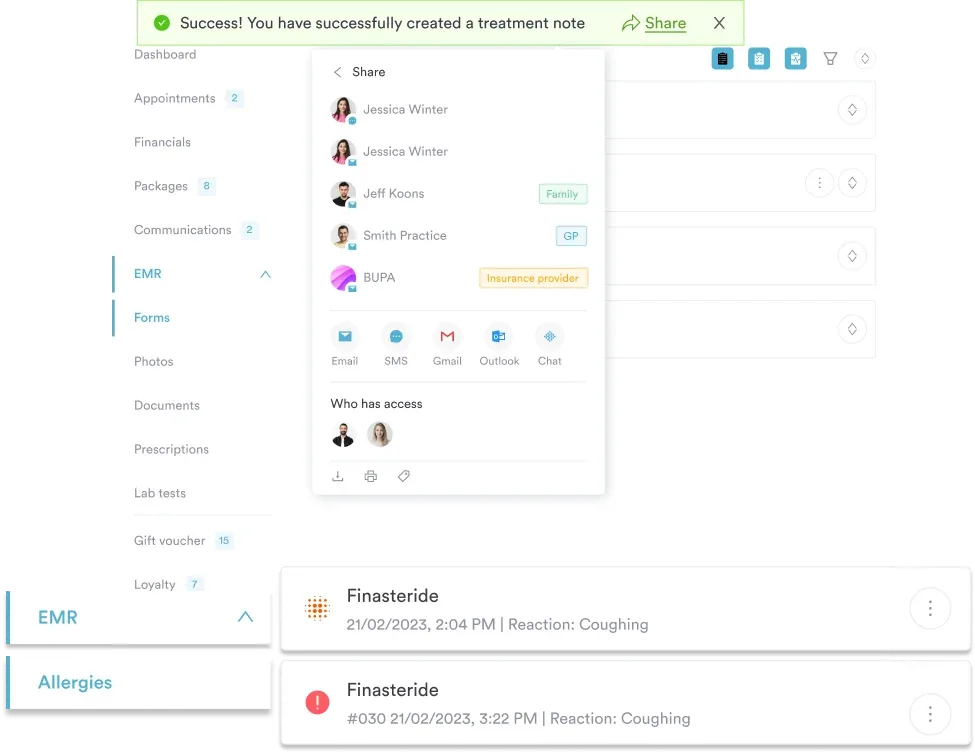
A single result is a snapshot. Serial administrations at treatment initiation, midpoint, and close reveal whether interventions are working. Comparing DASS-21 scores over time helps quantify patient progress and adjust treatment intensity objectively.
When stress and anxiety scores stay elevated across administrations, skills-based homework often becomes the next step. A DBT therapy worksheet supports distress tolerance and emotion regulation practice between appointments.
For patients in the mild-to-moderate range.
The DASS-21 has strong psychometric credentials. Peer-reviewed validation studies report strong internal consistency, with Cronbach’s alpha typically in the 0.80s to low 0.90s across the three subscales, indicating each subscale reliably measures its intended construct.
Test-retest reliability is robust. Scores remain stable across administrations when clinical state does not change. The scale has been validated across general adult populations, chronic pain patients, cardiac patients, and diverse cultural groups, making it suitable for community mental health, private practice, and research contexts.
Integrating the DASS-21 into routine mental health practice improves outcome tracking and standardizes assessment.
When patients complete the DASS-21 via a digital form before their appointment, results auto-populate into the clinical record, saving clinician time and reducing manual data entry errors.
Practice management software like Pabau can automate repeated administrations, send pre-visit reminders, and generate progress charts automatically.
Paper-based DASS-21 forms require manual scoring and transcription into notes. Digital administration eliminates both steps. Patient management software can embed the DASS-21 as a conditional digital form, triggered automatically at intake or scheduled visits.
Clinicians then see a scored result in the patient record at a glance, reducing cognitive load during the consultation. When HIPAA-compliant systems store scores, they become part of the permanent clinical audit trail and contribute to outcome reports that satisfy accreditation and quality improvement mandates.

Embed the DASS-21 and other validated screening tools directly into patient intake workflows with automatic scoring and clinical documentation.

The DASS-21 is a brief, validated, and freely available screening tool that fits easily into mental health practice. Scoring takes minutes, interpretation is straightforward, and results directly guide treatment planning and progress tracking.
Digital practice management systems can automate administration, scoring, and documentation, freeing clinicians to focus on patients rather than paperwork. Book a demo and see how Pabau’s intake forms integrate mental health screening tools to support evidence-based care.

Looking for a grounding exercise between sessions? Mindfulness walk worksheet gives patients a structured way to practice present-moment awareness outside the therapy room.
Want a low-effort homework option for anxious patients? Gratitude tree worksheet builds a simple, visual gratitude practice that supports emotional regulation between DASS-21 check-ins.
Screening for sleep or circadian rhythm issues too? MEQ test measures chronotype, a client’s natural tendency toward morning or evening alertness.
The DASS-21 screens for the severity of depression, anxiety, and stress symptoms. It is used at intake to establish a baseline, monitor treatment progress, and determine if referral or escalation of care is needed.
Sum the seven items assigned to each subscale (Depression, Anxiety, Stress), then multiply each subscale total by 2 to align with DASS-42 norms. Final scores per subscale range from 0-42.
Depression: Normal 0–9, Mild 10–13, Moderate 14–20, Severe 21–27, Extremely Severe 28+. Anxiety: Normal 0–7, Mild 8–9, Moderate 10–14, Severe 15–19, Extremely Severe 20+. Stress: Normal 0–14, Mild 15–18, Moderate 19–25, Severe 26–33, Extremely Severe 34+.
Yes. The DASS-21 is freely available for clinical and research use under University of New South Wales licensing. No license fee is required.
The DASS-21 contains 21 items (7 per subscale). The DASS-42 contains 42 items (14 per subscale). Both measure the same three constructs. DASS-21 scores are multiplied by 2 to match DASS-42 norms, making them directly comparable.
The DASS-21 has strong internal consistency, with Cronbach’s alpha typically in the 0.80s to low 0.90s across subscales, and robust test-retest reliability. It is validated across general population and clinical samples, including chronic pain, cardiac, and mental health populations.