GLP-1 diet plan
A GLP-1 diet plan is a structured eating framework for patients taking semagluti...

2
Last Updated: Oct 13, 2026

Blood thinners fall into two classes. Anticoagulants such as warfarin, DOACs and heparin block clot formation, while antiplatelets such as aspirin and clopidogrel stop platelets clumping.
Warfarin needs regular INR testing. The four DOACs (apixaban, rivaroxaban, dabigatran and edoxaban) need no routine blood monitoring.
Interactions are common. NSAIDs raise bleeding risk, vitamin K-rich foods reduce warfarin’s effect, and over-the-counter supplements can alter anticoagulation.
DOACs are typically held 1-2 days before a low or moderate bleeding-risk procedure. High bleeding risk or renal impairment pushes that to 2-4 days.
Practice management software like Pabau captures blood thinner use on the intake form, so your team can flag it before treatment.
A ready-to-use table covering drug name, strength, route and frequency through to monitoring requirements and review dates. Download it as a PDF, adapt the fields to your own practice, and use it to keep documentation complete and comparable at review.
Download templateBlood thinners come in two classes: Anticoagulants and antiplatelets.
Which class a patient takes decides what monitoring you should see in their record, and how a procedure gets planned around it.
The list below names the common drugs by generic and brand name, with monitoring requirements and typical pre-procedure hold windows. You can download the same structure as a PDF and drop it straight into your own pre-treatment checks.

Blood thinners are medicines that stop clots forming or growing. They do it in two different ways. Anticoagulants interrupt the coagulation cascade, the chain of reactions that builds a clot. Antiplatelets stop platelets sticking to one another.
For a practice, knowing which blood thinner a patient takes changes what happens next. Plenty of aesthetic and surgical procedures carry bleeding risk. A patient arriving for filler while on warfarin or apixaban changes consent, preparation and aftercare instructions. A structured list keeps that check identical for every patient, whoever is on reception that day.
Anticoagulants stop clot formation by interfering with the coagulation cascade. There are three groups: warfarin, direct oral anticoagulants (DOACs), and injected agents.
Warfarin requires regular INR testing. The four DOACs do not. That single difference is what makes DOACs easier to manage outside a hospital. Injectable anticoagulants such as heparin and enoxaparin stay in hospital settings and acute thrombosis care.
Antiplatelets work on a different part of the problem. They stop platelets clumping together, so they reduce clot risk through platelet inhibition rather than cascade interference. The common ones are aspirin, clopidogrel, ticagrelor and prasugrel.
One clinical point is worth spelling out. Aspirin is an antiplatelet agent, not an anticoagulant. Patients conflate the two, and so do some clinicians. Aspirin does not prevent deep vein thrombosis or pulmonary embolism the way an anticoagulant does.
The class the patient is on decides the shape of the answer. Warfarin patients need a recent INR value and an instruction from the prescriber. DOAC patients are usually held for a short, fairly predictable window. Antiplatelet patients depend on why the drug was prescribed in the first place.
The panel below puts the three classes side by side, so you can see which question to ask before the appointment.
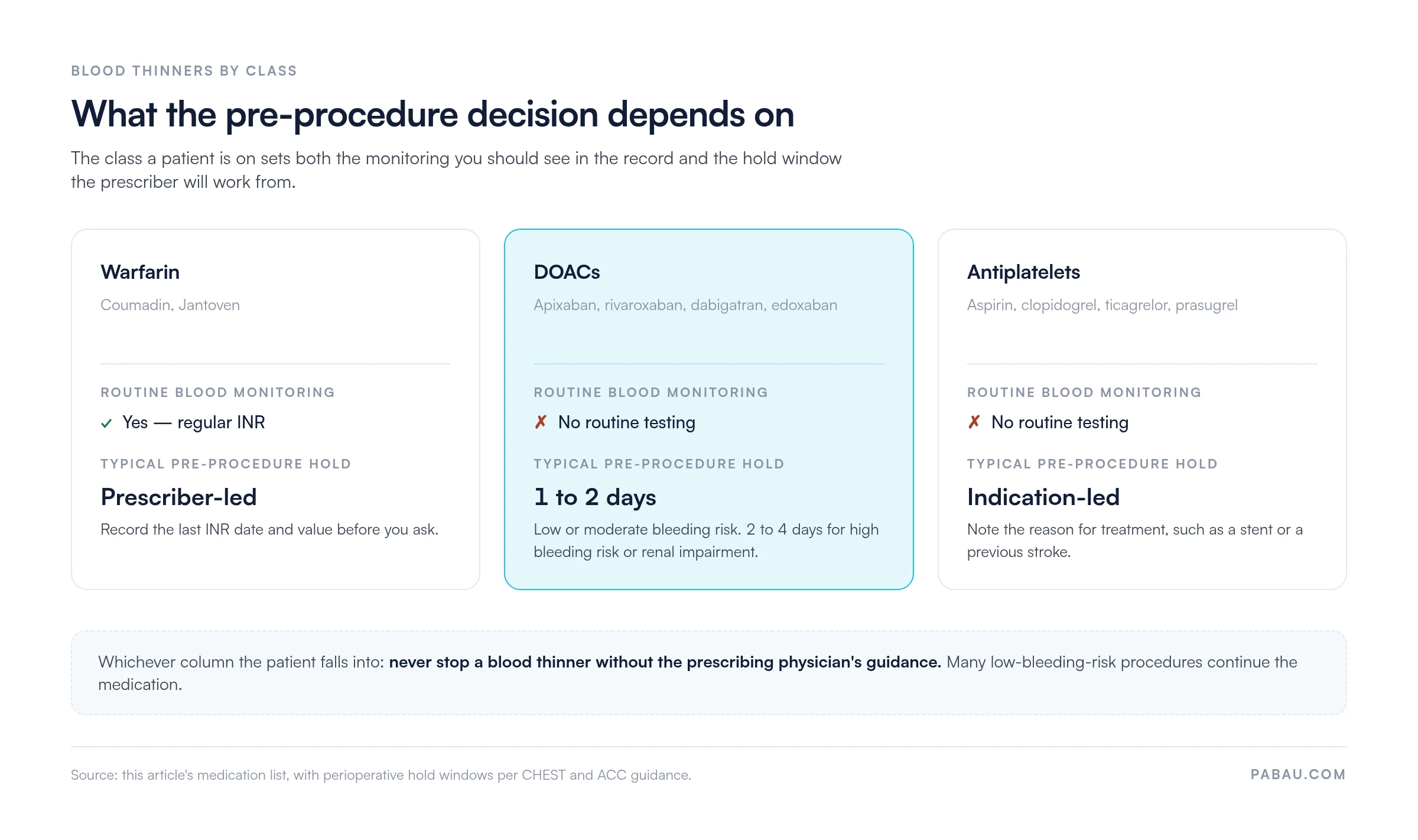
Those windows are a starting point for the conversation with the prescriber, not a decision your practice makes on its own. Record the answer you are given, along with who gave it and when, so the treating clinician is not working from memory on the day.
The main side effect of every blood thinner is bleeding. Patients on anticoagulants have a 1% to 3% annual major bleeding rate. Minor bleeding is common, including nosebleeds, bleeding gums and easy bruising.
Other side effects vary by drug class. Warfarin can cause skin necrosis, though rarely. DOACs are generally well tolerated but carry a dyspepsia risk, most often with dabigatran. Heparin carries a small risk of heparin-induced thrombocytopenia, known as HIT.
For a practice, the work sits in safer patient intake forms and in flagging the answer before any procedure. Ask the question explicitly rather than leaving a blank field: “Are you taking any blood thinners?” Include over-the-counter options in the prompt.
If a patient bleeds more than expected, write it up while the detail is fresh. An adverse reaction form keeps that account consistent across the team and gives the prescriber something usable at the next review.
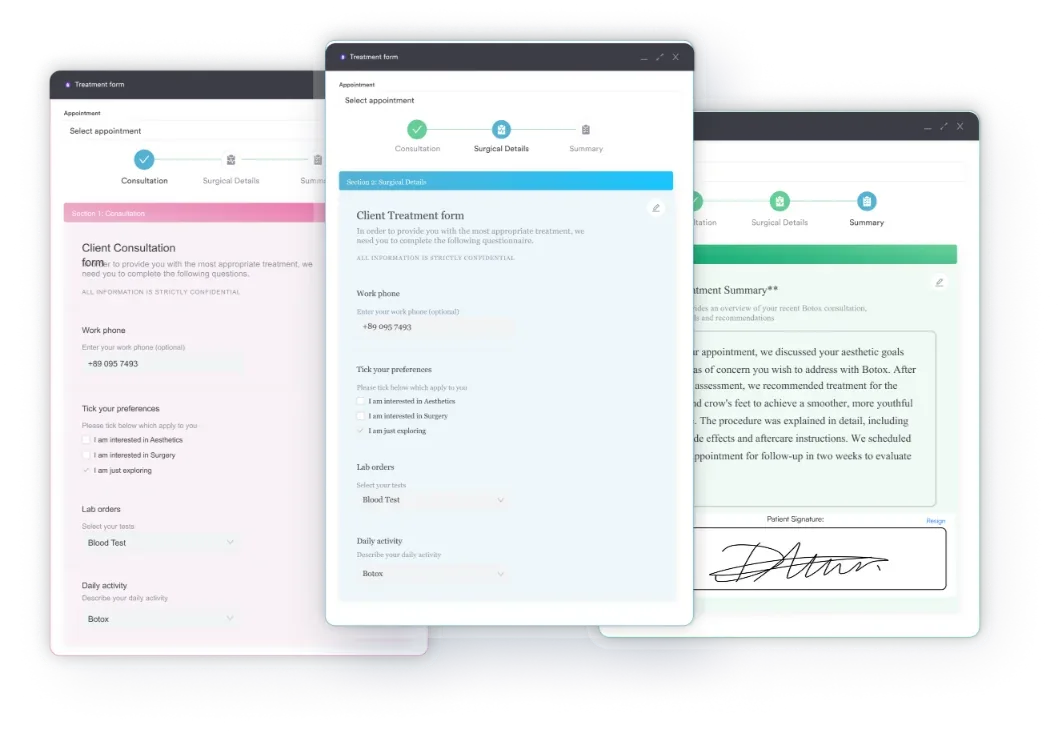
Interactions are a genuine safety concern with this drug group. NSAIDs such as ibuprofen and naproxen raise bleeding risk sharply when combined with an anticoagulant. Patients managing rheumatoid arthritis take NSAIDs regularly, and an RA medication list sorts those drugs by class alongside DMARDs, biologics and steroids. Even a common cold remedy can interact.
Patients often do not realize that supplements and pain relievers bought off the shelf interact with their blood thinners. A good intake form asks about three categories, not one: prescription drugs, over-the-counter medicines, and herbal supplements. Holding those answers in patient medication records means the next clinician sees them without asking again.
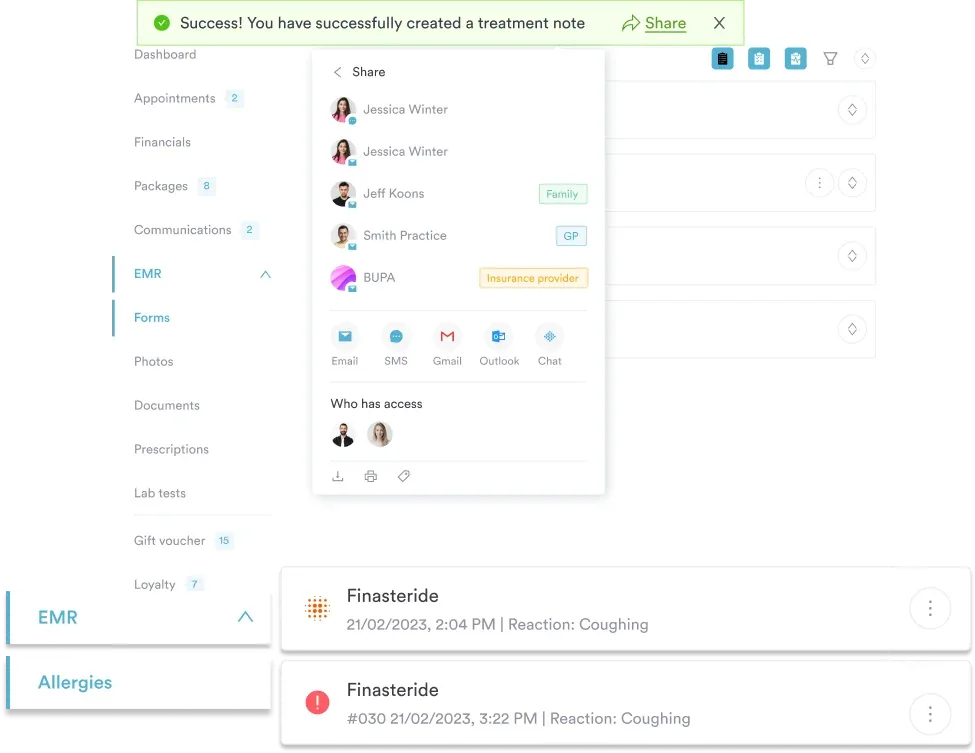
Aspirin is the most common over-the-counter blood thinner. Plenty of patients take it for cardiovascular prevention without ever telling a clinician. NSAIDs such as ibuprofen have a mild antiplatelet effect too, which adds to bleeding risk alongside a prescribed anticoagulant.
Say it plainly to patients. Aspirin does not replace a prescribed anticoagulant, and NSAIDs need clearance from their physician first. A pre-visit message asking for the full medication list, including tablets bought off the shelf, catches most of what an intake form alone misses.
The PDF is structured for pharmacists, nurses and front-desk staff. Five steps put it to work:
Done consistently, this leaves you with a medication history that holds up at audit and at the next appointment. Use the same pass to check whether a drug on the list has since been recalled. A medication recall checklist sets out what to do when one has.
In many practices the medication answer sits in three places at once. There is a paper intake form in a folder and a note somebody typed into the booking system. Then there is what the patient said out loud last visit. Before a procedure, someone has to reconcile all three.
Practice management software like Pabau keeps one record instead. The patient completes the intake form before they arrive, so the drug, the dose and the prescriber land straight in their chart. Allergies and previous reactions sit beside that entry, visible to whoever runs the appointment.
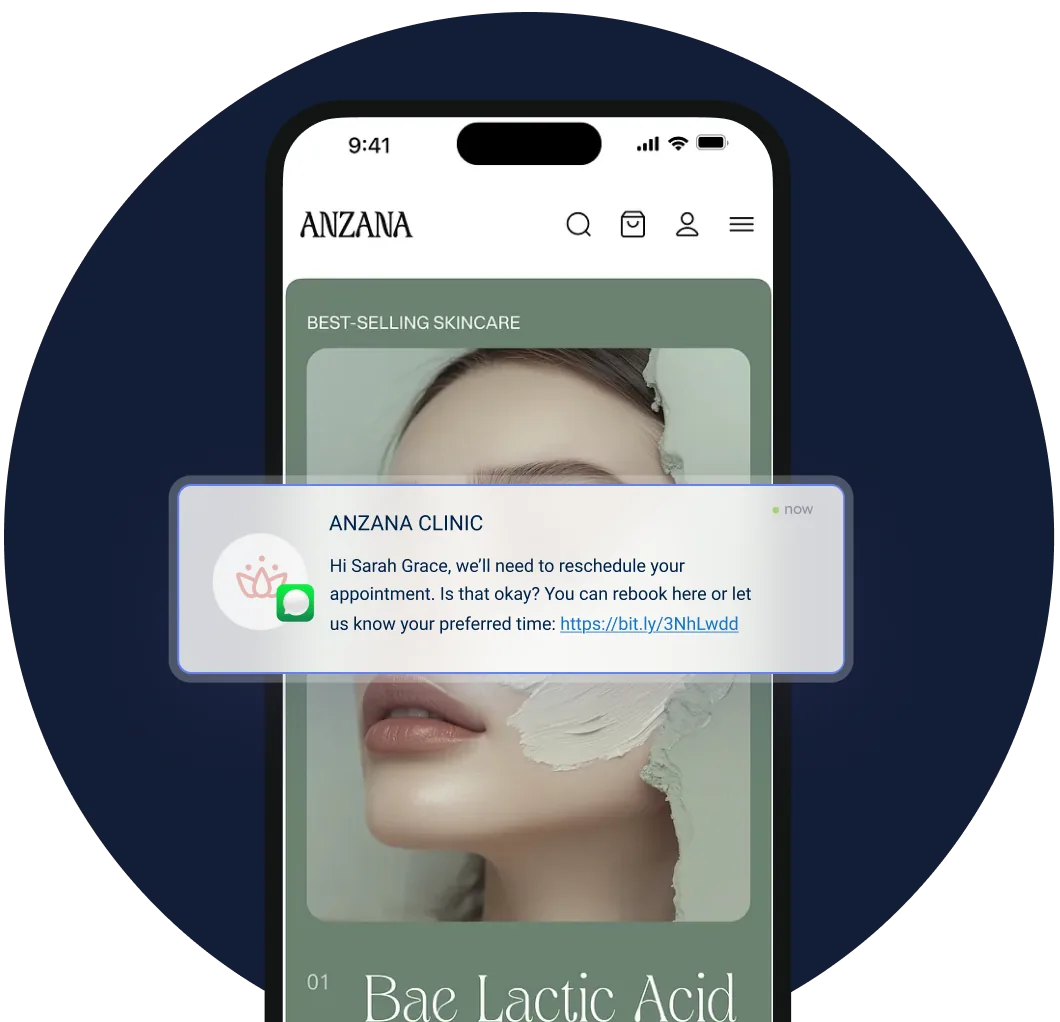
Automated workflow alerts can pick up an anticoagulant answer at booking and route a reminder to clinical staff. The pre-procedure conversation then happens days before the patient is in the chair. Your team starts the appointment already knowing what it is planning around.

Capture blood thinner use at intake, flag interactions in the chart, and build pre-treatment checks your whole team follows.

The list is the easy part. The harder part is asking the same questions at every appointment, and putting the answers somewhere the next clinician will actually look.
Download the PDF, then decide where it lives. Printed at reception, it works as a reference. Built into the patient record, it becomes part of the pre-treatment check itself. One rule holds either way. The prescriber decides whether a blood thinner pauses, and your practice documents that decision.
Book a demo to see how Pabau captures blood thinner use at intake and flags it before treatment.

Need to track doses across the day? Medication schedule gives you a timed grid for patients taking several drugs at once.
Want the drug detail on one page? Drug card sets out mechanism, dose, contraindications and monitoring for a single medication.
Preparing a patient for surgery? Administrative requirements for surgery lists the paperwork and checks to complete before the date.
Moving these records off paper? Clinical documentation software explains what to look for when notes, forms and medication history live in one system.
Anticoagulants interrupt the clotting cascade, which is the body’s chemical process for forming clots. Warfarin, DOACs such as apixaban and rivaroxaban, and heparin are anticoagulants. Antiplatelets stop platelets sticking together, and aspirin and clopidogrel are the common examples. The two groups work differently and carry different monitoring requirements.
No. Warfarin requires regular INR testing to confirm the therapeutic effect and prevent over-thinning. The four DOACs (apixaban, rivaroxaban, dabigatran and edoxaban) need no routine blood monitoring, which makes them easier to manage outside a hospital.
Not routinely. Combining aspirin with an anticoagulant raises bleeding risk significantly. It is generally avoided unless the patient’s physician has prescribed it for a specific high-risk condition. Where a patient is on both, document the combination and the approval behind it.
Consult your pre-procedure protocol and contact the patient’s prescribing physician. Some procedures require a temporary hold. DOACs are typically held 1-2 days before low/moderate-bleeding-risk procedures, and up to 2-4 days for high-bleeding-risk procedures or renal impairment. Low-bleeding-risk procedures often continue the medication. Never stop a patient’s blood thinner without physician guidance.
Aspirin is an antiplatelet agent rather than an anticoagulant. It stops platelets clumping but does not affect the coagulation cascade. That means it cannot prevent deep vein thrombosis or pulmonary embolism the way an anticoagulant does, though it is still used for cardiovascular prevention.