



CCSD code G5100: Bypass of duodenum billing guide
CCSD code G5100 bills a bypass that leaves the duodenum in place CCSD code G5100...

Last Updated: Oct 16, 2026

CPT code 21602 describes excision of a chest wall tumor involving rib(s), with plastic reconstruction, without mediastinal lymphadenectomy.
Reconstruction is what separates 21602 from sibling code 21601, and lymphadenectomy status separates it from 21603.
A paired ICD-10-CM diagnosis code is required on the claim. Pairing the wrong one is a common audit trigger.
CPT 21602 is a facility code with a 90-day global period, so routine post-operative visits are already paid for.
Claims management software like Pabau validates every claim before it is sent, so missing details surface early.
CPT code 21602 describes the excision of a chest wall tumor involving rib(s), with plastic reconstruction, without mediastinal lymphadenectomy.
It sits in the Excision Procedures on the Neck (Soft Tissues) and Thorax subsection, which runs from 21550 to 21630. That subsection belongs to the musculoskeletal section of the American Medical Association’s CPT code set.
Three components define this code precisely. The tumor has to involve rib bone rather than soft tissue alone, and the resection has to be followed by chest wall reconstruction.
No mediastinal lymph node dissection can be performed in the same session. Each component is a billing decision point, and missing one in documentation shifts the claim to a sibling code.
This procedure is a full-thickness resection of the chest wall where a tumor has invaded rib bone. Surgeons remove the affected rib segment along with any involved soft tissue. They then close the defect using mesh, flap repair, or prosthetic material. Plastic surgery practices and thoracic teams need documentation that names each component to support the code. Claim scrubbing catches the mismatches that would otherwise come back as a denial two weeks later. Out-of-network practices hand reimbursement to the patient, and the superbill format is what makes that possible.
Clinical indications fall into three groups. Primary chest wall malignancies such as sarcomas and chondrosarcomas qualify, as do secondary malignancies invading from adjacent structures.
Benign tumors qualify when their size or structural involvement forces a rib resection. “Without mediastinal lymphadenectomy” means no node dissection of the mediastinal compartment happened in the same session.
Miscoding between 21601, 21602, and 21603 is one of the most common errors in thoracic surgery billing. All three share the same base procedure, chest wall tumor excision involving rib.
They differ on two binary factors, reconstruction and mediastinal lymphadenectomy. Getting either one wrong means billing for a procedure that wasn’t performed.
The operative report must document reconstruction explicitly. A surgeon may close the defect with mesh or a flap and never write the words “plastic reconstruction.” That leaves billers with an ambiguous record, and an ambiguous record usually defaults to 21601. A note review before claim submission catches the pattern reliably.
CPT code 21602 requires a paired ICD-10-CM diagnosis code to establish medical necessity. Payers cross-reference the diagnosis against the procedure at adjudication; a mismatch triggers automatic denial.
Use the AAPC CPT-to-ICD-10 crosswalk to verify pairing coverage for your specific payer’s LCD. The table below lists the most commonly paired diagnosis codes.
Clinical documentation must support the ICD-10-CM code chosen. Pathology reports, imaging findings, and the surgeon’s assessment of malignant versus benign nature belong in the notes.
Auditors look for consistency between the diagnosis code and the clinical record. The same discipline applies in dermatology practices billing soft tissue excisions.
Reimbursement for CPT code 21602 comes from the CMS Medicare Physician Fee Schedule (MPFS). Two variables drive the number. One is place of service, facility versus non-facility. The other is your Geographic Practice Cost Index (GPCI) locality. Verify current figures in the live MPFS lookup before billing.
CPT code 21602 is almost exclusively performed in a facility setting. Billing a non-facility place-of-service code (POS 11) for major reconstruction will almost certainly trigger a denial. Use POS 21 (inpatient hospital), POS 22 (outpatient hospital), or POS 24 (ASC) as appropriate.
The code also carries a 90-day global period, which changes what you can bill afterwards. Routine post-operative visits inside that window are already paid for in the surgical fee. Billing them as separate office visits produces duplicate-service denials. Only care unrelated to the surgery is separately billable, with the appropriate modifier.
Verify CPT code 21602 reimbursement rates for your specific MAC locality using the CMS MPFS lookup before submitting claims. National averages can differ from your local GPCI-adjusted rate by 15-20%. Rates are updated annually. Bookmark the CMS fee schedule tool and run a verification each January.
Relative Value Units (RVUs) determine how Medicare calculates payment. Three components apply here: work (wRVU), practice expense (PE RVU), and malpractice (MP RVU). Each is multiplied by its GPCI value, then by the annual conversion factor. Use the FastRVU 2026 lookup tool for current values in your locality.
The payment formula is (wRVU x Work GPCI) + (PE RVU x PE GPCI) + (MP RVU x MP GPCI), multiplied by the conversion factor. CMS publishes that factor in the final MPFS rule, released each November for the following year. Because 21602 carries significant wRVU weight, small GPCI differences produce meaningful payment variation between localities.
Appending the correct modifier signals the billing context to payers and prevents automatic bundling denials. The table below lists modifiers applicable to CPT code 21602, based on standard NCCI and AMA modifier guidance. Always verify modifier applicability against your specific payer’s policies before submission.
NCCI bundling edits may combine 21602 with certain reconstruction or closure codes billed on the same claim. Before adding secondary codes, check the NCCI edit table for 21602 to confirm whether the combination requires a modifier or is a hard edit. Submitting unbundled codes without a valid modifier is a common audit finding for thoracic surgery claims.
Billing CPT code 21602 successfully depends on the documentation elements lining up across the operative report, clinical record, and claim. Missing one element produces a preventable denial. For thoracic surgery billing, claims management software checks those elements before a claim goes out, which manual review often skips.
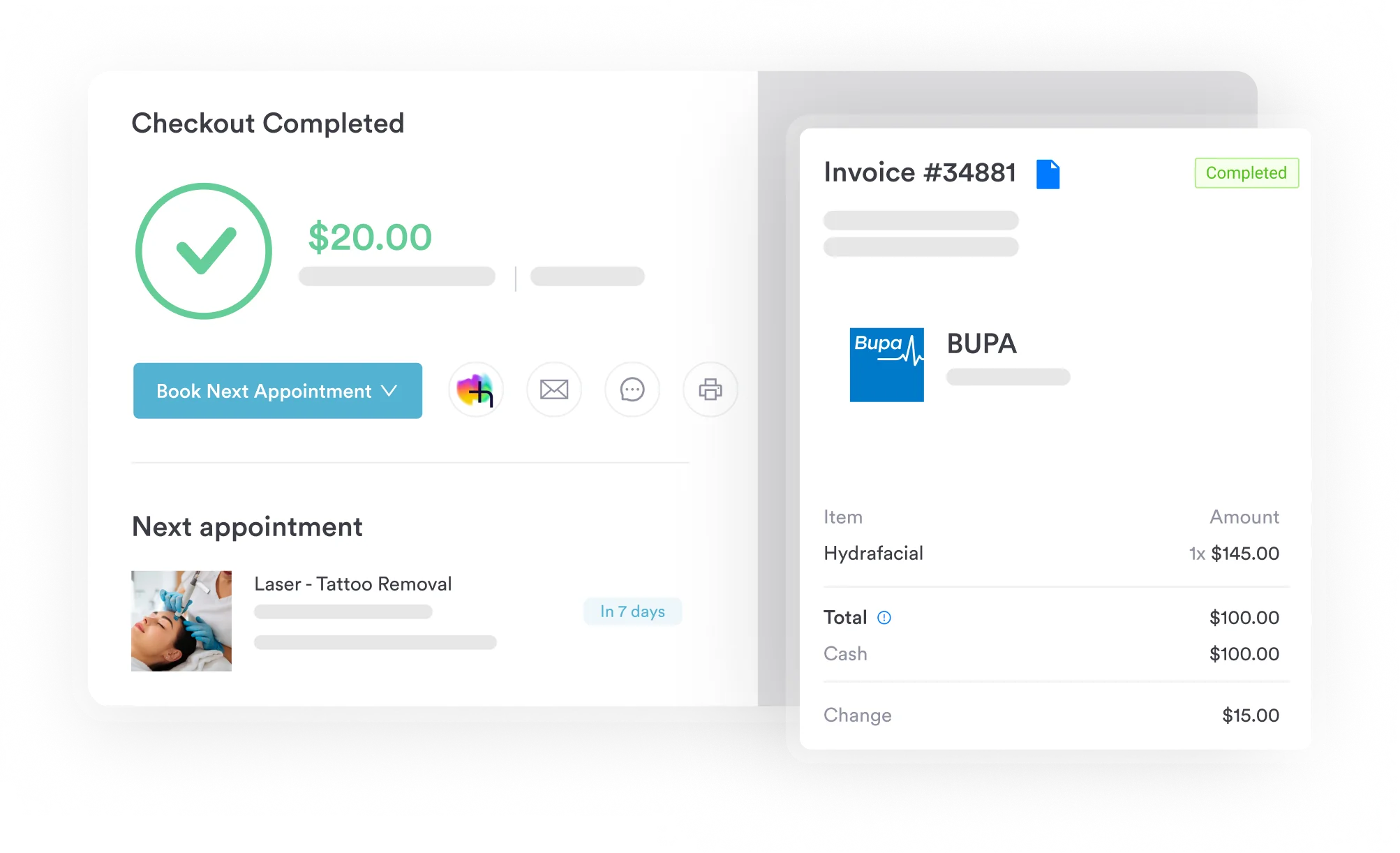
For HIPAA-compliant documentation, store every operative report, pathology result, and pre-authorization record in the patient’s file before submission. Payers routinely request supporting documentation for surgical codes in the 21000-21999 range. Running eligibility verification before the procedure date confirms the plan is active and the benefit applies.
Denial appeals for 21602 often hinge on reconstruction documentation. Say a claim comes back as “procedure not medically necessary” or “insufficient documentation.” Check first whether the operative note names the reconstruction technique and states the rib involvement.
Digital clinical forms with a structured field for reconstruction type settle that question at the point of care.
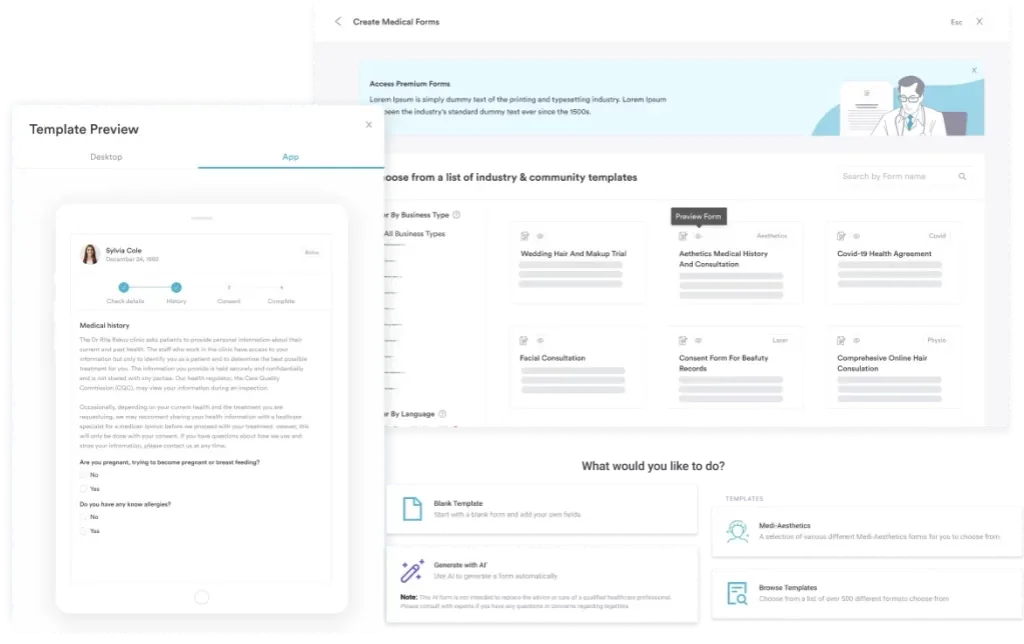
A documentation checklist built into the pre-operative form captures every required billing element before the patient reaches the OR. That costs far less than rebuilding the record weeks later for an appeal.
Compliance management tools keep those records auditable, and a clear view of the revenue cycle shows where high-value surgical claims stall.
Thoracic surgery billing teams run into the same failure repeatedly. The surgeon documents a complex reconstruction, but the note uses language that doesn’t map cleanly to the 21602 criteria. By the time billing spots the ambiguity, the surgeon has moved on and the claim is already late.
Practice management software like Pabau closes that loop earlier. Its automated workflows keep the operative note, the insurer details, and the invoice in one record. Pabau then runs validation checks when you send a claim, and the send stays blocked until the details an insurer needs are present.
Practices running reconstructive cases alongside thoracic surgery can compare the options in our guide to plastic surgery software. Three things matter for complex surgical billing.
You need claim validation, one place to see claim status, and documentation that lives with the patient record. Our rundown of practice management features covers the rest.
A unified record across clinical form types also removes the transcription step where billing errors start. The pre-operative consent, the operative note, and the pathology report sit in the same patient record that feeds the claim.
When a denial does land, denial management practice decides how fast you fix it, and timely filing limits decide whether you still can.

Pabau keeps the operative note, insurer details, and invoice in one record, then validates each claim before it goes out. Every claim’s status sits in a single dashboard, so nothing stalls unnoticed.

CPT code 21602 turns on two variables that have to be right at the same time: reconstruction, and the absence of mediastinal lymphadenectomy. One wrong assumption sends the claim to 21601 or 21603, at a different payment level and with different documentation expectations.
So the work sits upstream of billing, in the words the surgeon writes. A note that names the reconstruction technique and the rib involvement makes the code obvious to whoever reads it later. That is worth more than any appeal you can file.
Want the claim checked before it leaves your practice? Book a demo to see how Pabau validates surgical claims and keeps every status in one view.

Coding a tibia fracture that is healing normally? Tibial shaft fracture healing code marks routine healing for an open comminuted tibial shaft fracture at follow-up.
Working through repeat surgical denials? Denial codes in medical billing lists the top 20 CARC codes and includes a free PDF cheat sheet.
Need the tissue diagnosis before you code? CPT code 32408 covers billing for a core needle biopsy of the lung or mediastinum.
Submitting claims electronically? Medical claims clearinghouse explains what a clearinghouse does and what it checks before your claim reaches the payer.
Reconciling payments after a claim is paid? Electronic remittance advice shows how to read an ERA and post it against the right invoice.
CPT code 21602 is a surgical procedure code describing excision of a chest wall tumor involving rib(s), with plastic reconstruction, without mediastinal lymphadenectomy. It applies when the tumor requires rib resection and the defect requires chest wall reconstruction. No mediastinal lymph node dissection can have been performed in the same session.
CPT 21601 covers excision of a chest wall tumor involving rib(s) without plastic reconstruction, while CPT 21602 adds plastic reconstruction of the chest wall defect. Both codes exclude mediastinal lymphadenectomy. Use 21601 when the defect closes primarily. Use 21602 when mesh, flap, or prosthetic reconstruction is required.
Commonly paired ICD-10-CM codes include C41.3 for malignant neoplasm of ribs, sternum and clavicle, and C49.3 for connective tissue of thorax. D16.7 covers benign neoplasm of ribs, while C78.1 and C79.89 cover secondary disease. The correct code depends on pathology confirmation and the clinical record. Incorrect pairing is a top audit trigger.
CPT code 21602 is billed in a facility setting (POS 21, 22, or 24) in virtually all cases. Chest wall tumor excision with rib resection and reconstruction does not belong in an office setting. Billing POS 11 triggers denial at most payers.
Applicable modifiers include -22 for increased procedural services, -51 for multiple procedures in the same session, and -62 for co-surgery. Modifier -80 covers an assistant surgeon. Verify each one against NCCI edits and your payer’s policy before submission.
The operative note must document rib involvement rather than proximity, name the reconstruction technique, and confirm that no mediastinal lymphadenectomy was performed. The claim needs the matching ICD-10-CM diagnosis code and a facility place-of-service code. Most commercial payers also require pre-authorization before the procedure date.
CPT 21602 carries a 90-day global period. Routine post-operative care inside those 90 days is included in the surgical payment. Only care unrelated to the surgery is separately billable, with the appropriate modifier.



