ICD-10 code S61.201A: Open wound of left index finger without nail damage
ICD-10 code S61.201A covers a left index finger wound of unstated type ICD-10 co...

Last Updated: Oct 16, 2026
Billable Code Specific Code
V58.5XXD is the billable ICD-10-CM code for driver of pick-up truck or van injured in noncollision transport accident in traffic accident, subsequent encounter.
Most coders who search for it want Z79.52, long term (current) use of systemic steroids. The mix-up has a clear origin. ICD-9-CM used V58.65 for long-term steroid use, and that code retired for dates of service on or after October 1, 2015.
Let Pabau's smart automation suggest the right codes, reduce claim denials, and keep your practice compliant—effortlessly.
Automate repetitive tasks and focus on what matters most—your patients.
Reduce coding errors and ensure compliance with the latest regulations.
Clean claims, fewer denials, and faster reimbursements.
Powerful insights and reporting to help your practice thrive.
HIPAA compliant SOC 2 certified GDPR-compliant Trusted by 4,000+ clinics worldwide

Z79.52 is the current ICD-10-CM code for long term (current) use of systemic steroids, and it takes no 7th character.
V58.5XXD is not a steroid code. It reports a pick-up truck or van driver injured in a noncollision traffic accident.
ICD-9-CM code V58.65 covered long-term steroid use until October 1, 2015. Z79.52 is what replaced it.
Report Z79.51 instead when the patient uses inhaled corticosteroids only, and sequence the treated condition ahead of either code.
Practice management software like Pabau submits the claim your coders have built, tracks its status, and records the payment received.
Z79.52 tells the payer that a patient is on ongoing systemic steroid therapy. It sits in Chapter 21 of ICD-10-CM, which covers factors influencing health status and contact with health services. Inside that chapter it belongs to category Z79, long term (current) drug therapy, and to subcategory Z79.5 for steroids.
The code is complete at five characters. It is billable as written, carries no laterality, and takes no 7th character extension. It is also exempt from present on admission reporting for inpatient stays at general acute care hospitals.
Z79.52 has been in the code set since ICD-10-CM took effect on October 1, 2015. It remains valid for dates of service through September 30, 2026 under the FY2026 tabular list published in the CMS ICD-10-CM code set.
Category Z79 carries three instructions worth knowing. It includes long-term drug use for prophylactic purposes. It tells you to code also any therapeutic drug level monitoring with Z51.81. Its Excludes2 note separates drug abuse and dependence, F11 to F19, and drug use complicating pregnancy, childbirth, and the puerperium, O99.32.
V58.5XXD is a valid ICD-10-CM code, and it has nothing to do with medication. It reports a driver of a pick-up truck or van injured in a noncollision transport accident in traffic, at a subsequent encounter.
It lives in Chapter 20, external causes of morbidity, inside block V50 to V59. The category V58 covers occupants of a pick-up truck or van injured in a noncollision transport accident. Neighboring transport codes such as such as V69.40XD follow the same pattern. ICD-10-CM has no V58 aftercare block at all.
That is why no steroid variants exist. The A, D, and S characters on V58.5 mark the episode of care for a transport injury. There is no V58.5XXA or V58.5XXS for steroid therapy, because the base code is not a drug therapy code.
The 7th character system is genuine, but it belongs to injuries, external causes, and certain fracture and aftercare codes. Fracture codes such as S72.414P carry one, and sequela codes such as S61.314S do too. Z79.52 never does.
Pick between Z79.52 and Z79.51 on how the steroid enters the body, not on how long the patient has taken it. Systemic therapy goes to Z79.52. Inhaled therapy goes to Z79.51.
Topical and intranasal steroids have no dedicated code in subcategory Z79.5. When a provider documents long-term use of either, coders commonly report Z79.899, other long term (current) drug therapy. Practices using dermatology EMR software hit this decision often with chronic high-potency topical regimens.
The ICD-10-CM Official Guidelines set intent, not a day count. Report a Z79 code when the drug is given for an extended period. That covers prophylaxis, treatment of a chronic condition, and any disease needing a long course of therapy.
Do not report a Z79 code when the medication treats an acute illness or injury for a brief period. The classic example is a short course of antibiotics for acute bronchitis. A short steroid burst falls in the same bucket.
Long courses also depend on the patient sticking with therapy, so patient compliance tracking is worth building into follow-up visits. A note that records the current dose at each review keeps the code defensible over time.
Flag any encounter where a systemic corticosteroid sits in the medication list with no duration or intent in the note. Query the provider before you assign Z79.52. Payers audit long-term drug therapy codes because that one detail is so often missing.
Z79.52 is a status code, so it supports the visit rather than explaining it. Sequence the condition the steroid treats first, then add Z79.52 as an additional code. A claim carrying Z79.52 alone gives the payer nothing to judge medical necessity against, so claim scrubbing should catch it before submission.
Sequencing shifts when the visit exists because of a steroid complication. If the patient presents for new steroid-induced hyperglycemia, that condition leads the claim. The treated condition and Z79.52 then follow as additional codes. Practices using metabolic health EMR software meet that order often, because glucose changes surface early on steroids.
Z79.52 matters most on one specific claim. That claim is the bone density scan, usually billed with 77080. Medicare covers bone mass measurement for defined qualifying individuals, and long-term glucocorticoid therapy is one of those categories.
Under 42 CFR 410.31, one qualifying category is glucocorticoid therapy. The beneficiary must be receiving, or expecting to receive, at least 5.0 mg of prednisone equivalent per day, for more than three months. The general frequency limit is one measurement every 24 months, with more frequent testing where it is medically necessary.
Z79.52 is how that fact reaches the claim, alongside the condition being treated. The code alone does not prove the criterion, though. Dose and expected duration have to appear in the note, and your MAC’s policy lists the diagnosis codes it accepts. Screening encounters carry Z13.820 as well, with Z79.52 showing why the patient qualifies.
Z79.52 rarely travels alone. Payers expect the underlying condition, and steroid complications each carry their own code. Drug-induced osteoporosis is one of them, reported with M81.8 when no fracture is present. The AAPC ICD-10-CM code lookup is useful for confirming a combination before you submit.
One pairing deserves a second look. Z79.52 records ongoing therapy, while T38.0X5- records harm from that therapy. A patient can need both on the same claim, because continuing the steroid and treating its side effect are separate facts.
A code is only as defensible as the note behind it. For sound medical billing compliance, any encounter coded with Z79.52 should capture these five elements.
Structured digital intake forms make those details easy to find later. Give the medication name, route, dose, and duration their own fields. Coders then stop hunting through free text, and stop querying the provider for basics.
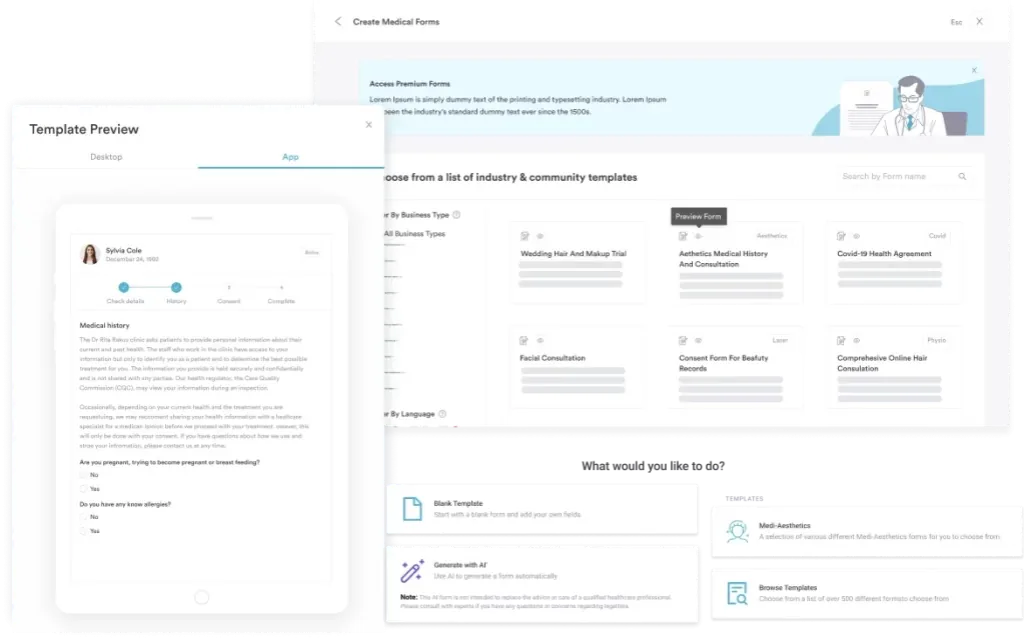
Audit findings on long-term steroid coding cluster around the same handful of mistakes. Most of them trace back to retired ICD-9-CM habits, and each one adds work to denial management. Treat them as training patterns rather than one-off slips.
Search your code library and note macros for V58.65 and V58.5XX once a quarter. Retired ICD-9-CM entries are how this error keeps coming back, long after the coders themselves know better.
Many practices code Z79.52 in the chart, then leave the record to finish the claim somewhere else. The biller retypes the visit into a clearinghouse portal, checks status in another tab, and reconciles the payment by hand days later. A biller who retypes the visit by hand is exactly where medical billing errors like a mistyped detail creep in.
Pabau, our practice management software, keeps that work in one place. Our claims management works through our Claim.MD integration. It submits the claim your team has already coded, returns its status, and records the payment against the invoice.
Code selection stays with your coders. What changes is the follow-through. A rejection surfaces next to the appointment it came from, and the money lands on the same timeline as the note. Structured intake forms sit upstream of all of it, capturing the dose and duration Z79.52 depends on.
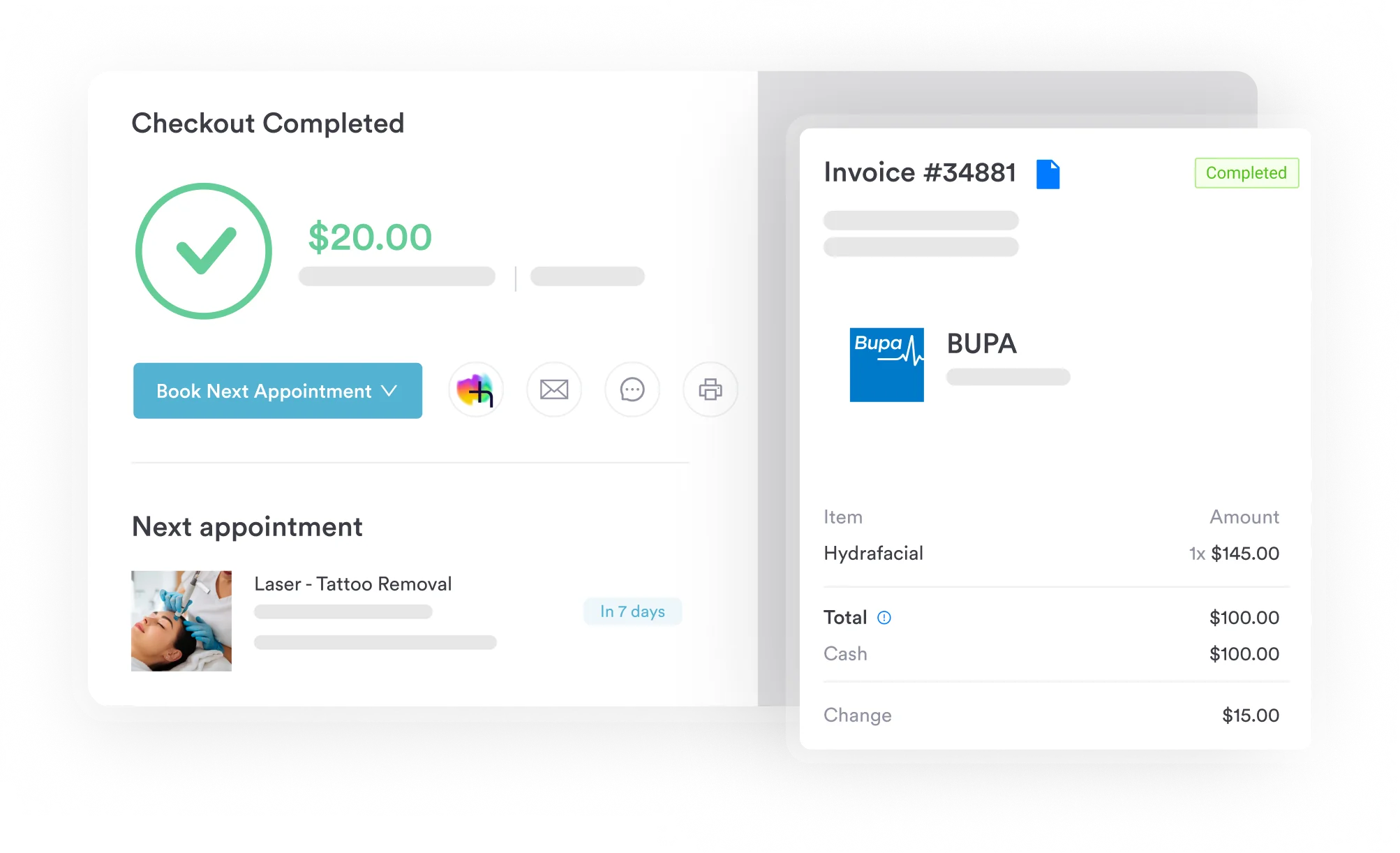

Pabau submits the claim your coders have built, tracks its status through our Claim.MD integration, and records the payment against the visit. Your team keeps control of code selection.

Long-term steroid coding looks harder than it is, because a retired ICD-9-CM code still shadows it. Once you drop V58.65 and its imagined ICD-10 offspring, the decision comes down to two questions. Is the therapy ongoing, and is the steroid systemic or inhaled?
Answer those in the note, put the treated condition first, and Z79.52 stops being a denial risk. It starts earning its keep instead, on bone density claims and complication claims that need the steroid history on record.
The trade-off is upstream work. Dose and duration have to be captured at the visit rather than reconstructed at billing. Book a demo to see how Pabau captures those details and carries the coded claim through to payment.

Coding bone loss confined to one site? M81.6 covers localized osteoporosis, which follows different rules from drug-induced disease.
Note says low bone density and nothing more? M85.9 explains what to report when the record gives you no further detail.
Billing breast pump replacement parts? HCPCS code A4281 covers replacement tubing for a breast pump under the DME supply codes.
Billing another breast pump accessory? HCPCS code A4283 covers a replacement cap for a breast pump bottle, billed as an accessory.
Billing a replacement pump bottle? HCPCS code A4285 covers a replacement breast pump bottle billed as one unit per claim line.
Z79.52 is the ICD-10-CM code for long term (current) use of systemic steroids. It tells the payer that the patient is on ongoing oral or injected steroid therapy, such as prednisone. It is a status code, so it is reported in addition to the condition being treated.
No. V58.5XXD reports the driver of a pick-up truck or van injured in a noncollision traffic accident, at a subsequent encounter. It is an external cause code in Chapter 20. The steroid code coders are usually looking for is Z79.52, which replaced the retired ICD-9-CM code V58.65.
No. Z79.52 is complete at five characters and takes no 7th character, so there is no initial, subsequent, or sequela version of it. Adding A, D, or S creates an invalid code and the claim will reject. Episode-of-care characters belong to injury, external cause, and certain aftercare codes.
In practice, no. Z79.52 is a status code that supports the visit rather than explaining it. Sequence the condition the steroid treats first, then report Z79.52 as an additional code. A claim carrying Z79.52 alone gives the payer nothing to judge medical necessity against.
Each complication takes its own code, and Z79.52 stays on the claim for the ongoing therapy. Steroid-induced diabetes with hyperglycemia is E09.65. Drug-induced osteoporosis without fracture is M81.8. Adrenal suppression is E27.3. Add T38.0X5- to identify the adverse effect of the glucocorticoid.