

ICD-10 Code S53.013D: Anterior subluxation of unspecified radial head
ICD-10 Code S53.013D: Quick reference summary Use the table below as your first ...

Last Updated: Nov 6, 2026
Billable Code Specific Code
S92.316K is the billable ICD-10-CM code for nondisplaced fracture of first metatarsal bone, unspecified foot, subsequent encounter for fracture with nonunion.
Most coding errors on this code come from two sources: selecting 7th character D (routine healing) when the radiographic record actually shows nonunion, and confusing subsequent-encounter rules with the initial active-treatment requirements of 7th character A. Those two mistakes account for the bulk of denials and audit flags on S92.316K claiMs.
The K suffix is not simply "follow-up visit" coding. It signals a specific complication — fracture nonunion — that must be supported by imaging documentation before the code can be used. Podiatrists, orthopedic surgeons, and physical therapists all bill against this code in different ways, and each specialty has its own common pitfall.
Let Pabau's smart automation suggest the right codes, reduce claim denials, and keep your practice compliant—effortlessly.
Automate repetitive tasks and focus on what matters most—your patients.
Reduce coding errors and ensure compliance with the latest regulations.
Clean claims, fewer denials, and faster reimbursements.
Powerful insights and reporting to help your practice thrive.
HIPAA compliant SOC 2 certified GDPR-compliant Trusted by 4,000+ clinics worldwide

S92.316K codes a nondisplaced second metatarsal fracture at a subsequent encounter where nonunion is documented, not routine healing
7th character K requires radiographic or clinical evidence of nonunion; it cannot be used at the initial active-treatment visit
Selecting K instead of D (delayed healing) or P (malunion) without supporting imaging is the top denial trigger for this code
Pabau’s claims management software flags 7th-character mismatches and incomplete documentation before claims leave the practice
ICD-10 code S92.316K is a billable diagnosis code in the ICD-10-CM system, effective for encounters from October 1, 2015 onward. The official descriptor is: Nondisplaced fracture of second metatarsal bone, subsequent encounter for fracture with nonunion. According to the CMS ICD-10-CM tabular list, the code belongs to chapter 19 (Injury, poisoning and certain other consequences of external causes) and falls under the S92 block for fractures of the foot.
Each character in the code carries a specific clinical meaning. The quick-reference table below breaks each component down.
The code is unspecified for laterality. Where the payer’s local coverage determination requires left or right foot specificity, additional documentation noting the affected side must accompany the claim, though the ICD-10-CM code itself does not distinguish laterality at the .316 level.
A nondisplaced second metatarsal fracture means the bone has fractured but the fragments have not shifted out of their normal anatomical alignment. This distinction matters for coding because the .316 designation (nondisplaced) is a separate code from .311 (displaced) and cannot be assumed from clinical notes alone. The operative or radiographic report must explicitly confirm that no displacement occurred.
The second metatarsal is the longest metatarsal bone and bears significant load during the push-off phase of gait, which is why it is the most common site of metatarsal stress fractures. Within the S92.3x block, the digit in position five identifies which metatarsal: .31x = second, .32x = third, .33x = fourth, .34x = fifth (Jones fracture area), and .35x = first.
The 7th character then layers the encounter type and healing status onto that anatomical specificity. For S92.316-series codes, the full 7th-character set is:
The 7th character K in ICD-10 code S92.316K means the encounter is a subsequent visit (active treatment has already begun) and the fracture has failed to unite. Per ICD-10-CM Official Guidelines Section I.C.19.c, a subsequent encounter is any visit after the patient has received active/definitive treatment – whether by the original treating provider or a new one. The critical point: K does not describe an acute or surgical visit; it describes follow-up management of an established nonunion.
Nonunion is the failure of a fracture to heal within the expected timeframe, typically defined as no progressive bony bridging on serial radiographs over a clinically appropriate period (often 6 months for metatarsal fractures, though the AHA Coding Clinic does not specify a fixed time threshold – the radiographic and clinical evidence governs). It is distinct from:
The K suffix applies when both conditions are true simultaneously: The encounter is subsequent (not the first active-treatment visit) AND the fracture demonstrates nonunion on clinical or radiographic evidence. Using K at an initial encounter – even if the treating provider suspects future nonunion – is incorrect. 7th character A must be used for any visit that constitutes active treatment, including surgical intervention for a known nonunion.
Several Excludes1 and Excludes2 notes govern the S92 category and affect when S92.316K can appear on a claim. Coders must review these at both the category (S92) and subcategory (S92.3) levels before assigning the code.
The Excludes1 for ankle fractures is a hard rule: S92.316K and an S82.- code cannot appear on the same claim for the same fracture event. If a patient has concurrent ankle and metatarsal fractures from the same incident, both codes may be listed – but each describes a distinct fracture, not the same one.
The codes most frequently confused with S92.316K differ in either the healing status (7th character), the displacement status (5th character), or the metatarsal involved (4th character). The table below covers the most common confusion pairs seen in audit reviews.
The D-vs-K confusion is by far the most consequential. Payers auditing metatarsal fracture claims routinely flag claims where K appears without imaging reports confirming the absence of bony bridging. Auditors interpret the absence of imaging as unsupported coding, not as confirmed nonunion.
The CPT codes that appear on the same claim as ICD-10 code S92.316K depend on whether the nonunion is being managed conservatively or surgically. Conservative subsequent-encounter management generates different procedural codes than surgical repair. Per AAPC coding resources, the following CPT pairings are commonly seen in podiatry and orthopedic practices managing second metatarsal nonunion.
For electronic claim submission and real-time payer eligibility verification, Pabau integrates with Claim.MD, our US clearinghouse partner, which carries a built-in CPT and ICD-10-CM catalogue for validating these pairings before claims are transmitted.
When surgical repair of a nonunion follows a prior fracture procedure, modifier -79 (unrelated procedure during the postoperative period) may be required if the original procedure’s global period is still active. Some payers also require modifier -58 (staged procedure). Confirm payer-specific modifier requirements before submitting.
Accurate documentation is what separates a clean S92.316K claim from one that attracts an audit or denial. The Pabau claims management platform can flag incomplete documentation before submission, but the clinical record itself must meet the following requirements.
Run a documentation audit on all claims using 7th character K before the end of each billing cycle. Pull the imaging reports for every S92.316K claim and verify the radiologist’s or treating physician’s language explicitly states nonunion. If the imaging says ‘slow healing’ or ‘minimal callus formation,’ that supports G (delayed healing), not K. Submitting K without imaging that says nonunion is the single most audited pattern in metatarsal fracture coding.
Claims for nonunion fracture management generate a predictable set of denial patterns. The most common denial codes in medical billing for this code cluster around encounter-type mismatches and missing documentation. Each denial below has a specific corrective action.
Effective denial management for metatarsal nonunion claims requires tracking which denial reason codes are appearing and whether they cluster around specific providers, CPT codes, or payers. Patterns in the denial data almost always reveal a correctable upstream documentation gap.

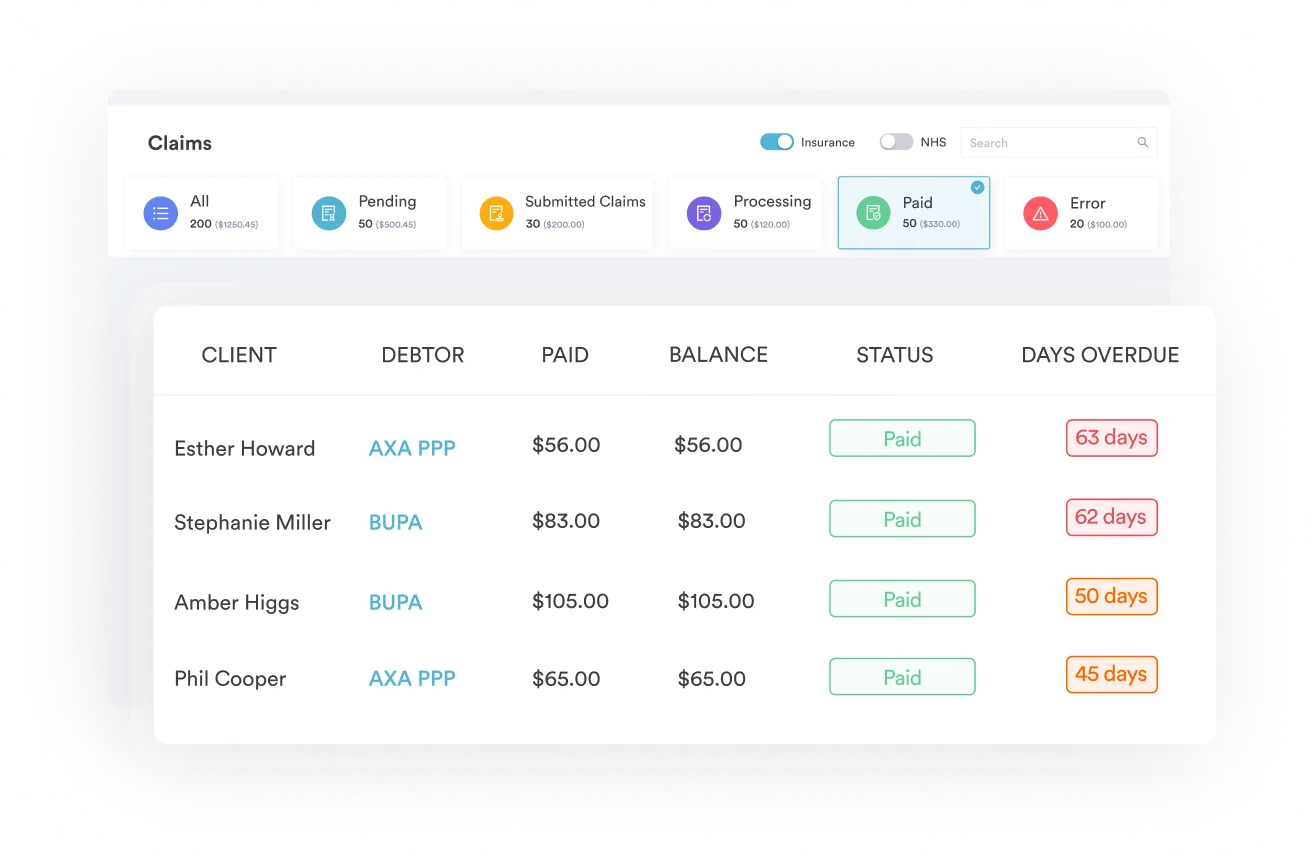
Pabau’s integrated billing tools flag diagnosis-procedure mismatches, missing documentation fields, and 7th-character conflicts before your claims reach the payer. See how practices reduce denials with Pabau.

Medicare coverage for metatarsal nonunion treatment is governed by Local Coverage Determinations issued by Medicare Administrative Contractors. The MAC for a given region may publish an LCD for musculoskeletal fracture management that specifies documentation thresholds for nonunion claims, including minimum imaging requirements and time-since-fracture parameters. Practices should review the applicable MAC’s current LCD before submitting S92.316K claims for Medicare beneficiaries.
Key payer-specific considerations include:
Physical therapists treating patients with a second metatarsal nonunion do not independently assign S92.316K – they use the referring or treating physician’s diagnosis code on their claims. Per ICD-10-CM Official Guidelines for outpatient rehabilitation services, the PT codes the confirmed diagnosis established by the physician or podiatrist managing the fracture. S92.316K appears on the PT claim as the reason for treatment, not as a code the therapist is independently diagnosing.
This distinction matters for physical therapy billing because a claim that lists S92.316K as the diagnosis code without a referring physician’s documentation of confirmed nonunion is an audit risk. The PT record should reference the treating physician’s diagnosis and include the physician’s most recent note or imaging report confirming active nonunion in the documentation package.
Common errors in PT billing with this code include:
Pabau’s clean claim workflow for multi-provider practices allows the treating physician’s diagnosis to flow through to therapy billing, reducing the risk of a PT claim arriving with an outdated or mismatched ICD-10 code. For practices submitting claims electronically through the medical billing workflow, Claim.MD’s real-time eligibility tools confirm payer acceptance of the diagnosis code before the claim is transmitted.
S92.316K is a precise code that only applies in a narrow clinical window: A subsequent encounter for a nondisplaced second metatarsal fracture where imaging has confirmed nonunion. The most expensive coding errors on this code – selecting K instead of D or G without supporting radiographs, or applying K at an initial encounter – are all preventable with a systematic pre-submission review against the documentation checklist above.
Practices managing high volumes of metatarsal fracture follow-up should build imaging-report verification into the billing workflow as a standing step before any K-suffix code is submitted.
To see how Pabau’s billing tools support this, explore our medical billing compliance resources or speak with our team.

Need to track denial patterns across metatarsal fracture claims? Denial management in healthcare covers how to build a systematic denial tracking and appeal workflow for high-volume musculoskeletal practices.
Submitting claims electronically for podiatry? Pabau’s Claim.MD integration connects your practice to over 4,000 US payers with real-time eligibility and 835 remittance advice built in.
Looking for CPT-to-ICD crosswalk guidance? Our Claim.MD clearinghouse guide explains how clearinghouse validation catches CPT-diagnosis mismatches before claims reach the payer.
ICD-10 code S92.316K is a billable diagnosis code for a nondisplaced fracture of the second metatarsal bone, documented at a subsequent encounter where the fracture has failed to unite (nonunion). The K 7th character signals that this is not an initial active-treatment visit and that radiographic or clinical evidence of nonunion is present in the patient record.
S92.316A is used for the initial encounter when a patient is receiving active treatment for the fracture, including emergency care, casting, manipulation, or surgery. S92.316K is used at a subsequent encounter after active treatment has begun, specifically when the fracture has not healed and nonunion is documented. Using A and K on the same claim for the same episode is a coding error.
Nonunion means the fractured bone has failed to heal by forming a solid bony bridge between the fracture fragments within the expected timeframe. For coding purposes, nonunion must be supported by imaging evidence – typically serial X-rays showing no progressive callus or bony bridging. Clinical suspicion alone is not sufficient to code nonunion; the radiographic report must document it.
No. S92.316K cannot be used for the initial active-treatment encounter. Per ICD-10-CM Official Guidelines Section I.C.19.c, 7th character A is required whenever the patient is receiving active or definitive treatment, including surgery for a known nonunion. The K character is reserved for follow-up encounters where nonunion has been established and is being monitored or managed.
Yes, but only as the referring diagnosis from the treating physician’s record. Physical therapists do not independently assign fracture codes. The PT claim carries S92.316K to identify the reason for treatment, and the code must reflect the current diagnosis documented by the managing physician or podiatrist, not the PT’s independent assessment.
The most common denial reasons are: Using K at an initial encounter (should be A), missing imaging documentation to support nonunion, billing a procedure code inside the global period of a prior fracture surgery without the correct modifier, and failing to specify laterality when the payer’s LCD requires it. Each denial reason has a specific corrective action – most involve updating the clinical documentation or adding a modifier.



