

ICD-10 code S61.201A: Open wound of left index finger without nail damage
ICD-10 code S61.201A covers a left index finger wound of unstated type ICD-10 co...

Last Updated: Oct 16, 2026
Billable Code Specific Code
S63.592S is the billable ICD-10-CM code for other specified sprain of left wrist, sequela.
Let Pabau's smart automation suggest the right codes, reduce claim denials, and keep your practice compliant—effortlessly.
Automate repetitive tasks and focus on what matters most—your patients.
Reduce coding errors and ensure compliance with the latest regulations.
Clean claims, fewer denials, and faster reimbursements.
Powerful insights and reporting to help your practice thrive.
HIPAA compliant SOC 2 certified GDPR-compliant Trusted by 4,000+ clinics worldwide

ICD-10 code S63.592S covers other specified sprain of left wrist, sequela, and is billable for fiscal years 2024 through 2026.
The parent code S63.592 is not billable on its own. Append A for initial, D for subsequent, or S for sequela.
Use S63.592S only once healing is complete and a residual problem such as chronic pain or instability remains. For active healing, use S63.592D.
Sequence the residual condition first, then S63.592S as the additional code identifying its cause.
Practice management software like Pabau helps physical therapy and sports medicine practices record laterality, injury date, and healed status at the visit.
ICD-10 code S63.592S is the billable diagnosis code for other specified sprain of left wrist, sequela. It applies once the original sprain has healed and the patient still has a residual condition caused by it. The code is valid for fiscal years 2024 through 2026.
The parent code S63.592 cannot be submitted on its own. It needs a 7th character, and choosing D when the injury has already resolved is where denials on this code family start.
The table below summarizes the code attributes coders and billers need before submitting a claim. For practices running a physical therapy EMR, the 7th character is the most common point of intervention in the billing workflow.
The ICD-10-CM Official Guidelines require a 7th character on every injury code in chapter S00-T88. That character records the type of encounter. For S63.592, three options exist, and each one carries a distinct clinical meaning.
The 7th character S captures late effects. It tells the payer that the original sprain has resolved and that this visit treats what the sprain left behind. Persistent stiffness, chronic ligament laxity, and pain that limits activity are the usual examples.
This is the most common coding error in the S63.592 family. Coders keep assigning S63.592D long after the wrist has healed, because the patient is still attending follow-up visits. That is incorrect.
Here is a practical test. Ask whether the original sprain is still the reason for the visit, or whether the visit is now for a consequence of it. If the sprain has healed and the patient has a new problem attributable to it, sequela applies.
Sequencing matters just as much. Per ICD-10-CM guidelines, S63.592S is sequenced after the code for the nature of the sequela. That first-listed code is usually M25.532 (pain in left wrist) or M25.332 (other instability of left wrist joint).
Document the prior injury date and the healed status in the clinical note before assigning S63.592S. Payers expect language confirming that the original sprain resolved and that the visit treats a residual effect.
The hierarchy helps coders confirm they are in the right category and at the right level of specificity. S63.592S sits in the injury chapter of ICD-10-CM, which runs from S00 through T88.
One exclusion catches coders out. Strain of muscle, fascia, and tendon at wrist and hand level sits outside S63.5 entirely. Those injuries belong in the S66 category, alongside codes such as S66.399S.
A sequela of a left wrist sprain is a condition that persists after the sprain itself has healed. The clinical picture is chronic symptoms that the patient and provider trace back to the original trauma, even when it happened months or years earlier.
Practices specializing in sports medicine see this often. An athlete sprains the left wrist in a fall, completes physical therapy, and is discharged with the injury resolved. Months later they return with pain on weight-bearing, weaker grip, or a sense of instability.
That return visit is a sequela encounter. The original sprain is closed, so S63.592D no longer applies.
Common residual conditions that justify S63.592S include:
The late-effect documentation standard across ICD-10-CM applies here. The note must link the current condition to the historical injury in plain terms. A vague reference to previous wrist problems will not support a clean claim.
Incomplete documentation is the fastest route to a denial on sequela claims. Payers want evidence that the 7th character choice was clinically justified, and auditors look for specific elements in the record. Practices using digital intake forms can capture the prior injury history at every visit. Front-desk data entry and back-office coding both feed cash collection, so errors compound downstream.
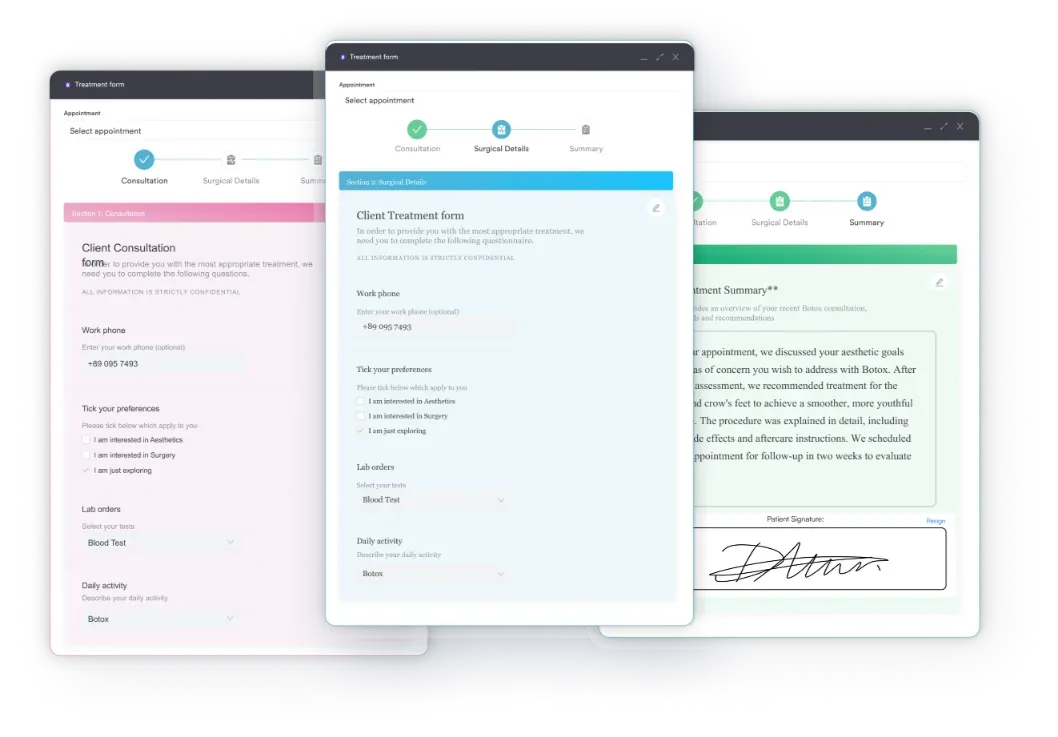
The record supporting S63.592S must contain all of the following:
Getting these five elements into the note the first time matters commercially. A denied claim has to be reworked and refiled inside the payer’s timely filing limits, and that window closes faster than most practices expect.
Sequela coding sits in Section I.C.19, which governs injury, poisoning, and external cause codes. You can check the current wording in the CDC ICD-10-CM tool.
Two codes are required when a sequela is present, and the order is fixed. The code for the residual effect comes first, such as M25.532 for left wrist pain. S63.592S follows it as an additional code identifying the cause.
That two-code pattern is what separates sequela coding from subsequent encounter coding. It is also where non-specialist coders make the most mistakes. Sequencing errors surface weeks later as denial codes on the remittance.
Practices that handle legacy records may still need the ICD-9-CM equivalent. The approximate crosswalk is shown below. ICD-9 codes carried neither laterality nor encounter type, so the mapping is directional rather than exact.
The 842.09 crosswalk covers the broad wrist sprain category. When translating a legacy record, confirm the documentation supports left laterality and sequela status before applying S63.592S. The AAPC code lookup handles bidirectional searches.
Coders should confirm laterality and specificity before settling on a final code. The table below shows the sibling and related codes inside the S63.5 category.
Sprains elsewhere in the hand follow the same 7th character logic. A coder working an S63 claim will often need a neighboring code such as code such as S63.631D in the same episode of care.
When laterality is missing from the provider note, query the provider before reaching for an unspecified code. One clarifying question now prevents a denial that takes weeks to overturn on appeal.
In most practices the coder reconstructs the injury story after the visit. They read the note, hunt for an injury date, and work out whether the provider meant healed or still healing. When the answer is not there, the claim goes out on the coder’s best judgment.
Practice management software like Pabau moves that work to the point of care. Intake forms and treatment note templates can require the fields a sequela claim depends on, including laterality, injury date, and healed status. The provider answers them once, in the client record.
Pabau’s claims management then submits and tracks the claim against that record. Coding stays the coder’s job, but they work from a complete note rather than a partial one. Fewer claims come back for missing detail, so your team spends less time on rework.
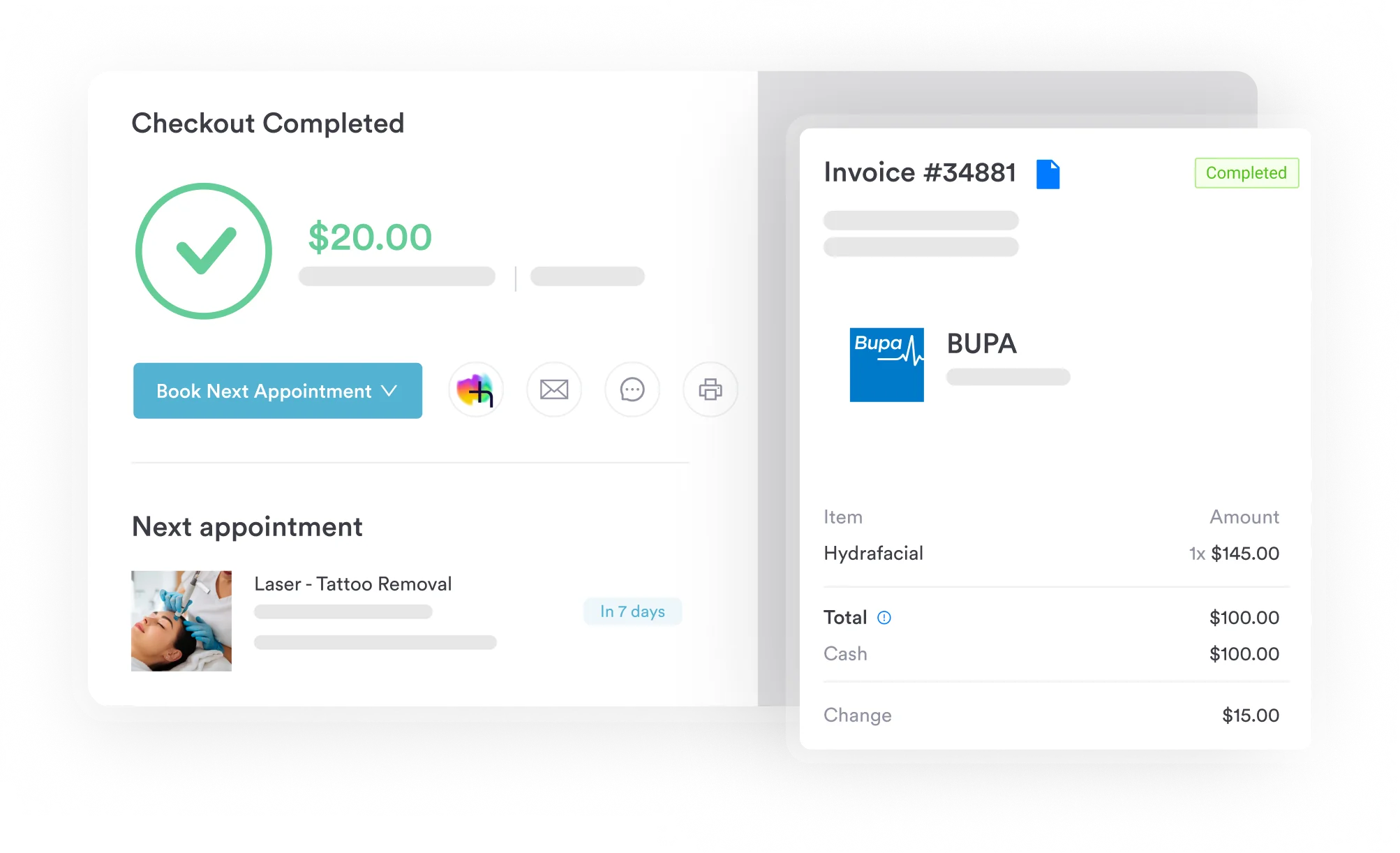

Pabau helps physical therapy and sports medicine practices record laterality, encounter type, and sequela status at the point of care. The coder then has what a clean claim needs.

S63.592S is a small decision with an outsized denial rate behind it. The two failure points are the missing 7th character and the D-instead-of-S habit. Both are settled in the exam room, long before the coder opens the note.
Fix the note and the code follows. Ask providers to record the injury date, state that the sprain has healed, and name the residual condition. Do that consistently and the sequencing question answers itself.
Pabau helps physical therapy and sports medicine practices capture that detail while the patient is still in the room. Book a demo to see how it works for injury code documentation.

Working a backlog of rejected claims? Denial management in healthcare sets out how to triage, appeal, and prevent repeat denials.
Want to stop coverage surprises before the visit? Insurance eligibility verification walks through checking benefits ahead of an appointment.
Reading remittance advice line by line? Electronic remittance advice explains how payers report adjustments back to your practice.
Coding another wrist and hand injury? S65.301D covers a neighboring injury in the same anatomical block.
Billing the surgical side of wrist care? CPT code 25118 explains the procedure code and its documentation requirements.
ICD-10 code S63.592S is the billable diagnosis code for other specified sprain of left wrist, sequela. It describes a residual condition caused by a prior left wrist sprain that has since healed. The 7th character S marks the encounter as a sequela. The original injury is resolved, and the patient now presents with a late effect such as chronic pain, instability, or reduced range of motion.
Yes, S63.592S is a fully billable ICD-10-CM code, valid for fiscal years 2024, 2025, and 2026. The parent code S63.592 is not billable without a 7th character. Only the three child codes with a 7th character can go on a claim: S63.592A, S63.592D, and S63.592S.
The clinical note must confirm left wrist laterality and reference the original sprain with an approximate date. It must also state that the injury has healed and describe the current residual condition. On the claim, sequence the nature-of-sequela code first, such as M25.532 for left wrist pain, then S63.592S. Missing any of these elements is a common denial trigger.
The approximate ICD-9-CM equivalent is 842.09, sprain of wrist, other. This is a directional crosswalk only. ICD-9 did not capture laterality or encounter type, so 842.09 maps broadly to the S63.592 family. It cannot distinguish an initial encounter from a subsequent encounter or a sequela.
The official source for ICD-10-CM code definitions is the CDC and NCHS ICD-10-CM web tool, which is updated every year. The WHO ICD-10 browser holds the international classification that ICD-10-CM is built from.



