CRM for chiropractors: how to manage patients, bookings and marketing
A CRM for chiropractors is a patient relationship management system built around...

Last Updated: Oct 13, 2026

A nursing shift report is a structured handoff communication between outgoing and incoming nurses that ensures patient safety and care continuity.
Essential components include patient identification, current vital signs, active medications, pending tasks, and key clinical concerns using the SBAR framework.
Bedside shift reports improve patient satisfaction and reduce handoff errors compared to traditional nurses-station handoffs.
Practice management software like Pabau automates shift report generation through digital forms and clinical documentation tools, reducing manual charting time and standardizing handoff quality.
Nursing shift handoffs are the critical moments when patient care responsibility transfers from one nurse to another. A poorly executed shift report can mean missed medication doses, delayed treatments, or unaddressed patient concerns. These errors can ripple through the rest of the shift. A structured nursing shift report prevents them by creating a standardized communication protocol that protects patient safety and engages families in their own care transition.
A ready-to-use handoff form covering patient identification, vital signs, current medications, treatments administered, pending tasks, and clinical concerns using SBAR structure – printable or digital.
Download templateThis guide covers how to write an effective nursing shift report, the essential components every sheet must include, the evidence-based SBAR framework, and a free downloadable template you can use immediately. Whether you work on a general ward, ICU, or specialty unit, these best practices ensure your handoffs are thorough, compliant.
A nursing shift report is a structured communication exchange between the nurse leaving a shift and the nurse arriving to take over care responsibilities. Unlike casual handoff conversations, a formal nursing shift report follows a documented format that captures every critical detail about each patient: current status, ongoing treatments, safety concerns, and tasks pending for the next shift.
The shift report serves three core functions: it protects patient safety by preventing missed information, it ensures continuity of care across shift boundaries through centralized patient records, and it engages patients and families by including them in the handoff conversation, especially when done at the patient’s bedside rather than out of view.
A quality improvement project that redesigned a unit’s paper handoff form found nurses’ confidence in delivering a complete report rose to 100%, while the share of nurses who found the handoff process enjoyable climbed from 8.7% to 55.6%, according to peer-reviewed research. The redesigned form also made the shift report easier to complete consistently, supporting better nurse accountability and communication.
Every nursing shift report must capture these essential elements in a consistent format so the incoming nurse has a complete picture of each patient’s current status and next steps.
The digital intake forms approach above replaces loose notes with a structured sheet, reducing the risk of missing critical information and making shift reports scannable within seconds.
SBAR (Situation, Background, Assessment, Recommendation) is the evidence-based nursing handoff framework recommended by The Joint Commission for standardizing critical communication. Using SBAR within your nursing shift report ensures every conversation follows the same logical sequence, reducing misunderstandings and improving patient safety.
This framework prevents rambling handoffs and ensures the incoming nurse hears the most important information first. A well-structured SBAR shift report takes 3-5 minutes per patient, yet dramatically improves care quality and reduces the anxiety of missing critical details.
The location of a nursing shift report affects both patient safety and satisfaction. Research from the Agency for Healthcare Research and Quality (AHRQ) on bedside shift reports shows measurable improvements in patient outcomes when handoffs move from the nurses station to the patient’s bedside.
While bedside shift reports take more time per patient, they lead to fewer missed-information incidents, improved patient engagement, and higher patient satisfaction, making them the preferred approach for modern nursing practice.
Manual nursing shift report sheets are prone to incomplete handwriting, lost pages, and inconsistent formatting. All of this increases the risk of missing critical information during handoffs. Digital documentation systems standardize the format, ensure all required fields are completed, and make shift reports accessible to all team members instantly. Strong nursing documentation also protects the practice if a dispute or lawsuit surfaces months later.
Structured formats carry the same weight in other specialties. A dental note template records the chief complaint, tooth-by-tooth charting, diagnosis, and treatment in one fixed order, which keeps the chart readable months later.
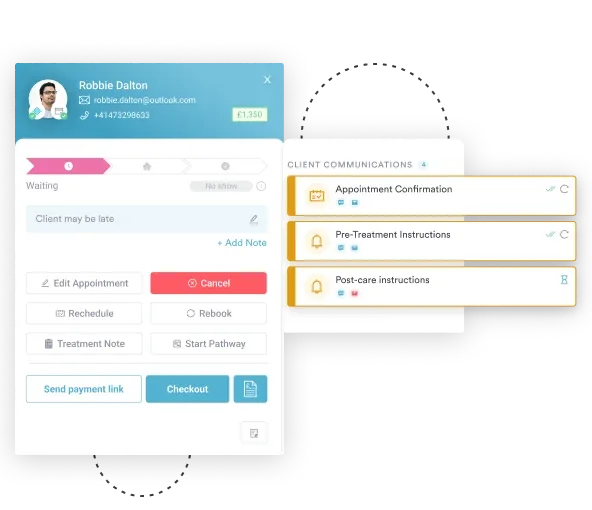

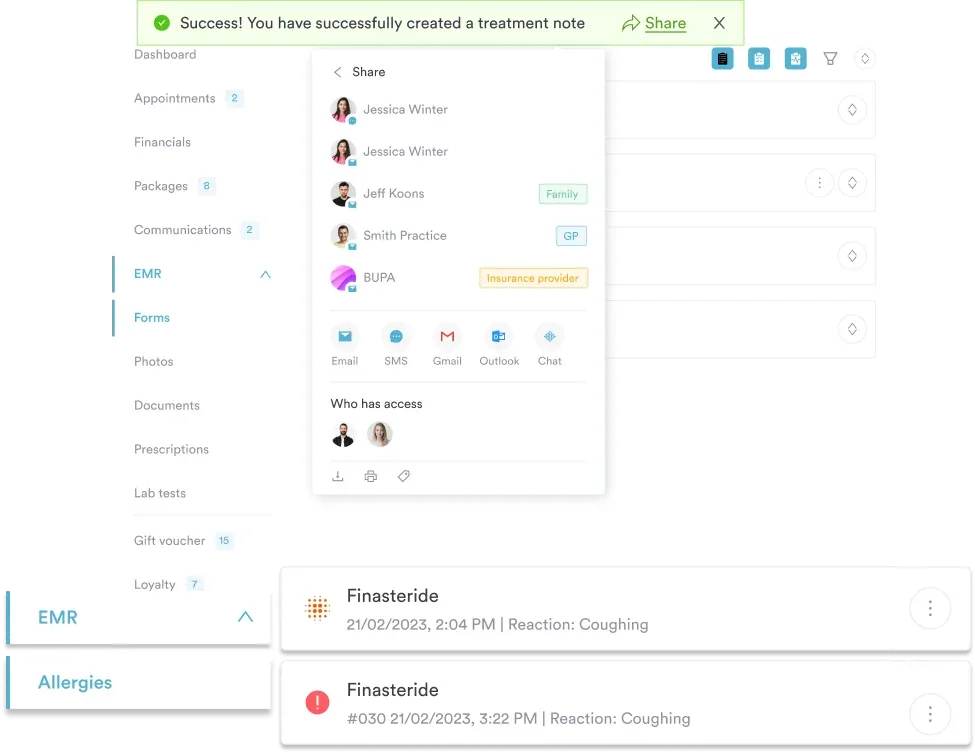
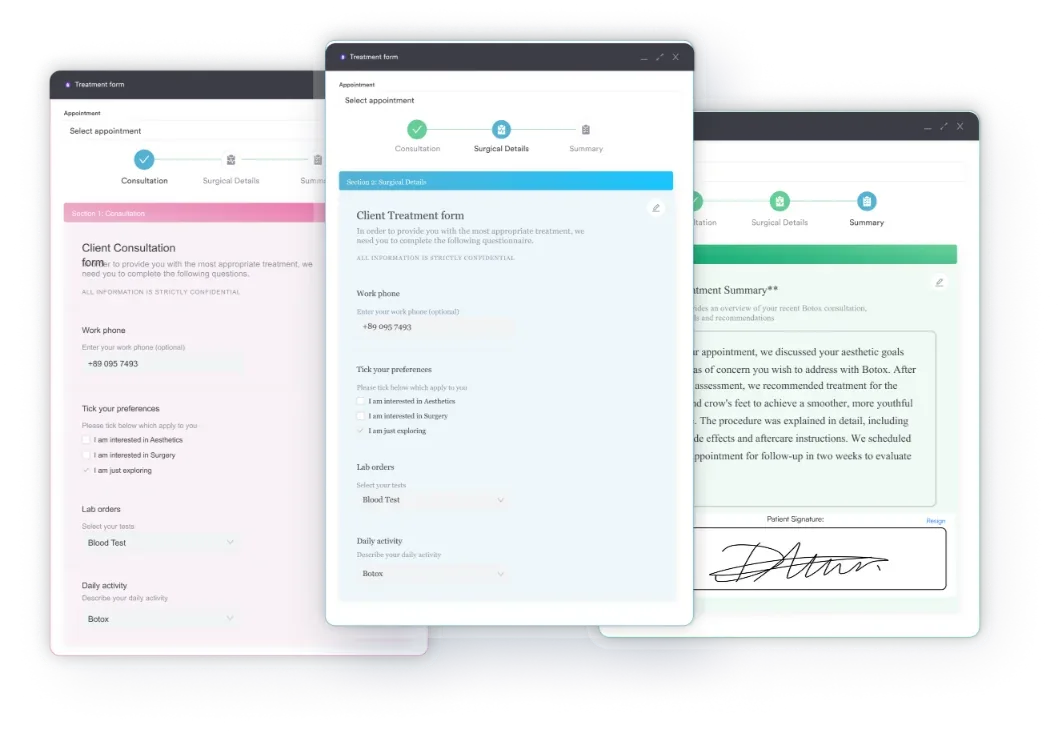
Pabau’s digital forms and AI clinical documentation reduce manual charting time and standardize handoff quality across your entire team.

Even experienced nurses fall into patterns that compromise handoff quality. Recognizing these common errors, and applying the structured template that prevents them, is the first step toward safer shift transitions.
The structured template prevents these errors by creating checkpoints that force completeness. Respiratory findings deserve the same precision as vital signs. Charting lung sounds by site and phase lets the incoming nurse track how breathing has changed across the shift.
A well-executed nursing shift report is the invisible foundation of safe patient care. The structured template, SBAR framework, and bedside handoff approach transform communication from a rushed side conversation into a deliberate safety checkpoint, one your patients notice and appreciate.
Start with the free nursing shift report template above, train your team on the SBAR framework, and commit to bedside handoffs. As your practice grows, digital clinical documentation tools can further standardize and accelerate your shift reports without sacrificing the human connection that makes nursing care meaningful. These principles apply just as much in physical therapy and other specialty settings as they do on a general medical-surgical floor.

Need a template for emergency assessments? Our emergency nursing assessment template covers the same structured documentation approach for fast-moving units.
Documenting a full system-by-system check? Use our review of systems template alongside your shift report for complete clinical records.
Need a note format for follow-up visits? Progress note template suits mental health, physical therapy, nursing, and general medical practice.
Clearing a patient to return to work? Return to work doctor’s note template is a standardized clearance document that streamlines documentation while protecting patient privacy.
Running a pre-surgical safety check? WHO Surgical Safety Checklist lays out all 19 checks phase by phase, from Sign In to Sign Out.
A nursing shift report is a structured communication exchange between outgoing and incoming nurses that transfers all critical patient information: current status, medications, treatments, and pending tasks. It’s important because it prevents missed information, ensures continuity of care, protects patient safety, and reduces adverse events.
A well-structured SBAR-based bedside shift report typically takes 3-5 minutes per patient. While this is longer than a quick nurses-station handoff, the reduction in clarification calls, avoided errors, and improved patient satisfaction justify the time investment.
Every shift report must include: patient identification (name, MRN, room, DOB, allergies), current vital signs, active medications with last administration times, recent treatments and procedures, pending tasks or orders, and a summary of clinical concerns or behavioral changes. Use the SBAR framework (Situation, Background, Assessment, Recommendation) to organize information logically.
Yes, research links bedside shift reports to higher patient satisfaction scores, stronger nurse accountability, fewer missed-information incidents, and more engaged patients and families in care planning. Patients who hear their care plan directly are more likely to comply with treatment and feel comfortable asking questions.
SBAR stands for Situation (current patient status), Background (relevant clinical history), Assessment (current condition and changes), and Recommendation (priority actions for the incoming shift). This framework, recommended by The Joint Commission, standardizes handoffs and ensures critical information is communicated in a consistent, logical sequence.