Journal prompts for mental health
Journal prompts for mental health are guided questions that help people process ...

2
Last Updated: Oct 13, 2026

Cope ahead is a DBT emotion regulation skill that has a client rehearse a difficult situation before it happens.
The worksheet turns that rehearsal into writing, so the client leaves session with a named stressor and a set of coping moves.
Work through the prompts with the client rather than sending the form home blank, and guide the rehearsal out loud.
The completed form doubles as documentation, showing which emotion regulation skill you taught and how the client responded.
Practice management software like Pabau stores the finished worksheet on the client record, next to the session note.
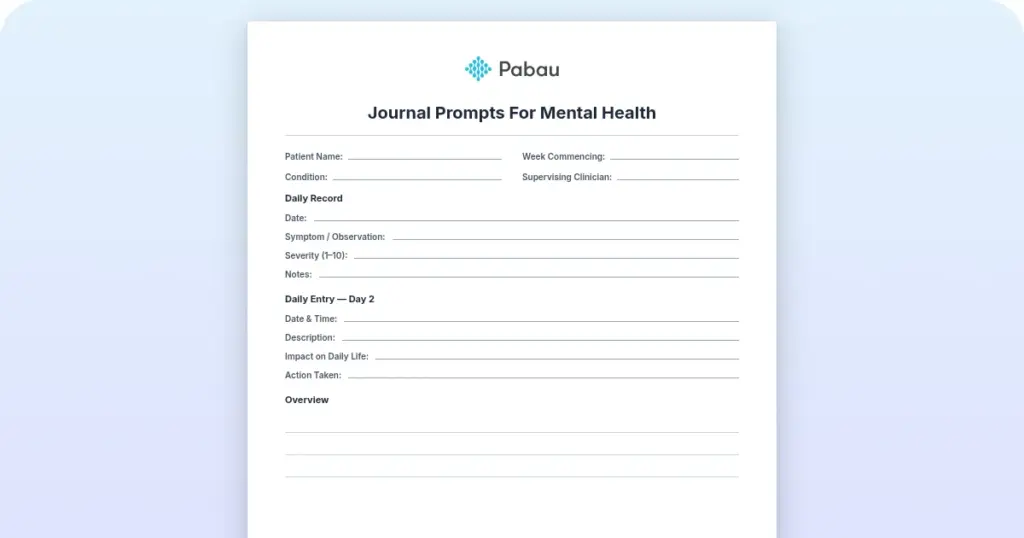
A printable one-page form that walks a client through the situation they are dreading. It covers the emotions, sensations and thoughts they expect, the coping skills they will use, the obstacles in the way, and who they can call. It closes with a reflection box and a practitioner details section.
Download templateCope ahead is a dialectical behavior therapy skill that asks a client to rehearse a hard situation before it arrives. The cope ahead worksheet on this page turns that rehearsal into writing. Your client leaves the room with a named stressor, a short list of coping moves, and a plan for the moment it gets hard.
Most versions of this form online are written for the client. This one is written for the person teaching the skill. You get the download, a walkthrough of every prompt, a session example, and the documentation angle that keeps the work on the record.
It is a structured form that prepares a client for one specific upcoming stressor. The skill sits in the emotion regulation module of DBT, developed by Marsha Linehan. The form gives that skill a shape a client can follow without you in the room.
The prompts move from the situation to the response. A client describes what is coming, names the emotions, sensations and thoughts they expect, and picks coping skills they can realistically use. The last prompts cover what might get in the way, who they can turn to, and how it actually went.
Writing it down is what separates the skill from a conversation about coping. A client who has filled the page in has moved from “I should prepare” to “I know what I am going to do.” They can read it back the night before and land in the same place.
Structured assessment tools sit at the front of this workflow. A psychiatric evaluation template tells you what to treat. The worksheet picks up after that, turning a treatment target into something the client rehearses.
Rehearsal lowers the shock of a difficult moment. Imagining yourself coping well recruits much of the same machinery you will use on the day. Athletes and surgeons rehearse for the same reason.
DBT keeps crisis survival and emotion regulation apart. Distress tolerance skills get a client through a moment that is already happening. Cope ahead belongs to emotion regulation, where the job is lowering vulnerability before the moment arrives.
The template follows that logic across eight prompts. Work through them with the client rather than sending the page home blank.
Once the page is full, guide the rehearsal out loud. Keep your voice slow and describe the scene in the present tense. Clients usually report feeling steadier about the event straight after.
Consider Alex, a client who is anxious about a performance review with her supervisor on Tuesday. Here is how her page reads once the two of you have finished it.
Alex moves from general dread to a plan she can picture. The rehearsal separates her supervisor’s feedback from a verdict on her competence. That separation is the clinical work, and the page is just where it gets recorded.
Cope ahead suits any client facing a stressor they can see coming. It works across diagnoses, and it is especially useful for clients with:
It also travels well between settings. Therapists in psychology practices, substance use programs and community mental health teams all use it. The skill needs no equipment beyond the page, a quiet room, and a client willing to imagine.
1. Pick a stressor the client can influence. Avoid situations a client is genuinely powerless over, because rehearsal there just rehearses helplessness. Anxiety about an oncology appointment is a workable target. A cancer diagnosis is not.
2. Build safety before you rehearse. A client in acute crisis needs grounding first, not imagery. If risk is live, a mental health safety plan comes before this form.
3. Fill it in together. Handing a client the page and saying “fill this out” wastes it. Sit alongside them, ask open questions, and write as they talk. The skill gets taught in the doing.
4. Make the coping moves concrete. “Stay positive” fails under pressure. Ask what would actually help in the moment, then write the exact phrase, the exact technique, or the exact person they will call.
5. Guide the imagery with your voice. Do not leave a client to rehearse in silence. Describe the room, then ask what they do first. Your presence keeps the imagery from tipping into distress.
Plenty of therapists run the skill on themselves before a hard session or a difficult conversation with a manager. It is a reasonable habit, and it sits alongside the wider work of preventing therapist burnout. Saying so out loud also tends to raise a client’s buy-in.
The form is built for clinicians teaching emotion regulation, whether or not they run a full DBT program. It shows up most often with:
Clinicians who use it on themselves tend to pair it with a self-care inventory at the start of a busy term. The two forms answer different questions. One plans for a single event, the other reads your baseline.
It converts dread into agency. Rehearsal lowers anticipatory anxiety and gives a client something to do with it. Clients who feel prepared avoid less, which usually shows up as better attendance and more engagement.
It leaves a reusable record. A conversation about coping disappears. A completed page does not. Clients pull the same form out months later when a similar situation comes around.
It supports your documentation. The form shows which emotion regulation skill you taught and how the client responded. That is exactly the evidence a payer or a supervisor looks for, and it pairs neatly with an outcome rating scale tracked over time.
It moves the work out of the room. The client takes the page home, rehearses between sessions, and meets the stressor with a plan. The next session then has something concrete to review.
It adapts to almost any presentation. Panic, grief, work stress and dysregulation all have predictable flashpoints. The prompts stay the same and the content changes, which makes it a workhorse rather than a specialty tool.
Keep a short list of coping skills your caseload actually uses, sorted by presentation. When a client stalls on the coping prompt, read three options aloud instead of asking an open question. Clients pick faster from a menu than from a blank page, and the plan ends up more specific.
On paper, this form has a short life. The client fills it in, folds it into a bag, and you write the session note from memory a few hours later. Practice management software like Pabau removes both problems by keeping the form and the note in one place.
You can send the worksheet as a digital form before the session or hand it over in the waiting room. The answers land on the client record on their own. Anyone else on the team can then see the coping plan without asking you for it.
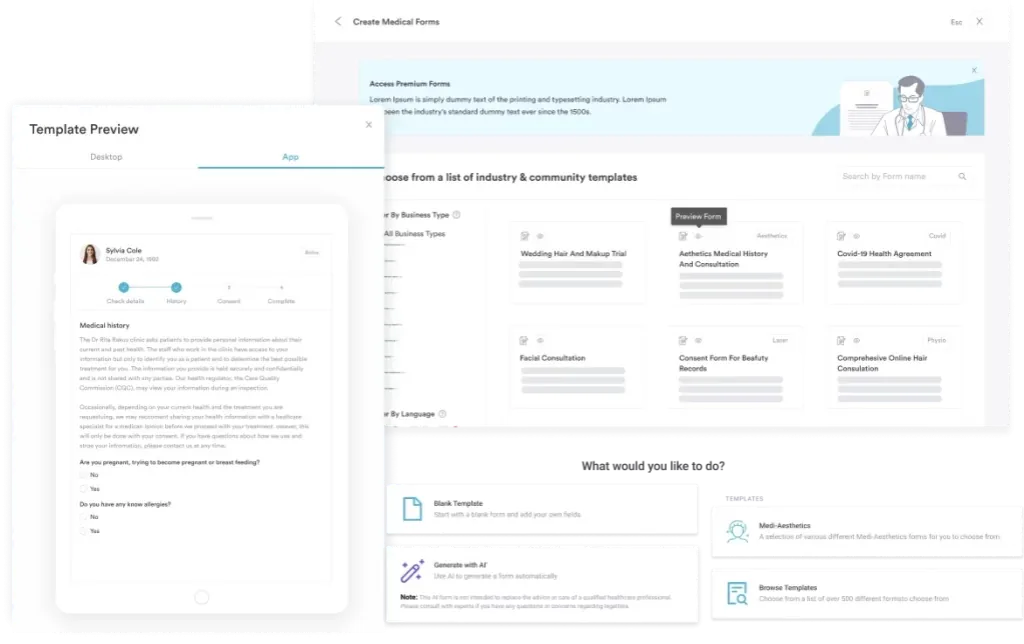
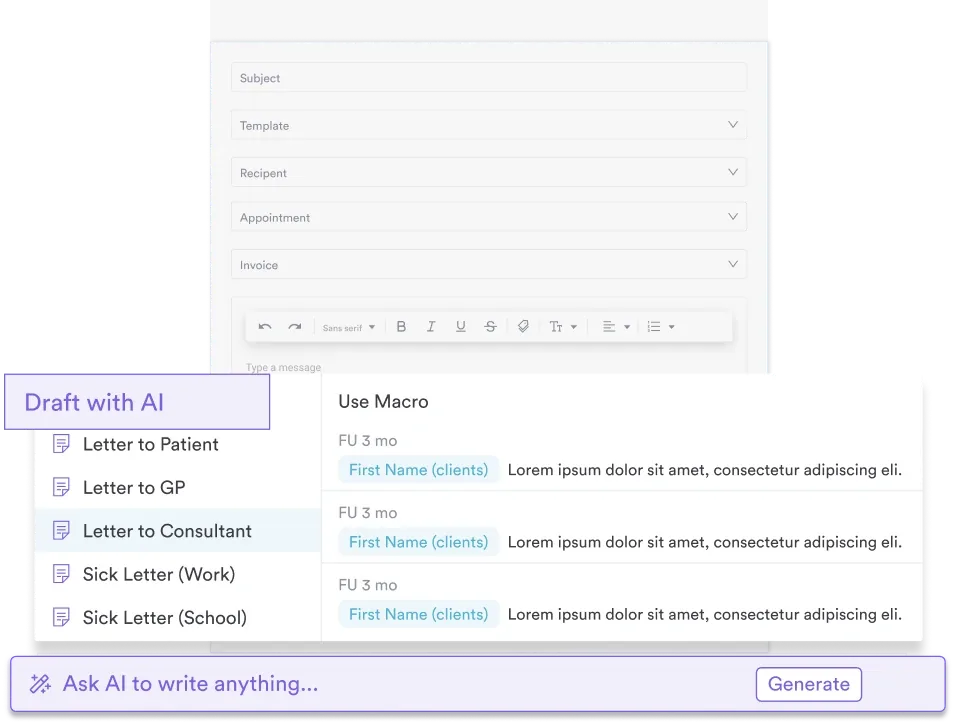
Pabau Scribe, our AI scribe, then writes the session note while you teach the skill. The note records which skill you covered and how the rehearsal went. You can draft a summary letter to the client’s physician from the same record when a referral needs one.
For a team of several clinicians, good note structure is what keeps an intervention traceable. A therapy progress notes format helps here.
Automated reminders close the loop. You can prompt the client to reread their worksheet the day before the stressor, which is the step the skill depends on. That reminder is a small piece of patient engagement with an outsized effect.

Pabau sends the cope ahead worksheet to your client, files the answers against their record, and keeps the session note beside it. Book a demo to see the workflow end to end.

Cope ahead earns its place because it gives a client something to do with dread. The page is the least interesting part. The value sits in the twenty minutes you spend filling it in together and the rehearsal you guide afterward.
So use the download as a structure, not a homework sheet. Pick a stressor the client can influence, write the coping moves in their words, and make sure they come back to the reflection prompt. A client who reviews how it went writes a better plan the next time.
The trade-off worth remembering is that the skill only works on stressors you can see coming. For everything else, distress tolerance is the right module. If keeping completed worksheets and session notes together is the part that slips, mental health practice software handles it. Book a demo to see how Pabau keeps therapy worksheets on the client record.

Want another emotion regulation handout for the same client? Primary and secondary emotions worksheet includes an emotion chain table, checklists, and a feelings wheel for clients who struggle to name emotions.
Teaching a client to soften how they talk to themselves? Self-compassion meditation script gives you a script to read aloud when shame shows up in the rehearsal.
Working with a client whose stressor is other people? People-pleasing worksheet maps the situations where a client abandons their own limits, which makes a good cope ahead target.
Need to measure whether a skill is landing? Motivation assessment scale gives you a structured read on what is driving a behavior before you plan around it.
Need a plan for tracking behavior change? Behavior plan template covers target behavior definition, replacement behaviors, and data collection methods for tracking change.
Cope ahead is an emotion regulation skill for a stressor a client can see coming. They name the event, choose coping skills, and rehearse using them before it arrives. The rehearsal builds confidence and lowers emotional reactivity on the day.
Work through the prompts with the client in session. They describe the situation, list the emotions, sensations and thoughts they expect, choose two or three coping skills, plan around obstacles, and name their support. Guide the rehearsal out loud, then have them review the page before the event and complete the reflection afterward.
Describe the situation and check the facts, then decide which skills to use. Imagine the scene vividly from the inside and rehearse coping effectively, including one version where something goes wrong. Practice relaxation afterward.
Clients with anxiety disorders, depression, PTSD, borderline personality disorder or substance use difficulties all benefit, as does anyone facing a stressor they can see coming. It is used in private practice, community mental health, inpatient psychiatry and substance use programs.
Yes. The worksheet is a free PDF download on this page. You can print it and use it in your practice straight away, with no licensing cost.
Cope ahead is future-focused and tied to one specific event. Skills such as ABC PLEASE or mindfulness work on present-moment vulnerability and baseline stability instead. Most clients end up using both.