Treatment summary
A treatment summary is a written record of what care was delivered during an epi...

3
Last Updated: Oct 16, 2026
A high-alert medication list names the drugs that cause the worst harm when an error reaches the patient. Insulin, opioids, anticoagulants, concentrated potassium chloride and chemotherapy all sit near the top of it.
These drugs aren’t prescribed more often than others, and errors involving them aren’t more frequent. The Institute for Safe Medication Practices (ISMP) publishes the reference most practices work from. It last refreshed the acute care list in January 2024.
Below are the current categories, the safeguards that catch errors before they reach a patient, and a template you can adapt.
A printable checklist with header fields for the patient, the record number and the person completing it, plus grouped item rows and a notes area. Adapt the rows to the high-alert drugs your own practice stocks.
Download template
A high-alert medication list flags drugs where a single error causes severe harm, not the drugs a practice uses most.
ISMP keeps two lists, one for acute care and one for community and ambulatory settings, and they differ.
The acute care list was last updated in January 2024, the revision that added tranexamic acid.
Concentrated potassium chloride means 2 mEq/mL or more, which includes the familiar 20 mEq per 10 mL vial.
Pairing the list with independent double checks, standing protocols and storage rules is what reduces harm.
A high-alert medication is one that needs extra safeguards because an error with it can be catastrophic. ISMP defines the group as medications bearing a heightened risk of significant patient harm when used in error. How often a drug gets prescribed doesn’t come into it. By contrast, a black box medication list tracks FDA boxed warnings, which cover serious risk even at the correct dose.
Think about the difference in consequence. A double dose of acetaminophen is usually absorbed without incident. A double dose of concentrated potassium chloride can stop a heart within minutes. The mistake is identical. Only one of the two is survivable.
Flagging a drug doesn’t restrict it. Practices still stock and use these medications every day. The list says that this one gets a second pair of eyes, a written protocol, or its own shelf. The cost of getting it wrong is what justifies the extra step.
The acute care list covers the drug classes that cause the most severe harm in hospitals and inpatient units. ISMP last updated it in January 2024. Tranexamic acid (TXA) joined the list in that revision, after repeated reports of it being given by the wrong route.
Two details on that list trip people up regularly. ISMP flags insulin at any strength and by any route, so the class is not limited to concentrated products. U-500 is called out separately because it is five times the strength of U-100 and looks much the same in a syringe.
Each class then fails in its own way. Warfarin gets dosed against a stale international normalized ratio (INR). Insulin gets drawn up in the wrong syringe. Opioids get given at a dose an opioid-naive patient can’t tolerate. Knowing the failure mode for a class tells you which safeguard is worth paying for.
ISMP keeps a second list for community and ambulatory care, because the risks outside a hospital are different. Nobody watches the patient take the dose. There is no nurse to intercept a tablet that shouldn’t have gone out, and no monitor to show the effect.
The two lists overlap, but only partly. Apixaban is high-alert in a community pharmacy because the patient self-administers every day without supervision. Acute care worries more about intravenous infusions and concentrated solutions that need continuous monitoring.
Outpatient safety starts before the appointment. A current medication history is what lets a prescriber catch a duplicate anticoagulant, or methotrexate being taken daily instead of weekly.
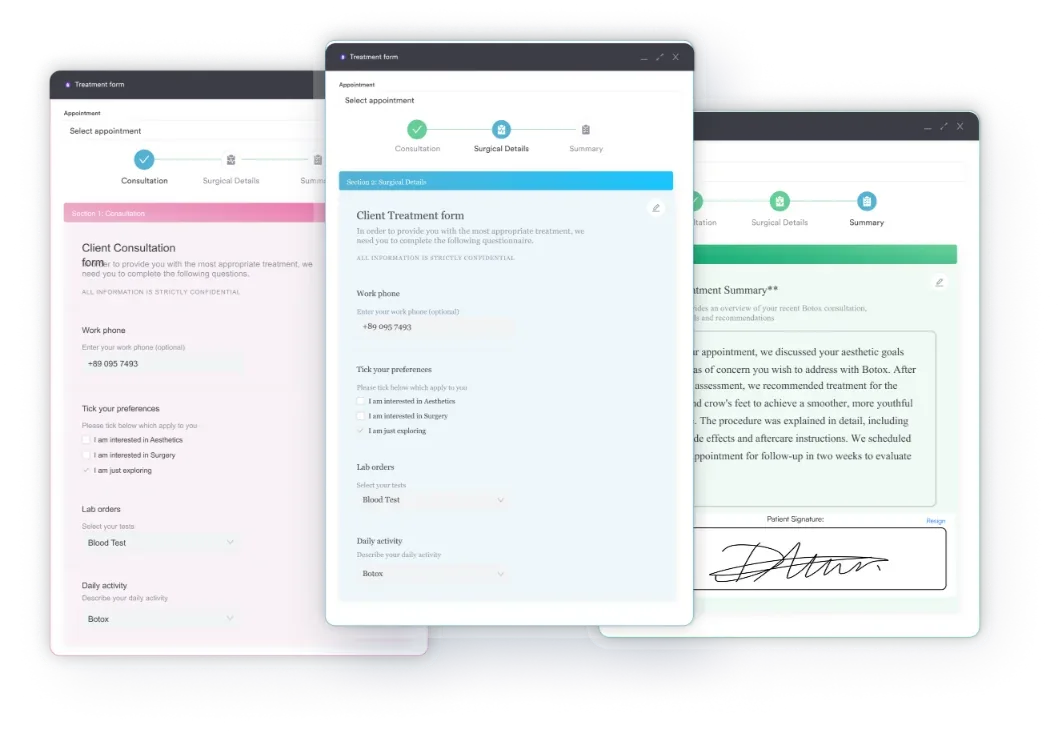
Collecting that history on paper means somebody has to retype it, and the retyping is its own error step. Patient intake software puts the patient’s answers straight into their record.
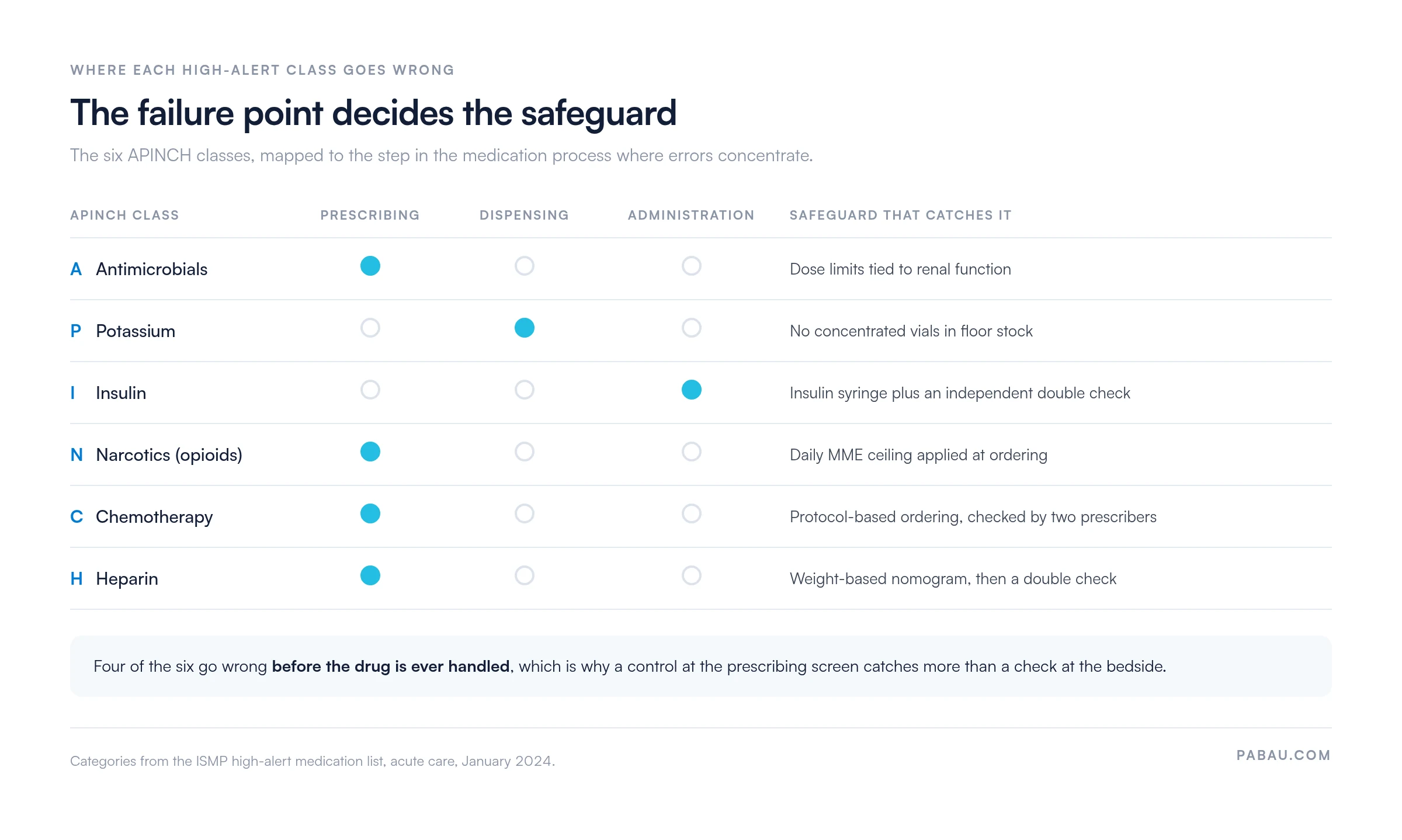
APINCH is a mnemonic for the six high-alert classes clinicians meet most often. Pharmacy students learn it early, and it works well as the spine of a practice’s own list.
What makes APINCH useful is that each letter fails at a different point in the process. Antimicrobial and heparin errors usually start at prescribing, in a dose worked out against the wrong weight or the wrong kidney function.
Chemotherapy and opioid errors also begin at ordering, where the protocol or the daily total gets set. Potassium errors happen at dispensing, when a concentrated vial is picked up instead of a premixed bag. Insulin errors land at administration, where U-100 and U-500 get mixed up.
Mapping each class to its failure point tells you where the check belongs. Prescription management software catches a share of these at the moment of ordering, before anything is drawn up.
LASA stands for look-alike/sound-alike: drugs whose names, packaging or strength labels are close enough that one gets picked up in place of another. Plenty of drugs sit on both the LASA list and the high-alert list, and those are the ones worth guarding hardest.
The documented pairings are specific, and using the right ones matters more than listing plausible-sounding ones. Methotrexate is confused with metolazone, a diuretic. Metformin is confused with metronidazole. Morphine is confused with hydromorphone, which is roughly five times more potent.
Cefazolin shows how rarely the documented pairs match intuition. It is confused with cefotetan, cefoxitin, ceftazidime and ceftriaxone, rather than with the oral cephalexin you might expect from the name alone.
Tall man lettering is the standard fix, so HYDROmorphone stands apart from morphine and metFORMIN from metroNIDAZOLE. Separate storage and a read-back at the point of use do the rest. Because these drugs are both high-alert and easily confused, they earn the strongest controls a practice has.
A list on its own doesn’t reduce harm. Published work on medication safety is blunt about this. Without paired risk reduction strategies, a list of names does close to no work. Errors get caught at three points, and each one needs its own control.
Most policies fail in practice for the same handful of reasons. Watch for these:
An independent double check means two qualified people verify the same dose without comparing notes first. That independence is the entire point. A check where the second person already knows the expected answer confirms the first person’s thinking instead of testing it.
Before you administer, run the usual six rights: right patient, right drug, right concentration, right dose, right route, right time. A high-alert drug adds a seventh. Somebody else has to have reached the same answer on their own.
The Joint Commission expects accredited organizations to hold written procedures for high-alert medications. Independent double checks for inpatient administration, and pharmacist verification for outpatient dispensing, are the widely accepted answers to that expectation.
The ISMP list is the reference, but it isn’t your list. A primary care practice leans on oral anticoagulants and diabetes medications. An oncology practice leans on chemotherapy. Trimming the list to the drugs you stock keeps it credible, and it stops staff tuning out flags on drugs you have never stocked.
Step 1: Start from the ISMP list for your setting. Take the acute care or the ambulatory version as your base. Building one from scratch throws away decades of safety research that regulators already accept.
Step 2: Look at what you prescribe most. Pull 12 months of dispensing or EMR data, or work from the practice’s own medication log. Which drugs come up most, and which of those could hurt someone in your particular workflow?
Step 3: Add your own entries. If you use a high-risk drug that ISMP doesn’t list, add it and write down the reason. That note is what protects the decision when someone new asks why it’s there.
Step 4: Assign a safeguard to every entry. Decide per drug or class whether it needs a double check, a standing protocol, separate storage, or extra training. Write the decision into the policy rather than leaving it to habit.
Step 5: Tell people, then train them. Put the list into onboarding, post it in the medication room, and bring it up in safety huddles. A list nobody has read is a document, not a control.
Step 6: Review it once a year. Re-check it whenever ISMP revises a list. Accreditors look for evidence of that annual review in your files, and a date on the document is the easiest evidence to produce.
One more piece belongs alongside the list. When a high-alert drug does cause harm, the write-up matters as much as the fix. A pattern only shows up when the details are recorded the same way each time. An adverse reaction form keeps that record consistent.
A PDF on the wall only helps the person walking past it. Clinical decision support puts the same rules inside the prescribing screen, at the moment someone is about to act.
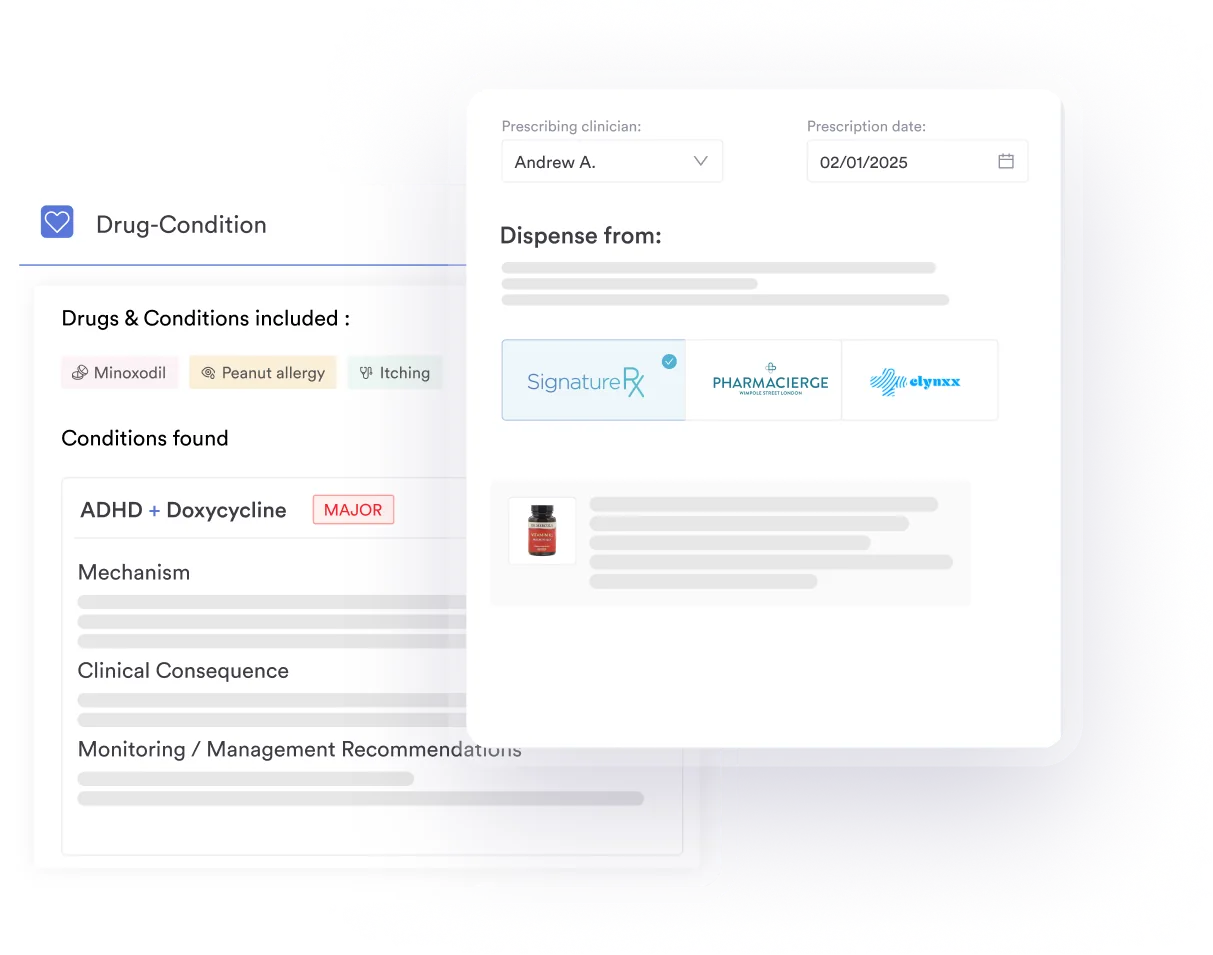
One caution goes with all of this. Alerts only work while people still read them, so a system that fires on every third order trains staff to click through. Tune the list until the flags are rare enough to mean something.
The policy behind the alerts needs a home too. Compliance management software keeps the written policy, the sign-offs and the audit trail together. An accreditor’s request then turns into a search rather than a hunt through box files.
The Joint Commission requires accredited organizations to identify and manage high-alert medications, and it treats the ISMP list as the authoritative source.
Surveyors look for documents rather than intentions, so keep these ready:
CMS Conditions of Participation set a similar expectation for hospitals billing Medicare, through the medication management standards. The wording differs, but the evidence a surveyor wants is much the same.
Outpatient practices face a lighter regulatory hand, though not an absent one. State pharmacy boards and professional bodies endorse the ISMP list. Malpractice carriers often ask what a practice’s medication safety policy looks like before they quote.
In most practices the high-alert list lives in three places at once. There’s a laminated copy in the medication room, a PDF somewhere on the shared drive, and a version in the lead clinician’s head. When ISMP revises a list, two of those three quietly go out of date.
Practice management software like Pabau puts the list where the work happens. Keep it as a digital form attached to the treatment note, and whoever administers the drug ticks each safeguard as they go. Prescriptions, treatment notes and patient records sit in the same file, so an order and its administration record stay one click apart.
That pays off at review time. You can show an accreditor which high-alert drugs were given, by whom, and with what sign-off. That becomes a report you run rather than a box file you dig through.

Pabau stores your medication safety forms against each patient record and timestamps every sign-off. The policy, the administration note and the audit trail stay in one system instead of three.

Getting this right comes down to two decisions. First, which drugs in your practice can seriously hurt someone if an error gets through. Second, what specific safeguard each of those drugs gets. ISMP answers the first question for you. The second one is yours, because it depends on how your team actually works.
So take the template above, strip out the drugs you never touch, and assign a safeguard to each one that’s left. Then put a review date in the calendar. A list nobody has opened since 2022 is the one a surveyor will find first.
Book a demo to see how Pabau keeps medication safeguards attached to the patient record instead of a binder on the wall.

Need a record of every dose given? Medication schedule template lays out doses across the day and week, which is where duplicate dosing usually shows up.
Training staff on a new drug class? Drug card template gives each medication a one-page reference covering dose, route and monitoring.
Building checks into a procedure? WHO surgical safety checklist shows how a short verbal check before a step catches errors the paperwork misses.
Worried about what happens after discharge? Discharge planning checklist covers medication reconciliation, the step where high-alert drugs most often go astray.
Looking at how records are kept? Clinical documentation software explains what to look for when medication records need to survive an audit.
No. Controlled substances are classified by their potential for misuse and diversion, and the rules around them are legal ones. High-alert medications are grouped by how much harm an error causes. Opioids sit in both groups, which is where the confusion starts. Potassium chloride is high-alert and not controlled at all.
Name one person and put it in writing. In hospitals this usually sits with a pharmacy and therapeutics committee or a medication safety officer. A small practice rarely has either, so the clinical lead or the lead pharmacist takes it on. The owner handles the annual review, any update after an ISMP revision, and training for new staff.
Treat the patient first, then document what happened while people still remember it. Record the drug, the dose given, the dose intended, and the point in the process where it went wrong. Report it internally, and to a national reporting program where the case would help other practices. Then change the safeguard, because a report that changes no procedure is paperwork.
Pediatric care adds failure modes an adult list never covers. Almost every dose is weight-based, so a misplaced decimal point shifts the dose by a factor of ten. Liquid medications have to be measured rather than counted. Practices treating children should add those risks to their list rather than rely on the adult version.