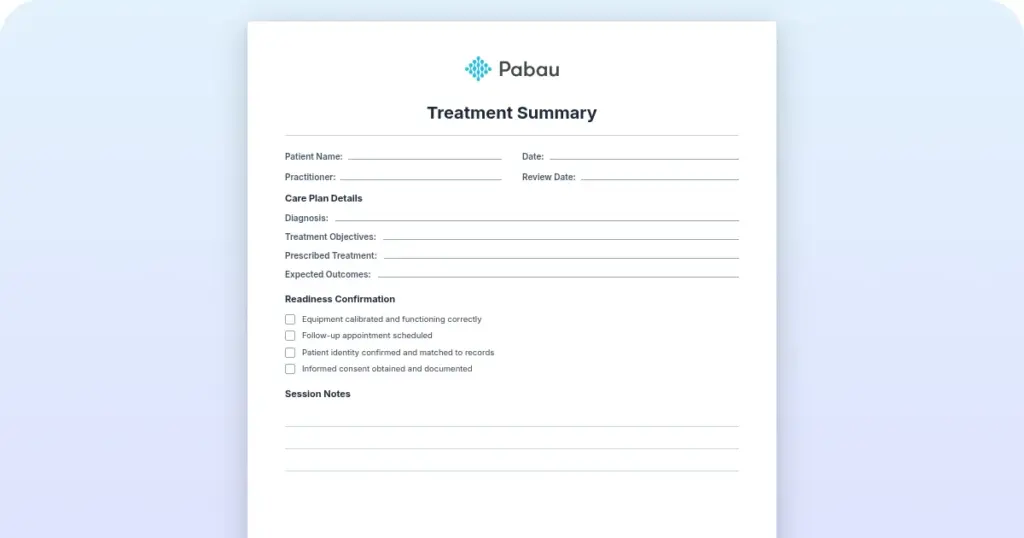
Treatment summary
A treatment summary is a written record of what care was delivered during an epi...

2
Last Updated: Oct 16, 2026

Deep vein thrombosis (DVT) is a blood clot in a deep vein, usually the legs, requiring urgent anticoagulation therapy and systematic nursing monitoring to prevent pulmonary embolism.
The five primary NANDA nursing diagnoses for DVT are: Ineffective Peripheral Tissue Perfusion, Acute Pain, Risk for Bleeding, Impaired Physical Mobility, and Deficient Knowledge.
Nursing interventions focus on anticoagulation monitoring, limb assessment, early ambulation, compression therapy, and preventing post-thrombotic syndrome complications.
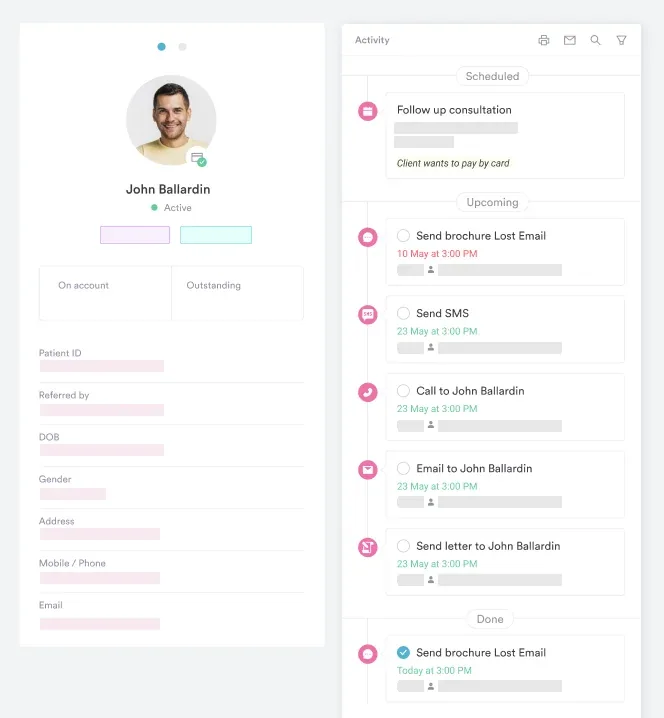
Pabau’s digital forms and client record features streamline documentation of care plans, assessment findings, and anticoagulation monitoring parameters for DVT patients.
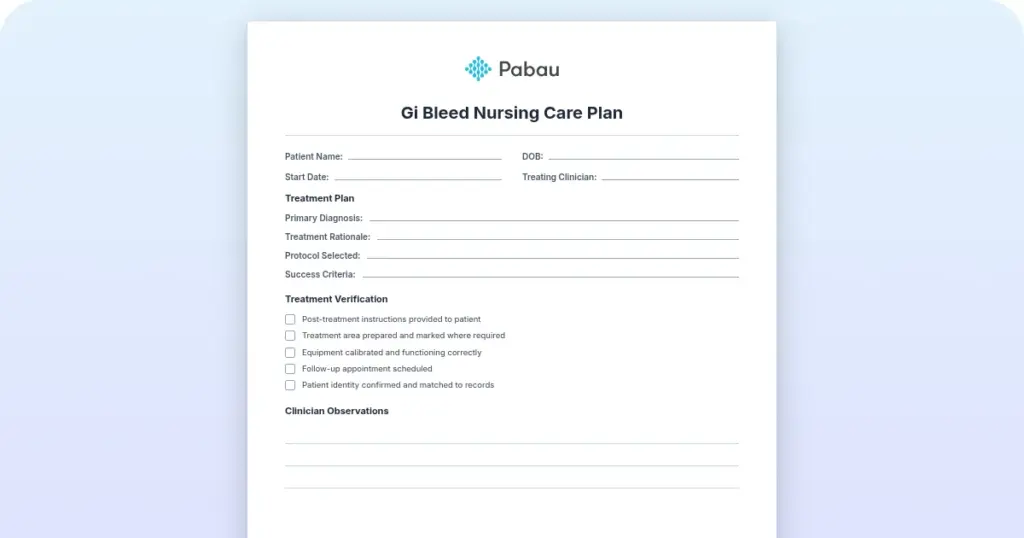
A structured care plan template covering NANDA nursing diagnoses, expected outcomes, evidence-based interventions with clinical rationale, patient education checkpoints, and discharge planning criteria for deep vein thrombosis management.
Download templateNurses managing patients with deep vein thrombosis face competing priorities: Preventing clot extension, detecting early signs of pulmonary embolism, monitoring anticoagulation therapy, managing pain, and preparing patients for safe discharge.
A structured DVT nursing care plan anchors this work. This guide explains each component of an evidence-based care plan and provides a downloadable template aligned with NANDA International diagnoses, current anticoagulation protocols, and The Joint Commission VTE prevention standards.
Deep vein thrombosis occurs when a blood clot forms in one or more deep veins, most commonly in the legs. DVT can develop after prolonged immobility, surgery, trauma, cancer, or inherited clotting disorders.
The condition is serious because the clot can break loose, travel to the lungs. Understanding Virchow’s triad — venous stasis, endothelial injury, and blood hypercoagulability — helps nurses identify risk factors and intervene early.
Early detection and rapid anticoagulation therapy significantly reduce the risk of PE and clot extension. Nurses in physical therapy settings and sports medicine settings often encounter post-operative DVT, while medical-surgical units manage DVT from immobility or malignancy. Medical directors and MSOs setting DVT protocols must ensure nursing assessment and documentation meet regulatory standards for VTE prevention.
Systematic assessment is the foundation of any DVT nursing care plan. Nurses begin with a complete leg examination: Measure bilateral calf circumference, assess for asymmetrical edema, palpate for calf tenderness, and inspect for skin color changes or dilated superficial veins. Like Kernig’s sign in neurological exams, single-point tests such as Homan’s sign carry limited diagnostic value on their own.
Once DVT is confirmed by compression ultrasound, ongoing assessment monitors for limb progression and signs of PE. Daily limb assessments are documented in the care plan and communicated to the prescribing provider.
NANDA International provides a standardized taxonomy for nursing diagnoses. These five are most relevant to DVT management:
Secondary diagnoses may include Risk for Pulmonary Embolism, Anxiety, and Risk for Impaired Skin Integrity. The DVT nursing care plan addresses each diagnosis with specific, measurable expected outcomes and evidence-based interventions.
The interventions below represent the standard of care supported by the American College of Chest Physicians (ACCP) Antithrombotic Therapy Guidelines and The Joint Commission VTE prevention standards. Baseline manual muscle testing before mobilization helps confirm a patient can safely progress through the ambulation steps below.
Anticoagulation therapy is the cornerstone of DVT treatment. Unfractionated heparin (UFH), low-molecular-weight heparin (LMWH), and direct oral anticoagulants (DOACs) each require specific monitoring. Warfarin demands INR checks and dietary counseling. Document all interventions with timestamps and clinical responses.
Managing DVT care across paper charts, separate anticoagulation tracking sheets, and disconnected patient education materials raises the risk of missed vital signs or medication checks. Book a demo to see how Pabau consolidates assessment findings, intervention tracking, and patient communication into one integrated care platform. Nurses document once, and the entire team stays aligned.
Patient education is the fifth NANDA diagnosis for DVT and a critical discharge requirement. Before discharge, patients must understand their anticoagulation regimen, recognize warning signs of PE, and commit to follow-up appointments.
Document all teaching and patient comprehension in the clinical record. Involve family members in education to reinforce learning and support discharge goals. A structured discharge plan documents medication management, equipment needs, and follow-up instructions before the patient leaves.
Comprehensive documentation protects patients and reduces liability. Document the following each shift:
Use standardized terminology aligned with the care plan. Flag any signs of PE, bleeding, or heparin-induced thrombocytopenia (HIT) immediately.
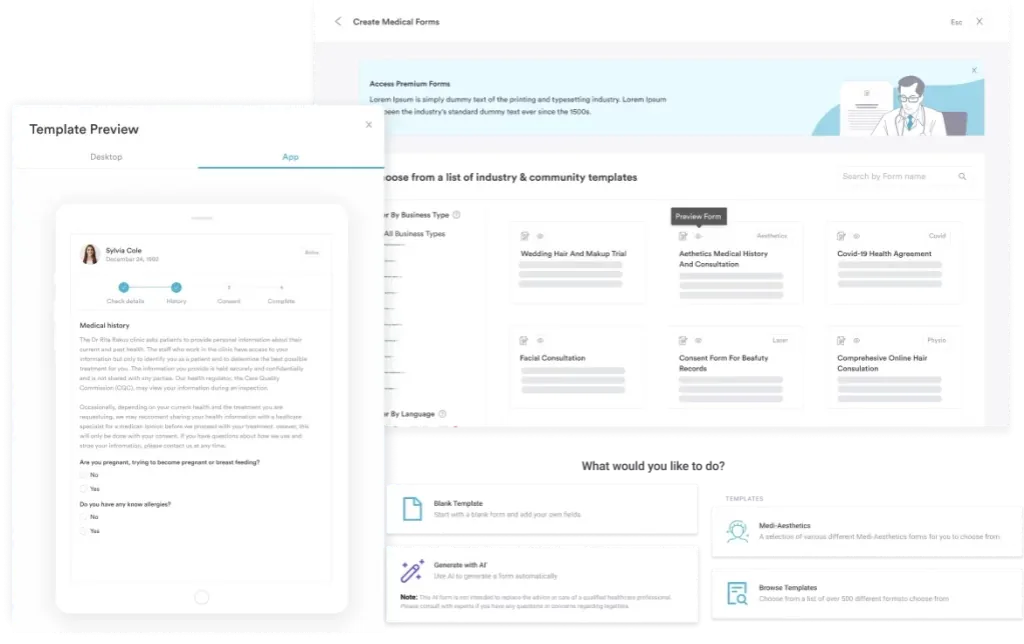
Consistent documentation practices ensure all team members can quickly locate assessment data and intervention outcomes. When using digital intake forms, configure fields to capture daily limb measurements, pain scores, and anticoagulation monitoring parameters. This eliminates transcription errors and creates an audit trail for regulatory reviews (CQC, Joint Commission).
A care plan template is a starting point, not a finished product. After downloading this DVT template, follow these steps to customize it for your patient:
This customization process mirrors approaches used in other structured nursing care plans. The goal is a living document that guides care and documents the patient’s response. Update the care plan when the patient’s condition changes, new anticoagulation drugs are started, or discharge is imminent.
A structured DVT nursing care plan using NANDA diagnoses, evidence-based interventions, and clear expected outcomes ensures systematic, safe patient management. The downloadable template above provides a starting framework. Your clinical judgment, patient assessment, and care team collaboration bring it to life.
Anticoagulation monitoring, early detection of PE, and patient education transform DVT from a life-threatening crisis into a manageable chronic condition. Use this guide to build confidence in your DVT care delivery and reduce preventable complications.

Managing medications for a DVT patient? Medication schedule template covers filling in one sheet per medicine, plus the checks to run before handing it over.
Need another systematic assessment framework? Gastrointestinal assessment follows the same structured approach nurses can adapt to other body systems.
Need a ready-made discharge document? Emergency contact form templates cover exactly the information every DVT discharge packet needs.
The five core NANDA nursing diagnoses for DVT are Ineffective Peripheral Tissue Perfusion, Acute Pain, Risk for Bleeding, Impaired Physical Mobility, and Deficient Knowledge. These address perfusion, comfort, safety, function, and learning — the five pillars of DVT care.
No. Homan’s sign (pain on dorsiflexion) has poor sensitivity (~50%) and specificity for DVT. Modern guidelines (ACCP, NICE) do not recommend it as a standalone test. Compression ultrasound and Wells score are more reliable for DVT assessment and diagnosis.
Early ambulation is safe within 24-48 hours of DVT diagnosis if the patient is anticoagulated and uncomplicated. Early movement enhances venous return and reduces risk of post-thrombotic syndrome. Consult the provider before mobilizing patients with massive DVT, IVC thrombus, or active bleeding complications.
DVT affects deep veins and carries PE risk. Thrombophlebitis affects superficial veins and rarely causes PE. DVT nursing care demands anticoagulation monitoring and PE precautions. Thrombophlebitis usually requires analgesia and compression, not systemic anticoagulation, though nursing assessment principles overlap.
Anticoagulation monitoring depends on the drug. UFH requires daily aPTT checks, warfarin requires INR monitoring (target 2.0-3.0 for DVT), and DOACs require baseline and periodic renal function tests. Document all values, report out-of-range results to the provider immediately, and assess daily for bleeding signs (bruising, blood in urine, gum bleeding).