GLP-1 diet plan
A GLP-1 diet plan is a structured eating framework for patients taking semagluti...

2
Last Updated: Oct 13, 2026

A mindfulness walk worksheet is a therapeutic tool that guides clients through structured walking meditation combining physical movement with mindful awareness.
The worksheet guides clients through three phases: pre-walk intention-setting, an in-walk five-senses and gratitude reflection, and a closing post-walk reflection question.
Research supports mindfulness walking for stress reduction, anxiety relief, grounding in present-moment awareness, and improved emotional regulation.
Practice management software like Pabau lets you customize and distribute the mindfulness walk worksheet directly to clients via your patient portal.
A ready-to-use worksheet covering pre-walk intention-setting, a five-senses awareness grid, a gratitude reflection, and a closing reflection question for clients.
Download templateA mindfulness walk worksheet is a structured therapeutic tool that guides clients through a walking meditation practice combining physical movement with present-moment awareness. Used across mental health and counseling practices, wellness centers, and other therapeutic settings. The worksheet supports clients in managing stress, anxiety, and emotional regulation while building grounding skills through sensory observation and breath awareness during a guided outdoor or indoor walk.
A mindfulness walk worksheet is a downloadable clinical tool that structures a guided walking meditation exercise with three distinct phases: preparation, the active walk, and reflection. Unlike unstructured walking, the worksheet anchors the client’s attention to specific sensory and somatic cues — breath, body sensations, environmental stimuli — creating a formal mindfulness practice within everyday movement.
The worksheet serves multiple clinical purposes. It provides practitioners with a standardized protocol they can offer consistently across the caseload. It gives clients a clear framework for engagement, reducing ambiguity about what “mindful walking” means in practice. Most importantly, it creates a documented record of the intervention — essential for clinical notes, treatment planning, and measuring client progress.
The American Psychological Association (APA) has published mindfulness walk activities for clinical settings, and the VA’s MIRECC (Mental Illness Research, Education, and Clinical Centers) developed a formal mindful walking transcript for veterans’ mental health programming, confirming this as an evidence-informed therapeutic approach.
Mindfulness walking integrates the stress-reduction benefits of meditation with the physiological benefits of movement. For clients already tracking severity with a validated tool like the DASS-21, worksheet reflections add qualitative context to those scores. Research and clinical practice support several outcomes:
The worksheet template is structured around four core sections, each serving a distinct clinical purpose:
The worksheet opens with fields for the client’s name, age, gender, and the date, then a short intention-setting prompt: “What do you hope to gain from this experience?” This grounds the client before they start walking and gives you a documented starting point for the session.
During the walk, clients work through a five-senses grid: what catches their eye (sight), what they hear (sound), what they smell, what they taste, and what they feel (touch). This section anchors attention to present-moment experience.
Next, the worksheet asks clients to note three things they are grateful for in that moment. This step shifts attention from observation to appreciation, reinforcing the practice’s relaxation-focused aim. Clients who respond well to this prompt can carry the habit forward with a standalone gratitude tree exercise between sessions.
The worksheet closes with a single reflection prompt: how do you feel compared to when you started, and what did you learn about yourself or your surroundings? This question consolidates the practice and creates clinical documentation of the intervention’s impact, useful for treatment planning and progress notes.
If your current platform cannot handle digital worksheets, compare Carepatron alternatives before committing.
Integrating the mindfulness walk worksheet into your practice follows a straightforward five-step process:
The worksheet is flexible and can be tailored for diverse populations and clinical contexts. Research shows mindfulness walking is safe and effective across age groups and settings — the key is thoughtful adaptation. A Big Five profile from the International Personality Item Pool gives you extraversion and neuroticism scores to weigh when choosing between solo and group formats.
Use the full worksheet as designed. Adults benefit from detailed reflection prompts and can manage longer walks (15-30 minutes). Emphasize the practice as a tool for managing work stress, anxiety, or rumination. Document the session and consent details in clinical notes to establish the therapeutic context. Adults whose closing reflections keep returning to childhood dynamics can take that material into a family of origin worksheet between sessions.
Simplify language, shorten walk duration (5-10 minutes), and add playful elements. Instead of “interoceptive awareness,” ask, “What do you feel in your legs and arms?” Include nature-based observations (counting trees, noticing colors) to maintain engagement. For younger children, consider a scavenger-hunt format (find something soft, something red) paired with mindfulness prompts.
Conduct the walk as a group (8-12 participants) in a safe location. Use a simplified, unified reflection prompt rather than individual worksheets. Afterwards, facilitate a brief group debrief where participants share observations. This builds community while allowing individual experience. Groups benefit from normalizing diverse responses — some notice sounds, others body sensations; all are valid.
For clients with mobility limitations, offer a seated mindfulness practice with the same structure: breath and body awareness first, then guided visualization of outdoor movement, then reflection.
Offering a structured mindfulness walk worksheet signals to clients that you take their wellbeing seriously and have a clear plan for their treatment. It reduces your documentation burden — the worksheet is the progress note — and creates measurable data about client response. Practices using structured clinical documentation support treatment continuity and get clearer evidence of intervention impact for insurance and audit purposes.
The worksheet also demonstrates your clinical competence. Clients respect practitioners who provide tools they can understand and use independently, building therapeutic alliance and improving retention.

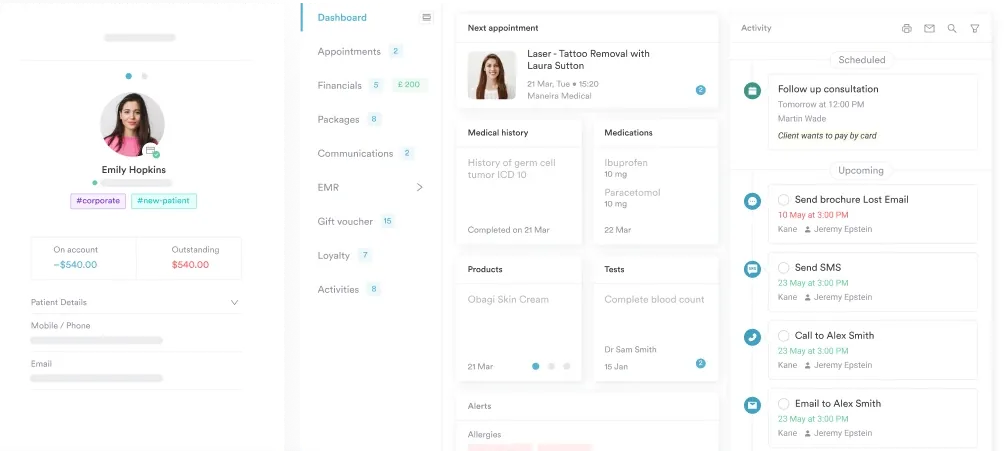
Distribute worksheets to clients via your secure patient portal, capture their reflections within session notes, and track mindfulness interventions across your caseload.

This worksheet is designed for mental health practitioners, therapists, counselors, and healthcare professionals offering evidence-informed care across several settings:
A downloadable mindfulness walk worksheet delivers four critical clinical benefits. First, it ensures consistency: every client receives the same evidence-informed structure regardless of which practitioner facilitates the practice. Second, it creates compliance documentation — clients’ completed worksheets serve as session records, supporting treatment continuity and clinical audit. Third, it reduces your cognitive load: you do not need to remember detailed instructions or create custom guidance; the worksheet is your script. Fourth, it improves client outcomes by providing clear expectations and a tool they can use independently between sessions, extending the therapeutic benefit beyond the practice.
Save time on post-session documentation: scan or photograph the completed worksheet and attach it to the client’s session notes immediately. This creates a complete record of the intervention and client response without additional writing.
The mindfulness walk worksheet is a simple yet powerful tool for expanding your clinical toolkit. It offers clients an accessible entry point to mindfulness practice, gives you a structured protocol with built-in documentation, and demonstrates your commitment to evidence-informed care. Download the template today and introduce your first client to the practice — they will appreciate the clarity and guidance.

Looking for a personality assessment instead? Machiavellianism test template is a ready-to-use MACH-IV form with all 20 items and space for clinical interpretation.
Running a motivational interviewing session next? Motivational interviewing cheat sheet puts OARS, PACE, DARN-CAT, and the five stages of change on one printable sheet.
Curious what drives a client’s behavior? Number personality test covers each type’s core desire, core fear, and stress response, with a wing scoring section.
A mindfulness walk worksheet is a downloadable clinical tool that structures a guided walking meditation with preparation, in-walk sensory awareness prompts, and post-walk reflection questions. It helps practitioners offer a consistent, evidence-informed intervention and creates documentation of the therapeutic activity.
A typical mindfulness walk lasts 10-20 minutes for adults and 5-10 minutes for children or clients new to mindfulness. Duration depends on client fitness, location, and comfort level. Start shorter and extend as the practice becomes familiar.
Yes. Adapt the worksheet by simplifying language, shortening duration, and adding engaging elements (nature scavenger hunt components, color observation). Children 6+ can understand and benefit from sensory-focused walking practices.
Regular walking is often automatic; the mind wanders to worries or future plans. Mindful walking anchors attention to present sensations-breath, body, sounds, textures-interrupting rumination and activating the relaxation response.
Yes. Research confirms mindfulness-based interventions, including walking meditation, reduce anxiety symptoms by grounding attention in the present moment and activating parasympathetic nervous system activation. Use alongside other therapeutic approaches for best results.