CPT code 93503: Swan-Ganz catheter billing and modifiers
CPT code 93503: Official descriptor and procedure overview In the AMA CPT code s...

Last Updated: Oct 23, 2026
G0447 is the HCPCS Level II code for face-to-face behavioral counseling for obesity, 15 minutes.
Let Pabau's smart automation suggest the right codes, reduce claim denials, and keep your practice compliant—effortlessly.
Automate repetitive tasks and focus on what matters most—your patients.
Reduce coding errors and ensure compliance with the latest regulations.
Clean claims, fewer denials, and faster reimbursements.
Powerful insights and reporting to help your practice thrive.
HIPAA compliant SOC 2 certified GDPR-compliant Trusted by 4,000+ clinics worldwide

HCPCS Code G0447 covers face-to-face behavioral counseling for obesity, 15 minutes, billed under Medicare Part B as a preventive service
Patients must have a BMI of 30 kg/m2 or higher, and sessions must occur in a primary care setting with an eligible provider
Medicare allows up to 20 IBT sessions in year one, and exceeding frequency limits is a leading cause of claim denial
Pabau’s practice management software helps primary care practices document G0447 sessions, attach the correct modifier, and track visit frequency without manual errors
HCPCS Code G0447 is a Medicare Level II code for face-to-face behavioral counseling for obesity, 15 minutes. It is one of two codes in the Intensive Behavioral Therapy (IBT) for Obesity benefit, alongside G0473, under Medicare National Coverage Determination (NCD) 210.12. Medicare made this benefit effective for dates of service on or after November 29, 2011. G0446 covers a separate cardiovascular-disease-risk benefit under NCD 210.11, not the obesity benefit.
G0447 covers the individual, in-person 15-minute counseling session. It is not a CPT code, and it does not require a referral from a specialist. According to the Centers for Medicare and Medicaid Services’ HCPCS system, G-codes like G0447 fill gaps where no CPT code exists for a Medicare-covered service. This article covers who can bill it, what documentation it requires, and how to avoid the most common denial reasons.
Medicare Part B covers HCPCS Code G0447 without cost-sharing under the Affordable Care Act preventive services mandate. To qualify, patients must meet three conditions:
The BMI threshold is absolute. A patient with a BMI of 29.9 does not qualify, even if they present with obesity-related comorbidities. Practices billing metabolic health EMR workflows should configure BMI eligibility checks before the encounter to prevent post-service denials.
Supporting patient compliance tracking at the point of care helps practices demonstrate that the counseling content met Medicare’s behavioral counseling standards. Those standards require addressing diet, physical activity, and behavioral change strategies during the session.
Not every provider who delivers obesity counseling can bill this code under Medicare. CMS restricts eligible billing providers to those operating in a primary care setting. Eligible practitioners include:
Registered dietitians cannot bill G0447 independently under Medicare Part B, even when they provide the counseling. The service must be billed by or under the supervision of an eligible primary care provider. This is a common compliance issue in primary care practice software setups where dietitians are embedded in the care team.
The primary care setting requirement is equally strict. Billing from a cardiology, endocrinology, or weight-loss specialty office will result in denial, regardless of provider credentials. Practices reviewing their setup can find guidance in this small practice EMR comparison, which covers setting and eligibility checks.
Medicare reimbursement for HCPCS Code G0447 varies by locality. The 2026 national average rates below are approximations based on published CMS data. Verify your specific locality rate using the CMS fee schedule lookup tool.
Rates vary by Medicare Administrative Contractor (MAC) locality, and practices in high-cost areas may see rates 10-20% above the national average. Confirm your locality rate with your MAC.
Medicare’s IBT frequency schedule is one of the most misunderstood aspects of G0447 billing. The program allows up to 20 individual sessions in year one, structured as follows:
After year one, Medicare allows maintenance sessions if the patient achieved a 3 kg (6.6 lb) weight loss by the 6-month mark. Practices that fail to track the 6-month weight-loss threshold often continue billing maintenance sessions for patients who did not meet the criterion. Time-linked codes elsewhere need the same tracking, since S62.181G asserts delayed healing at a particular point. This creates a compliance risk.
Billing beyond the allowed frequency in any period is a leading denial trigger. Claims management solutions with built-in frequency tracking prevent this by flagging sessions that exceed the CMS-defined limit before the claim goes out.
G0447 is one of two codes in the Medicare IBT obesity benefit, alongside G0473. Understanding the distinction from G0446, a separate cardiovascular-risk code, prevents upcoding errors and helps practices build a complete obesity counseling billing strategy.
G0446 is commonly confused with G0447 because both cover behavioral counseling. The key difference: G0446 targets cardiovascular risk reduction specifically, is limited to once per year, and does not require a BMI of 30 or higher. G0473 can substitute for G0447 when group sessions are clinically appropriate, though individual sessions generally carry stronger documentation support. You can look up all three codes using the AAPC HCPCS code search tool.
Inadequate documentation is the second most common reason G0447 claims are denied after frequency violations. Each claim requires the following in the patient record:
The ICD-10 pairing matters. Morbid obesity (E66.01), obesity due to excess calories (E66.09), and other obesity codes (E66.8, E66.9) are all acceptable with G0447. Using an incorrect or unspecified code can slow adjudication. An unspecified carpal fracture coded S62.101A is the same problem in a different chapter. For practices managing primary care documentation compliance, structured intake and visit templates reduce the risk of missing a required field.
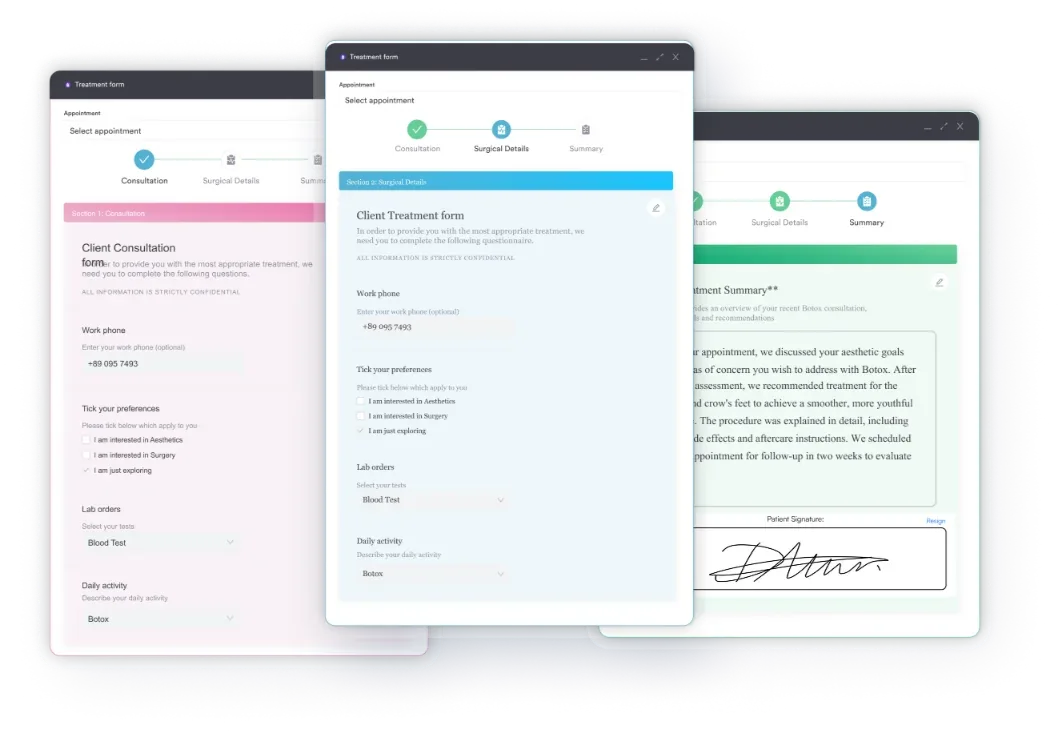
Using digital intake forms that capture BMI and counseling content at each visit creates a structured audit trail. This is particularly valuable during Medicare audits, when handwritten or inconsistently formatted notes create unnecessary compliance exposure. The same trail supports a nonunion claim under S62.111K, where the imaging history is the evidence.
HCPCS Code G0447 does not require a modifier in most standard billing scenarios. However, specific situations call for modifier attachment:
The -25 modifier is the most frequently used with G0447. A patient may receive a routine wellness visit and 15 minutes of individual obesity counseling on the same date. Both the E/M visit and G0447 can be billed together, provided the records clearly document two distinct services. A wrist injury coded S62.022D at that visit can be the second service the note describes. Failing to use -25 in this scenario typically results in the G0447 claim being bundled into the E/M and denied as a duplicate.
Telehealth applicability for G0447 changed after the COVID-19 public health emergency ended. Whether G0447 remains eligible for telehealth delivery under current CMS policy should be confirmed directly with your MAC before billing with -GT or -95.
G0447 denials cluster around a handful of preventable mistakes. Laterality sits high on the equivalent list for injury codes, which is why S62.161S names the wrist. Understanding them helps practices build a clean-claim workflow from the start.
Practices using automated billing workflows can configure pre-submission checks that flag each of these conditions before a claim leaves the practice. This reduces rework, avoids the appeals queue, and keeps the revenue cycle moving cleanly. You can also review the full list of current HCPCS codes covered under Medicare via the CMS CPT/HCPCS code list.
Submitting a clean claim for HCPCS Code G0447 requires more than knowing the code descriptor. Each session needs the right combination of documentation, diagnosis pairing, modifier logic, and frequency tracking, and none of that happens automatically without the right system. A fracture claim needs the same four, with S62.172K adding a healing status on top.
Here is a five-step workflow for practices billing G0447 through a practice management software platform:
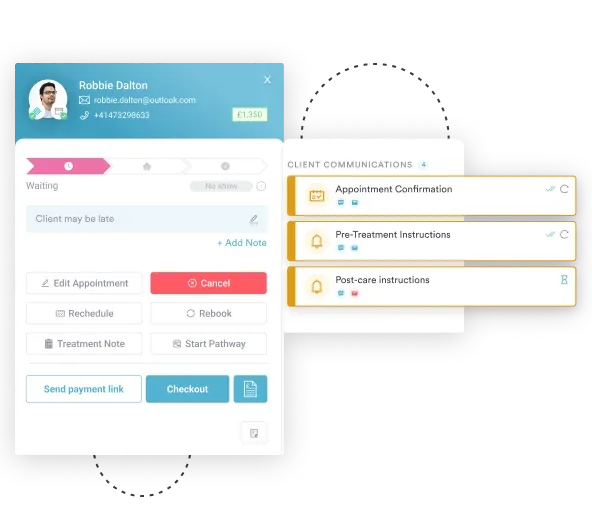
Pabau’s billing tools support this workflow end to end. Digital visit forms capture the required documentation fields. The billing module attaches modifiers at the line-item level, and the reporting layer tracks IBT session frequency per patient across the program year. Practices switching EHR systems should look for these specific capabilities when evaluating a new platform for G0447 billing.
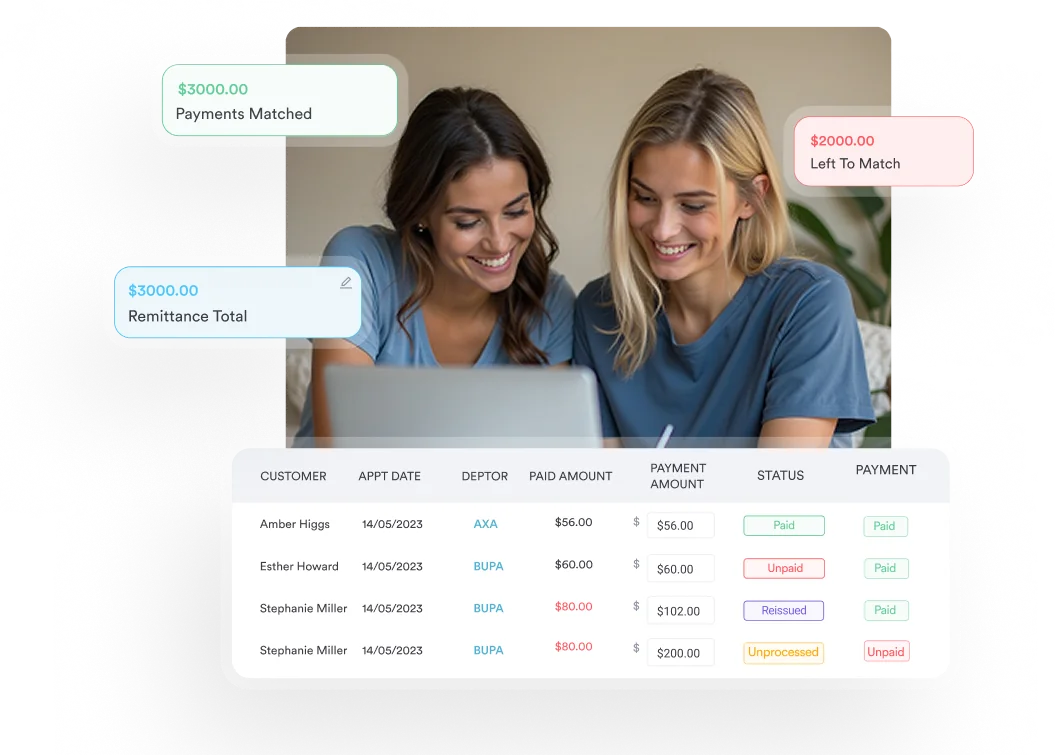

Pabau helps primary care practices document obesity counseling visits, attach the right modifiers, and track session frequency, all from one platform.

Before submitting your first G0447 claim, run a sample claim through your MAC’s claim checker. Each MAC publishes local coverage guidance for IBT obesity that may include additional documentation requirements beyond the CMS national standard. Noridian, CGS, Palmetto, and other MACs vary in how strictly they interpret the primary care setting rule.
Billing HCPCS Code G0447 correctly comes down to three things. Confirm patient eligibility before each session, document the counseling content in enough detail to survive an audit, and track frequency against the Medicare IBT schedule. Miss any one of these and the claim goes to denial.
Pabau’s weight loss clinic software gives primary care teams a single platform to manage eligibility checks and structured documentation. It also handles modifier logic and frequency tracking for every G0447 session. To see how it fits your billing workflow, book a demo.

Billing incontinence supplies instead? Incontinence supply billing guide covers state Medicaid rules, service limits, and modifier requirements for incontinence liners and pads.
Also billing a post-cataract vision lens? Spherocylinder bifocal lens billing guide covers billing a bifocal lens per eye once Medicare Part B covers post-cataract vision correction.
Also billing a trifocal myodisc lens? Myodisc trifocal lens billing guide covers billing a lenticular myodisc trifocal lens per lens and why the order must name it.
HCPCS Code G0447 is a Medicare Level II code for face-to-face behavioral counseling for obesity, lasting 15 minutes per session. It covers individual in-person counseling delivered by an eligible primary care provider to Medicare Part B beneficiaries with a BMI of 30 kg/m2 or higher. This falls under the Intensive Behavioral Therapy (IBT) for Obesity benefit.
G0446 covers annual intensive behavioral counseling to reduce cardiovascular disease risk and is limited to once per year with no BMI requirement. G0447 covers individual obesity counseling specifically and requires a BMI of 30 kg/m2 or higher. It allows up to 20 sessions in year one under the Medicare IBT frequency schedule.
Modifier -25 is used when G0447 is billed on the same day as a separately identifiable evaluation and management service. Modifiers -GT or -95 apply to telehealth delivery, though current telehealth eligibility for G0447 must be verified with your Medicare Administrative Contractor. Modifier -GY is used when billing a secondary payer for a non-covered service.
Each G0447 claim needs the patient’s BMI (30 kg/m2 or higher), documented at the specific visit date. It also needs provider credentials confirming eligibility, plus confirmation of a face-to-face session lasting at least 15 minutes. Finally, it needs documentation of counseling content covering diet and physical activity, and an E66.x ICD-10 obesity diagnosis code as the supporting diagnosis.