

ICD-10 code S61.201A: Open wound of left index finger without nail damage
ICD-10 code S61.201A covers a left index finger wound of unstated type ICD-10 co...

Last Updated: Oct 16, 2026
Billable Code Specific Code
S62.101A is the billable ICD-10-CM code for fracture of unspecified carpal bone, right wrist, initial encounter for closed fracture.
Let Pabau's smart automation suggest the right codes, reduce claim denials, and keep your practice compliant—effortlessly.
Automate repetitive tasks and focus on what matters most—your patients.
Reduce coding errors and ensure compliance with the latest regulations.
Clean claims, fewer denials, and faster reimbursements.
Powerful insights and reporting to help your practice thrive.
HIPAA compliant SOC 2 certified GDPR-compliant Trusted by 4,000+ clinics worldwide

S62.101A is a billable ICD-10-CM code for a fracture of an unspecified carpal bone of the right wrist, initial encounter, closed.
The 7th character A designates active treatment. Use D, G, K, P or S once the patient moves into follow-up or sequela care.
Document which carpal bone is fractured whenever imaging supports it, because S62.101A applies only when the bone is unidentified.
Laterality is never assumed, so a left wrist takes S62.102A and an undocumented side takes S62.109A.
Practice management software like Pabau captures laterality and encounter type in the note, so the coder never has to query it.
ICD-10 Code S62.101A is the diagnosis code for a fracture of an unspecified carpal bone of the right wrist. The 7th character A marks an initial encounter for a closed fracture. The code applies when the record documents a carpal fracture without naming which of the eight bones is involved.
The code is billable and valid for HIPAA-covered transactions in fiscal year 2026, which took effect on October 1, 2025. S62.101A sits in chapter 19 of ICD-10-CM, covering injury, poisoning, and certain other consequences of external causes.
Two details decide whether the code holds up under a payer review. The 7th character has to match the stage of care, and the carpal bone has to be genuinely unidentified in the record.
The table below summarizes the key reference data for S62.101A that coders and billers need at the point of claim submission.
Per the CMS ICD-10 codes page, this code remains valid and unchanged for FY2026. Billers should verify payer-specific coverage policies before submission, since reimbursement eligibility depends on documentation and payer rules, not the code’s billable status alone.
S62.101A sits seven levels deep within the ICD-10-CM tabular hierarchy. Understanding the parent chain helps coders choose between specificity levels when documentation supports a more precise code.
The parent code S62.1 covers fractures of other and unspecified carpal bones, whatever the laterality or encounter type. Once the record establishes the right wrist and an initial, closed encounter, S62.101A becomes the only correct selection. ICD-10-CM guidelines require coding to the lowest level of specificity the documentation supports.
The 7th character is a frequent source of fracture coding errors. Submitting “A” when the patient has moved into a subsequent-care phase will trigger a denial, and submitting “D” during active surgical management is equally wrong. The table below defines each 7th character available for S62.101.
“Initial encounter” means the patient is receiving active treatment, not that this is literally their first visit. A patient transferred to a specialist two weeks after the injury for ORIF is still coded with “A”, because active surgical treatment is being delivered. The same distinction runs through every trauma code in ICD-10-CM.
The carpal region contains eight small bones arranged in two rows. The proximal row includes the scaphoid, lunate, triquetrum, and pisiform. The distal row contains the trapezium, trapezoid, capitate, and hamate.
“Unspecified carpal bone” applies when imaging or clinical documentation does not identify which of these eight bones is fractured. This happens most often in the emergency department, when initial radiographs are inconclusive. It also happens when the provider documents only “wrist fracture” without naming the bone. The choice follows the documentation rather than coder preference.
When subsequent imaging or specialist review identifies the specific bone, the code should be updated to the named-bone equivalent (for example, S62.001A for scaphoid). Leaving the code as “unspecified” when documentation supports specificity is a coding error under ICD-10-CM guidelines.
The ICD-10-CM Official Guidelines for Coding and Reporting (FY2026) set out several rules that decide how S62.101A is assigned and sequenced. Practices treating orthopedic and physical therapy patients should build these into their documentation templates. Getting them wrong is one of the more avoidable causes of a rework cycle in denial management.
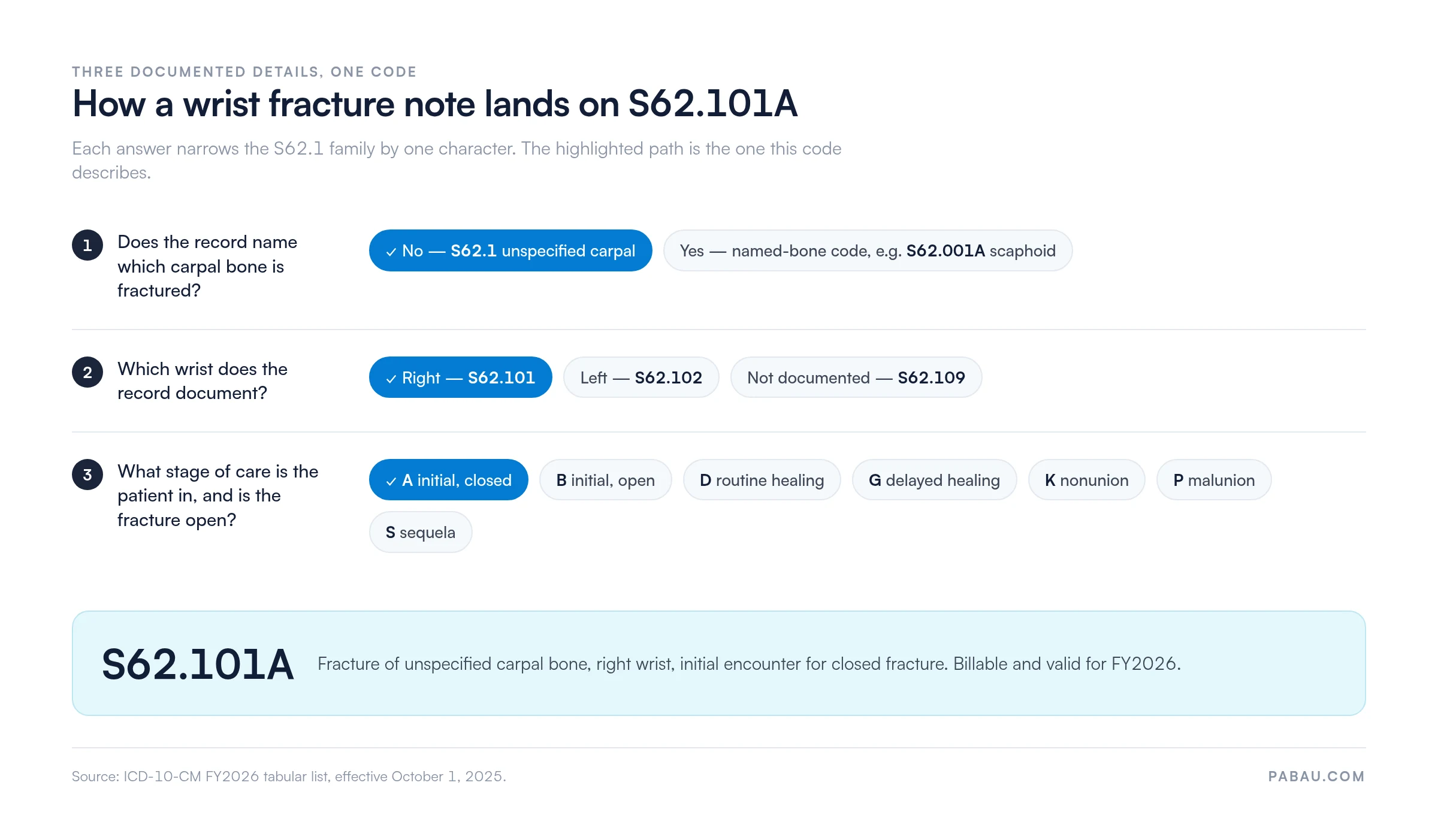
Those rules stack in a fixed order, so the code falls out of what the note already documents. The path below runs the three questions in sequence and lands on S62.101A.
Coders working wrist fracture cases meet the sibling and parent codes in the S62.1 family constantly. The table below covers the codes referenced most often alongside S62.101A. It helps when a payer queries laterality or encounter type. The full ICD-10-CM code index carries the rest of the chapter.
Practices working legacy data, audits, or payer reconciliations that reference pre-2015 claims will meet ICD-9-CM codes. The crosswalk below is approximate, because ICD-9-CM carried no laterality or encounter-type specificity for carpal fractures. For audit or research work, check the mapping against the CMS General Equivalence Mapping files.
S62.101A is a diagnosis code; it does not describe a procedure. The CPT codes submitted alongside it depend on what treatment the provider performs. The associations below represent commonly paired procedural codes, but payer coverage and bundling rules vary. Verify with the treating provider’s documentation before selecting CPT codes. According to the AAPC ICD-10-CM code reference, the procedural crosswalk depends on clinical context.
The CDC/NCHS ICD-10-CM web tool does not provide CPT crosswalks directly. Use the AAPC or CMS Physician Fee Schedule for procedure-diagnosis pairing and medical necessity documentation requirements.
Document the specific carpal bone in every operative report and imaging interpretation. When the radiologist names the bone, update the ICD-10-CM code before the claim goes out. Leaving S62.101A in place once a more specific code exists is a coding error, and it invites a payer query.
Coding errors on wrist fracture claims usually start upstream, during documentation. When the encounter note misses laterality, fracture type, or the stage of treatment, the coder has to assign a less specific code. The alternative is a query that delays billing. Practice management software like Pabau connects the note to the claim, and its claims software for orthopedics carries that detail straight through to submission.
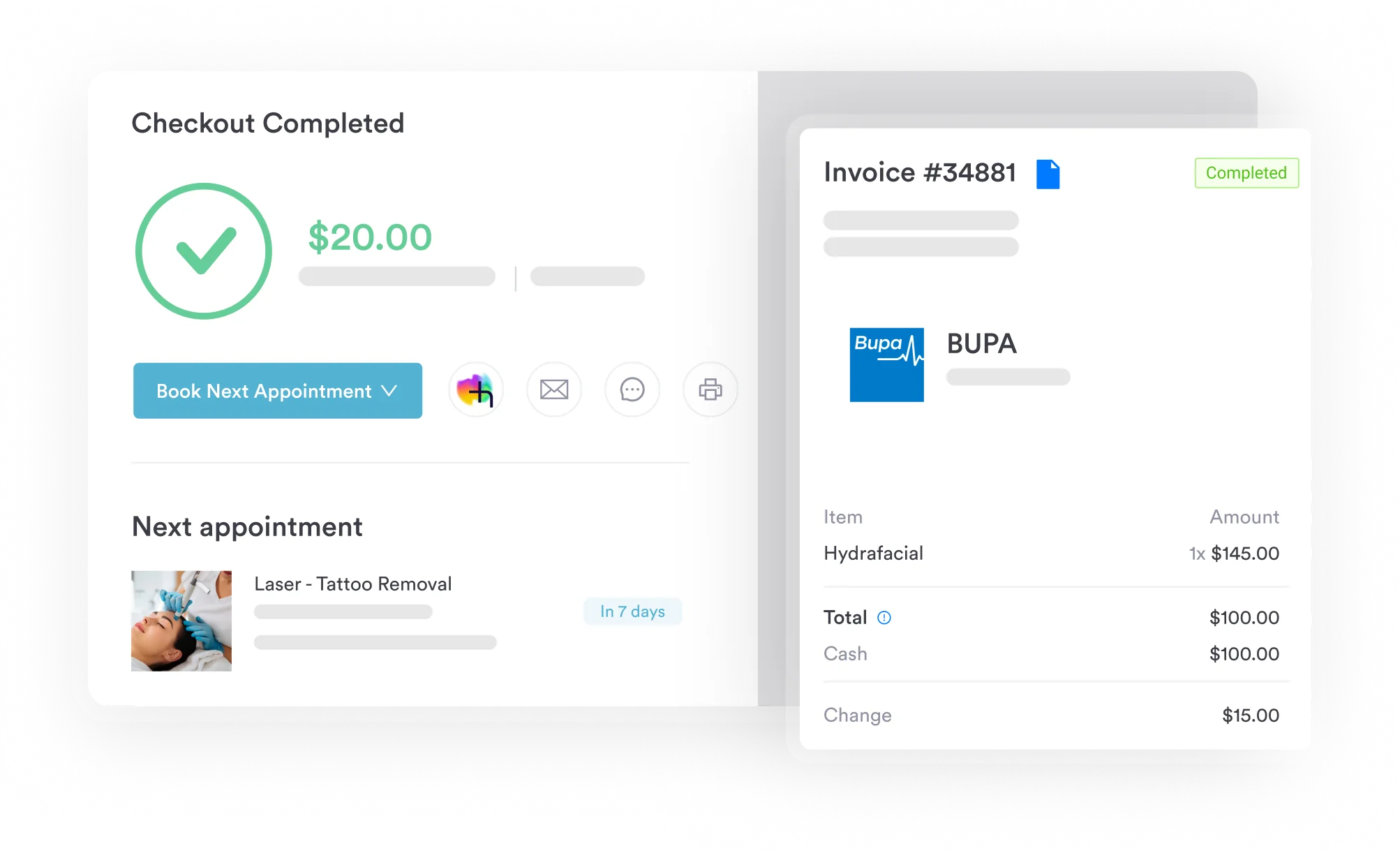
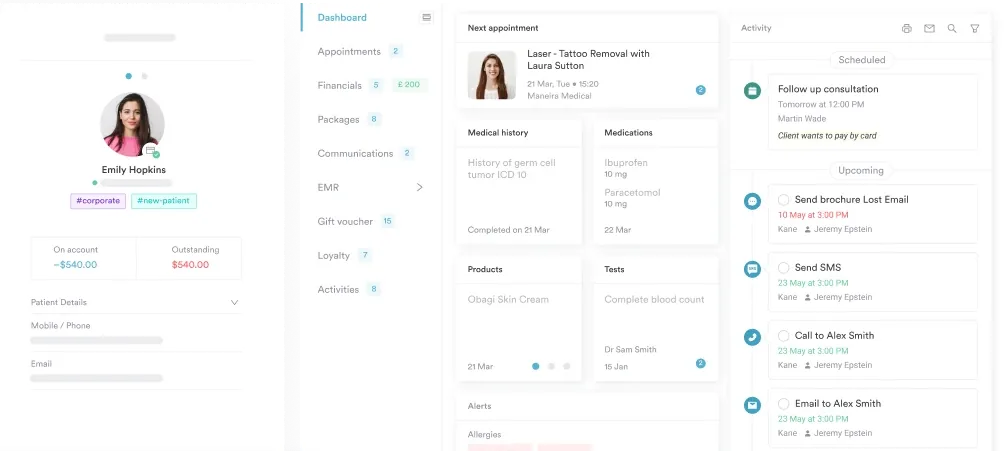
Practices using Pabau can build structured note templates that prompt the provider to record laterality, fracture classification, and encounter type at the point of care. Those fields are captured before the note is signed, so coders receive a complete record instead of chasing a clarification afterward.
For claim submission, Pabau integrates with Claim.MD to send fracture claims electronically to thousands of US payers. Eligibility verification before the encounter reduces the risk of submitting S62.101A against an inactive or non-covered plan. Electronic remittance advice then flows back into Pabau automatically, so denial reasons appear without a trip to a separate clearinghouse portal.
For practices handling high volumes of trauma and musculoskeletal claims, catching a missing detail before submission costs far less than working the denial afterward. The saving compounds across every fracture claim the practice files in a year.

Structured clinical documentation and an integrated claims workflow help orthopedic and physical therapy practices capture laterality, encounter type, and fracture classification. Every detail lands before the note is signed.

S62.101A earns its place on a claim only when the record genuinely cannot name the fractured carpal bone. Where the operative report or the radiology read does name it, the specific code is the correct one. Leaving S62.101A in place invites a query. Treat the unspecified code as a documentation signal, not a default.
Practices that hold a low denial rate on trauma claims are the ones that fixed the note. Speed at appeals is a poor substitute. Structured encounter templates and a clearinghouse connection do that work once, at the point of care. Book a demo to see how Pabau captures laterality and encounter type before a fracture claim ever leaves the practice.

Need to verify eligibility before submitting wrist fracture claims? Insurance eligibility verification covers the workflow steps that prevent submissions to inactive plans.
Managing denials on orthopedic claims? Denial codes in medical billing explains the most common CARC denial reasons and how to appeal them.
Want to understand how ERA files reduce reconciliation time? Electronic remittance advice explains 835 file processing and how ERAs automate payment posting.
S62.101A is a billable ICD-10-CM diagnosis code for a fracture of an unspecified carpal bone of the right wrist. It reports an initial encounter for a closed fracture. The code is valid for HIPAA-covered claim submission. Use it when imaging or clinical documentation does not identify which of the eight carpal bones is fractured.
Yes, S62.101A is a billable and specific ICD-10-CM code. It is valid for use on HIPAA-covered transactions and is included in the FY2026 ICD-10-CM edition, effective October 1, 2025. It can be used as the principal or secondary diagnosis code depending on the clinical context of the encounter.
Use S62.101A when the provider is actively treating the fracture. Use S62.101D once treatment has concluded and the patient is being seen for routine follow-up during healing. The switch from ‘A’ to ‘D’ usually comes after the definitive treatment phase, once casting or surgery is done. From that point the visit is monitoring rather than treatment.
The approximate ICD-9-CM equivalent for S62.101A is 814.00 (fracture of carpal bone, closed, unspecified). ICD-9-CM did not include laterality or encounter-type specificity, so the mapping is approximate. Always label these crosswalks as approximate when used in audit or research contexts, and verify against CMS General Equivalence Mapping (GEM) files.



