

CCSD code G5100: Bypass of duodenum billing guide
CCSD code G5100 bills a bypass that leaves the duodenum in place CCSD code G5100...

Last Updated: Oct 16, 2026
G0162 is the HCPCS Level II code for skilled services by a registered nurse (rn) for management and evaluation of the plan of care; each 15 minutes (the patient's underlying condition or complication requires an rn to ensure that essential non-skilled care achieves its purpose in the home health or hospice setting).
The billing side is where agencies get caught out. Coders post the units, wait for a payment line, and never see one. Medicare folds the code into the 30-day period payment instead.
So the claim is really decided elsewhere. The unit math, the nurse's credential, and the reasoning written into each visit note carry the weight. Get those three right and the claim survives review.
Let Pabau's smart automation suggest the right codes, reduce claim denials, and keep your practice compliant—effortlessly.
Automate repetitive tasks and focus on what matters most—your patients.
Reduce coding errors and ensure compliance with the latest regulations.
Clean claims, fewer denials, and faster reimbursements.
Powerful insights and reporting to help your practice thrive.
HIPAA compliant SOC 2 certified GDPR-compliant Trusted by 4,000+ clinics worldwide

HCPCS code G0162 covers skilled RN management and evaluation of a home health plan of care, billed each 15 minutes.
The code applies when an aide or family caregiver delivers the hands-on care and the patient’s condition demands RN oversight.
Medicare-certified home health agencies and hospices submit G0162, and only a registered nurse can perform the service.
Payment is bundled into the 30-day period under HH PPS, so no separate per-unit fee appears on the remittance.
Count time in 15-minute units and round up once the leftover minutes reach eight.
G0162 is a HCPCS Level II G-code maintained by the Centers for Medicare and Medicaid Services (CMS). Claims systems show it in short form as HHC RN E&M plan svs, 15 min. The long descriptor is where the rules sit.
That descriptor comes in two halves. The first names the service. Skilled services by a registered nurse (RN) for management and evaluation of the plan of care; each 15 minutes.
The second half is a parenthetical, and it carries the clinical test. The patient’s underlying condition or complication requires an RN to ensure that essential non-skilled care achieves its purpose in the home health or hospice setting.
That last phrase is the whole point of the code. The patient is getting help that needs no nurse, such as bathing, medication reminders, and exercises. Their condition is complicated enough that those tasks will miss the mark without an RN reading the results. Write that reasoning into every visit note. Common claim denial codes repeat by specialty, so the pattern is worth reading before reworking.
G0162 fits when three conditions hold at the same time:
Conditions that usually clear that bar include congestive heart failure, insulin-dependent diabetes, healing wounds, post-surgical complications, and COPD. What they share is instability. The aide’s routine only works if someone clinical reads the response to it week by week.
Picture a heart failure patient whose aide visits three times a week for bathing and meal prep. The nurse reviews the weight log, adjusts the fluid restriction with the physician, and handles the patient education the aide needs to spot trouble. That review is G0162.
Careful patient care management notes on that instability are the foundation of a defensible claim.
Claims for G0162 come from a Medicare-certified provider, never from a nurse directly.
The descriptor names both the home health and the hospice setting. So a certified hospice can also report the code when the service fits its own plan of care.
Most of the volume still sits with home health agencies (HHAs). The nurse has to be employed by or contracted with the certified provider, and the provider bills on the UB-04 institutional claim form. An individual RN cannot submit G0162 under their own number.
Inside the agency, only a registered nurse can perform the service. Licensed practical nurses (LPNs) and licensed vocational nurses (LVNs) do not qualify, because the descriptor names the RN by title.
Payer policy shifts at the margins, so check current guidance for your Medicare Administrative Contractor (MAC).
Medicare covers G0162 under the Part A home health benefit. The patient has to be homebound, under a physician-ordered plan of care, and in need of at least one skilled service. The agency has to be Medicare-certified.
The coverage rules for management and evaluation sit in Chapter 7 of the Medicare Benefit Policy Manual. Read that section once. The wording there is what a reviewer quotes back at you when a claim is questioned.
Medicaid is a different story. Some states cover the code the same way Medicare does. Others route the service through state-specific T-codes with their own criteria, so verify with the state agency before you bill.
Under the Home Health Prospective Payment System (HH PPS), G0162 earns no line-item payment of its own. The visit data feeds the Outcome and Assessment Information Set (OASIS) and the case-mix grouping behind it.
That grouping sets the HIPPS code, and the HIPPS code drives what Medicare pays for the 30-day period. One bundled amount arrives per period under the Patient-Driven Groupings Model (PDGM). Nothing on the remittance says G0162.
Billing the code accurately still moves money. Case-mix weight reflects the clinical complexity your nurses are managing. Agencies that skip G0162 on qualifying visits under-report that complexity, and period payments drift down over time.
Teams that measure performance by code-level revenue will misread this one. Sound revenue cycle management here means tracking case-mix accuracy instead of chasing a per-unit fee.
Reviewers do not ask whether the nurse visited. They ask whether the note proves an RN managed and evaluated the plan, and why this patient needed that.
A note that lists tasks will not survive. Bathing assisted, exercises completed, vitals taken: that describes an aide’s shift, not RN judgment. The reasoning has to be on the page.
Two documents carry most of the weight here. A current nursing care plan shows what the nurse is managing. A medical necessity letter spells out why that oversight is needed when a payer pushes back.
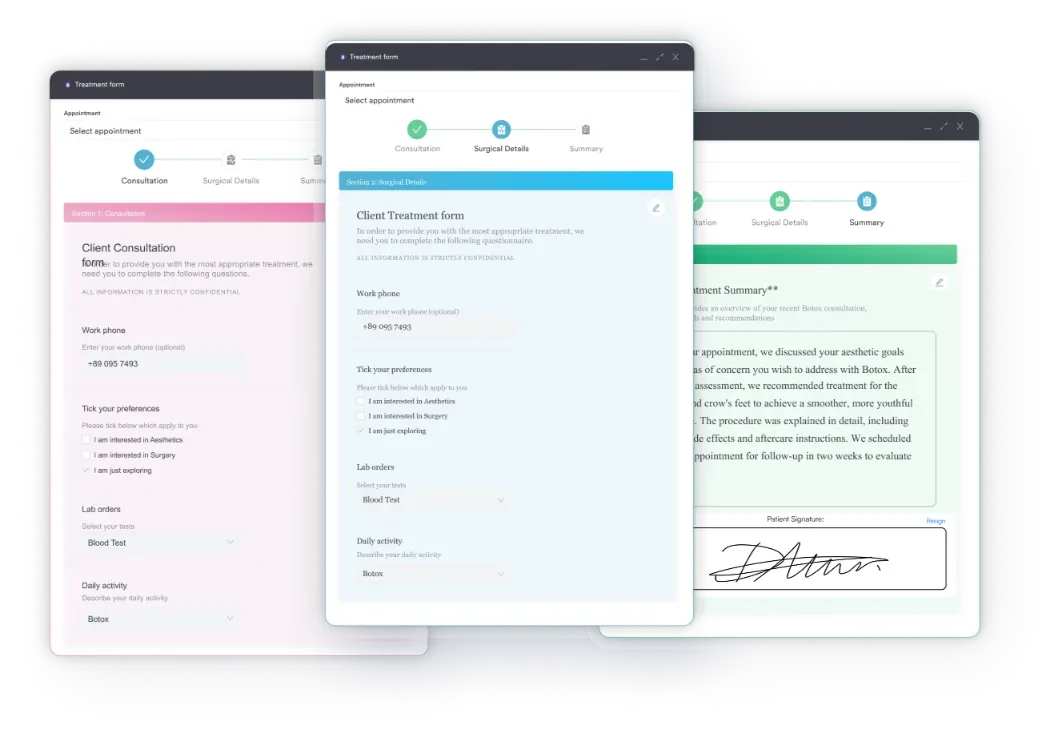
Structured digital intake forms and visit templates turn that reasoning into a required field rather than an afterthought. Timing matters too, since notes written days after the visit are a familiar audit trigger.
Before a G0162 claim leaves the building, the episode file should hold all of this:
All of it has to be stored and shared under HIPAA-compliant practices, whatever the payer. That applies to the aide’s notes as much as the nurse’s.
The sequence below covers Medicare Part A billing through a certified agency. Work it in order, because a missing step near the top tends to surface as a denial at the bottom.
Step four causes more trouble than the rest combined. Take a 40-minute management and evaluation session. Thirty minutes gives you two full units, and the leftover 10 minutes clears the 8-minute mark, so it rounds up. That visit bills three units.
Had the nurse finished at 36 minutes, the leftover 6 minutes would round down and the visit would bill two units. The rule is simple, but it only works when the times are recorded live.
Pull a random sample of G0162 claims each quarter and check them against the documentation list above. Denials cluster around missing time logs and absent clinical reasoning for RN oversight. Both are catchable before the claim goes out.
The two codes get swapped constantly, because both put an RN in the home. G0299 covers direct skilled nursing, where the nurse performs the care. G0162 covers management and evaluation of the plan while someone else does the hands-on work.
One line separates them. G0162 is the nurse watching the plan, and G0299 is the nurse doing the task. Both are billed each 15 minutes, so the unit structure is identical.
A home health period rarely runs on nursing alone. an occupational therapist’s visit reports an occupational therapist’s visit and G0159 reports a physical therapist’s. Both follow the same 15-minute unit rule.
The physician side has its own codes. G0180 covers certification of the home health plan of care, and G0179 covers recertification. Neither belongs on the agency’s nursing line.
The aide delivering the non-skilled care is coded separately again, and some payers use S9122 for that time. The table below covers the codes that turn up in the same billing context as G0162.
The ICD-10 code you attach has to explain why an RN needs to watch unskilled care. A stable, uncomplicated diagnosis undercuts the claim before anyone reads the note.
Pick the code the record supports, not the one that reads best. The diagnosis has to appear in the physician-ordered plan of care and in the notes for the current period. Reviewers compare the two.
The costly errors here are structural rather than clerical. They come from misreading how the code sits inside HH PPS, not from typos on the claim form.
Most agencies hold this process across three systems. Visit notes live in one place, time logs in another, and the plan of care sits in a folder someone has to go and find. When a reviewer asks for one period, staff lose an afternoon assembling it.
Practice management software like Pabau keeps those pieces in one patient record. Notes, forms, timestamps, and signed documents attach to the same file, so a period can be pulled up in a couple of clicks.
Structured note templates can make the clinical rationale a required field, which is what a G0162 note lives or dies on. Timesheets and appointment records supply the start and end times, so unit counts come off the schedule rather than out of memory.
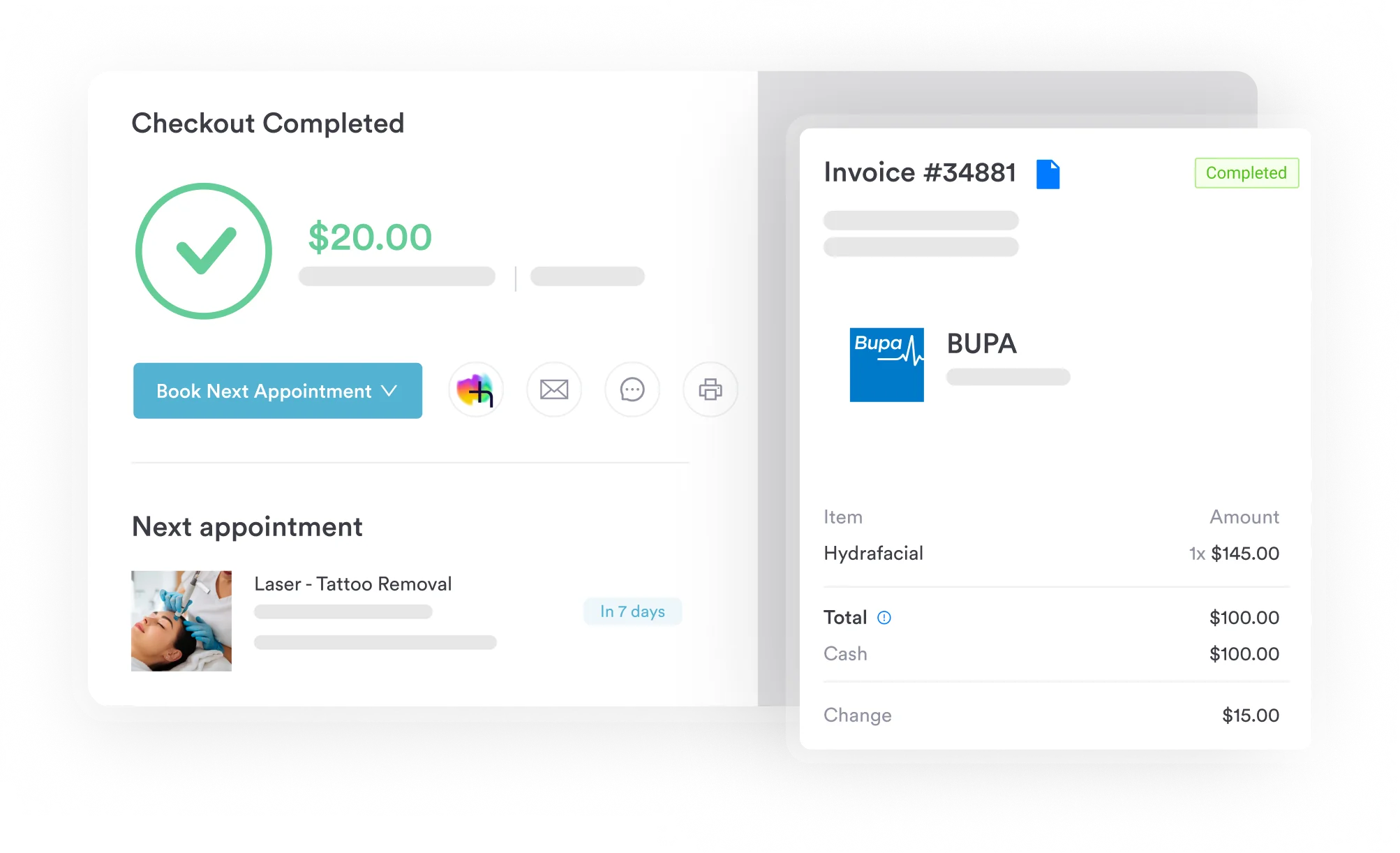
Pabau’s claims management tools sit alongside that record, so billing staff work from the same file the nurse wrote in. Nothing has to be exported, re-keyed, or chased by email.
The platform is used across private practice and allied health, including physical therapy teams and occupational therapy practices. Agencies running several disciplines get the same benefit, since every clinician documents into one record.

Pabau holds visit notes, time logs, consent forms, and plan of care documents in one patient record. Your team can produce a full episode file in minutes instead of an afternoon.

G0162 is a simple code with an awkward payment model behind it. Once you stop looking for a per-unit fee, the work moves to the note, the credential, and the clock.
The agencies that come out of review clean tend to document the visits they already make. The note has to still hold up two years later, when someone pulls the file.
Start with one quarter of claims and check each against the documentation list above. The pattern shows itself quickly. Book a demo to see how Pabau keeps visit notes, time logs, and plan of care documents in one record.

Billing a substance use intervention service? drug intervention billing guide covers the modifier and place-of-service errors that most often cause denials for this Medicaid service.
Billing therapy visits in the same period? G0157 explains how physical therapist assistant time is reported in home health.
Coding skilled nursing outside home health? G0128 covers the nursing service billed in a rehabilitation facility setting.
Billing a substance abuse prevention program? prevention alternatives billing guide explains why this code bills per service, not 15-minute units, with terms set by the state.
Collecting from patients outside Medicare? Patient self-pay covers estimates, collections, and the paperwork behind them.
Yes. Every billable visit in the 30-day period counts toward the low utilization payment adjustment (LUPA) threshold, and G0162 visits are no exception. Thresholds run from two to six visits depending on the clinical group. Falling short means per-visit payment instead of the full period amount.
G0493 covers observation and assessment of a changing condition, where the nurse watches for a possible change in treatment. G0162 covers management and evaluation of the plan itself. Both are 15-minute codes in the home health or hospice setting.
Usually yes, but on the plan’s terms. Medicare Advantage plans cover the home health benefit, then layer on their own authorization rules, network limits, and sometimes different coding. Confirm the plan’s home health policy before the first visit rather than after the denial.
No. Medicare does not treat home health services delivered by telecommunications technology as billable visits. Agencies report that contact with informational codes G0320, G0321, or G0322, and those lines carry no payment and no visit credit.
Yes. The certifying physician or allowed practitioner has to document a face-to-face encounter related to the reason for home health. It must fall within 90 days before the start of care or 30 days after it.



