CCSD code F3070: Suture of palate billing guide
CCSD code F3070 covers stitching a wound in the palate CCSD code F3070 is the co...

Last Updated: Oct 12, 2026
G0299 is the HCPCS Level II code for direct skilled nursing services of a registered nurse (rn) in the home health or hospice setting, each 15 minutes.
The Centers for Medicare and Medicaid Services (CMS) maintains HCPCS Level II codes, which cover services and supplies the CPT system does not describe.
Despite showing up in searches as "G0299 CPT code," this is not a CPT code. The American Medical Association maintains CPT codes for physician and outpatient services. CMS maintains HCPCS Level II codes for a separate category of services. Putting G0299 in the CPT column of a CMS-1500 is a claim error.
Let Pabau's smart automation suggest the right codes, reduce claim denials, and keep your practice compliant—effortlessly.
Automate repetitive tasks and focus on what matters most—your patients.
Reduce coding errors and ensure compliance with the latest regulations.
Clean claims, fewer denials, and faster reimbursements.
Powerful insights and reporting to help your practice thrive.
HIPAA compliant SOC 2 certified GDPR-compliant Trusted by 4,000+ clinics worldwide

HCPCS code G0299 covers direct skilled nursing services by a registered nurse in home health or hospice, billed per 15-minute unit.
Every billable unit must reflect documented face-to-face RN time. The 8-minute rule decides how the leftover minutes round.
GP is not a valid modifier for G0299, because CMS defines it for outpatient physical therapy plans of care.
G0299 is RN-only. LPN and LVN visits bill under G0300, which Medicare reimburses at a lower rate.
On the UB-04, skilled nursing visits sit under revenue code 0551, not the 0571 home health aide line.
Provider credential is the first denial trigger for G0299. Only a registered nurse can bill this code. An LPN or LVN performing the same direct skilled nursing visit bills under G0300 instead. Billing G0299 for an LPN visit produces a denial and a corrected claim.
The homebound requirement is non-negotiable for home health claims. CMS treats a beneficiary as homebound when leaving the home takes a considerable and taxing effort. Overstating homebound status is one of the most common triggers for post-payment audit and recoupment. Document the specific functional limits that justify it on every visit note. The CARC denial code list is short enough to learn, and most rework traces to a handful of entries.
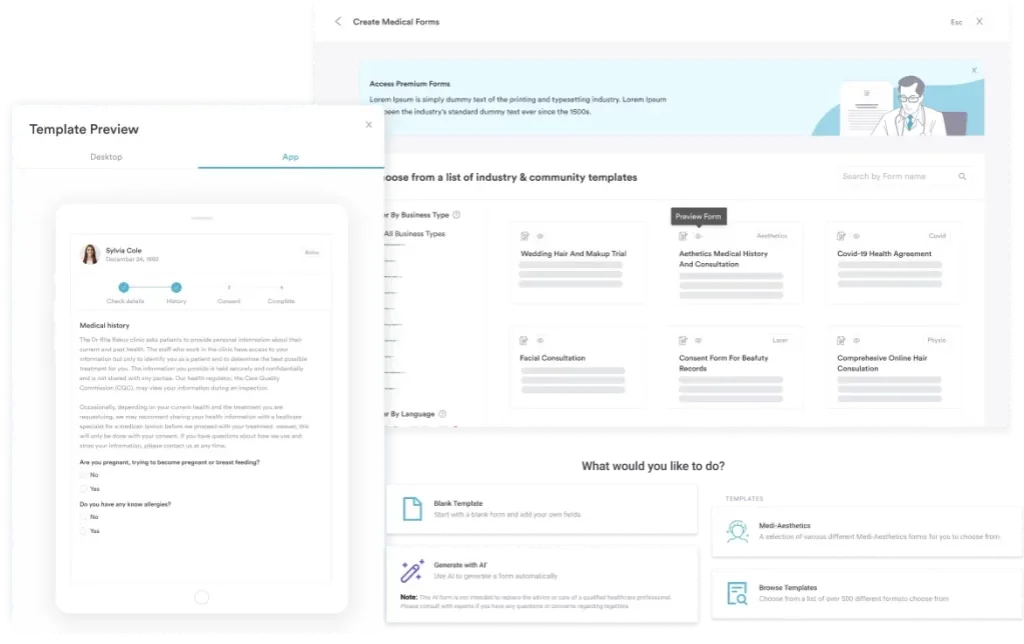
A digital clinical forms setup that prompts for homebound confirmation at each visit keeps that element from going missing when claims are reviewed.
G0299 bills in 15-minute increments, and each unit represents 15 minutes of direct skilled nursing service. Most billing errors start with how agencies convert total visit time into reportable units.
CMS applies an 8-minute rule to time-based codes. A service must last at least 8 minutes to count as one full 15-minute unit, and the same threshold governs every unit after that. Here is how the math works in practice:
Only direct patient care time counts toward billable units. Travel to and from the home, documentation finished off-site, and supervisory time are all excluded. The visit note must record the start time, the end time, and the nature of the skilled service. That record is what substantiates the unit count during an audit.
Medicare Administrative Contractors (MACs) do request medical records to verify unit counts. A claim for 4 units backed only by a note reading “wound care performed” will be denied or recouped.
Modifiers tell the payer more about the circumstances of a service. For G0299, a clean claim comes down to knowing which modifiers belong on the line and which do not.
GP is the modifier to leave off. CMS defines GP as services delivered under an outpatient physical therapy plan of care. An RN home health or hospice visit falls outside that definition.
It belongs on outpatient therapy claims, where a therapy plan of care is in force. Code lookups and copied billing cheat sheets still pair it with G0299, which is how it reaches nursing lines that should never carry it.
Modifier rules for home health G-codes also vary by MAC jurisdiction. Confirm the applicable MAC’s Local Coverage Determination (LCD) or billing guidance before each claim period. The AAPC HCPCS code lookup is a useful commercial reference for checking a code’s current status alongside official CMS publications.
Audit your modifier logic quarterly. MAC coverage policies for home health G-codes update with each fiscal year transmittal. A modifier that was correct in Q1 may need revision by Q3 if CMS releases updated billing instructions. Build that review into your coding compliance calendar.
Medicare is the primary payer for G0299 claims. Coverage runs through the Medicare Part A home health benefit. It applies when the beneficiary is homebound, needs intermittent skilled nursing care, and is served by a Medicare-certified HHA under a physician-certified plan of care.
Payment inside that benefit falls under the Home Health Prospective Payment System, or HH PPS. Medicare pays the agency a bundled rate for each 30-day period rather than a fee for each visit. G-codes such as G0299 report the discipline and the time of each visit on the UB-04.
They feed case-mix and utilization data rather than generating a separate line-item payment. Verify current payment methodology with your MAC, or with the CMS fee schedule lookup tool for any non-PPS context.
Hospice claims work differently. Under the Medicare hospice benefit, also Part A, RN skilled nursing is a core hospice service, and payment follows a per-diem structure.
Tie every nursing visit note to the terminal diagnosis and the hospice plan of care. Solid patient care management workflows that link each visit to its plan of care cut audit exposure on both benefit types.
Documentation failures cause more G0299 denials than coding errors. A technically correct claim still fails when the medical record does not support the service billed. CMS guidance points to the following elements in the record for every G0299 claim:
The certification behind that plan of care is billed by the physician, not the agency. Initial certification of a home health plan of care goes out under G0180. Knowing which side bills what stops an agency filing a claim it cannot support.
Maintaining HIPAA-compliant record practices is the baseline. Beyond HIPAA, home health agencies work under Conditions of Participation, or CoPs, which set their own clinical record standards.
A note that satisfies the HIPAA minimum necessary standard can still fall short of CoP completeness. Agencies also hand every new patient a notice of privacy practices at admission.
Using structured clinical documentation with required fields for homebound status, skilled need, and time capture catches the most common omissions before a claim is submitted.
G0299 and G0300 cover the same settings and the same 15-minute increment. Provider credential is the only substantive difference between them, and it changes the reimbursement rate.
A supervisory RN visit made while an LPN gives the hands-on care is not billable under G0299. The RN must have delivered the direct skilled service. An RN and an LPN may each provide direct care in the same visit period. Bill G0299 for the RN time and G0300 for the LPN time. Confirm that split with your MAC before you adopt it.
G0299 belongs to a family of G-codes used across home health and hospice billing. Knowing the whole family helps billers spot co-billing scenarios and apply the right discipline code when several clinicians visit the same beneficiary.
G0159, G0160, and G0161 sit slightly apart from the rest of the family. They cover the establishment or delivery of a safe and effective maintenance program, one code per therapy discipline. The other therapy codes cover the treating visit itself.
G0162 covers RN management and evaluation of the plan of care, while G0299 covers direct skilled nursing. These are separate clinical activities and should not be swapped. When a single RN visit includes both direct care and care plan evaluation, your MAC’s guidance decides whether both codes may be reported.
The top denial triggers for G0299 are preventable. Most come from provider credential mismatches, unit counts the record cannot support, or missing documentation. Reviewing your agency’s denial patterns against this list is a practical first step toward less rework.
Revenue code accuracy matters just as much. On the UB-04, G0299 pairs with revenue code 0551 for skilled nursing visits. Revenue code 0571 is the home health aide line within the 057X series, so it does not belong on a G0299 claim. Confirm the pairing against your MAC’s billing instructions and your payer contracts before filing.
Manual G0299 billing is a risk management problem. When coders reconstruct unit counts, modifiers, and documentation days after the visit, errors accumulate. What the clinical record shows and what lands on the claim drift apart, and that drift is where recoverable revenue goes.
Practice management software like Pabau connects visit documentation directly to claim creation. Pabau’s claims management software builds time-based code capture into the documentation workflow. The unit count flows from the clinical note onto the claim without anyone re-keying it, which removes the most common G0299 error.
Modifier logic works the same way. A coder should not have to remember that GP has no place on a nursing line. A practice management platform applies the payer rules configured at setup.
Four billing features carry the most weight for home health G-codes:
The same arithmetic shows up well outside home health. The same rounding rules apply, so automated unit capture pays off there too.
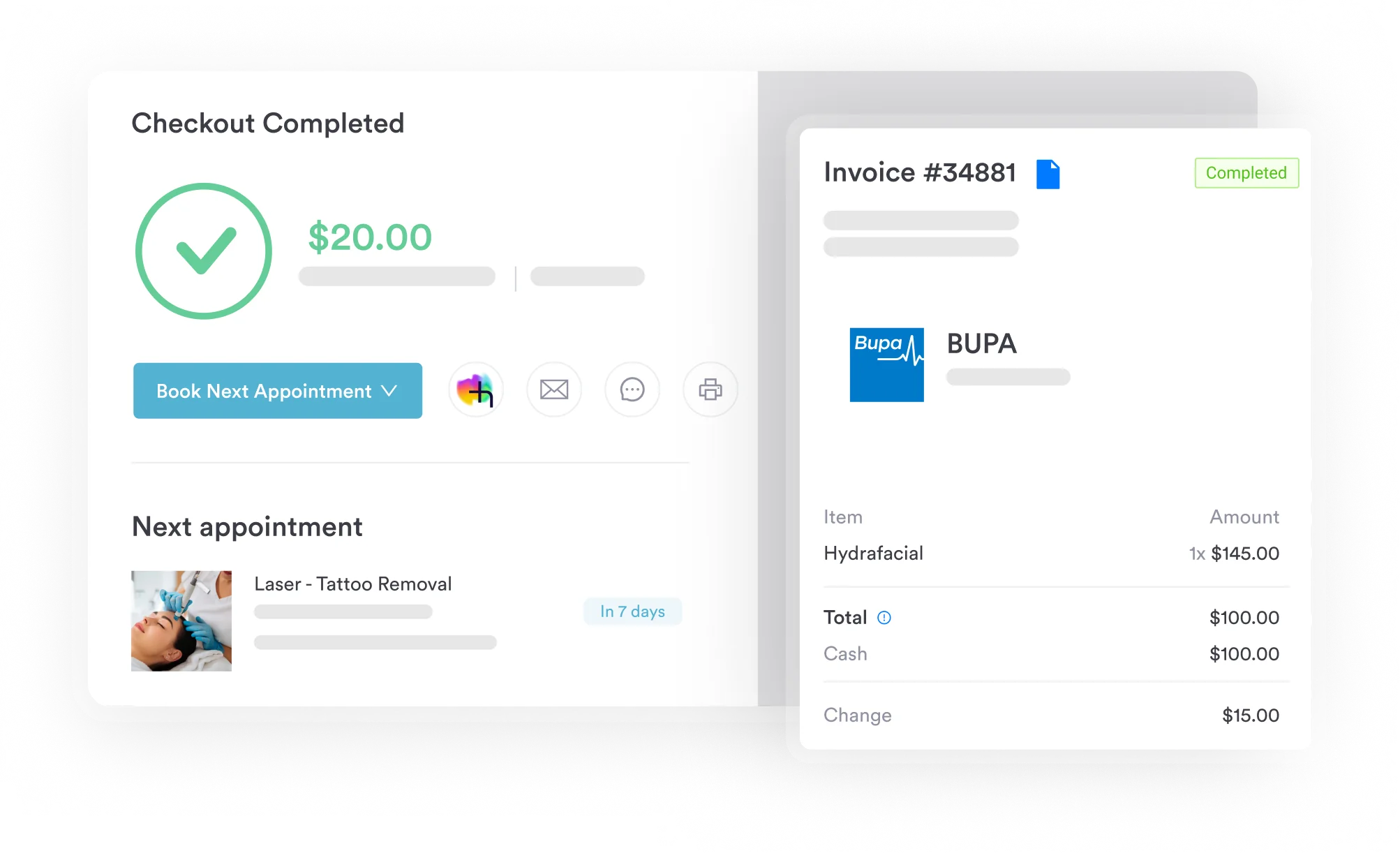

Pabau’s claims management tools help home health agencies capture time-based G-codes accurately, apply the right modifiers, and submit clean UB-04 claims. See how it works for your agency.

G0299 is decided at the bedside. The unit count, the credential, and the homebound justification are all fixed by what the RN writes before leaving the home. A biller can only report what the note already supports.
So the change that pays is upstream. Put the time fields, the skilled-need prompt, and the modifier rules into the visit template itself. Denials on this code tend to flatten out within a billing cycle or two. Leave the same checks to memory and you keep paying for the same corrections.
The trade-off worth remembering is that a structured note takes longer to design than to complete, and that cost lands once, during setup. Book a demo to see how Pabau turns G0299 visit notes into clean claims for home health and hospice teams.

Also billing a custom hand orthosis? Hand finger orthosis billing guide covers documenting medical necessity for a custom-fabricated hand finger orthosis without joints.
Billing therapy visits in the same episode? CPT code 97161 walks through low complexity physical therapy evaluations and how they are documented.
Ordering equipment for a homebound patient? HCPCS code E0256 covers hospital bed coverage criteria and the paperwork suppliers ask for.
Managing ostomy care on your caseload? HCPCS code A4404 explains how ostomy ring supplies are billed and what quantities payers expect.
Coding a laboratory pathology test instead? Congo red blood test billing guide covers billing Congo red staining on a blood specimen when amyloid deposition is suspected.
G0299 bills direct skilled nursing services provided by a registered nurse in the home health or hospice setting. Each unit covers 15 minutes of direct care. CMS maintains it as an HCPCS Level II G-code, and agencies report it on UB-04 claims.
G0299 covers direct skilled nursing by a registered nurse. G0300 covers the same service performed by a licensed practical nurse or a licensed vocational nurse. Both use the 15-minute increment and the same home health and hospice settings. G0299 carries the higher Medicare rate, which reflects the RN’s broader scope of practice.
Units equal the documented direct RN service time, converted into 15-minute increments under the 8-minute rounding rule. A visit of 8 to 22 minutes bills 1 unit, 23 to 37 minutes bills 2 units, and 53 to 67 minutes bills 4 units. Only direct patient care counts, so travel and off-site documentation are excluded. Documented start and end times must support every unit claimed.
Yes. Medicare covers G0299 under the Part A home health benefit when the beneficiary is homebound and needs intermittent skilled nursing care. A physician-certified plan of care and a Medicare-certified home health agency are also required. Hospice claims fall under the hospice benefit’s per-diem structure instead. Coverage varies by MAC jurisdiction, and individual claims still face medical necessity review.
GA, GY, and GZ are the modifiers that come up on G0299 claims. GA signals a waiver of liability with an advance beneficiary notice on file. GY reports a service statutorily excluded from Medicare, and GZ flags a service expected to be denied without an ABN. GP does not apply, because CMS defines it for outpatient physical therapy plans of care. Confirm current requirements with your MAC before each claim period.
Skilled nursing visits sit under revenue code 0551 on the UB-04. Revenue code 0571 belongs to home health aide services within the 057X series, so it does not pair with G0299. Confirm the pairing against your MAC’s billing instructions before filing.
The record needs a physician-certified plan of care that includes skilled nursing, plus a homebound status justification. It also needs a skilled need justification, visit start and end times, and a narrative of the services performed. Home health episodes add completed OASIS assessments at every required time point. Missing any of these is the most common reason G0299 claims are denied or recouped.
Diagnosis pairing follows the reason for the skilled visit. Wound care visits often carry L89 pressure ulcer codes or L97 chronic ulcer codes. Post-surgical care uses Z48 codes, and chronic disease management uses codes such as I50 for heart failure or E11 for type 2 diabetes. Mobility and fall risk map to the R26 codes. The code you choose must reflect the documented primary diagnosis driving the need for skilled nursing.